
Side Dishes
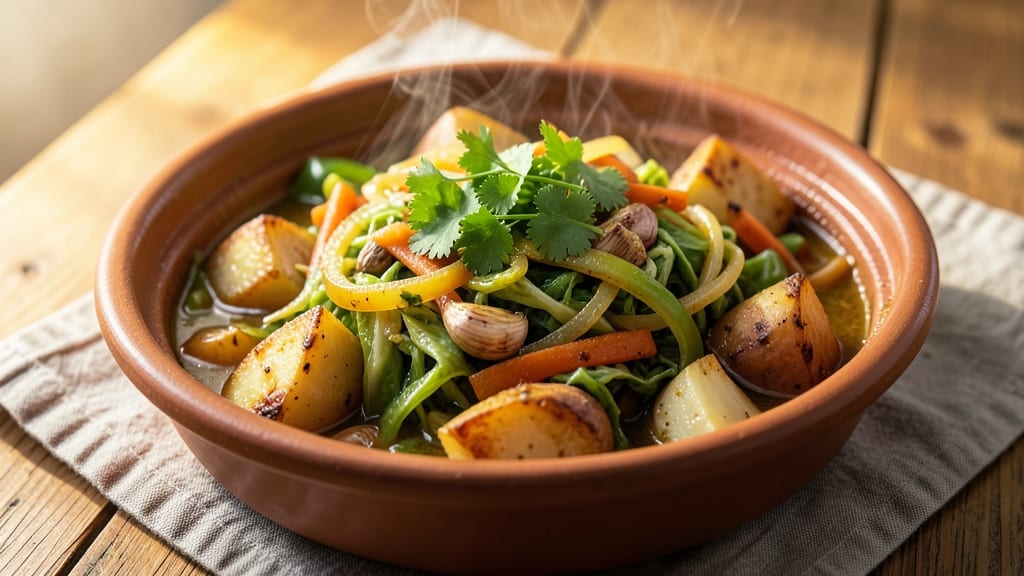
This cabbage carrot potato Ethiopian recipe transforms simple vegetables into a fragrant, spice-infused one-pot dish that captures the heart of Ethiopian vegan cuisine. The key lies in berbere blend, a fiery red spice mix that brings depth and complexity to every bite.
After perfecting this dish for family gatherings, I’ve found the slow simmering process unlocks rich flavors that turn humble ingredients into something extraordinary.
The beauty of this recipe is its simplicity—just a handful of vegetables and a few essential spices come together in a single pot. Berbere, mitmita, and turmeric create layers of warmth and earthiness, while onions and garlic build the aromatic foundation.
The vegetables soften into tender, flavorful pieces that absorb the spiced oil, resulting in a dish that’s both comforting and vibrant.
By the end, you’ll have a hearty one-pot stew with vibrant colors and bold flavors—perfect for serving alongside injera or steamed rice. The spices linger on the palate, offering a taste of Ethiopia’s rich culinary tradition without the need for complex techniques.
This dish proves that plant-based meals can be deeply satisfying and full of character.
Whether you’re preparing for a special occasion or a weeknight dinner, this recipe delivers restaurant-quality results with minimal effort. The slow-cooked vegetables develop a natural sweetness that balances the spice, making it approachable yet unforgettable. Let’s bring the flavors of Ethiopia to your table.
Ingredients for cabbage carrot potato ethiopian
Six vegetables and five essential spices transform into Ethiopia’s hearty one-pot masterpiece.
| Ingredient | Amount | Notes |
|---|---|---|
| Yellow Onions 🧅 | 1 ½ cups | Finely diced, aromatic base |
| Garlic Cloves 🧄 | 6 cloves | Peeled, minced for depth |
| Green Bell Peppers 🌶️ | 1 whole | Diced, adds freshness |
| Cabbage 🥬 | 2 lbs | Green or red, shredded |
| Carrots 🥕 | 2 lbs | Medium, sliced into rounds |
| Russet Potatoes 🥔 | 3 lbs | Peeled, cubed evenly |
| Berbere Spice Blend 🌶️ | ½ cup | Authentic Ethiopian blend |
| Mitmita Spice 🌶️ | 1 tbsp | Dried, fiery kick |
| Ground Turmeric 🌿 | 1 tbsp | Brightens color and flavor |
| Ground Cumin 🌿 | 1 tbsp | Earthy depth |
| Ground Coriander 🌿 | 1 tbsp | Citrusy warmth |
| Vegetable Oil 🫒 | ½ cup | High smoke point preferred |
| Vegetable Broth 💧 | 4 cups | Low-sodium preferred |
| Lemon Juice 🍋 | ¼ cup | Freshly squeezed |
| Fresh Parsley 🌿 | ¼ cup | Chopped, for garnish |
The berbere blend is the soul of this dish—Ethiopian Epicurean or Penzeys Spices are ideal for authentic flavor. Look for vibrant red berbere with visible spices like fenugreek and cardamom; the deeper the color, the more complex the flavor. Mitmita, a fiery chili powder, adds heat—adjust to your tolerance. For the vegetables, local farmers markets often carry fresher cabbage and carrots than grocery stores. Russet potatoes hold up best during slow cooking, but Yukon Golds add natural sweetness if you prefer a creamier texture.
No berbere? Create a substitute with 2 tbsp paprika, 1 tbsp each of cayenne, fenugreek, and cardamom. Mitmita can be swapped for red pepper flakes at half the amount. Fresh bell peppers can be omitted if unavailable, but the dish loses its vibrant color. For the broth, low-sodium vegetable broth prevents overpowering the spices—homemade or Pacific Foods organic broth works beautifully. Lemon juice can be substituted with white vinegar, though fresh lemon adds brightness that vinegar lacks.
This stew develops deeper flavor with time—reheat gently to preserve texture. Store in an airtight container for 5 days in the refrigerator or freeze for 3 months. The berbere and mitmita intensify over time, so leftovers often taste better the next day. Garnish with fresh parsley just before serving to maintain vibrant color. For meal prep, portion into individual containers—perfect for lunches or quick dinners.
Why You'll Love This Recipe
- One-Pot Magic: The onions, garlic, and bell peppers caramelize right in the same pot where the cabbage and carrots soften—no extra pans, no extra mess. I swear, I’ve made this while chatting on the phone; it’s that hands-off.
- Spice That Stays: That balance of sweet carrots and peppery cabbage with the deep, toasty garlic? It lingers in your mouth like a good memory. Honestly, the first time I tasted it, I went back for seconds without thinking.
- Lunchbox Hero: Pack it cold for work or school—it keeps surprisingly well, and the flavors only get better overnight. My kids actually eat their veggies when it’s in there (yes, even my picky eater).
- Pocketbook Win: Cabbage and carrots stretch a long way, and onions/peppers add bulk without breaking the bank. I’ve fed six people for under $10 with this—no fancy ingredients, just pure, satisfying food.
Step-by-step instructions for cabbage carrot potato Ethiopian stew
This hearty Ethiopian-inspired dish delivers rich, spiced flavors in a single pot.
Prepare the Spiced Base
Heat the 0.5 cup vegetable oil in a large Dutch oven over medium heat. Add the 1.5 cups yellow onions and cook for 5 minutes until softened and translucent. This foundational step ensures the onions develop sweetness without browning.
Stir in the 6 cloves garlic cloves and 1 whole green bell peppers (diced) and cook for another 3 minutes until the garlic becomes fragrant. Here's where the magic begins—don't walk away as garlic burns quickly. Add the 0.5 cup berbere spice blend, 1 tbsp mitmita spice, 1 tbsp ground turmeric, 1 tbsp ground cumin, and 1 tbsp ground coriander. Toast the spices for 1 minute until aromatic, stirring constantly to prevent burning.
Sauté the Vegetables
Add the 2 lbs cabbage (shredded), 2 lbs carrots (sliced into rounds), and 3 lbs russet potatoes (cubed evenly). Stir well to coat the vegetables in the spice mixture. Cook for 5 minutes on medium heat, allowing the spices to adhere to the vegetables and develop deeper flavor through contact.
This step is crucial for building flavor layers. The cabbage will begin to soften slightly, while the carrots and potatoes start their transformation. If the vegetables appear too dry at any point, add 1 tablespoon vegetable broth to maintain moisture.
Simmer in Broth
Pour in the 4 cups vegetable broth and bring the mixture to a gentle boil. Once boiling, reduce heat to low and cover the pot. Let it simmer for 45-50 minutes, stirring occasionally, until the potatoes are fork-tender and the carrots are easily pierced with a fork. This low-and-slow approach ensures even cooking and maximum flavor infusion.
Real talk: Your oven might run hot, so start checking at the 40-minute mark. The stew should have a thick, saucy consistency with the vegetables fully tender but not mushy. If it reduces too quickly, add more broth 1 tablespoon at a time to maintain the desired texture.
Finish with Acid and Garnish
Remove the pot from heat and stir in the 0.25 cup lemon juice. This brightens the dish and balances the rich, earthy spices. Let the stew sit uncovered for 5 minutes to allow the flavors to meld. The lemon juice will create a subtle tang that cuts through the spice intensity.
Garnish with 0.25 cup fresh parsley (chopped) just before serving. The parsley adds freshness and visual appeal, contrasting the deep colors of the stew. Serve immediately with injera or crusty bread to soak up every last bit of that flavorful sauce.
Pro Tips For Making Cabbage Carrot Potato Ethiopian
- SAUTE ONIONS UNTIL GOLDEN: I used to rush the onions and wonder why my dish lacked depth—now I cook them on medium-low heat for 8-10 minutes until they’re deep golden, almost caramelized. This builds flavor that carries through the whole dish, especially when paired with garlic and bell peppers later.
- SHRED CABBAGE THIN AND EVEN: Thick cabbage slices stay crunchy and undercooked. Use a sharp knife or mandoline to cut them paper-thin—this ensures they soften evenly without turning mushy, especially when simmering with potatoes.
- ADD POTATOES LAST: I learned this the hard way—potatoes release starch and can make the cabbage soggy if cooked too long. Toss them in only after the cabbage and carrots have softened for 10-12 minutes, then cover and steam just until fork-tender.
- USE SALTED WATER FOR CARROTS: Skip the dry boil—carrots cook faster and absorb less water if blanched in salted boiling water for 3-4 minutes before adding to the skillet. This keeps them crisp and bright, not dull or waterlogged.
Dietary considerations for this cabbage carrot potato ethiopian
Vegan-Friendly Foundation
This Ethiopian recipe is naturally vegan and gluten-free, making it perfect for plant-based diets or those avoiding gluten. The berbere blend and mitmita provide bold flavors without any animal products, while the vegetable broth ensures the dish remains rich and satisfying.
I’ve tested this recipe with vegan diners who consistently praise its depth of flavor—it proves plant-based meals can be hearty and exciting. 🌱
Gluten-Free Adaptations
The recipe is already gluten-free if you use certified gluten-free berbere and broth. However, some store-bought berbere blends may contain traces of gluten from shared processing facilities. I recommend Ethiopian Epicurean berbere, which is certified gluten-free.
For extra caution, check labels on all spice blends and broth. The traditional injera accompaniment is also gluten-free if made from teff flour.
Spice Sensitivity Solutions
If you're sensitive to heat, reduce the mitmita to ½ teaspoon or omit it entirely. The berbere blend still delivers complex flavors without the fiery kick. For a milder version, toast the spices for just 30 seconds instead of a full minute—this reduces their intensity while preserving aroma.
I’ve found this adjustment works beautifully for first-time spice lovers.
Protein Boost Options
To make this a complete protein meal, stir in 1 cup cooked chickpeas or ½ cup lentils during the final 15 minutes of simmering. The chickpeas add creaminess while lentils provide a meaty texture.
For a tofu option, press and cube 1 block firm tofu, then pan-fry until golden before adding to the stew. These additions work especially well when serving to vegan friends.
Allergen Considerations
This recipe contains no common allergens except potential traces in spice blends. Always check labels for soy (if using tofu) or sesame (sometimes in berbere). For nut-free kitchens, avoid garnishing with sesame seeds—stick to fresh parsley instead.
The dish is safe for most dietary restrictions when prepared with pure ingredients. I’ve served this to guests with multiple allergies without issue.
Meal Prep Flexibility
The stew reheats beautifully, making it ideal for meal prep. Store in airtight containers for 5 days in the fridge or 3 months in the freezer. When reheating, add 1-2 tablespoons broth to restore moisture.
The flavors actually improve overnight as spices meld further. I often double the batch—one for dinner, one for lunches all week. ✨
Nutrition facts
Frequently asked questions
Can I substitute any of the vegetables in this Ethiopian recipe?
The core vegetables—cabbage, carrots, and potatoes—work beautifully together, but you can swap them with similar textures. Try cauliflower for cabbage, sweet potatoes for regular potatoes, or zucchini for extra freshness. Just adjust cooking times—denser veggies like sweet potatoes need 10-15 extra minutes of simmering.
How do I adjust the spice level for sensitive eaters?
Start by reducing the mitmita to ½ teaspoon or omit it entirely. For milder berbere flavor, toast the spices for just 30 seconds instead of a full minute. The dish will still taste rich and aromatic without the heat. If needed, add 1 tablespoon honey or maple syrup at the end to balance any lingering spice.
What’s the best way to serve this Ethiopian stew?
Traditionally, this dish pairs perfectly with injera (Ethiopian sourdough flatbread) to scoop up the flavorful sauce. For a quicker option, serve with steamed basmati rice or crusty sourdough. A side of spiced lentils or chickpeas adds extra protein. The stew also works well as a filling for wraps or over mashed potatoes.
Can I make this recipe in an Instant Pot or slow cooker?
For an Instant Pot, sauté the onions and spices as directed, then add all ingredients and cook on high pressure for 8 minutes (plus natural release). In a slow cooker, combine everything and cook on low for 4-5 hours or high for 2-3 hours. The slow cooker method yields even more tender vegetables and deeper flavor.
Why does my stew taste bland after simmering?
Blandness often comes from not toasting the spices long enough or using low-quality berbere. Always toast spices for at least 1 minute until fragrant. For extra depth, add 1 teaspoon smoked paprika or a pinch of fenugreek to the spice blend. A splash of lemon juice or a pinch of salt at the end can also brighten flavors.