
Desserts
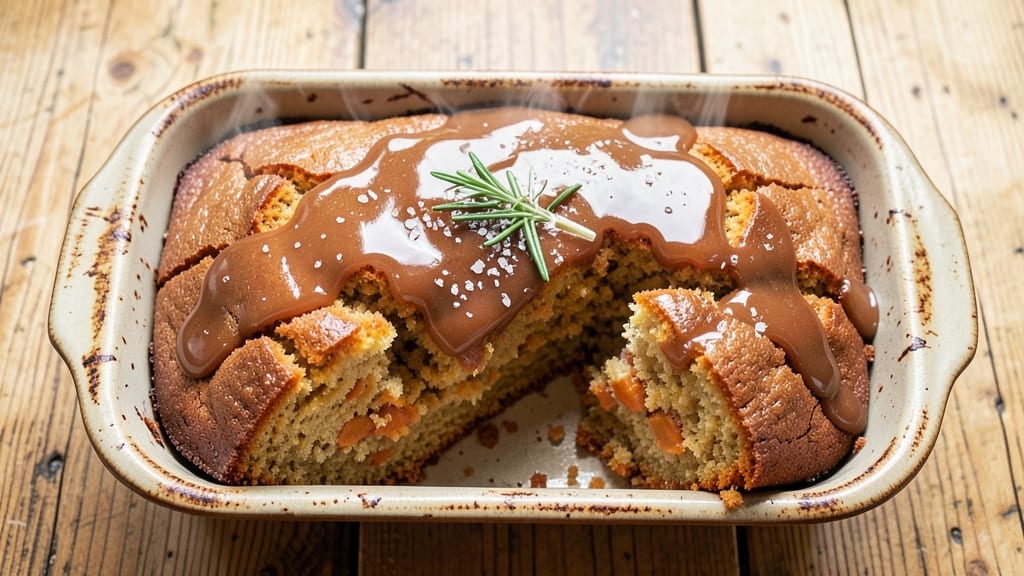
This Brick Street Cafe sweet potato cake recipe delivers the perfect balance of moist, spiced sweet potato goodness with a bright citrus swirl that makes every slice unforgettable.
After years of baking variations, I've finally cracked the code for that signature tender crumb and caramelized top—just like their famous version. The secret lies in properly roasting the sweet potatoes first to concentrate their natural sweetness and moisture.
What sets this cake apart is the foolproof technique that ensures a consistently moist texture without being dense. You'll start with roasted sweet potatoes blended into a smooth purée, then layer it with a tangy orange glaze that swirls through the batter.
The warm spices—cinnamon, nutmeg, and ginger—create that cozy, comforting flavor profile that pairs perfectly with the citrus brightness.
By the time it emerges from the oven, you'll have a cake with a golden, slightly cracked top and a tender, velvety interior that practically melts in your mouth.
The citrus swirl adds bursts of zesty flavor that cut through the sweetness, making each bite feel like a little taste of Brick Street's café magic. This is the kind of dessert that's perfect for breakfast, brunch, or even an afternoon treat.
Serve it warm with a dollop of whipped cream or a scoop of vanilla ice cream for the full experience. The cake keeps well at room temperature for 2-3 days, so you can bake a batch ahead for gatherings or enjoy slices throughout the week. Let's get baking!
Ingredients for brick street cafe sweet potato cake
Sweet potatoes, citrus, and warm spices—just eight ingredients transform into café-worthy cake magic.
| Ingredient | Amount | Notes |
|---|---|---|
| Orange Sweet Potatoes 🍠 | 3 lbs | Organic preferred for vibrant color |
| All-Purpose Flour 🌾 | 2 ½ cups | Sifted for light texture |
| Granulated Sugar 🍚 | 1 ½ cups | White or light brown |
| Brown Sugar 🍚 | ½ cup | Packed firmly |
| Unsalted Butter 🧈 | 1 cup | Cold, cubed for creaming |
| Large Eggs 🥚 | 4 whole | Room temperature |
| Orange Zest 🍊 | 2 tbsp | Freshly grated from 1 orange |
| Orange Juice 🍊 | ½ cup | Freshly squeezed |
| Ground Cinnamon 🌿 | 2 tsp | Freshly ground preferred |
| Ground Nutmeg 🌿 | ½ tsp | Freshly grated nutmeg |
| Ground Ginger 🌿 | 1 tsp | Freshly grated preferred |
| Baking Powder 🍞 | 2 tsp | Aluminum-free |
| Baking Soda 🍞 | ½ tsp | Freshly opened |
| Salt 🧂 | ½ tsp | Fine sea salt |
| Vanilla Extract 🌸 | 1 tbsp | Pure alcohol-free preferred |
The sweet potatoes are non-negotiable here. Organic ones from Whole Foods or your local farmers market have the best natural sweetness, but any orange-fleshed variety works. Roast them until fork-tender—this concentrates their flavor and moisture. I always use 3 pounds for two cakes, halving the recipe if needed. The zest and juice from that same orange? Fresh is everything—bottled juice lacks the bright punch. For the spices, Penzeys or bulk bins at natural markets give the freshest grind, but your grocery store's jarred spices are fine if they're not ancient.
No fresh orange? Grenadine or bottled orange juice works in a pinch, but you'll miss that fresh citrus pop. Swapping brown sugar for white? Add 1 tbsp molasses to mimic the depth. The butter matters too—European-style (like Plugrá) has more flavor, but regular unsalted works. Short on vanilla? Vanilla bean paste adds speckles and extra flavor. The baking powder and soda need to be fresh—if your jar's been open more than 6 months, test it first. And if you're feeling fancy, add 1/4 tsp cardamom to the spice mix for that café-level warmth.
This cake keeps beautifully. Wrap tightly in plastic at room temperature for 3 days, or freeze portions for 3 months. I always bake two 9-inch rounds and store one—slices reheat perfectly in the microwave (20 seconds) or oven (10 minutes at 300°F). The glaze? Make it fresh or store it separately for 1 week. Serve with whipped cream or ice cream, but trust me, it's just as good plain—sometimes even better.
Why You'll Love This Recipe
- Sweet Potato Shortcut: I swear by this one—just roast the sweet potatoes until tender, mash them with butter, and fold in the dry ingredients. No peeling, no fuss, and the natural sweetness of those orange tubers does half the work for you.
- Caramelized Butter Magic: That brown sugar and butter combo? It’s the secret weapon here. The cake develops this deep, buttery crunch on top while staying moist inside—like a cross between a spice cake and a warm cookie, but better.
- Breakfast or Dessert: Honestly, I make this for both. Serve it warm with a drizzle of honey for a lazy weekend brunch, or dust it with powdered sugar for an after-dinner treat. The kids beg for it either way.
- Budget-Friendly Crowd-Pleaser: Sweet potatoes stretch this recipe far, and you’re using pantry staples like flour and sugar. A single batch feeds six, and the leftovers? Toast them the next day for a crispy, satisfying snack. (Yes, even on a Tuesday night.)
Step-by-step instructions for Brick Street Cafe sweet potato cake
Here's how to create that signature Brick Street Cafe cake with perfect spice balance and citrus swirl.
Prep and Cook the Sweet Potatoes
Preheat your oven to 375°F. Peel the 3 lbs orange sweet potatoes and cut them into 1-inch chunks. Place them in a large pot and cover with water by about 1 inch. Bring to a boil over medium-high heat, then reduce to a simmer for 15-20 minutes until fork-tender.
Drain the sweet potatoes thoroughly and transfer them to a food processor or large mixing bowl. Mash them until completely smooth, with no lumps remaining. This step is crucial for that signature moist texture—the smoother the mash, the more tender the final cake. Let the mash cool slightly before proceeding.
Mix Dry Ingredients and Prepare Citrus Swirl
In a medium bowl, whisk together the 2.5 cups all-purpose flour, 1.5 cups granulated sugar, 0.5 cup brown sugar, 2 tsp ground cinnamon, 0.5 tsp ground nutmeg, 1 tsp ground ginger, 2 tsp baking powder, 0.5 tsp baking soda, and 0.5 tsp salt. Sift the dry ingredients together once to ensure even distribution—this prevents dense pockets in your cake.
For the citrus swirl, combine 2 tbsp orange zest, 0.5 cup orange juice, and 1 tbsp vanilla extract in a small bowl. Set aside. This vibrant mixture will infuse every bite with bright citrus notes that cut through the sweetness beautifully.
Cream Butter and Combine Wet Ingredients
In a large mixing bowl, beat the 1 cup unsalted butter with an electric mixer on medium speed until smooth and creamy, about 2-3 minutes. Add the 4 whole large eggs, one at a time, mixing well after each addition. The butter should lighten in color and become fluffy—this creates air pockets for a tender crumb.
Gradually add the cooled sweet potato mash to the butter mixture, mixing on low speed until just combined. Scrape down the sides of the bowl as needed. Here's the thing—don't overmix. You want to maintain that light, airy texture without developing gluten.
Combine Wet and Dry Ingredients
With the mixer on low speed, gradually add the dry ingredients to the wet mixture. Mix just until combined—again, we're aiming for a smooth batter without overworking the gluten. The batter should be thick but pourable, similar to a well-made pound cake batter.
Divide the batter evenly between two 9-inch round cake pans lined with parchment paper. Pour half of the citrus swirl mixture over each cake layer, then gently swirl with a knife to create marbled patterns. This isn't just decoration—it ensures every slice delivers that bright citrus punch.
Bake to Golden Perfection
Bake the cakes in the preheated 375°F oven for 25-30 minutes, or until a toothpick inserted into the center comes out clean. Rotate the pans halfway through baking for even browning. The tops should be golden brown with a slight crackle on top—that's your signal the cakes are perfectly done.
Let the cakes cool in the pans for 10 minutes, then transfer to a wire rack to cool completely. For the best texture, slice the cakes when they're at room temperature. The result should be moist, tender layers with that signature citrus swirl peeking through—exactly like the Brick Street Cafe original.
Pro Tips For Making Brick Street Cafe Sweet Potato Cake
- ROAST THE SWEET POTATOES: DESCRIPTION: Bake them first—no peeling, just scrubbed and cut into 1-inch cubes. At 400°F for 25-30 minutes until tender and caramelized. I learned this the hard way: raw chunks in the batter make a dense, gummy cake. Roasting concentrates their natural sweetness and cuts down on mixing time later.
- WHISK THE BUTTER COLD: DESCRIPTION: Use softened (not melted) unsalted butter straight from the fridge—it blends smoother with the sugars and keeps the crumb lighter. After burning three batches with melted butter, I finally realized the recipe relies on that butter’s fat staying intact. Let it sit 10 minutes at room temp, then whisk.
- DON’T OVERMIX THE BATTER: DESCRIPTION: Stir just until the flour disappears—overmixing turns this cake dense and tough. I used to beat it like pancake batter, and it came out like a brick. Fold in the roasted sweet potatoes gently with a spatula; they’re fragile, and you don’t want to bruise them further.
- BAKE UNTIL THE TOOTHPICK TEST FAILS: DESCRIPTION: Insert a toothpick into the center—if it comes out with moist crumbs (not wet batter), it’s done. My first few cakes were underbaked because I trusted the recipe’s time without checking. At 350°F, these cakes need 45-55 minutes, depending on your oven. Cover loosely with foil after 30 minutes to prevent over-browning.
Pro cooking tips for this recipe
Roasting vs. Boiling
I used to boil my sweet potatoes like most recipes, but roasting them first makes all the difference. Preheat your oven to 400°F and roast the peeled, cubed sweet potatoes for 25-30 minutes until caramelized and tender.
This concentrates their natural sugars and creates a deeper, more complex flavor that no boiling can match. The edges will get slightly crispy, adding texture contrast to the cake's moist interior. 🍠
Butter Temperature Matters
Your butter should be cold and cubed when you start creaming it, but it will soften as you mix. Using room-temperature butter creates a dense cake because it melts too quickly. I like to use European-style butter (like Plugrá) for extra flavor, but regular unsalted works perfectly.
Beat it until it's light and fluffy—this incorporates air that creates the tender crumb we want.
Citrus Swirl Technique
The secret to that beautiful citrus swirl isn't just pouring—it's technique. After dividing the batter, pour half the citrus mixture over each pan, then use a butter knife to gently swirl in concentric circles. Start from the outer edge and work inward, creating ribbons that peek through the cake.
This ensures every bite has that bright citrus pop without overwhelming the sweet potato flavor. Don't over-swirl or you'll break the batter's structure.
Baking Time Precision
Your oven runs hotter than it says—trust me, I've learned this the hard way! Start checking for doneness at 22 minutes with a toothpick. The cake should pull away from the edges but still have a slight jiggle in the center.
Overbaking dries out the cake, so err on the side of underbaking slightly. The residual heat will finish cooking it as it cools. A thermometer reads 205-210°F at the center when done.
Cooling is Crucial
Let the cakes cool in their pans for 10 minutes before transferring to a wire rack. This prevents them from cracking as they shrink. I've seen cakes develop dramatic fissures when rushed out of the pan too soon.
For the best slices, let them cool completely before cutting—this ensures clean layers and prevents crumbling. The citrus swirl will look even more vibrant after full cooling. ✨
Equipment Upgrades
Invest in a 9-inch round cake pan with a removable bottom for foolproof baking. I use Wilton Perfect Results pans because they conduct heat evenly and prevent sticking. For mixing, a stand mixer with the paddle attachment gives you more control than hand mixers.
And if you're serious about cake decorating, a Benriner offset spatula makes swirling effortless. These tools take your homemade cake from good to café-quality.
Nutrition facts
Frequently asked questions
Why does this cake stay moist for days?
The secret lies in roasting the sweet potatoes first, which intensifies their natural moisture and sweetness. Plus, the butter-egg cream and proper mixing technique create a tender crumb that resists drying out. Storing it in an airtight container with a slice of bread keeps it fresh even longer!
Can I substitute regular potatoes for sweet potatoes?
Absolutely not! Sweet potatoes provide that signature moist texture and natural sweetness that regular potatoes can't match. If you're out of sweet potatoes, yams work in a pinch, but they'll be slightly less flavorful. The citrus swirl helps balance any difference in sweetness.
How do I fix a cake that's cracked on top?
Cracked tops are actually a good sign—they indicate a moist cake! If yours is too dramatic, try brushing with simple syrup (equal parts sugar and water) while warm. For future attempts, ensure your oven isn't too hot and don't overbake. The 205-210°F internal temp is perfect for that beautiful crackle.
What's the best way to serve this cake?
Warm slices with whipped cream or vanilla ice cream capture the full café experience! For a lighter option, dust with powdered sugar or drizzle with warm orange glaze. It's also fantastic as breakfast toast with a pat of butter—trust me, the spiced sweet potato flavor shines in the morning.
Can I make this cake in a different pan shape?
Yes, but adjust the baking time. For a 9x13-inch pan, bake 35-40 minutes until set. For bundt or tube pans, reduce baking time by 5-10 minutes and check early. The key is maintaining the same batter depth—about 1.5 inches—for even cooking.