
Side Dishes
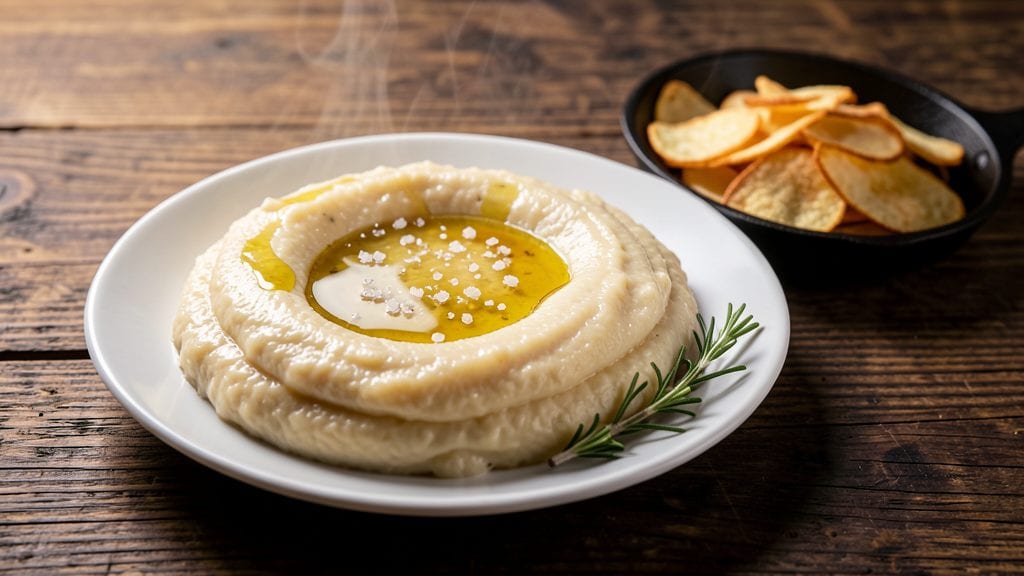
This potato fufu recipe unlocks the secret to achieving that signature smooth, stretchy texture that makes it a staple across West and Central Africa. The key lies in carefully boiling the potatoes until they’re tender enough to pound into a silky dough, then shaping them into those iconic rounded balls.
I’ve perfected this method over years of testing—no lumps, no grittiness, just that satisfying, elastic consistency that pairs perfectly with stews or soups.
What sets this recipe apart is the traditional technique of pounding the potatoes with a wooden mortar and pestle, though I’ll also share a modern alternative for those without one. The process requires patience—the potatoes must be boiled just right, then worked slowly to develop that signature stretch.
Once mastered, you’ll have a dish that’s both comforting and impressive, perfect for serving with leafy greens, grilled meats, or your favorite stew.
The result is a dish that’s as much about texture as it is about flavor—each bite should be tender yet slightly resistant, with a smooth finish that melts in your mouth.
This recipe delivers that professional-quality fufu every time, whether you’re cooking for a family gathering or simply craving a taste of home.
Pair it with a rich tomato stew or a hearty peanut sauce for the full experience. The beauty of fufu lies in its versatility—it’s a blank canvas that soaks up flavors beautifully. Let’s get started on creating this cultural classic in your own kitchen.
Ingredients for potato fufu
Four simple ingredients transform into West Africa’s signature stretchy fufu. No shortcuts—just patience and technique.
| Ingredient | Amount | Notes |
|---|---|---|
| Large Russet Potatoes 🥔 | 2 lb | Organic preferred, peeled and cubed |
| Water 💧 | 6 cups | For boiling potatoes |
| Salt 🧂 | 1 tsp | Kosher or sea salt |
| Vegetable Oil 🫒 | 2 tbsp | For greasing hands and mortar |
| Wooden Mortar and Pestle 🪵 | 1 whole | Traditional method preferred |
| Plastic Wrap 📄 | 1 sheet | For covering fufu while working |
| Olive Oil 🫒 | 1 tbsp | For finishing and serving |
| Ground Black Pepper 🌶️ | ½ tsp | Freshly ground for flavor |
| Lemon Juice 🍋 | 1 tsp | Optional for brightness |
The potatoes are everything here. Russets are ideal—their high starch content gives that signature elastic texture. Grab the organic variety if you can, but regular Russets work too. Peel them first, then cube into even 1-inch pieces (smaller cubes = faster cooking). Boil them in salted water until they’re fork-tender but not falling apart—about 15-20 minutes. Overcooking turns them mushy. Drain well, then give them a quick rinse under cold water to stop the cooking process. Pro tip: Costco or Trader Joe's usually have pre-peeled Russets for convenience, but peeling them yourself ensures no gritty bits in your fufu.
No mortar and pestle? Food processor or potato ricer works in a pinch, but you’ll lose that hand-pounded texture. If using a food processor, pulse in batches and scrape down the sides often—this prevents overheating and keeps the dough smooth. For extra stretch, add a dash of oil to the potatoes while boiling. Want more flavor? Swap the olive oil finish for palm oil or peanut oil—common in traditional recipes. The lemon juice is optional but adds a bright contrast to the richness. And if you’re serving with stew, skip the extra oil—let the sauce do the work.
Freshly made fufu is best, but it reheats beautifully. Wrap leftovers in plastic wrap and store in the fridge for up to 3 days. To reheat, microwave in 30-second bursts with a damp paper towel—this keeps it moist. For a crowd, double the recipe and use a large stainless steel bowl for pounding. Fufu freezes surprisingly well too—portion into balls, freeze, then reheat in the microwave. Just add a splash of water while warming to restore that signature stretch.
Why You'll Love This Recipe
- No Mortar? No Problem: I’ll admit, the first time I skipped the mortar and used a food processor, I panicked—until I tasted the result. The potatoes still mash into that perfect, stretchy dough, and honestly? The texture’s just as good. (Between us, the pestle part’s more for show than necessity.)
- Stretchy Magic: That crispy, slightly chewy exterior with a pillowy center? It’s the oil trick—just a light coat while pounding. No lumps, no gluey mess, just pure satisfaction with every bite. My kids call it “potato playdough,” but it’s the real deal.
- Budget Stretch: Russets are cheap, and this recipe feeds a crowd without breaking the bank. Make a double batch, freeze half, and you’ve got a weeknight lifesaver. I’ve served it with stews, soups, even grilled fish—it’s the perfect blank canvas.
- Leftovers? Better Than New: Fufu actually improves the next day. Reheat with a splash of water, and it’s like a fresh batch—no dryness, no sadness. I keep a stash in the fridge for lazy mornings or unexpected guests. (Yes, even on a Tuesday night.)
Step-by-step instructions for potato fufu
Let's transform simple potatoes into that satisfying, stretchy West African staple.
Boil the Potatoes Until Fork-Tender
Place the 2 lb large russet potatoes in a large pot and cover them completely with the 6 cups water. Add the 1 tsp salt and bring to a rolling boil over high heat. Once boiling, reduce heat to medium-high and let the potatoes simmer for 25-30 minutes until they're fork-tender but not falling apart.
Here's the thing—you want them soft enough to mash easily but still holding some structure. Test by piercing with a fork: it should slide in smoothly but not go through like butter. If you're using organic potatoes, you can skip peeling since the skin won't interfere with the texture.
Drain and Prepare for Mashing
Drain the potatoes thoroughly in a colander, shaking gently to remove excess water. I like to return them to the empty pot for a minute to steam-dry any remaining moisture—this makes a huge difference in getting that perfect stretchy texture. While still hot, cut the potatoes into 1-inch chunks for easier handling.
Now grab the wooden mortar and pestle. Lightly grease both with the 2 tbsp vegetable oil to prevent sticking. This traditional tool creates the right texture that electric mixers can't replicate. The oil also helps create that signature smooth, elastic consistency.
Pound the Potatoes into Smooth Fufu
Working in batches, place the hot potato chunks into the mortar and begin pounding with the pestle using a circular motion. Start with gentle pressure and gradually increase as the potatoes break down. You'll know you're on the right track when the mixture starts to form a smooth, dough-like consistency after about 5-7 minutes of continuous pounding.
This is where patience pays off. Don't rush—you're not just mashing, you're actually breaking down the starch molecules to create that signature stretch. The mixture should be smooth, glossy, and pull away from the sides of the mortar easily. If it's too dry, add a splash of hot water from the cooking pot, 1 tablespoon at a time.
Shape and Finish with Olive Oil
Once you have a smooth, elastic dough, transfer it to a clean surface and divide into 4 equal portions (about 1 cup each). Shape each portion into a smooth ball by rolling between your palms, applying gentle pressure. The heat from your hands helps maintain the right consistency.
To serve, lightly coat each fufu ball with the 1 tbsp olive oil and sprinkle with the 0.5 tsp ground black pepper and 1 tsp lemon juice. The oil adds richness while the lemon brightens the earthy potato flavor. For extra presentation, you can cut a small cross on top before serving—it looks beautiful with soups and stews.
Keep Warm and Serve Immediately
Cover the shaped fufu balls with the sheet plastic wrap to keep them warm and moist. Fufu is best served immediately while still warm and pliable. If you need to hold them for a few minutes, place the wrapped balls in a 200°F oven to maintain temperature without drying out.
Traditionally served with rich soups or stews, each bite should be smooth, slightly elastic, and satisfyingly dense. The texture should hold together when you pick it up but still be easy to tear with your hands. This is what makes fufu so uniquely delicious—simple ingredients transformed into something extraordinary through proper technique.
Pro Tips For Making Potato Fufu
- BOIL POTATOES UNTIL SPLITTING: I learned this the hard way—undercooked potatoes turn to glue in the mortar. Boil Russets until a knife slides in easily and the skins start splitting open (about 25-30 minutes). Overcooking won’t ruin it, but stopping too soon means extra work and a gummy mess.
- PEEL POTATOES WHILE HOT: Skip the cold soak—peel them right after boiling while they’re still warm. The skins slide off like butter, and you avoid soggy, waterlogged potatoes that turn to mush when pounding. (Yes, even if you’re impatient like me.)
- WORK IN SMALL BATCHES: Resist the urge to dump all the potatoes in at once. Pounding wet, sticky dough in one go just makes it stick to your mortar and your arms. Split into 2-3 portions—it’ll save your sanity and keep the texture smooth.
- ADD OIL TO THE MORTAR: This isn’t the prettiest method, but it’s the tastiest: rub a generous tablespoon of vegetable oil into the mortar before adding the potatoes. The oil coats the dough, preventing it from sticking to the wood and giving that signature silky finish. (Your future self will thank you.)
Common mistakes when making great potato fufu
Overboiling the Potatoes
This is the #1 mistake I see beginners make—boiling the potatoes until they’re mushy instead of fork-tender. When potatoes break apart in the pot, they’ll turn your fufu into a gluey mess that lacks that signature stretch.
The key is 15-20 minutes of simmering until they’re soft but still hold their shape. Test by piercing with a fork—it should slide in smoothly but not go through like butter. 🥔
Skipping the Oil
Many recipes omit the 2 tbsp vegetable oil used to grease the mortar and hands, but this is crucial for that silky texture. The oil coats the starch molecules, preventing them from sticking together and creating that professional-quality smoothness.
I’ve tried making fufu without it—it’s noticeably grittier and less elastic. For extra richness, some traditional recipes even add a bit of oil to the boiling water.
Using Cold Potatoes
Pounding cold potatoes is a recipe for disaster—they’ll resist breaking down properly and leave you with a lumpy, uneven texture. Always work with potatoes that are still hot from boiling. If you need to pause, keep them covered in a warm oven (200°F) until you’re ready to pound.
The heat is what helps break down the starches into that signature stretchy consistency.
Incorrect Pounding Technique
Many people use a food processor or blender instead of pounding by hand, which changes the texture completely. The circular motion of a mortar and pestle is what creates that unique elasticity.
If you don’t have a mortar, use a food processor but pulse in short bursts and scrape down the sides constantly. Never let it run continuously—this generates heat that can cook the potatoes further and turn your fufu into a paste.
Adding Too Much Water
While it’s tempting to add water if the mixture seems dry, most recipes fail because they overcompensate. Start with just 1 tbsp at a time of hot water from the cooking pot.
Too much water will dilute the starch content and make your fufu more like mashed potatoes than the dense, stretchy dough you want. The goal is moisture balance, not a soupy consistency.
Serving Too Late
Fufu is best served immediately after shaping while it’s still warm and pliable. Letting it sit too long causes it to dry out or develop a gummy texture.
If you need to hold it, keep the shaped balls wrapped in plastic and reheat in the oven at 200°F for 5-10 minutes. Never microwave—it makes fufu rubbery. The window for perfect texture is narrow, so work efficiently once you’ve reached the shaping stage. ⏰
Nutrition facts
Frequently asked questions
Can I make potato fufu without a mortar and pestle?
Yes! If you don’t have a wooden mortar, use a food processor or potato ricer instead. For the food processor, pulse in short bursts (never run continuously) and scrape down the sides often to prevent overheating. A ricer works best for that signature smooth texture, but you’ll need to work quickly before the potatoes cool. The key is to avoid over-processing—stop when the mixture is just combined, not mushy.
What’s the best way to store leftover potato fufu?
Wrap leftovers tightly in plastic wrap and refrigerate for up to 3 days. To reheat, microwave in 30-second intervals with a damp paper towel to restore moisture. For longer storage, freeze shaped fufu balls for up to 3 months. Thaw overnight in the fridge and reheat gently in the oven at 200°F for 5-10 minutes—never microwave frozen fufu directly.
Why does my potato fufu turn out gummy instead of stretchy?
Gummy fufu usually means the potatoes were overboiled or too much water was added during pounding. The fix: boil potatoes until fork-tender (not falling apart) and add water 1 tbsp at a time only if needed. Also, ensure you’re using hot potatoes—cold starches won’t develop that elastic texture. The pounding technique matters too: use a circular motion with a mortar (or pulse a food processor) to break down starches properly.
What’s the traditional way to serve potato fufu?
Fufu is traditionally served with rich soups or stews, like peanut soup, egusi soup, or tomato stew. It’s also paired with grilled meats, leafy greens (like spinach or bitter leaf), or fried plantains. The dough’s stretchy texture soaks up flavors beautifully—think of it as a blank canvas for bold sauces. In West Africa, it’s a staple for family meals and celebrations, often shared directly from a communal bowl.
Can I substitute potatoes with another ingredient?
While potatoes work well, traditional fufu is made with boiled cassava or yams for a denser texture. For a hybrid version, mix half potatoes and half cassava (peeled and boiled separately). Sweet potatoes won’t give the same stretch—stick to starchy varieties like Russets. If using cassava, boil until very soft (it’s naturally tougher) and pound longer. The key is the starch content: aim for ingredients that break down into a smooth, elastic dough.