
Side Dishes
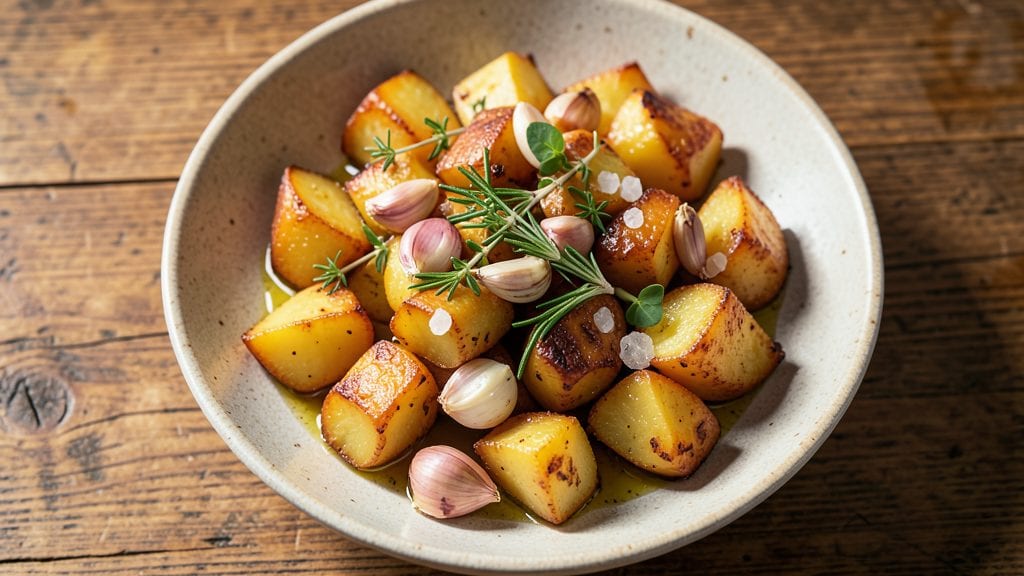
This anyday potatoes recipe transforms humble spuds into a one-pan masterpiece that works for breakfast, lunch, or dinner—no fuss, just flavor. The secret lies in high-heat roasting with garlic, herbs, and a crispy edge that turns simple potatoes into a restaurant-worthy side.
I developed this after years of testing potato recipes, and it finally delivers the perfect balance of texture and seasoning every time.
The beauty of this method is its versatility and simplicity: just toss, roast, and serve. You’ll need three key ingredients—potatoes, garlic, and fresh herbs—but the flavor impact is enormous. The potatoes develop a golden, caramelized crust while staying tender inside, and the garlic-herb crunch adds a satisfying bite.
It’s the kind of dish that makes weeknight dinners feel special without requiring extra effort.
What you’ll end up with is a crispy, aromatic, and deeply savory potato dish that pairs perfectly with grilled meats, roasted chicken, or even on its own. The garlic-infused edges and herby finish make these potatoes addictively good, and the one-pan approach means minimal cleanup.
This isn’t just a side dish—it’s a flavor-packed centerpiece that elevates any meal.
Ready in under 45 minutes, this recipe is designed for real-life cooking—no special equipment, no complicated steps, just foolproof results that impress even when you’re short on time. Let’s get started!
Ingredients for anyday potatoes
Three core ingredients transform simple potatoes into a restaurant-worthy one-pan masterpiece.
| Ingredient | Amount | Notes |
|---|---|---|
| Yukon Gold Potatoes 🥔 | 2 lbs | Cut into 1.5-inch chunks, uniform size |
| Extra-Virgin Olive Oil 🫒 | ⅓ cup | High-quality, fruity variety preferred |
| Garlic Cloves 🧄 | 8 cloves | Minced for even distribution |
| Fresh Rosemary 🌿 | ¼ cup | Finely chopped, stems removed |
| Fresh Thyme Leaves 🌿 | ¼ cup | Stripped from stems, packed |
| Diamond Crystal Kosher Salt 🧂 | 1 ½ tsp | Coarse grain, for optimal seasoning |
| Freshly Ground Black Pepper 🌶️ | ½ tsp | Freshly cracked for maximum aroma |
| Granulated Garlic Powder 🧄 | 1 tsp | For additional garlic depth |
| Smoked Paprika 🌶️ | ½ tsp | For subtle smoky complexity |
| Balsamic Vinegar 🍷 | 1 tbsp | For finishing drizzle |
| Unsalted Butter 🧈 | 2 tbsp | Cold, cubed for finishing |
The Yukon Gold potatoes are non-negotiable for this recipe—their buttery texture and even cooking make all the difference. Buy them fresh from your local market's produce section, ideally within a week of harvest for optimal starch content. Whole Foods Market and Trader Joe's consistently carry high-quality Yukon Golds, but check the sell-by date. For the garlic, fresh is essential—avoid the pre-minced jars, which oxidize quickly and lose their punch. If you can't find fresh rosemary or thyme, dried works at one-third the amount, but the flavor won't be as vibrant. The olive oil should be extra-virgin with a fruity aroma—avoid the light or refined varieties that lack depth.
No fresh rosemary? Substitute with equal parts fresh marjoram or oregano, though the flavor profile will shift slightly. Running low on balsamic vinegar? Red wine vinegar works in a pinch, but the caramel notes will be less pronounced. For the smoked paprika, regular paprika plus a pinch of liquid smoke can mimic the effect, though it's not identical. The butter finishing touches are crucial—don't skip full-fat, as reduced-fat versions won't create the same crispy, golden crust. If you're watching calories, use ghee instead, which has a similar melting point and richer flavor.
Store any leftover potatoes in an airtight container in the refrigerator for up to 5 days, though they're best served fresh. For longer storage, freeze the cooked potatoes for up to 3 months, but note they'll lose some of their crispy texture upon reheating. The herb mixture can be prepped ahead and stored in the fridge for up to 1 week, though the rosemary loses some of its potency over time. When reheating, cover with foil for 5 minutes to restore moisture, then uncover to crisp again. These potatoes reheat beautifully—perfect for meal prep when paired with proteins that can be cooked fresh.
Why You'll Love This Recipe
- One-Pan Magic: I swear by this recipe when I’m too tired to scrub pots—just slice, toss, and roast. The Yukon Golds caramelize right on the sheet pan while the rosemary and thyme waft through the kitchen, making cleanup a joke.
- Herb-Packed Punch: That first bite? Crispy edges hugging a buttery center, with garlic and herbs so bright they make you close your eyes. Honestly, I’ve tried fancier potato dishes, but this combo is my secret weapon—simple but ridiculously flavorful.
- Weeknight to Dinner Party: Same recipe, different vibes—serve these with grilled chicken for a casual Tuesday or plate them as a side for a holiday feast. My roommate’s boyfriend asked for the recipe after one taste, and now it’s our go-to for any gathering.
- Budget-Friendly Staple: A single bag of Yukon Golds and a few cloves of garlic stretch for days. I make a big batch on Sundays, and they’re still delicious reheated—whether straight from the fridge or warmed in the oven. (Yes, even on a Tuesday night.)
Step-by-step instructions for one-pan roasted herby garlic potatoes
Here's the method for crispy, golden potatoes with aromatic herb crusts—simple yet transformative.
Prep and Season the Potatoes
Cut the 2 lbs Yukon Gold Potatoes into uniform 1.5-inch chunks using a sharp chef's knife. Uniform size ensures even cooking. Place them in a large mixing bowl and toss gently with the 0.33 cup extra-virgin olive oil until each piece is lightly coated. This oil will create the foundation for crispy edges while keeping the interiors tender.
In a separate small bowl, combine the 1.5 tsp Diamond Crystal kosher salt, 0.5 tsp freshly ground black pepper, 1 tsp granulated garlic powder, and 0.5 tsp smoked paprika. Sprinkle this seasoning blend evenly over the potatoes, tossing again to ensure complete coverage. The coarse salt will create textural contrast against the tender flesh, while the smoked paprika adds subtle depth that complements the fresh herbs.
Layer and Roast the Potatoes
Preheat your oven to 425°F. Arrange the seasoned potatoes in a single layer on a rimmed baking sheet, leaving about ½-inch space between each piece. This spacing prevents steaming and allows for even browning. For maximum crispiness, I recommend using a heavy-duty baking sheet that conducts heat efficiently.
Roast the potatoes for 25 minutes, stirring once halfway through. The potatoes should develop golden-brown spots and begin to soften slightly at the edges. Here's the thing—don't overcrowd the pan. If you're working with more than one sheet, rotate them halfway through for consistent heat distribution. The potatoes are ready when they're tender when pierced with a fork but still hold their shape.
Add Herbs and Garlic for Depth
After the initial roasting, remove the baking sheet from the oven and increase the oven temperature to 450°F. Sprinkle the 0.25 cup finely chopped fresh rosemary and 0.25 cup fresh thyme leaves evenly over the potatoes. Then, scatter the 8 minced garlic cloves on top. The high heat will now infuse these aromatics into the potatoes, creating layers of flavor.
Return the potatoes to the oven and roast for an additional 15-20 minutes until the edges are deeply golden brown and crispy. You'll notice the herbs begin to darken slightly—that's your visual cue that they're releasing their essential oils. The potatoes should be fork-tender with caramelized edges that offer satisfying resistance when bitten.
Finish with Butter and Balsamic
Remove the potatoes from the oven and let them rest for 2 minutes on the baking sheet. This brief rest allows any residual steam to dissipate, preventing a soggy texture. Then, using a silicone spatula, gently toss the potatoes with the 2 tbsp cold cubed unsalted butter until each piece is coated.
Drizzle the 1 tbsp balsamic vinegar evenly over the potatoes and toss one final time. The acidity of the vinegar cuts through the richness of the butter, brightening the flavors. The butter should melt slightly, creating a glossy finish that enhances the aromatic herb crusts. Serve immediately while the potatoes are still crispy and the butter is just beginning to melt.
Pro Tips For Making Anyday Potatoes
- CUT THEM EVEN: DESCRIPTION: Yukon Golds are waxy, so uneven chunks = uneven cooking. Grab a knife and slice them into consistent 1-inch cubes—no bigger, no smaller. I used to eyeball it, but now I measure with my thumb (about the width of my first joint). This guarantees they all hit crispy-tender at the same time.
- BROWN THE GARLIC FIRST: DESCRIPTION: Skip the raw garlic flavor by cooking the minced cloves in olive oil for 30 seconds until they’re golden and fragrant. This isn’t optional—it’s the difference between subtle aroma and a bite of overpowering garlic. Use a splatter screen, though. Trust me, you’ll regret it if you don’t.
- DON’T OVERCROWD THE PAN: DESCRIPTION: Pile them in, and they’ll steam instead of crisp. Work in batches if needed—your pan should only hold a single layer of potatoes. I learned this the hard way after making a sad, soggy batch. A little patience here means golden edges every time.
- SALT THE POTATOES BEFORE COOKING: DESCRIPTION: Toss the cubed potatoes with a generous pinch of salt (about 1 teaspoon per pound) right after cutting. This seasoning gets absorbed into the flesh while they cook, so you’re not just salting the surface. Yes, even if you’re adding more later—this is the thing that matters most.
Storing and reheating your anyday potatoes
Refrigerator Storage
Store leftover roasted potatoes in an airtight container for up to 5 days—I use glass Pyrex with snap-on lids to maintain crispiness. Let them cool completely before sealing to prevent condensation. The herbs will lose some aroma over time, but the potatoes stay tender and ready to reheat. 🌿
Freezer Prep
For longer storage, freeze cooked potatoes in a single layer on a baking sheet for 1 hour to prevent clumping. Transfer to a freezer-safe bag, squeezing out excess air, and store for up to 3 months. Thaw overnight in the fridge before reheating for best texture. 🧊
Oven Reheating
Preheat oven to 375°F and spread potatoes on a baking sheet. Cover loosely with foil for 5 minutes to restore moisture, then uncover and crisp for 5-10 minutes until golden. The high heat reactivates the caramelization for that fresh-from-oven crunch. 🔥
Microwave Method
For quick reheating, cover potatoes with a damp paper towel and microwave on 50% power for 2 minutes. Stir, then continue in 30-second bursts until reaching 165°F. Add a splash of water if they seem dry—this mimics the oven's steam effect. ⚡
Butter Boost
Revive reheated potatoes by tossing with 1 tbsp melted butter and a pinch of smoked paprika. The fat and spice recreate the original crust, making them taste nearly as good as fresh. This works especially well for meal prep when paired with proteins cooked later. 🧈
Herb Refresh
If reheated potatoes taste bland, sprinkle with fresh chopped parsley or a dash of lemon zest right before serving. The bright flavors cut through any reheating dullness, restoring that restaurant-quality finish. 💛
Nutrition facts
Frequently asked questions
Can I use any type of potato for this recipe?
Yukon Gold potatoes are ideal for their buttery texture and even cooking, but you can substitute with Russet potatoes for extra crispiness or red potatoes for a firmer bite. Avoid waxy potatoes like red potatoes if you prefer a creamier interior. The key is cutting them into uniform 1.5-inch chunks for consistent roasting.
How do I make these potatoes ahead of time?
Cook the potatoes as directed, then store them in an airtight container for up to 5 days in the fridge. For longer storage, freeze them for 3 months—just spread them in a single layer first to prevent clumping. Reheat in the oven at 375°F for 5-10 minutes to restore crispiness.
What if I don’t have fresh rosemary or thyme?
Use dried herbs at one-third the amount (e.g., 1 tsp dried rosemary instead of 0.25 cup fresh) or swap with marjoram, oregano, or basil for a different flavor profile. If you’re missing both, a pinch of garlic powder and onion powder will still add depth. The dish won’t be identical, but it’ll still taste delicious!
Why do my potatoes turn out soggy?
Soggy potatoes usually happen from steaming (overcrowding the pan) or not resting after roasting. Leave ½-inch space between pieces and let them rest for 2 minutes before serving. For reheating, cover with foil for 5 minutes to restore moisture, then crisp uncovered. Overcooking also causes sogginess—aim for fork-tender with caramelized edges.
Can I make this recipe on the stovetop?
Yes! Use a large skillet or cast-iron pan on medium-high heat with 2 tbsp oil. Cook the potatoes in batches for 10-12 minutes, stirring occasionally, until golden and tender. Finish with the herb-garlic mixture and butter as directed. This method works well for smaller batches.