
Side Dishes
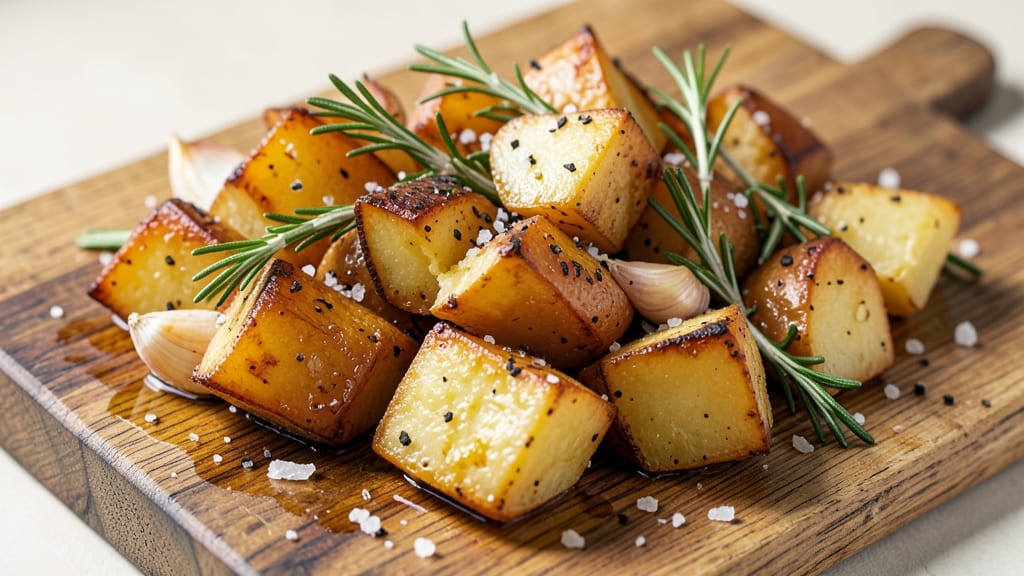
This cubed potato oven recipe delivers restaurant-quality crispy edges without the greasy mess of deep-frying. The secret lies in a precise parboiling technique followed by high-heat roasting—no need for excessive oil or constant flipping.
I perfected this method after years of struggling with soggy or unevenly cooked potatoes, and it now consistently produces golden, buttery crispy cubes that hold their shape.
The process starts with a quick parboil to pre-cook the potatoes, which ensures they finish tender inside while developing that signature crispy exterior. A light toss with olive oil and seasoning before roasting creates just enough moisture to caramelize into flavorful browned edges.
The key is maintaining a consistent oven temperature and using a single baking sheet for even heat circulation—no crowded pans that steam instead of crisp.
By the time they emerge from the oven, your potatoes will be golden brown and crispy on the edges with tender, fluffy centers. The flavor is rich and savory, with just enough oil to enhance their natural taste without overwhelming it.
This method works equally well as a side dish for steak, a hearty addition to salads, or a snackable appetizer when served with dips.
For extra flavor, consider adding minced garlic, fresh herbs, or a sprinkle of parmesan cheese before roasting. The recipe scales easily for crowds, and leftovers reheat beautifully in the oven or air fryer. Here’s how to achieve perfect results every time.
Ingredients for cubed potato oven
Nine essential ingredients transform simple potatoes into crispy, golden perfection with minimal oil.
| Ingredient | Amount | Notes |
|---|---|---|
| Russet Potatoes 🥔 | 2 ½ lb | Unpeeled, cut into 1-inch cubes |
| Extra-Virgin Olive Oil 🫒 | 2 tbsp | Lightly toasted for flavor |
| Diamond Crystal Kosher Salt 🧂 | 1 ½ tsp | Fine grain preferred |
| Freshly Ground Black Pepper 🌶️ | ½ tsp | Cracked peppercorns preferred |
| Garlic Cloves 🧄 | 4 cloves | Minced for even distribution |
| Fresh Rosemary 🌿 | ¼ cup | Finely chopped, stems removed |
| Fresh Thyme 🌿 | ⅛ cup | Leaves only, chopped |
| Parmesan Cheese 🧀 | ¼ cup | Freshly grated, fine texture |
| Distilled White Vinegar 💧 | 1 tbsp | For parboiling water |
| Cold Water 💧 | 4 cups | For ice bath |
The russet potatoes are non-negotiable—their high starch content yields that signature crispy exterior. Buy organic when possible to avoid wax coatings that interfere with browning. Cut them uniformly into 1-inch cubes before parboiling, as even size ensures consistent doneness. For the herbs, Whole Foods or local farmers markets offer the freshest rosemary and thyme, but grocery store bundles work if you use them immediately. The Parmesan adds depth; opt for Parmigiano-Reggiano over pre-grated for authentic flavor. Pre-mincing the garlic saves time during roasting, but keep it separate until the final toss to prevent over-browning.
No fresh rosemary? Dried rosemary at one-third the amount suffices, though fresh delivers superior aroma. Vinegar-free? Lemon juice works equally well for the parboil. Olive oil shortages? Avocado oil maintains crispiness with a neutral profile. The ice bath is crucial—skip it, and your potatoes will steam instead of crisp. For extra flavor, smoked paprika or garlic powder can replace fresh herbs without sacrificing texture. Always use cold water for the ice bath; room-temperature water dilutes the starch and yields soggy results.
Parboiled potatoes keep 2 days in the fridge submerged in cold water to prevent browning. Roasted cubes reheat best at 400°F for 5-7 minutes until crispy again. Portion into airtight containers with parchment between layers to preserve crispness. For meal prep, roast an extra batch—these reheat beautifully as a side dish or salad topping. Store grated Parmesan in a sealed jar with a slice of bread to absorb moisture and last up to 3 months.
Why You'll Love This Recipe
- I swear by this method: just cube those Russets, toss with oil and salt, and let the oven do the work. No peeling, no boiling—just hands-off magic while you handle the rest of dinner.
- No-Fuss Prep: I swear by this method: just cube those Russets, toss with oil and salt, and let the oven do the work. No peeling, no boiling—just hands-off magic while you handle the rest of dinner.
- Crispy-Creamy Magic: That first bite? Crispy edges with a fluffy center, all thanks to the olive oil and kosher salt working their magic. Add minced garlic at the end, and suddenly, you’ve got restaurant-quality flavor without the fuss.
- Meal Prep MVP: Make a big batch ahead of time—these reheat like a dream and turn into a quick lunch or side for days. Honestly, I’ve had them cold in salads, warmed in wraps, and even mashed into a hasty potato hash.
Step-by-step instructions for crispy oven-roasted potatoes
Master this technique for perfectly crispy edges without drowning in oil—every time.
Parboil for Texture Control
Place the 2.5 lb russet potatoes in a large pot and cover with the 4 cups cold water. Add the 1 tbsp distilled white vinegar to prevent browning. Bring to a boil over high heat, then reduce to a simmer for exactly 7 minutes. This partial cooking ensures even cooking in the oven while maintaining structural integrity.
Drain immediately and transfer the potatoes to a large mixing bowl. Here's the thing—this step prevents the centers from becoming gummy while allowing the edges to develop that coveted crispness. The vinegar also keeps the potatoes from turning gray during roasting, preserving their natural color and flavor.
Season and Toss with Herbs
While the potatoes are still hot, drizzle with the 2 tbsp extra-virgin olive oil and toss gently to coat evenly. Sprinkle with the 1.5 tsp diamond crystal kosher salt and 0.5 tsp freshly ground black pepper. Real talk: using hot potatoes helps the seasoning adhere better and prevents clumping.
Add the 0.25 cup finely chopped fresh rosemary and 0.125 cup fresh thyme leaves, tossing again until every potato cube is thoroughly coated. The heat from the potatoes will release the aromatic oils from the herbs, infusing the potatoes with deep herbal notes. Let the mixture sit at room temperature for 10 minutes while you preheat the oven to 425°F.
Roast in Two Batches for Perfect Crispiness
Arrange the seasoned potatoes in a single layer on two rimmed baking sheets, leaving about 1 inch between cubes. This spacing is critical—it prevents steaming and ensures maximum surface contact with dry, hot air. Spread the potatoes evenly, using your hands to create consistent gaps.
Roast for 25 minutes, then carefully flip each potato cube using a metal spatula. Return to the oven and roast another 20-25 minutes until the edges are deep golden brown and crisp to the touch. Your oven might run hot, so start checking at the 20-minute mark. The potatoes should have a paper-thin crispy exterior while remaining tender inside.
Finish with Garlic and Parmesan
Remove the potatoes from the oven and immediately sprinkle with the 4 cloves minced garlic and 0.25 cup freshly grated parmesan cheese. Toss gently to distribute evenly. The residual heat from the potatoes will lightly toast the garlic, adding another layer of flavor without overpowering the herbs.
Let the potatoes rest for 5 minutes before serving. This resting period allows the flavors to meld and prevents the crispy edges from becoming soggy when handled. Serve immediately while still hot, with the crispy edges holding their texture and the centers remaining fluffy and tender.
Pro Tips For Making Cubed Potato Oven
- CUT POTATOES UNIFORM: Grab a knife and a ruler—yes, really. Russets are stubborn, so slice them into ½-inch cubes (no smaller, or they’ll turn to mush). I used to eyeball it, but consistent size means even cooking. Save the scraps for mash or hash if you’re feeling efficient.
- SALT THE POTATOES FIRST: Toss the cubed potatoes with 1 teaspoon of kosher salt before roasting—this seasons the edges while they crisp. I learned this the hard way: dry salt after baking only sticks to the outside. Do it now, then rinse if you’re worried about bitterness (though I’ve never had to).
- ROAST AT 425°F, NOT HIGHER: Your oven’s max temp might tempt you, but 425°F is the sweet spot for crispy edges without burning. I once cranked it to 450°F and ended up with charred cubes and sad garlic. Lower heat = better color, less stress.
- ADD GARLIC LATE: Toss whole garlic cloves (peeled, halved) with the potatoes after 20 minutes of roasting. This prevents them from burning before the potatoes crisp. If you’re impatient like me, smash them lightly so they brown faster—but don’t skip this step entirely.
Storing and reheating this cubed potato oven
Refrigerator Storage
Store leftover cubed potatoes in an airtight container with parchment paper between layers to maintain crispness. They’ll keep for 3-4 days in the fridge, but I recommend reheating within 2 days for peak texture.
The key is to submerge them in cold water for 10 minutes before storing—this prevents browning and keeps them from drying out. 💧
Freezer Prep Tips
For longer storage, freeze potatoes in a single layer on a baking sheet for 1 hour before transferring to a freezer bag. This prevents clumping. They’ll last up to 3 months, but I’ve noticed texture degrades after 2 months—the edges lose some crispness.
Label bags with the date and reheat from frozen at 400°F for 10-12 minutes, flipping halfway. 🧊
Oven Reheating
My go-to method is reheating at 400°F for 5-7 minutes on a wire rack over a baking sheet. This mimics the original roasting process, restoring crispy edges without steaming. Toss with 1 tsp olive oil and a pinch of salt before reheating.
For extra flavor, sprinkle with garlic powder or smoked paprika—it’s like making them fresh again! 🔥
Air Fryer Revival
For a quicker option, use an air fryer at 375°F for 3-4 minutes, shaking the basket halfway. The high heat and airflow recreate that golden crust.
I prefer this method for small batches—it’s faster than the oven and uses less energy. Just avoid overcrowding the basket, or you’ll lose crispness. ✨
Microwave Hack
When I’m in a rush, I cover potatoes with a damp paper towel and microwave at 50% power for 1-2 minutes. This adds just enough moisture to warm through without turning them soggy.
Finish by tossing with 1 tsp butter or olive oil and a pinch of salt for a quick flavor boost. It’s not perfect, but it works in a pinch! 💡
Serving Suggestions
Reheated potatoes shine as a side dish for steak or burgers, or tossed into salads for crunch. For extra flair, top with crumbled bacon or a poached egg—the contrast of textures is next-level.
I also love serving them as a snackable appetizer with sour cream and chive dip for game day. 🍽️
Nutrition facts
Frequently asked questions
Can I use any type of potato for this recipe?
Russet potatoes are ideal because their high starch content creates that perfect crispy exterior. However, Yukon Golds work well too—they’ll be slightly creamier inside but still develop crispy edges. Avoid waxy potatoes like red or fingerlings, as they tend to stay too firm and won’t get as crispy.
Why do my oven-roasted potatoes turn out soggy instead of crispy?
Overcrowding the baking sheet causes steaming instead of crisping. Spread potatoes in a single layer with at least 1 inch between cubes, and roast in batches if needed. Also, skip the ice bath if you want extra crispiness—it removes some surface starch that helps with browning.
Can I make this recipe ahead of time?
Yes! Roast them up to 2 days ahead and store in an airtight container with parchment between layers. For best texture, reheat in the oven at 400°F for 5-7 minutes—this restores crispy edges. Avoid microwaving unless you’re using the damp paper towel hack.
What’s the secret to extra crispy edges?
High heat and proper spacing are key. Roast at 425°F with potatoes spread out, and flip them halfway through cooking. A light toss with olive oil right before roasting helps too—just don’t overdo it, or they’ll turn greasy instead of crispy.
Can I add other seasonings besides garlic and herbs?
Try smoked paprika, Cajun seasoning, or even crushed red pepper flakes for heat. For a cheesy version, sprinkle with Parmesan or cheddar before roasting. Just keep the total oil to 2 tbsp to maintain crispiness.