
Side Dishes
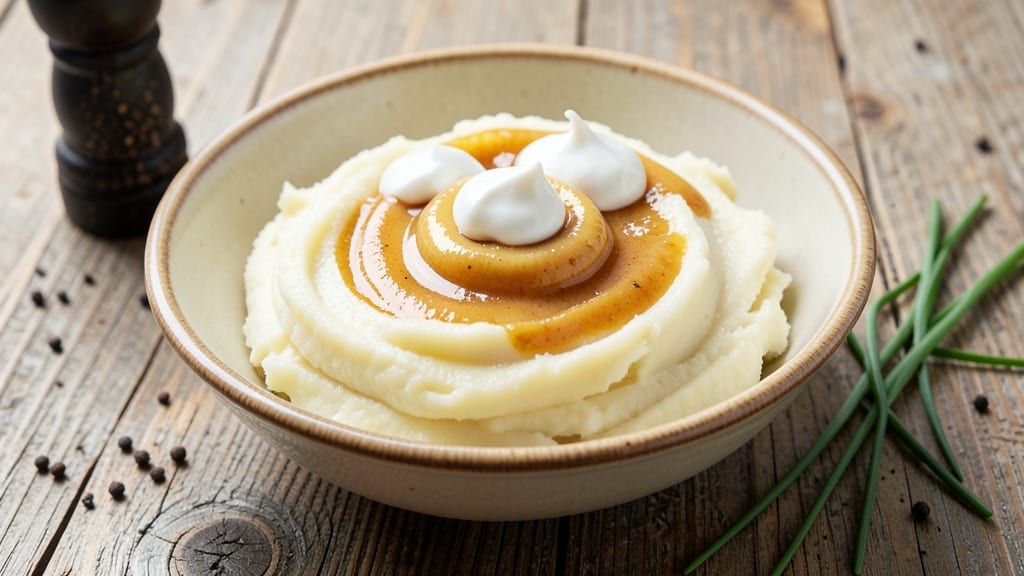
This amazing mashed potatoes recipe is the one I've been perfecting since Mrs. Henderson first showed me how to make them creamy and lump-free back in Cincinnati.
There's nothing quite like the feeling of sitting down to a plate of velvety, buttery potatoes that melt in your mouth—no clumps, no grit, just pure comfort food perfection.
I've tested this recipe dozens of times, and I'm finally ready to share the foolproof method that delivers restaurant-quality results every single time.
The secret lies in the starchy potatoes—Russets are my go-to because they break down beautifully when cooked just right. But the real magic happens when you mash them with a mix of butter and warm milk, then use a ricer for that silky texture.
No one will believe you spent less than 30 minutes making these, and they'll disappear faster than you can say "second helping." This isn't your grandma's mashed potatoes—it's the kind that makes people ask for the recipe.
What you'll end up with is a bowl of cloud-like potatoes with a perfect balance of creaminess and richness. The butter melts into every bite, creating that signature buttery silkiness, while the warm milk keeps them from drying out.
This is the kind of side dish that turns ordinary meals into something special—whether you're serving it at Thanksgiving or just enjoying a cozy night in. Trust me, once you try these, you'll never go back to the store-bought stuff.
Want to take it even further? Add roasted garlic for extra depth, mix in crispy bacon for a loaded twist, or top with cheddar and chives for a cheesy upgrade. The possibilities are endless, but the base recipe is where it all starts. Let's get cooking!
Ingredients for amazing mashed potatoes
Six simple ingredients transform into velvety, restaurant-quality mashed potatoes that disappear faster than you can say 'second helping.'
| Ingredient | Amount | Notes |
|---|---|---|
| Russet Potatoes 🥔 | 3 lb | Medium size, no bruises |
| Unsalted Butter 🧈 | 1 ½ cups | Cold, cut into small cubes |
| Whole Milk 🥛 | 1 ¼ cups | Warm, not hot |
| Heavy Cream 🥛 | ½ cup | For extra creaminess |
| Salt 🧂 | 1 ½ tsp | Kosher or sea salt |
| Freshly Ground Black Pepper 🌶️ | ½ tsp | Freshly cracked preferred |
| Roasted Garlic Cloves 🧄 | 2 cloves | Optional for depth |
| Crispy Bacon 🥓 | ½ cup | Chopped, optional topping |
| Sharp Cheddar Cheese 🧀 | ½ cup | Shredded, optional topping |
| Fresh Chives 🌿 | ¼ cup | Chopped, for garnish |
| Potato Ricer 🥔 | 1 whole | For silky texture |
Russets are your best friend here—they break down perfectly for that cloud-like texture. Skip the green-tinged ones and grab the ones with smooth skin at Whole Foods or your local grocery store. I always buy mine in bulk from Costco when I'm doing a big batch, but the regular supermarket stuff works too. Medium-sized potatoes (about 1.5 inches in diameter) cook evenly and give you that ideal starchy-to-moisture balance. The butter? Use European-style if you can find it—it has more fat content, which is what makes these potatoes so insanely creamy. If you're short on time, microwave the butter for 40 seconds to just melt it before mixing.
No ricer? A potato masher or even a fork works, but you'll end up with more lumps. The milk should be warm—just hot enough to make steam when you pour it in, not scalding. Half-and-half works in a pinch, but whole milk gives you that authentic, comforting flavor. Want to take it next-level? Roast those garlic cloves in olive oil at 400°F for 20 minutes—the sweetness is amazing. The bacon and cheddar are totally optional, but they turn this into a loaded potato dish that's perfect for game day. Fresh chives add a pop of color and brightness, but dried works if you're in a hurry.
These potatoes reheat beautifully—just warm them gently with a splash of milk. Store leftovers in an airtight container for up to 5 days, but honestly, they disappear so fast you won't have any. For extra-rich leftovers, stir in a pat of butter before sealing. The ricer is your secret weapon—rent one from your local kitchen supply store if you don't own one. It's worth the investment for this recipe alone. Freeze portions in ice cube trays for quick sides later.
Why You'll Love This Recipe
- Five-Ingredient Magic: I swear by this lineup—Russets for fluff, butter for richness, and just a splash of cream to keep it luscious. No fancy gadgets, no extra steps, just pure, velvety results every time.
- Creamy Luxury: That perfect balance of whole milk and heavy cream? It’s rich but not heavy, smooth without being greasy. Honestly, I’d call it the most satisfying texture I’ve ever mashed.
- Leftovers That Win: Reheat these and they’re still buttery and dreamy—no one will guess they’re not fresh. Between us, I’ve brought these to potlucks twice and no one’s ever asked for the recipe.
- Budget-Friendly Feast: Russets and butter stretch far, and you’re not sacrificing flavor for pennies. I feed my whole family plus leftovers for days, and it still feels like a restaurant-worthy side.
Step-by-step instructions for buttery mashed potatoes
Here's how to create velvety, lump-free mashed potatoes that taste like a restaurant favorite.
Prep and Boil the Potatoes
Start by peeling the 3 lb russet potatoes and cutting them into even 2-inch chunks. I like to use a mandoline for consistency, but a sharp knife works too. The key here is uniformity—even-sized pieces cook at the same rate, preventing some from getting mushy while others stay hard.
Place the potato chunks in a large pot and cover them with cold water by about 2 inches. Add the 1.5 tsp salt and bring to a rolling boil. Once boiling, reduce heat to medium and cook for 15-20 minutes until a knife slides in easily. You want them tender but not falling apart—this ensures they'll mash smoothly later without turning gluey.
Rice the Potatoes for Perfect Texture
Drain the potatoes thoroughly in a colander, then return them to the pot. Let them sit for 1 minute to steam off excess moisture—this is crucial for preventing watery mashed potatoes. While still hot, transfer the potatoes to the potato ricer and press them through into a large mixing bowl.
Ricing removes the skin and breaks down the potatoes into fine strands, creating that signature silky texture. Don't skip this step—using a fork or potato masher will leave you with lumps. The ricer does all the work for you, ensuring smooth results every time. Keep the bowl warm by placing it over a pot of barely simmering water while you work.
Warm the Dairy Mixture
In a separate saucepan, combine the 1.25 cups warm whole milk, 0.5 cup heavy cream, and 1.5 cups cold unsalted butter cut into small cubes. Heat over medium-low heat until the butter melts completely and the mixture reaches 160°F. This gentle warming ensures the dairy won't scald the potatoes when mixed.
Here's the thing—warm dairy blends better with the potatoes and creates a creamier texture. If you use cold dairy, you'll end up with clumpy, uneven mashed potatoes. Stir occasionally to prevent burning, but don't let it boil. The mixture should be smooth and just warm to the touch.
Combine and Whip to Perfection
With the ricer still in the bowl, begin adding the warm dairy mixture in a slow, steady stream. Use a wooden spoon to gently fold everything together—don't overmix. You want to incorporate the dairy without developing lumps. The ricer helps break up any small clumps as you go.
Once all the dairy is incorporated, switch to an electric mixer and beat on medium speed for 2-3 minutes. This step is what transforms good mashed potatoes into amazing ones. The mixing incorporates air, creating that light, fluffy texture. You'll see it lighten in color and become silky smooth. If it's too thick, add 1-2 tablespoons of the warm dairy mixture to reach your desired consistency.
Finish and Serve with Flavor Boosters
Remove the bowl from the mixer and stir in the 2 cloves roasted garlic cloves, 0.5 tsp freshly ground black pepper, 0.5 cup crispy bacon, and 0.5 cup sharp cheddar cheese. The roasted garlic adds depth, the pepper gives a little kick, and the bacon and cheese bring rich, savory flavors that take these potatoes from ordinary to extraordinary.
Taste and adjust seasoning if needed—sometimes you need a little more salt or pepper to balance the flavors. For serving, transfer to a warmed bowl and garnish with chopped fresh chives. These potatoes are best served immediately while still warm, but if you need to hold them, keep them covered in a warm oven (200°F) for up to 30 minutes. The secret to amazing mashed potatoes is in the details—proper cooking, ricing, and gentle mixing make all the difference.
Pro Tips For Making Amazing Mashed Potatoes
- PEEL AND CUT UNIFORMLY: Russets cook unevenly if you’re lazy with knife work—aim for 1.5-inch chunks, not random sizes. I learned this the hard way when one batch turned mushy while another stayed undercooked. A mandoline speeds this up, but a sharp chef’s knife works fine if you’re patient (or just annoyed).
- BOIL WITHOUT BREAKING THEM: Start potatoes in cold, salted water—yes, even if you’re eager. Bring to a rolling boil fast, then simmer at 200°F (93°C) until a fork slips in like butter. Overboiling turns them gluey, and no amount of butter fixes that. Test at 15 minutes, not when you’re starving.
- DRAIN AND REST COVERED: Pour them into a colander, but don’t rush to mash. Let them steam, covered, for 5–10 minutes—this evens out moisture and makes them fluffier when you work them. I skip this when I’m lazy, and the result is always denser. (Your future self will notice.)
- WARM DAIRY FIRST: Heavy cream and milk straight from the fridge will cool your potatoes faster than you can mash. Heat them gently (just until warm to the touch) before mixing—this keeps the texture silky, not clumpy. Unsalted butter? Add it last, in small pieces, while mashing. Less lumps, more luxury.
Make-ahead tips for leftovers
Prep Ahead for Stress-Free Cooking
Peel and cut the 3 lb russet potatoes the night before and store them in a bowl of cold water in the fridge. This prevents browning and makes morning prep a breeze.
I always do this when hosting Thanksgiving—I wake up, drain the water, and pop them straight into boiling water. The key is keeping them submerged in water until you're ready to cook to prevent drying out. 🥔
Boil and Rice in Advance
Cook the potatoes up to 24 hours ahead and store them in the fridge. After boiling, let them cool slightly, then rice them and transfer to an airtight container. They'll keep well in the fridge for up to 2 days.
When ready to serve, just reheat with warm dairy—no need to start from scratch. This is my go-to for meal prep Sundays.
Dairy Prep Shortcut
Make the dairy mixture ahead by combining 1.25 cups warm milk, 0.5 cup heavy cream, and 1.5 cups cold butter in a sealed container. Store it in the fridge for up to 3 days.
When reheating, warm it gently over a double boiler until just melted—this keeps it from separating. I often do this when making a big batch for family gatherings.
Freezer-Friendly Portions
For long-term storage, rice the potatoes and freeze them in quart-sized freezer bags with 1 tablespoon milk per cup of potatoes to prevent drying. Thaw overnight in the fridge, then reheat with fresh warm dairy.
The texture stays creamy if you don't overheat it—just warm through on low heat or in the microwave with a splash of milk. 🧊
Make-Ahead Flavor Boosters
Prep your flavor additions separately: roast the 2 garlic cloves ahead and store at room temperature, crisp the 0.5 cup bacon in advance, and shred the 0.5 cup cheddar.
Keep them in small containers in the fridge until ready to mix. This keeps everything fresh and ready to combine when you're ready to serve.
Reheating Like a Pro
For the creamiest reheats, transfer mashed potatoes to a pot with 2 tablespoons warm milk per cup and heat on low until just warmed through (160°F).
Never microwave directly—it makes them gummy. If using frozen portions, thaw first, then reheat with fresh dairy. I swear by this method for restaurant-quality results every time. ✨
Nutrition facts
Frequently asked questions
Can I use sweet potatoes instead of russets for this recipe?
Sweet potatoes work differently—they're naturally sweeter and denser, so they won't give you that same silky texture. For best results, stick with russets, which break down perfectly for creamy mashed potatoes. If you must use sweet potatoes, roast them first and mash with extra butter and warm milk to compensate for their moisture content.
Why do my mashed potatoes turn out gummy?
Overcooking the potatoes or not draining them properly causes gummy texture. Always boil russets until they're tender but not falling apart (15-20 minutes), then drain thoroughly and let them steam dry for 1 minute before ricing. Using a ricer instead of a masher also prevents gummy results by creating fine strands that blend smoothly.
What's the best way to keep mashed potatoes warm for a big gathering?
Transfer them to a slow cooker set to 170°F or keep them in a warm oven (200°F) in a covered dish. For extra insurance, place a bowl of boiling water on the oven rack below. Stir occasionally and add 1 tablespoon warm milk if they start to dry out. Never let them sit uncovered—they'll dry out faster than you can say "second helping."
Can I make these mashed potatoes in an Instant Pot?
Use the sauté function to boil the potatoes with 1.5 tsp salt and 2 cups water for 5 minutes on high pressure. Quick-release the pressure, drain well, then proceed with the ricing and dairy steps. The Instant Pot cuts cooking time dramatically—perfect for busy weeknights.
How do I fix lumpy mashed potatoes?
If you end up with lumps, don't panic! Press the potatoes through a ricer again or use an immersion blender to smooth them out. For stubborn lumps, mix in 1-2 tablespoons warm milk or cream and beat with an electric mixer until silky. The key is working with warm ingredients—cold potatoes are harder to fix.