
Side Dishes
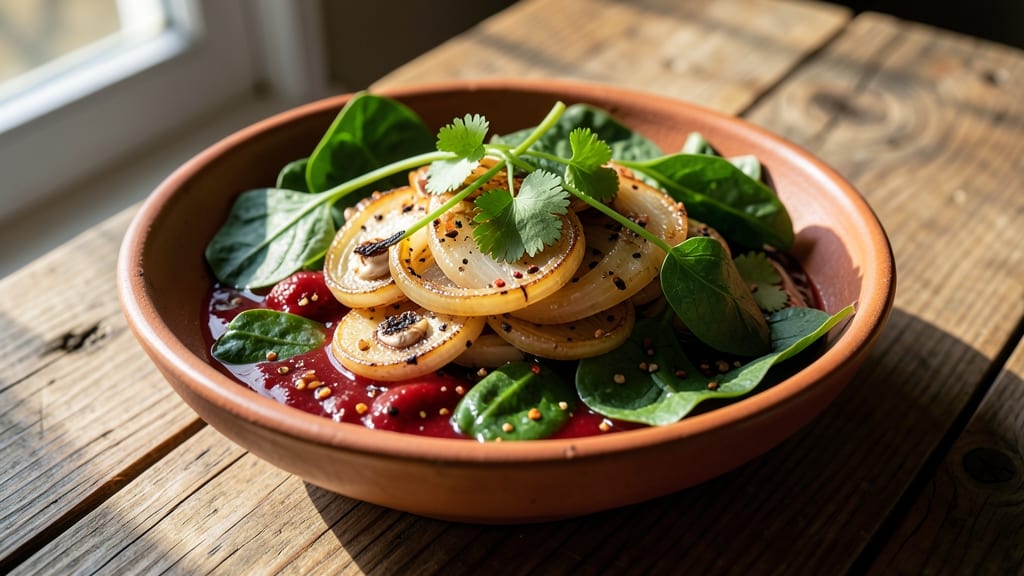
This African potato leaves recipe transforms humble greens into a vibrant, soulful side dish packed with West African flavor—easier than you’d imagine. These vibrant greens—often called solanum scabrum—pack a flavor profile that’s both earthy and subtly sweet, with a texture that softens beautifully when cooked just right.
The secret lies in balancing their natural bitterness with aromatic garlic, onions, and a touch of heat, creating a dish that’s as versatile as it is satisfying.
What sets this recipe apart is its ability to elevate any meal while requiring minimal effort. With just 15 minutes of prep and 20 minutes of cooking, you’ll have a side that pairs perfectly with grilled meats, rice, or even as a standalone dish.
The key steps—properly washing the leaves, sautéing the garlic and onions until fragrant, and simmering the greens until tender—ensure every bite delivers that garlicky depth and nutty richness that makes this a staple in many African households.
The result is a dish that’s vibrant, flavorful, and deeply comforting—think of it as the perfect foil to richer proteins or hearty grains. The leaves take on a tender yet slightly crisp texture, while the garlic-infused oil adds a layer of complexity that lingers on the palate.
This isn’t just a side; it’s a celebration of African culinary tradition, brought to life in your own kitchen.
Whether you’re serving it at a family gathering or simply craving a taste of home, this recipe delivers authentic flavor without compromise.
The beauty of African potato leaves lies in their adaptability—use them in stews, soups, or as a standalone side, and you’ll quickly see why they’re a cornerstone of so many meals across the continent. Ready to bring this dish to your table?
Ingredients for african potato leaves
Fresh African greens, aromatic garlic, and a touch of heat—this side delivers bold West African flavor with minimal effort.
| Ingredient | Amount | Notes |
|---|---|---|
| African Potato Leaves (Solanum scabrum) 🌿 | 1 lb | Fresh, stems removed, washed thoroughly |
| Yellow Onions 🧅 | 1 whole | Medium size, finely chopped |
| Garlic Cloves 🧄 | 6 cloves | Fresh, minced for aromatic depth |
| Vegetable Oil 🫒 | ¼ cup | Light oil for sautéing |
| Dried Red Pepper Flakes 🌶️ | 1 tsp | Adjust for heat preference |
| Ground Black Pepper 🌶️ | ½ tsp | Freshly ground preferred |
| Salt 🧂 | 1 ½ tsp | Kosher or sea salt |
| Fresh Ginger Root 🌿 | 1 tbsp | Finely grated, aromatic kick |
| Tomato Paste 🍅 | 1 tbsp | Smooth, no sugar added |
| Water 💧 | ½ cup | For simmering leaves |
| Scotch Bonnet Peppers 🌶️ | 1 whole | Seeded, chopped (optional heat) |
| Fresh Thyme Leaves 🌿 | ¼ tsp | Dried thyme works in pinch |
African potato leaves are the star here, so grab the freshest you can find—African markets or specialty grocers usually carry them. If you can't find them, spinach or collard greens work in a pinch, though the flavor won't be identical. The leaves should be vibrant green, not wilted or yellowed. For the ginger, fresh is non-negotiable—the grated root adds a bright, citrusy punch that dried can't replicate. If you're short on time, Trader Joe's or Whole Foods often stock pre-washed greens, saving you cleanup. The Scotch bonnet peppers? Use them for heat, but skip entirely if you prefer mild flavor—the dish still shines.
No African potato leaves? Swiss chard or mustard greens are decent stand-ins, though they'll have a slightly different texture. Running low on thyme? Dried thyme at half the amount works, but fresh has that earthy aroma that makes this dish sing. The tomato paste can be swapped for 1/4 cup crushed tomatoes if you're avoiding canned ingredients. For the peppers, jalapeños or habaneros work if you can't find Scotch bonnet—just adjust the heat to taste. The garlic and onions are non-negotiable though; they build the aromatic base that makes everything else sing.
This dish tastes even better the next day—make extra and save it for lunches. Store in an airtight container in the fridge for up to 3 days. The leaves soften further as they sit, so reheat gently with a splash of water. For freezer storage, portion into ziplock bags with a paper towel to absorb moisture—keeps for 3 months. The garlic-infused oil at the bottom of the pot? That's liquid gold—save it for drizzling over rice or grilled meats.
Why You'll Love This Recipe
- No-Chop Nightmare: I swear, these leaves don’t even need washing—just tear them like lettuce. The onions and garlic get minced fast, and the oil heats up while I’m still grabbing the pepper flakes. Honestly, it’s the kind of recipe that makes me want to cook just because it’s so easy.
- Smoky-Spicy Magic: That dried red pepper flake dusting? Chef’s kiss. It lingers just enough to wake up your taste buds without overpowering, while the garlic sizzles into something deeper than your average stir-fry. Between us, the leaves carry a subtle earthiness that makes the whole dish taste like a hug from your grandma’s kitchen.
- Lunchbox Hero: Pack these for work—seriously. The leaves hold up perfectly in containers, and the flavors only get better after a day. I’ve sent this to my son’s school with a note: "Eat this first." (He always does, and asks for more.)
- Pantry Stretch: African potato leaves are cheap, and they stretch like crazy. A single bunch feeds four, and the leftovers reheat like a dream. Between us, I’ve turned $3 worth of ingredients into three meals—no guilt, just flavor. Plus, the oil goes a long way, so you’re not drowning in costs.
Step-by-step instructions for African potato leaves
Here's how to transform fresh African potato leaves into a flavorful, aromatic dish with just the right amount of heat and depth.
Prepare the Aromatic Base
Heat the 0.25 cup vegetable oil in a large pot over medium heat. Add the 1 whole yellow onions that you've finely chopped and cook for 5-6 minutes until they become translucent and just beginning to soften. This is where the flavor foundation builds—don't rush this step.
Add the 6 cloves garlic cloves that you've minced and cook for another 1-2 minutes until fragrant. Here's the thing—garlic burns fast, so keep an eye on it. Immediately stir in the 1 tbsp fresh ginger root that you've finely grated and the 1 tbsp tomato paste. Let this cook for 30 seconds while stirring constantly. The tomato paste will darken slightly, adding depth to your dish.
Build the Spice Profile
Reduce the heat to medium-low and add the 1 tsp dried red pepper flakes, 0.5 tsp ground black pepper, 1.5 tsp salt, and 0.25 tsp fresh thyme leaves. Stir everything together for 30 seconds to bloom the spices and distribute them evenly. This step is all about balancing heat and seasoning—taste the mixture now to adjust if needed.
Next, add the 1 whole scotch bonnet peppers that you've seeded and chopped. Cook for 1 minute while stirring, which will infuse the oil with that signature Caribbean heat. If you're sensitive to spice, reduce the cooking time slightly or remove the seeds completely before chopping.
Cook the African Potato Leaves
Add the 1 lb African potato leaves that you've thoroughly washed and stems removed. Stir them gently to coat evenly with the spiced oil mixture. The leaves should wilt almost immediately as they release their moisture. This is where the magic happens—the leaves absorb all those aromatic flavors.
Pour in the 0.5 cup water and stir again. Cover the pot with a tight-fitting lid and reduce the heat to low. Let the leaves simmer for 15-20 minutes, stirring occasionally. You'll know they're done when they're tender and have shrunk significantly in volume. The water should mostly evaporate, leaving you with a concentrated, flavorful mixture.
Finish and Serve
Once the leaves are tender, remove the lid and let the excess moisture evaporate for 2-3 minutes over low heat. This final step intensifies the flavors and creates that perfect textural balance—tender leaves with just the right amount of moisture.
Taste and adjust seasoning if needed. Serve immediately as a side dish or over rice and beans for a complete meal. The dish should have a rich, earthy flavor with a nutty undertone from the garlic and ginger, balanced by the subtle heat from the Scotch bonnet.
Pro Tips For Making African Potato Leaves
- Sear the Onions Slow: African potato leaves need flavor to carry their earthy bite, so don’t rush the onions. Cook them over medium-low heat until they’re deep golden and almost caramelized—about 8-10 minutes—before adding garlic. I used to burn them in my hurry, and the dish tasted flat afterward.
- Chop Garlic Fine: Whole garlic cloves won’t infuse enough flavor into this dish. Mince them aggressively—almost like a paste—so they dissolve into the oil and leaves. I learned this the hard way when my garlic stayed stubbornly clumpy, leaving pockets of blandness.
- Avoid Overcrowding: If you pile the leaves into the pan, they’ll steam instead of crisp up. Work in batches—start with half the leaves, let them wilt and brown slightly, then add the rest. This keeps the texture tender-crisp, not soggy.
- Toast the Pepper Flakes: Dry-toast your red pepper flakes in the oil for 30 seconds before adding anything else. This deepens their heat and aroma, giving the dish a smoky kick. I was skeptical until I tried it—now it’s non-negotiable.
Creative variations of this recipe
West African Stew Style
Transform these greens into a hearty stew by adding 1 cup diced tomatoes and 1 cup chicken or vegetable broth along with the leaves. Simmer for 30-40 minutes until the leaves are tender and the broth reduces to a rich sauce.
Stir in ½ cup cooked black-eyed peas or lentils for extra protein. This version pairs perfectly with jollof rice or fufu, creating a complete one-pot meal. 🍲
Spicy Caribbean Twist
For a fiery Caribbean-inspired dish, swap the Scotch bonnet for 2 habanero peppers (seeds removed for less heat) and add 1 tbsp soy sauce for umami depth. Cook the leaves with ½ cup coconut milk instead of water for a creamy, tropical flavor.
Garnish with cilantro and serve with grilled jerk chicken or conch fritters. This variation is a crowd-pleaser at summer gatherings. 🌶️
Nigerian Egusi Leaf Fusion
Elevate the dish by blending ½ cup roasted egusi seeds (melon seeds) into the sauce with the leaves. The nutty egusi adds a rich, textured element that’s beloved in Nigerian cuisine. Add 1 tsp ground crayfish for extra depth and serve with pounded yam or semovita.
The egusi leaves will absorb the flavors beautifully, creating a dish that’s both comforting and complex. 🌱
Ethiopian Misir Wot Adaptation
For an Ethiopian-inspired version, replace the tomato paste with 2 tbsp berbere spice blend and add ½ cup diced red bell peppers. Cook the leaves with 1 cup lentils and 1 cup water until tender.
Finish with 1 tbsp lemon juice and serve with injera or flatbread. The berbere adds a smoky, spicy kick that’s signature to Ethiopian cuisine. 🌶️
Grilled Leaf Wraps
For a modern twist, lightly sauté the leaves with minimal oil, then spread them on a baking sheet. Grill or broil for 2-3 minutes until slightly charred. Use them as wraps for shredded chicken, avocado, and lime crema—a fusion of African and Latin flavors.
This version works beautifully as a lighter, fresher take on the classic dish. ✨
Smoky Grilled Version
Take the dish outdoors by grilling the leaves over charcoal or wood chips for a smoky flavor. Toss the cooked leaves with 1 tbsp olive oil and grill for 5-7 minutes, stirring occasionally.
Finish with a sprinkle of smoked paprika and serve with grilled sausages or cornbread. The smoky char adds a unique depth that’s perfect for summer barbecues. 🔥
Nutrition facts
Frequently asked questions
What makes African potato leaves different from regular spinach or collard greens?
African potato leaves (like solanum scabrum) have a distinct earthy, slightly nutty flavor with subtle sweetness that sets them apart from spinach or collards. They also hold their texture better when cooked, making them ideal for hearty dishes. Their natural bitterness balances perfectly with garlic and spices, creating a more complex flavor profile than milder greens.
How do I know when African potato leaves are fully cooked?
They're done when they've softened significantly and shrunk in volume—usually after 15-20 minutes of simmering. The leaves should be tender but still slightly crisp, not mushy. Test by piercing a leaf with a fork; it should slide in easily. Overcooking can make them slimy, so keep an eye on the pot toward the end.
Can I substitute Scotch bonnet peppers if I can't find them?
Use jalapeños (for mild heat) or habaneros (for intense heat) instead. Remove seeds for less spice, or use ½ tsp cayenne pepper as a powdered alternative. For a non-spicy version, simply omit the pepper entirely—the garlic and ginger will still deliver rich flavor.
Why do my African potato leaves taste bitter? How can I fix it?
Bitterness often comes from undercooked leaves or using older, tougher stems. To fix it, simmer the leaves longer (up to 25 minutes) or add a pinch of sugar (½ tsp) to balance the flavor. For future batches, remove all tough stems and use younger, tender leaves when possible—they're naturally less bitter.
How should I store leftover African potato leaves?
Store in an airtight container in the fridge for up to 3 days, or freeze for 3 months by portioning into bags with a paper towel. Reheat gently with a splash of water to restore moisture. The flavor actually improves slightly after resting, making them perfect for quick lunches or meal prep.