
Side Dishes
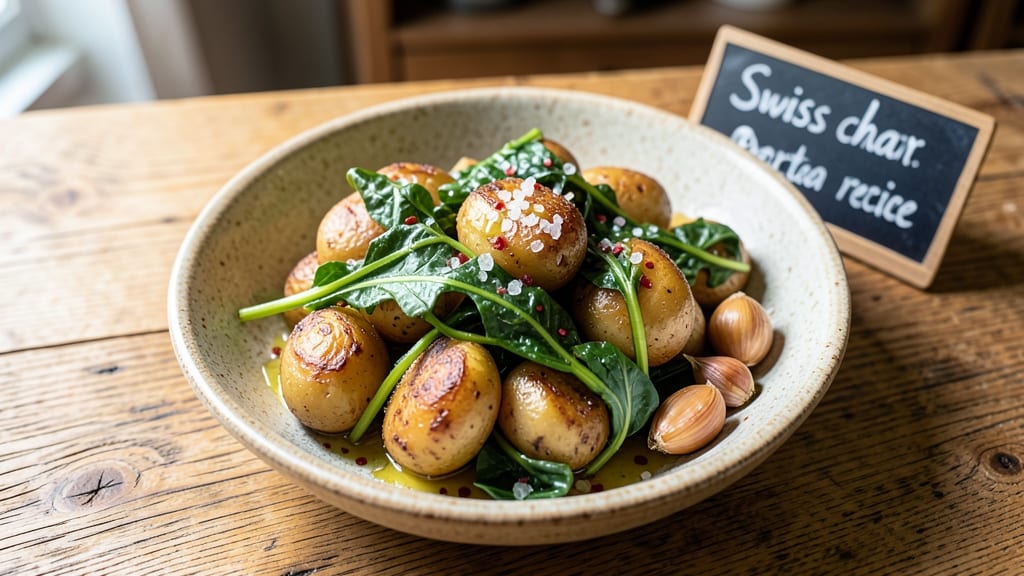
This Swiss chard and potatoes recipe transforms humble ingredients into a restaurant-worthy side dish that balances earthy greens with crispy spuds—all in one pan. The secret lies in high-heat roasting that caramelizes the potatoes while gently wilting the chard, creating a dish that's both hearty and elegant.
I developed this after realizing how often I'd overcook greens or leave potatoes bland, and this method solves both problems at once.
The beauty of this recipe is its simplicity: just five core ingredients and 30 minutes of active time, yet the results are anything but basic. Potatoes develop a golden, crispy crust from the oven's dry heat, while Swiss chard softens into tender, slightly wilted strands.
A touch of garlic and lemon brightens the dish, cutting through the richness without overpowering the natural flavors.
What you'll end up with is a one-pan wonder that's perfect for weeknight dinners or holiday tables—crispy edges on the potatoes, tender greens that cling together, and a savory aroma that fills your kitchen.
The dish holds its shape beautifully when served, making it ideal for plating alongside grilled meats or as a vegetarian main.
This recipe also works as a make-ahead side—the flavors deepen when reheated, and the textures remain impressive. Whether you're feeding a family or hosting dinner guests, this Swiss chard and potato dish delivers professional results with minimal effort. Let's get started!
Ingredients for swiss chard potato
Five ingredients transform into a restaurant-worthy side with crispy potatoes and wilted greens—all in one pan.
| Ingredient | Amount | Notes |
|---|---|---|
| Yukon Gold Potatoes 🥔 | 1 ½ lb | Cut into 1-inch cubes, skin-on for texture |
| Swiss Chard 🌿 | 1 lb | Stems chopped, leaves roughly torn |
| Extra-Virgin Olive Oil 🫒 | 3 tbsp | High-quality, fruity variety for roasting |
| Garlic Cloves 🧄 | 4 cloves | Minced, fresh for optimal flavor |
| Lemon Juice 🍋 | 2 tbsp | Freshly squeezed, for brightness |
| Diamond Crystal Kosher Salt 🧂 | 1 tsp | For seasoning, plus more to taste |
| Freshly Ground Black Pepper 🌶️ | ½ tsp | Coarsely ground for heat |
| Red Pepper Flakes 🔥 | ¼ tsp | Optional, for subtle heat |
| Fresh Thyme Leaves 🌿 | ¼ cup | Chopped, or 1 tsp dried thyme |
The Yukon Gold potatoes are the star here, delivering that coveted crispy crust while staying tender inside. Look for firm, evenly shaped potatoes—the smaller the pieces, the faster they crisp, but don't go smaller than 1-inch cubes or they'll burn. Swiss chard should be vibrant, not wilted, with bright green leaves and crisp stems. Whole Foods or local markets often carry the freshest cuts, though grocery store bags work fine if the leaves are still perky. For the olive oil, California Olive Ranch or Bertolli are reliable choices—avoid the cheap stuff that burns easily. Fresh thyme adds depth, but if you're out, dried thyme at one-third the amount works in a pinch.
No fresh thyme? Dried oregano or marjoram are decent substitutes, though they lack thyme's piney notes. Short on lemon juice? Substitute white wine vinegar at the same amount, but add a pinch of sugar to balance. The red pepper flakes are optional but recommended—they add subtle heat that complements the earthy chard. If you're avoiding heat entirely, skip them and add an extra pinch of salt. For the garlic, pre-minced from a jar is fine in a bind, but fresh minced is always superior. The key to crispy potatoes lies in the high heat: don't overcrowd the pan, and work in batches if needed.
This dish reheats beautifully—just 5 minutes at 375°F restores the crispy edges. Store leftovers in an airtight container for up to 4 days, though the potatoes lose crispness after day 2. For best results, make ahead and reheat before serving. The flavors actually deepen overnight, making this an ideal make-ahead side. Portion into individual containers if serving at a gathering—it holds its shape and textures remarkably well when reheated.
Why You'll Love This Recipe
- One-Pan Magic: I swear by this for lazy nights—just slice the potatoes, stack the chard, drizzle with olive oil, and let the oven do the work. No chopping boards to clean, no extra pots, just that golden, crispy mess waiting for you.
- Lemon-Garlic Kiss: That bright lemon juice cuts through the richness of the potatoes while the garlic cloves caramelize into something ridiculously good. Honestly, the first time I tasted it, I nearly licked the pan.
- Meal Prep MVP: I make double batches on Sundays because it reheats like a dream—crispy edges stay crispy, and the chard softens just enough to be tender. Pack it for lunches or save it for when you’re too tired to cook.
- Budget Booster: Swiss chard is cheap, Yukon Golds are forgiving, and olive oil stretches far. Between us, this feeds four for under $10 and still feels like a fancy dinner. My wallet and taste buds thank me every time.
Step-by-step instructions for Swiss chard and potatoes
This one-pan method delivers perfectly crispy potatoes alongside tender, wilted greens.
Prepare the Potatoes and Seasoning
Preheat your oven to 425°F for optimal crisping. While it heats, cut the 1.5 lb Yukon Gold Potatoes into 1-inch cubes, keeping the skin intact for added texture. Toss the potato cubes in a large mixing bowl with 1 tbsp of the extra-virgin olive oil, 0.5 tsp freshly ground black pepper, 0.25 tsp red pepper flakes, and 0.5 tsp diamond crystal kosher salt. This initial seasoning ensures even flavor distribution before roasting.
Spread the seasoned potatoes in a single layer on a large, rimmed baking sheet. The goal is to create space between each cube—this prevents steaming and guarantees a crispy exterior. If your baking sheet is crowded, work in batches or use two pans. Arrange them in an even layer, leaving about ½ inch between each piece for maximum airflow.
Roast the Potatoes Until Golden
Transfer the baking sheet to the preheated oven and roast the potatoes for 25 minutes, stirring once halfway through the cooking time. This agitation promotes even browning and prevents uneven crisping. After 25 minutes, the potatoes should begin to develop a golden-brown crust—this is your visual cue that they're nearly ready. If they're browning too quickly, tent the pan with aluminum foil to prevent burning while they finish cooking.
Remove the potatoes from the oven and increase the heat to 450°F. Return the potatoes to the oven for an additional 10-15 minutes, or until they reach a deep golden-brown and feel firm to the touch. The high heat at this stage is critical for achieving the crispy texture promised in the title. If you're concerned about overcooking, check them at the 10-minute mark—they should be crispy but still tender when pierced with a fork.
Sauté the Swiss Chard and Garlic
While the potatoes finish roasting, reduce the oven temperature back to 425°F. In a large oven-safe skillet, heat 1 tbsp of the extra-virgin olive oil over medium heat. Add the 4 minced garlic cloves and sauté for 30 seconds until fragrant—this step builds the aromatic foundation of the dish. Immediately add the 1 lb Swiss Chard, starting with the chopped stems first. Sauté for 2-3 minutes, stirring occasionally, until the stems soften slightly and begin to wilt.
Add the 0.25 cup fresh thyme leaves and the remaining 1 tbsp extra-virgin olive oil to the skillet. Stir gently to combine, allowing the thyme to release its earthy aroma. The chard should continue to wilt and soften as it cooks—it should be tender but still vibrant in color. If the skillet becomes too dry, add 1-2 tablespoons of water to steam the greens gently. Remove the skillet from heat and set it aside.
Combine and Finish with Lemon
Carefully transfer the crispy potatoes from the baking sheet to the skillet with the Swiss Chard. Toss everything together gently to coat the potatoes in the wilted greens. Sprinkle the 2 tbsp lemon juice evenly over the mixture, allowing the acidity to brighten the flavors and cut through the richness of the olive oil. Taste and adjust seasoning with additional diamond crystal kosher salt if needed—this step ensures the dish is perfectly balanced.
Return the skillet to the oven and roast for an additional 5-7 minutes at 425°F, or until the chard is fully wilted and the potatoes are heated through. The lemon juice will also help tenderize the greens slightly, creating a harmonious blend of textures. Once everything is heated through and the flavors have melded, remove the skillet from the oven and let it rest for 2-3 minutes before serving. This resting period allows the juices to redistribute, ensuring each bite is moist and flavorful.
Pro Tips For Making Swiss Chard Potato
- PARBOIL POTATOES FIRST: Swiss chard wilts fast and can make your pan soggy if you toss in raw potatoes. Parboil the Yukon Golds for 8-10 minutes until just fork-tender—this ensures they crisp up later without turning to mush when the greens hit the pan.
- TRIM CHARD STEMS THIN: I used to peel the thick stems completely, but here’s what actually works: Slice them lengthwise into thin strips (about 1/8-inch thick) and leave the skin on. They’ll soften faster than peeled stems and add texture without bitterness.
- SALT THE POTATOES EARLY: Add a pinch of salt to the cold water when parboiling—it seasons the potatoes from the start and prevents blandness later. Skip this, and your dish will taste like it’s missing something, even with lemon and garlic.
- SAUTÉ GARLIC LOW AND FAST: After crisping the potatoes, add minced garlic but keep the heat low. It burns in seconds, and once it’s golden, pull the pan off the heat immediately. Overcooked garlic turns bitter, and no one wants that fighting with the lemon’s brightness.
Pro cooking tips for perfect results
High-Heat Roasting
The secret to crispy potatoes lies in two-stage roasting—first at 425°F for 25 minutes, then cranking to 450°F for the final 10-15 minutes. This high-heat finish creates the Maillard reaction that gives your potatoes that irresistible golden crust.
I use a Vremi brand baking sheet because its textured surface helps potatoes crisp even better. Never skip the single-layer arrangement—crowding steams the potatoes instead of browning them. 🔥
Garlic Timing
Sauté the 4 minced garlic cloves for only 30 seconds—any longer and they'll burn, turning bitter. I like to add them to the skillet right when it's hot enough to smell the oil shimmering.
Immediately toss in the Swiss chard stems first—they're thicker and need more time to soften. If your garlic starts to brown too quickly, reduce heat to medium-low and stir constantly. 🧄
Lemon Brightness
The 2 tbsp lemon juice isn't just for flavor—it tenderizes the chard slightly while cutting through the richness. I add it right before combining everything in the skillet, then let the mixture roast briefly to meld flavors.
For extra brightness, zest ½ lemon and sprinkle it over the dish before serving. If you're using bottled lemon juice, look for ReaLemon or Minute Maid Pure for the freshest taste. 🍋
Thyme Substitutes
Fresh thyme is ideal, but if you're short on time, use 1 tsp dried thyme—just add it directly to the potatoes during the initial seasoning. For a different herbal note, try rosemary (use ½ tsp dried) or oregano (use 1 tsp).
I've also had great success with 1 tsp dried marjoram, which adds a slightly sweet, citrusy flavor that pairs beautifully with the lemon. 🌿
Potato Cut Consistency
For even cooking, cut all potatoes to exactly 1-inch cubes—no smaller, or they'll burn before crisping. Use a mandoline slicer if you're uncomfortable with a chef's knife, but measure each piece carefully.
The skin adds texture, so don't peel unless you prefer a smoother bite. I like to use Yukon Golds because their waxy texture holds up perfectly to roasting. 🥔
One-Pan Efficiency
This recipe works best in a 12-inch cast-iron skillet that goes straight from stovetop to oven. If your pan isn't oven-safe, transfer the chard to the baking sheet with the potatoes during the final roasting step.
For extra crispiness, I recommend finishing under the broiler for 1-2 minutes at the very end—just watch closely to avoid burning. The key is keeping everything in one pan to minimize cleanup and maximize flavor transfer. ✨
Nutrition facts
Frequently asked questions
Can I use regular potatoes instead of Yukon Gold?
Yes, but the texture will differ. Russet potatoes will be fluffier inside but less crispy, while red potatoes stay firmer. For best results, stick with Yukon Golds—their waxy texture creates that perfect balance of crispy edges and tender centers. If you must substitute, cut them slightly smaller (¾-inch cubes) to compensate for their different moisture content.
How do I prevent the Swiss chard from getting mushy?
Cook the stems first for 2-3 minutes before adding the leaves, and keep heat at medium—never high. Stir frequently and add 1-2 tbsp water only if completely dry. The key is wilting, not boiling. For extra tenderness, add the lemon juice at the end to brighten flavors without overcooking.
Can I make this dish ahead of time?
Prepare everything up to the final roasting step, then refrigerate in an airtight container for up to 2 days. Reheat at 375°F for 10 minutes—the potatoes will regain some crispness, though not as much as fresh. For best texture, reheat only what you need to serve immediately. Flavors actually improve overnight!
What if I don't have fresh thyme?
Use 1 tsp dried thyme mixed with the potato seasoning, or swap for ½ tsp dried rosemary or 1 tsp oregano. For a citrusy twist, try 1 tsp marjoram—it pairs beautifully with the lemon. If completely out, skip it and add an extra pinch of salt to compensate for the missing herbal depth.
Why do my potatoes turn out soggy instead of crispy?
Overcrowding or uneven heat are the most common culprits. Always arrange potatoes in a single layer with ½-inch space between pieces. For extra crispiness, finish under the broiler for 1-2 minutes at the end. If your oven runs hot, reduce temperature to 400°F and check frequently.