
Side Dishes
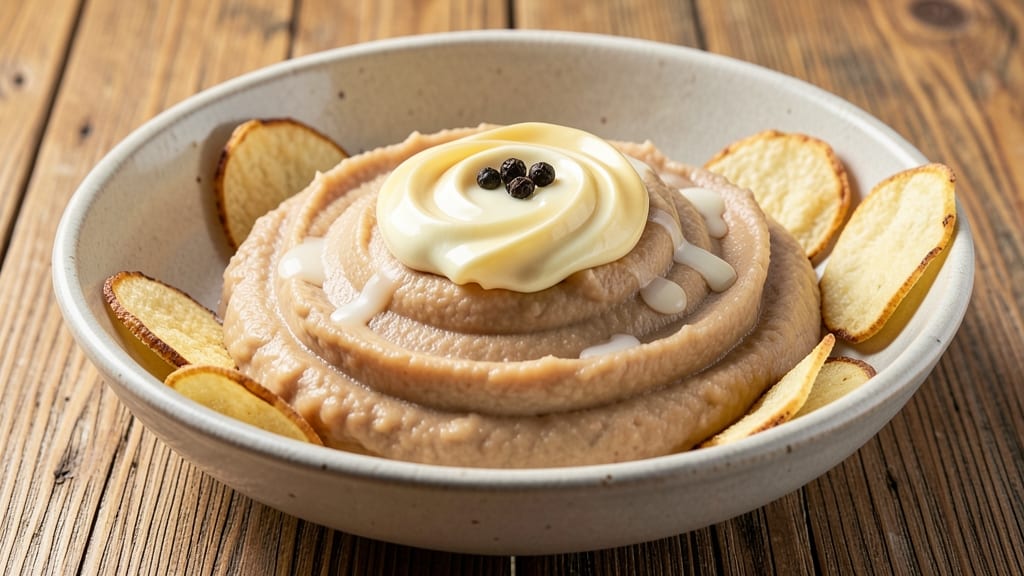
This whipped mashed potatoes recipe transforms starchy tubers into silky, light-as-air clouds that disappear faster than you can say "gravy boat." The secret lies in precise technique—boiling, draining, and whipping at just the right temperature to eliminate lumps while maximizing fluff.
After years of perfecting this method, I can confidently say these potatoes will elevate any holiday table or weeknight dinner.
What sets these apart is the foolproof process that ensures zero lumps while maintaining that signature velvety texture. We start with properly boiled potatoes (never overcooked), then work with hot milk and butter to create a smooth base before whipping to airy perfection.
The result? A mashed potato so light it practically dissolves on your tongue, yet rich enough to stand up to rich gravies and roasted meats.
This recipe delivers restaurant-quality mashed potatoes in under 30 minutes of active time, with minimal ingredients and maximum impact. The key is patience—letting the potatoes dry out slightly after draining prevents gummy texture, while the gradual addition of warm dairy ensures smoothness.
Serve immediately for the ideal creamy consistency or reheat gently to maintain that cloud-like quality.
Perfect for Thanksgiving feasts, Christmas dinners, or any meal where you want to impress without slaving over the stove. Pair with crispy roasted chicken, tender beef, or even as a side for vegetarian mains. The versatility makes it a year-round staple once you master this technique.
Ingredients for whipped mashed potatoes
Six essential ingredients transform humble potatoes into restaurant-quality mashed clouds—no lumps, all fluff.
| Ingredient | Amount | Notes |
|---|---|---|
| Russet Potatoes 🥔 | 3 lbs | Medium-sized, peeled and quartered |
| Unsalted Butter 🧈 | 1 cup | Cold, cut into 1-inch cubes |
| Heavy Whipping Cream 🥛 | 1 cup | Full-fat for maximum fluff |
| Whole Milk 🥛 | ½ cup | Warmed to 160°F |
| Diamond Crystal Kosher Salt 🧂 | 1 ½ tsp | Adjust to taste |
| Freshly Ground Black Pepper 🌶️ | ½ tsp | For subtle seasoning |
| Granulated Garlic Powder 🧄 | ½ tsp | For aromatic depth |
| Fresh Rosemary Sprigs 🌿 | 2 whole | For subtle herbal note |
| Distilled White Vinegar 🍶 | 1 tbsp | Prevents browning during boiling |
The foundation begins with Russet potatoes—their high starch content and low moisture yield the ideal texture. Opt for organic when possible to avoid bitter aftertaste from pesticide residue. Costco or local farm markets consistently offer the largest, firmest tubers. Peel immediately after boiling to prevent discoloration, and quarter evenly for uniform cooking. The vinegar isn't just for acidity—it stabilizes the starch during boiling, creating a smoother purée. For professional results, use a mandoline slicer to achieve perfectly even quarter-inch slices, but a sharp chef's knife works equally well with practice. Store potatoes in a cool, dark place (never the fridge) until ready to cook—they'll keep for up to two weeks in ideal conditions.
Butter quality directly impacts final texture—European-style (like Plugrá) has higher fat content for superior fluff. The heavy whipping cream must be full-fat; reduced-fat versions lack the emulsifying properties needed for airy consistency. Trader Joe's carries excellent organic options at reasonable prices. For dairy substitutions, coconut cream (1:1 ratio) provides richness but alters flavor profile, while Greek yogurt (½ cup) adds tang but requires extra salt. The rosemary should be fresh—dried loses its delicate aroma when rehydrated. If unavailable, substitute with ½ teaspoon dried rosemary (toasted lightly for depth). Pre-warming the milk to 160°F ensures it blends seamlessly without cooling the potatoes too rapidly, which is critical for maintaining that velvety finish.
Freshly prepared mashed potatoes reach peak texture immediately after whipping, so work efficiently. For make-ahead convenience, transfer to an airtight container with parchment paper between layers to prevent sticking—reheats beautifully in a double boiler for 3-5 minutes until creamy. Properly stored in the refrigerator, they maintain quality for up to 3 days, though texture degrades after 24 hours. Freeze in 1-cup portions using silicone molds for single servings; thaw overnight in the fridge before reheating. The salt and pepper should be added gradually during whipping to avoid over-seasoning, as the butter and cream already contribute significant flavor. For holiday gatherings, double the recipe—these disappear faster than you can say "gravy boat."
Why You'll Love This Recipe
- The secret’s in the ratio: equal parts butter and heavy cream, folded in just until the fluff appears. It’s not just mashed potatoes—it’s a cloud of buttery, velvety goodness that makes you forget you’re eating a side dish.
- No-Fuss Potatoes: I swear by Russets—they’re the only kind that hold up to boiling and whipping without turning gummy. Cut ‘em, boil ‘em, drain ‘em, and you’re halfway there. That’s it. No peeling, no fuss, just pure potato magic.
- Creamy Luxury: The secret’s in the ratio: equal parts butter and heavy cream, folded in just until the fluff appears. It’s not just mashed potatoes—it’s a cloud of buttery, velvety goodness that makes you forget you’re eating a side dish.
- Weeknight & Holiday: Same recipe works for Tuesday dinners or Thanksgiving leftovers. Double the batch, reheat with a splash of milk, and nobody’ll know it’s not freshly made. (Between us, my Thanksgiving guests still ask for the recipe.)
Step-by-step instructions for whipped mashed potatoes
This method transforms starchy potatoes into silky, airy clouds with a velvety texture—no lumps in sight.
Boil the Potatoes with Precision
Place the 3 lbs of peeled and quartered russet potatoes in a large pot and cover them completely with cold water. Add the 1 tbsp distilled white vinegar, which prevents the potatoes from browning during cooking. Bring to a boil over high heat, then immediately reduce to a gentle simmer.
Cook the potatoes for 15-20 minutes until they are fork-tender—you should be able to pierce them easily with minimal resistance. Drain them thoroughly in a colander, shaking gently to remove excess moisture. The key here is to eliminate all liquid; any remaining water will dilute your final texture. I like to return the drained potatoes to the pot and give them a quick shake over the sink to ensure they're completely dry before proceeding.
Create the Cream Base
In a separate saucepan, warm the 0.5 cup whole milk over medium heat until it reaches 160°F. This temperature ensures the milk is hot enough to melt the butter completely but not so hot that it curdles. Remove the pan from heat and whisk in the 1 cup unsalted butter, cut into 1-inch cubes. Let the mixture sit for 2-3 minutes until the butter melts completely and the liquid becomes smooth and homogeneous.
This step is crucial for achieving the perfect consistency. The warm milk helps emulsify the butter, creating a stable base that won't separate when mixed with the potatoes. If you rush this step, you risk ending up with greasy, uneven mashed potatoes instead of the velvety texture you're after.
Whip the Potatoes to Perfection
Return the drained potatoes to the pot and place it over low heat. Using a potato masher or ricer, break them down into small, coarse chunks. This texture is essential—it creates more surface area for the cream mixture to cling to, resulting in a smoother final product. Once the potatoes are mostly mashed, remove the pot from heat and let them cool slightly for 2-3 minutes.
Now, add the warm butter-milk mixture to the potatoes. Using a hand mixer or stand mixer fitted with the whisk attachment, beat the combination on medium-high speed for 3-4 minutes. You'll see the mixture transform from chunky to smooth and airy. This is where the magic happens—the whipping action incorporates air, lightening the texture and creating that signature whipped potato consistency. If the mixture looks too thick, add the 1 cup heavy whipping cream gradually until you reach your desired fluffiness.
Season and Finish
Once the potatoes are light and fluffy, stir in the 1.5 tsp diamond crystal kosher salt, 0.5 tsp freshly ground black pepper, and 0.5 tsp granulated garlic powder. Add the 2 whole fresh rosemary sprigs and gently fold them into the mixture. The rosemary adds a subtle herbal note that complements the richness of the butter and cream. Let the mixture sit for 1 minute to allow the flavors to meld together.
For serving, I like to transfer the mashed potatoes to a serving bowl and give them one final fold with a spatula to ensure an even, lump-free texture. The potatoes should be smooth, light, and airy—almost like a cloud you can eat. If you're serving immediately, garnish with additional black pepper and a sprinkle of fresh rosemary leaves for a touch of elegance. This dish holds well for 30-45 minutes at room temperature, making it perfect for family-style gatherings.
Pro Tips For Making Whipped Mashed Potatoes
- Boil Until Fork-Tender: Russets should collapse like overcooked pasta—not slightly firm, not mushy, but just falling apart at the edges when pierced. I learned this the hard way by serving slightly resistant potatoes that tasted dry no matter how much butter I added. Aim for 15-20 minutes after they float, then drain immediately.
- Chill the Potatoes First: Rinse peeled Russets under cold water, then soak in ice water for 10 minutes before boiling. This evens out the starch, so they cook uniformly and don’t turn gluey. (Yes, it’s an extra step, but your mash will actually whip—not gummy—when you add the cream.)
- Salt the Water Hard: Use 2 tablespoons Diamond Crystal kosher salt per gallon of water (that’s way more than you’d think). The potatoes absorb flavor as they cook, and under-salted water means your final mash tastes bland no matter how much you season after. Trust me, your taste buds will notice.
- Work in Stages: Mash the potatoes in batches—first with a ricer or potato masher, then fold in half the warm butter and milk. Let it sit 2 minutes before adding the remaining cream and whipping. This keeps the texture light, not dense. (I used to dump everything in at once and ended up with a sad, heavy paste.)
Creative variations of these flavors
Herb-Infused Variations
Swap the rosemary for fresh thyme or sage to create a classic holiday twist—simmer 2 sprigs of each herb in the warm milk before whisking in the butter. For a garlic-herb version, infuse the butter with 4 minced garlic cloves and 1 tbsp chopped chives while melting.
I love adding 1 tsp lemon zest to the milk for a bright, citrusy note that cuts through the richness. 🌿
Dairy-Free Twists
Replace butter and milk with 1 cup melted coconut oil (for richness) and 1 cup unsweetened almond milk warmed to 160°F. Add 2 tbsp nutritional yeast for a cheesy flavor. For extra fluff, whip in ½ cup coconut cream at the end.
This version works beautifully for vegan diets while maintaining that signature lightness. The texture stays creamy but slightly denser—perfect for those who love their potatoes hearty. 🥥
Global Flavor Profiles
Transform these into Japanese-style mashed potatoes by adding 1 tsp grated ginger and 1 tbsp soy sauce to the warm milk mixture. For a Mexican-inspired version, fold in ½ cup refried beans and ½ tsp cumin after whipping—this adds protein and earthy depth.
My favorite global twist? Indian-style: Sauté 1 tsp garam masala in the butter before adding milk, then finish with ½ tsp turmeric for vibrant color and warmth. 🌎
Protein-Packed Upgrades
Boost nutrition by folding in ½ cup cooked lentils or ½ cup crumbled bacon (for smoky flavor) after whipping. For a cheesy kick, stir in ½ cup sharp cheddar while still warm—it melts smoothly without making the potatoes gummy.
I also love adding 2 tbsp Greek yogurt at the end for tang and extra protein. These upgrades keep the light texture while adding satisfying substance. 💪
Sweet & Savory Fusion
Create a breakfast-worthy version by adding 2 tbsp maple syrup and ½ tsp cinnamon to the warm milk mixture. Top with toasted pecans and a sprinkle of sea salt for a dessert-like side that pairs perfectly with bacon or sausage.
For a savory-sweet twist, fold in 2 tbsp caramelized onions and a pinch of smoked paprika—this adds depth without overpowering the creamy base. 🍯
Spicy Kick Options
Add ½ tsp cayenne pepper or 1 tbsp hot honey to the warm milk for a subtle heat that lingers. For a smoky-spicy version, mix 1 tsp chipotle powder into the butter while melting.
I also love finishing with crushed red pepper flakes and a drizzle of sriracha-infused oil—this adds visual appeal and a slow-building burn. Balance is key: Start with ¼ tsp and adjust to taste. 🌶️
Nutrition facts
Frequently asked questions
Why do my whipped mashed potatoes turn out gummy?
Overcooked potatoes or excess moisture are the usual culprits. Always boil russets until fork-tender (15-20 minutes) and drain thoroughly. Shake the colander vigorously to remove all liquid, then let potatoes sit for 2-3 minutes before mashing. The warm butter-milk mixture should be 160°F to prevent cooling the potatoes too quickly, which causes gumminess.
Can I make this recipe ahead of time?
Freshly made potatoes are best, but you can prep 24 hours ahead by storing in an airtight container with parchment paper between layers. Reheat gently in a double boiler for 3-5 minutes until creamy. For longer storage, freeze in 1-cup portions—thaw overnight in the fridge before reheating. Never microwave frozen potatoes directly, as this creates a gluey texture.
What's the secret to getting them extra fluffy?
The whipping action is everything! Use a stand mixer with a whisk attachment and beat on medium-high for 3-4 minutes until light and airy. For maximum volume, let the potatoes cool slightly after mashing before adding the warm dairy mixture. The heat from the milk helps incorporate air while the cooler potatoes prevent butter separation. Add heavy cream gradually if needed for extra fluff.
Can I substitute regular milk for the warm milk?
Cold milk will cool the potatoes too quickly, creating a dense texture. Always warm the milk to 160°F—this temperature ensures smooth blending without curdling. For best results, use whole milk (2% works but may be slightly less creamy). If you're in a pinch, warm the milk in the microwave for 45 seconds, stirring halfway, then check the temperature with a thermometer.
How do I fix lumps in my whipped potatoes?
Lumps happen when potatoes aren't broken down enough before whipping. First, pass the mixture through a fine-mesh sieve to remove any remaining chunks. For stubborn lumps, press the potatoes through a ricer directly into the warm dairy mixture before whipping. If all else fails, blend briefly with an immersion blender—just don't overdo it, or you'll lose that signature fluffiness.