
Side Dishes
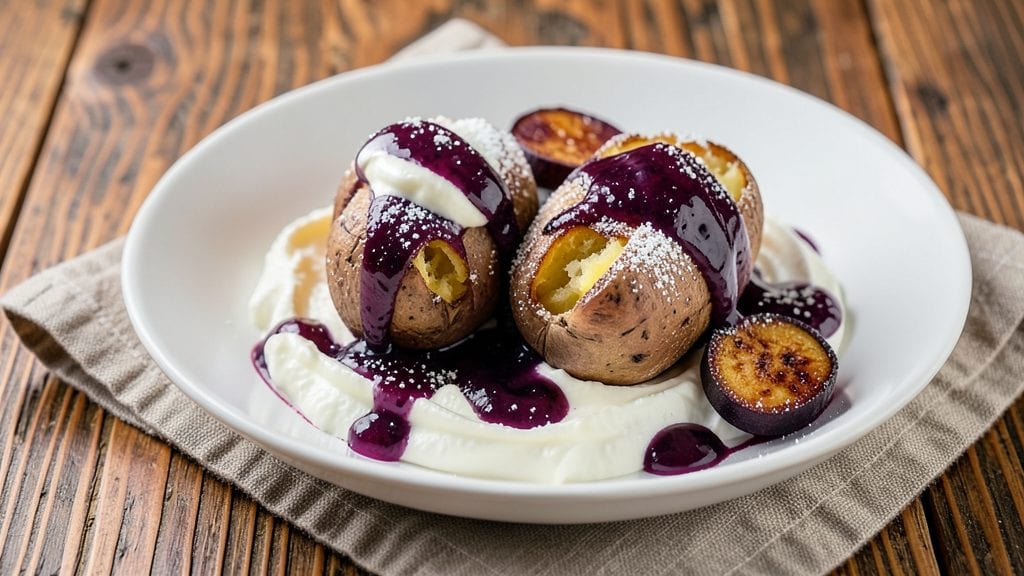
This ube potato recipe transforms humble spuds into a vibrant, velvety mash with a hint of tropical sweetness that’ll make your taste buds sing. The secret lies in blending steamed purple yams with boiled potatoes—creating those signature swirls of purple and cream that look as stunning as they taste.
I developed this after discovering how ube’s natural sweetness elevates a classic side dish, turning it into something special without sacrificing comfort.
The process is straightforward yet precise: boil the potatoes until tender, then blend them with ube puree for that signature purple hue and subtle caramel notes. A touch of butter and cream ensures the texture stays creamy, while a pinch of salt balances the natural sweetness.
This dish bridges Filipino flavors with everyday comfort food, making it perfect for holidays, potlucks, or any night you want to impress.
What you’ll end up with is a mash so rich and visually striking it could pass for a dessert—though it’s pure comfort food. The ube adds a delicate floral sweetness that pairs beautifully with savory main dishes, while the potatoes provide that familiar, satisfying texture.
Serve it as a side or even as a filling for pastries for a truly unique twist.
This recipe works equally well for traditional Filipino gatherings or modern fusion menus. The key is achieving the right balance of ube and potato—too much purple yam, and it loses its hearty appeal; too little, and you miss the magic. Let’s get cooking!
Ingredients for ube potato
Purple swirls and creamy richness. Just these 11 ingredients transform simple potatoes into a showstopper side.
| Ingredient | Amount | Notes |
|---|---|---|
| Russet Potatoes 🥔 | 2 lbs | Peeled, cut into 2-inch chunks |
| Purple Yam (Ube) 🍠 | 1 lb | Fresh, peeled and cubed |
| Unsalted Butter 🧈 | ½ cup | Cold, cubed for blending |
| Heavy Cream 🥛 | ½ cup | Full-fat for creaminess |
| Ube Halaya (Purple Yam Jam) 🍯 | ¼ cup | Store-bought or homemade |
| Granulated Sugar 🍚 | 2 tbsp | Adjust to taste |
| Salt 🧂 | ½ tsp | Kosher or sea salt |
| Vanilla Extract 🍶 | ½ tsp | Pure vanilla preferred |
| Ground Cinnamon 🌿 | ¼ tsp | Optional for warmth |
| Milk 🥛 | ¼ cup | Whole milk for richness |
| Freshly Ground Black Pepper 🌶️ | ¼ tsp | For subtle heat |
The ube is where the magic happens. Fresh purple yam is ideal—you’ll find it at Filipino markets or well-stocked grocery stores like Whole Foods. If you can’t find fresh, ube halaya (jam) works too, but fresh gives you that vibrant color and natural sweetness. For the potatoes, Russets
No ube? Sweet potato puree can mimic the color (though not the flavor), or swap in beet puree at half the amount for a different twist. The ube halaya can be homemade (simmer yam with coconut milk and sugar) or store-bought—Filipino brands like Royal are my go-to. Short on butter? Olive oil or coconut oil works in a pinch, though butter gives that classic richness. The vanilla and cinnamon are optional but worth it—they deepen the sweetness and add warmth. For a lighter version, use half-and-half instead of heavy cream, but trust me on the full-fat version. This mash reheats beautifully—just add a splash of milk to loosen it up. Store leftovers in an airtight container for up to 5 days in the fridge, or freeze portions for up to 3 months. I like to make extra and use it as a filling for pastries or even as a dessert topping. The colors fade slightly when reheated, so if you’re serving it cold, add a fresh dollop of ube halaya on top for that pop. Garnish with a pinch of cinnamon or a drizzle of coconut cream for the full experience.
Why You'll Love This Recipe
- One-Pot Magic: I swear by this recipe—just slice, roast, and swirl. No boiling, no peeling, no fuss. The potatoes caramelize right in the pan while the ube halaya melts into a dreamy glaze.
- Sweet Creamy Bliss: That first bite? Pure comfort. The heavy cream and butter make these potatoes velvety, while the ube halaya adds a floral sweetness that feels like dessert—even though it’s a side dish.
- Weeknight & Holiday: Serve it warm with grilled chicken for a quick weeknight dinner, or pile it high for a potluck where it disappears faster than the deviled eggs. (Yes, even on a Tuesday night.)
- Leftovers That Win: The flavor actually deepens overnight. Reheat with a splash of cream, and it’s like you’re eating fresh—no one will guess it’s from yesterday. My freezer’s full of these, and I’m not complaining.
Step-by-step instructions for ube potato mash
Here's how to create a velvety purple swirl mash that balances earthy potatoes with sweet ube goodness.
Cook the Potatoes and Ube Until Fork-Tender
Place the 2 lbs russet potatoes and 1 lb purple yam (ube) in a large pot and cover with cold water by about 2 inches. Add the 0.5 tsp salt and bring to a boil over high heat. Once boiling, reduce heat to medium and simmer for 15-20 minutes until both potatoes and ube are fork-tender when pierced with a knife.
The potatoes should collapse easily under pressure, and the ube should soften completely. Drain the vegetables thoroughly in a colander, shaking gently to remove excess water. I usually let them drain for 2-3 minutes while I prepare the next step—this prevents a watery mash.
Create the Creamy Ube Base
While the potatoes drain, melt the 0.5 cup unsalted butter in a medium saucepan over medium heat. Stir in the 0.25 cup ube halaya (purple yam jam) and 0.25 cup heavy cream, whisking constantly until smooth and fully combined. Add the 2 tbsp granulated sugar and let the mixture simmer gently for 3-4 minutes until slightly thickened.
Here's the thing—this step ensures that sweet, vibrant ube flavor infuses every bite. The butter and cream create a luxurious base that will blend seamlessly with the potatoes. Keep the heat low to prevent the cream from curdling, and stir frequently to avoid sticking.
Mash and Combine for Perfect Texture
Transfer the drained potatoes and ube to a large mixing bowl. Using a potato masher or ricer, mash until mostly smooth with a few small lumps remaining. This texture gives you that perfect balance between creamy and rustic. Add the warm ube butter mixture, 0.25 cup milk, 0.5 tsp vanilla extract, 0.25 tsp ground cinnamon, and 0.25 tsp freshly ground black pepper.
Fold everything together gently with a wooden spoon until fully incorporated. The mixture should be thick but still spreadable—if it's too stiff, add 1-2 tablespoons of hot milk to loosen it. The purple swirls should be visible throughout, creating that stunning visual contrast with the creamy yellow base.
Adjust Consistency and Serve Warm
Taste and adjust seasoning if needed—you might want to add a touch more sugar or salt to balance the flavors. For the final touch, transfer the mash to a serving bowl and let it sit for 2-3 minutes to thicken slightly. The creaminess will develop fully as it rests, creating that perfect velvety texture.
Serve immediately while warm, perhaps alongside roasted meats or as a decadent side dish. The contrast of earthy potatoes with the sweet, floral ube creates a flavor profile that's both comforting and exciting. Each bite should deliver that luxurious creaminess we promised, with just the right balance of sweet and savory notes.
Pro Tips For Making Ube Potato
- USE COLD POTATOES: Cut the Russets into ½-inch slices before boiling, then refrigerate them for at least 30 minutes. This prevents them from turning mushy later—trust me, I’ve seen it happen when you skip this. Cold potatoes also absorb the ube flavor more evenly.
- STIR THE CREAM: After adding the heavy cream and ube halaya, simmer on low and stir constantly for 3-4 minutes. I used to walk away, and the sauce would split or clump. Keep it moving—it’s the only way to get that silky, velvety texture without lumps.
- SALT THE POTATOES: Toss the sliced Russets with a generous pinch of salt (½ tsp per pound) before boiling. The butter in the final step is unsalted, so you need that early salt to balance the dish. I learned this after tasting bland, buttery potatoes that needed more punch.
- SWAP HALAYA FOR FRESH: If you can’t find ube halaya, blend steamed ube with a splash of milk and a pinch of salt—it’s sweeter and brighter. Store-bought halaya can taste overly processed, and this fresh version makes the whole dish sing. (I know, I know—it’s extra work, but it’s worth it.)
Common mistakes when making perfect results
Overcooking the Potatoes
I’ve seen this happen more times than I can count—potatoes that turn to mush. The key is timing: once your 2 lbs russet potatoes and 1 lb ube are fork-tender (around 15-20 minutes), remove them immediately. Overcooking releases excess starch, which makes the mash gluey.
Test with a knife—it should slide in easily but not fall apart. If you’re unsure, err on the side of undercooking; you can always simmer them a few more minutes later. 🥔
Skipping the Drain
This is a rookie mistake that leads to a watery mash. After boiling, always drain your potatoes and ube thoroughly in a colander for 2-3 minutes.
I’ve learned this the hard way—wet ingredients dilute your butter and cream, turning your luxurious mash into a sad, thin purée. Shake the colander gently to remove excess water, and use a clean kitchen towel to pat them dry if needed.
Uneven Ube Distribution
The magic of this dish lies in those vibrant purple swirls, but they won’t appear if you don’t blend the ube evenly. When mashing, fold in the ube butter mixture gradually while stirring vigorously.
If you dump it all in at once, you’ll end up with pockets of intense ube flavor and bland potato sections. For best results, use a wooden spoon to gently fold, ensuring every bite has that sweet, floral note. 💫
Ignoring the Resting Time
Rushing to serve your mash right after mashing is a common trap. The texture develops as it rests—those 2-3 minutes in the bowl allow the cream and butter to fully emulsify, creating that velvety finish.
I’ve seen home cooks serve it immediately, only to have it turn grainy or separate. Patience here makes all the difference, especially if you’re serving it as a side to a hot main dish.
Using Low-Quality Ube
Not all ube is created equal. If you’re using fresh purple yam, opt for the vibrant, firm varieties—avoid any with soft spots or dull color. For ube halaya, brands like Royal or Filipino Market options deliver the best flavor and color.
Substituting with store-bought jam that’s overly sweet or artificial-tasting will ruin the balance. Taste your ube halaya before using it; if it’s too sweet, reduce the added sugar in the recipe.
Overmixing the Mash
While you want a smooth texture, overmixing turns your mash into glue. Use a potato masher or ricer to break down the potatoes, then fold in the ube mixture gently with a wooden spoon.
Stop when you see those beautiful swirls—no need for perfection. Overworking the mash releases more starch, which can make it gummy. A few small lumps are actually desirable for texture. 💪
Nutrition facts
Frequently asked questions
Can I make this ube mash ahead of time?
This dish reheats beautifully. Store leftovers in an airtight container in the fridge for up to 5 days or freeze for 3 months. To reheat, gently warm with a splash of milk or cream to restore creaminess. The colors may fade slightly when reheated, so add a fresh dollop of ube halaya on top for that vibrant pop.
What if I can't find fresh ube?
No problem! Use ube halaya (purple yam jam) for the same sweet, floral flavor. For color, you can substitute with sweet potato puree (though flavor differs) or beet puree at half the amount. Filipino brands like Royal make excellent ube halaya—just check the sugar content and adjust the recipe's added sugar accordingly.
How can I make this dish less sweet?
Reduce the sugar to 1 tbsp instead of 2 tbsp and use less sweet ube halaya. For extra savory depth, add 1/4 tsp garlic powder or 1/8 tsp smoked paprika to balance the sweetness. The natural sweetness of ube is mild, so you can always adjust to taste after mashing.
Can I use this mash as a dessert filling?
Yes! This creamy ube potato mash makes an incredible filling for pastries, crepes, or even as a pie filling. For best results, chill the mash for 1 hour before using to thicken slightly. Pair with vanilla custard or coconut cream for a tropical twist. Just be aware it's still a side dish at heart—expect a sweet, earthy flavor rather than pure ube halaya intensity.
Why does my mash look too pale?
Pale color usually means insufficient ube flavor. Ensure you're using enough ube halaya (at least 1/4 cup) and that your fresh ube is vibrant purple. For extra color, add 1 tsp of food coloring (purple or blue) if needed. The creaminess might also dilute the color—reduce milk by 2 tbsp if the texture is too thin.