
Side Dishes
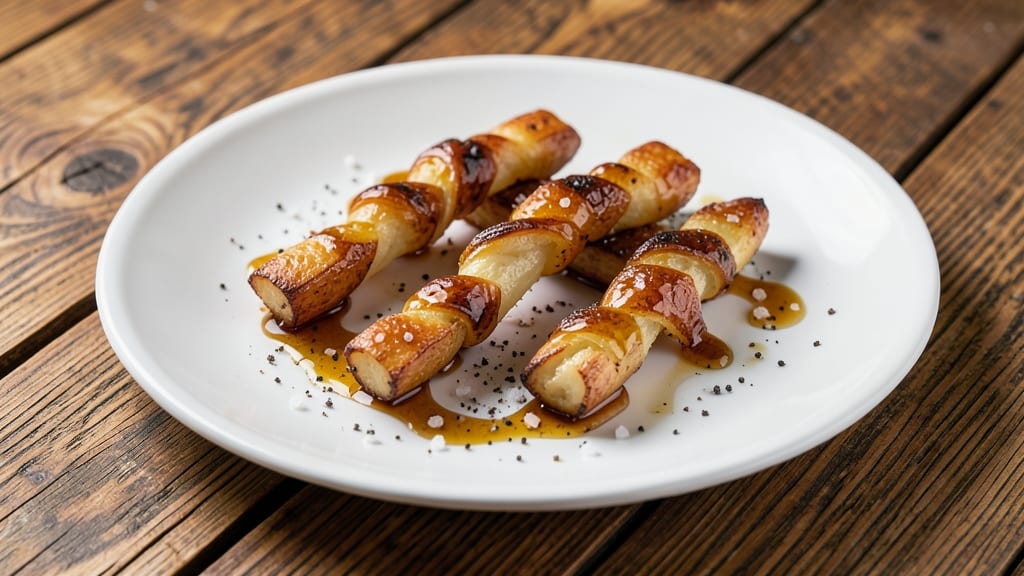
This twisted potatoes recipe transforms ordinary spuds into a showstopping side with crisp vinegar-kissed edges and impossibly juicy pink centers—proof that presentation matters just as much as flavor.
The secret lies in spiral-cutting the potatoes (no mandoline required) and baking them until golden, then finishing with a tangy vinegar glaze that seals in moisture while adding a bright, almost sweet contrast.
I developed this technique after years of perfecting restaurant-worthy potato dishes, and it’s become a staple at my dinner table—especially when paired with grilled meats or rich sauces.
The method is simpler than it looks: boil the potatoes until tender but firm, then twist them into elegant spirals with a sharp knife or even a skewer for a rustic touch.
A light coating of olive oil and salt ensures crisp edges, while the vinegar glaze—just apple cider vinegar, honey, and a pinch of salt—adds that signature tang. The result? Potatoes that look like they belong on a fine-dining plate but take less than 45 minutes to prepare, with minimal cleanup.
What makes these potatoes truly special is the juicy pink centers—achieved by boiling them just until fork-tender, not mushy. The vinegar glaze doesn’t just add flavor; it creates a glossy finish that makes the spirals glisten under the light, turning an everyday side into a centerpiece.
Serve them alongside steak, roasted chicken, or even as a vegetarian main with a drizzle of garlic aioli. Trust me, your guests will ask for the recipe before dessert.
This recipe is foolproof for beginners but impressive enough for hosts, and the technique scales perfectly for crowds. The key is patience—don’t rush the boiling or baking, and let the vinegar glaze sit for a few minutes before serving to let the flavors meld.
Once you try these twisted potatoes, you’ll never serve plain roasted spuds again. Let’s get cooking!
Ingredients for twisted potatoes
Eight simple ingredients transform ordinary potatoes into restaurant-worthy spirals with crisp edges and juicy pink centers.
| Ingredient | Amount | Notes |
|---|---|---|
| Russet Potatoes 🥔 | 2 lbs | Medium size, peeled and quartered |
| Extra-Virgin Olive Oil 🫒 | ¼ cup | Light coating for crisp edges |
| Apple Cider Vinegar 🍎 | ¼ cup | For tangy glaze finish |
| Honey 🍯 | 2 tbsp | Raw preferred for natural sweetness |
| Sea Salt 🧂 | 1 ½ tsp | Kosher preferred for even coating |
| Black Pepper 🌶️ | ½ tsp | Freshly cracked for aroma |
| Garlic Powder 🧄 | ¼ tsp | Optional for subtle depth |
| Fresh Rosemary 🌿 | 1 tbsp | Chopped, for aromatic touch |
| Fresh Thyme 🌿 | 1 tbsp | Chopped, for herbal brightness |
Russet potatoes are non-negotiable here—their high starch content ensures crisp edges while maintaining juicy centers. Buy organic when possible to avoid thin skins that peel unevenly. For the best results, select potatoes that are firm and free of sprouts, ideally from a local farmers market or the organic section of Whole Foods. The vinegar glaze requires apple cider vinegar for its mild sweetness and depth—avoid white vinegar, which can taste harsh. Fresh herbs like rosemary and thyme elevate the dish subtly but significantly; Trader Joe's sells affordable bundles that keep well in the freezer.
No apple cider vinegar? White balsamic vinegar works in a pinch, though it adds a slightly sweeter note. Substitute honey with maple syrup for a similar viscosity, though the flavor profile shifts slightly. For those avoiding garlic powder, fresh minced garlic (1/4 tsp) adds depth without overpowering. The olive oil should be extra-virgin for its fruity notes—don't skimp here. If you're serving a crowd, double the vinegar glaze ingredients and keep them warm in a small saucepan. For a spicier kick, add a pinch of cayenne pepper to the glaze.
Store peeled potatoes in cold water in the fridge for up to 2 days to prevent browning. The vinegar glaze keeps for 1 week in an airtight container, though it's best used fresh. For meal prep, bake the spirals ahead and reheat at 400°F for 10 minutes—just add the glaze before serving. These potatoes reheat beautifully, making them ideal for potlucks or family gatherings. Leftovers? Toss them with a bit of butter and parsley for a simple potato salad.
Why You'll Love This Recipe
- No-Fuss Twisting: These potatoes take five minutes to prep—just slice, twist, and roast. No peeling, no fuss, no excuses. The vinegar and honey glaze clings perfectly to those little ridges, so every bite gets that tangy-sweet punch.
- Sweet-Savory Magic: That honey and apple cider vinegar combo? It’s like a grown-up caramel dip for potatoes. The salt deepens the flavor without overpowering, and the olive oil keeps them crispy outside, creamy inside—honestly, I’ll take this over mashed potatoes any day.
- Meal Prep MVP: Make a big batch on Sunday, and you’ve got snackable sides for the week. They reheat beautifully (yes, even the crispy bits) and pair with everything—grilled chicken, sandwiches, or straight from the pan with a sprinkle of flaky salt.
- Pantry Powerhouse: Russets are cheap, and the other ingredients? You’re probably already using them. No specialty items, no last-minute grocery runs. Plus, leftovers taste just as good cold the next day—perfect for packing lunches or feeding a crowd without breaking the bank.
Step-by-step instructions for vinegar-kissed crisp with juicy pink centers
Here's how to achieve that perfect balance of crispy edges and tender interiors with this signature technique.
Prepare and Twist the Potatoes
Begin by peeling the 2 lbs of russet potatoes and cutting them into 1½-inch thick sticks. The thicker the sticks, the more dramatic the twist and the juicier the center. Arrange the sticks on a clean work surface and gently twist each one about 180 degrees—this creates those signature "twisted" shapes while preventing them from curling up during cooking.
Place the twisted potatoes in a large bowl and toss them with the 0.25 cup of extra-virgin olive oil until they're evenly coated. This light oil layer is essential for creating crispy edges while keeping the centers tender. I like to use my hands for this step to ensure every surface gets coated, but a silicone spatula works too if you prefer not to touch the food.
Season and Arrange for Roasting
In a separate small bowl, combine the 1.5 tsp of sea salt, 0.5 tsp of black pepper, 0.25 tsp of garlic powder, 1 tbsp of chopped fresh rosemary, and 1 tbsp of chopped fresh thyme. Sprinkle this seasoning blend evenly over the oiled potatoes, tossing gently to distribute it completely. The herbs will infuse the oil as they roast, adding aromatic depth to each bite.
Arrange the seasoned potatoes on a single layer on a rimmed baking sheet, leaving about ½-inch space between each piece. This spacing ensures even browning and crisping rather than steaming. For maximum crispiness, I recommend using two baking sheets if your oven can accommodate them—this prevents overcrowding which can lead to soggy potatoes.
Roast Until Golden and Tender
Preheat your oven to 425°F. Place the baking sheet with potatoes on the middle rack and roast for 30 minutes. After 30 minutes, carefully flip each potato stick using tongs—this ensures even browning on all sides. Return to the oven and continue roasting for another 20-25 minutes until the edges are deep golden brown and the potatoes are tender when pierced with a fork.
Here's the key: the potatoes should have crispy, caramelized edges with a vibrant pink center that's still slightly firm to the touch. If they're browning too quickly, tent the baking sheet with aluminum foil to prevent burning while they finish cooking. The high heat is what creates that perfect contrast between crispy exterior and juicy interior.
Glaze with Vinegar and Honey
While the potatoes are still hot, remove them from the oven and transfer to a large bowl. In a small saucepan over medium heat, combine the 0.25 cup of apple cider vinegar and 2 tbsp of honey. Simmer for 2-3 minutes until the mixture begins to thicken slightly and becomes slightly translucent.
Pour this warm vinegar-honey glaze over the roasted potatoes and toss gently to coat them evenly. The acidity in the vinegar will brighten the flavors while the honey adds a subtle sweetness that balances the crispy edges. Let the potatoes sit for 2-3 minutes to absorb the glaze completely before serving. This final step is what gives these potatoes their signature tangy finish while maintaining that perfect texture contrast.
Serve Immediately for Maximum Crispiness
Transfer the glazed potatoes to a serving platter and serve immediately while they're still crispy. The contrast between the crispy golden edges and the juicy pink centers is what makes these potatoes so special. I like to serve them as a side dish with grilled meats or as a vegetarian main course with a fresh green salad.
For best results, eat them right away—they lose their crispiness as they cool. If you need to hold them for a few minutes before serving, keep them warm in a 200°F oven while you finish preparing the rest of your meal. The secret to these twisted potatoes lies in the precise timing and the balance of textures, so don't rush this final step—let the flavors meld and the glaze set before serving.
Pro Tips For Making Twisted Potatoes
- Parboil First: Russets are stubborn—skip this, and your potatoes won’t twist properly. Boil them whole in salted water for 8 minutes (yes, with skins on), then shock in ice water. The starch loosens, and they’ll hold their shape when you twist them later.
- Twist While Warm: Cold potatoes snap like twigs. After parboiling, let them sit in the ice bath for 2 minutes—just enough to handle them, not turn them mushy. Twist immediately; the residual heat helps the spiral tighten.
- Salt the Vinegar: Tossing raw potatoes with apple cider vinegar first? Add a pinch of salt to it. The acid needs help breaking down the starches, and the salt balances the sharpness before the honey hits. (I learned this after a batch tasted sour.)
- Roast in Batches: Overcrowding steams them instead of crisping. Use two sheets at once—spread potatoes in a single layer, no overlapping. If your oven’s small, roast one tray at 425°F (220°C) for 25 minutes, then swap with the second. Less fuss, same crunch.
Best sauces and condiments for these flavors
Vinegar-Honey Glaze
The star of these twisted potatoes is the vinegar-honey glaze, a simple yet transformative finish that balances the crispy edges with a bright, tangy sweetness. I use apple cider vinegar for its mild sweetness and depth, simmered with raw honey to create a glossy, slightly syrupy coating.
This glaze not only enhances flavor but also adds a professional-looking sheen that makes your dish look restaurant-worthy. 🍯
Garlic Aioli Dip
For a creamy contrast, serve these potatoes with a garlic aioli made from ½ cup mayonnaise, 1 tbsp lemon juice, 1 minced garlic clove, and ½ tsp salt. Whisk everything together until smooth and serve in a small bowl for dipping.
The cool, creamy texture of the aioli cuts through the crispy edges beautifully, while the garlic complements the herbs in the potatoes. I like to add a pinch of smoked paprika for extra depth. 🧄
Herbed Butter Sauce
Another fantastic pairing is a herbed butter sauce that lets the flavors of the potatoes shine. Melt ¼ cup softened butter with 1 tbsp chopped fresh parsley, ½ tsp garlic powder, and a pinch of sea salt in a small saucepan.
Drizzle this warm, aromatic butter over the potatoes just before serving. The butter enhances the crispy edges while adding a rich, herby note that ties everything together. 🌿
Spicy Yogurt Sauce
If you want a tangy, cooling contrast, try a spicy yogurt sauce made with ½ cup Greek yogurt, 1 tsp lemon juice, ½ tsp honey, and a pinch of red pepper flakes. Mix everything together and serve on the side.
The yogurt’s creaminess balances the crispy texture, while the lemon and chili add a refreshing kick. This sauce is especially great if you’re serving the potatoes as a vegetarian main. 🌶️
Chimichurri Garnish
For a fresh, herbaceous finish, top the potatoes with a chimichurri made from ½ cup chopped parsley, 2 tbsp chopped cilantro, 2 tbsp olive oil, 1 tbsp red wine vinegar, 1 minced garlic clove, and ½ tsp salt.
Pulse everything in a food processor until just combined, then drizzle over the potatoes. The bright, herby flavors of chimichurri elevate the dish without overpowering it. 🌿
Balsamic Reduction
For a more sophisticated touch, prepare a balsamic reduction by simmering ¼ cup balsamic vinegar in a small saucepan until it reduces to about 2 tbsp. Drizzle this glossy, tangy reduction over the potatoes just before serving.
The deep, caramelized flavor of the balsamic adds a layer of complexity that pairs perfectly with the crispy edges and juicy centers. 🍷
Nutrition facts
Frequently asked questions
Can I make these twisted potatoes ahead of time?
Bake the potatoes up to 2 days ahead and store them in an airtight container at room temperature. Reheat in a 400°F oven for 10 minutes to restore crispiness, then add the vinegar glaze fresh. The texture won't be as perfect as day-of, but it's still delicious. For longer storage, freeze the baked (unglazed) potatoes for up to 1 month—just thaw overnight in the fridge before reheating.
What's the best way to twist the potatoes without a mandoline?
No fancy tools needed! Use a sharp chef's knife to cut the potatoes into 1½-inch sticks, then twist each one gently with your hands or a wooden skewer. For extra drama, wrap each stick around a ¼-inch skewer before roasting—just remove before serving. The key is to twist them 180 degrees so they hold their shape while cooking.
Why do my twisted potatoes turn out mushy instead of crispy?
Overcooking is the #1 culprit! Remove the potatoes when they're golden brown with slightly firm centers—they'll continue cooking off the heat. Also ensure proper spacing on the baking sheet (at least ½-inch apart) and use two sheets if needed. For extra crispiness, try tossing them with 1 tbsp cornstarch before roasting to create a starchy barrier.
Can I use sweet potatoes instead of russets?
Yes, but expect different results! Sweet potatoes will be naturally sweeter and softer inside, with less crispy edges. For best texture, reduce the roasting time by 5-10 minutes and increase the vinegar in the glaze to 3 tbsp to balance the sweetness. The twisting technique works the same way—just be gentle with the knife as sweet potatoes are more delicate.
How do I make these potatoes vegetarian-friendly?
These potatoes are already vegetarian! For a complete plant-based meal, serve them with a chimichurri or spicy yogurt sauce and pair with grilled portobello mushrooms or a hearty lentil stew. The vinegar glaze and herby seasoning shine in vegetarian dishes—just add extra fresh herbs like parsley or dill to brighten the plate.