
Main Courses
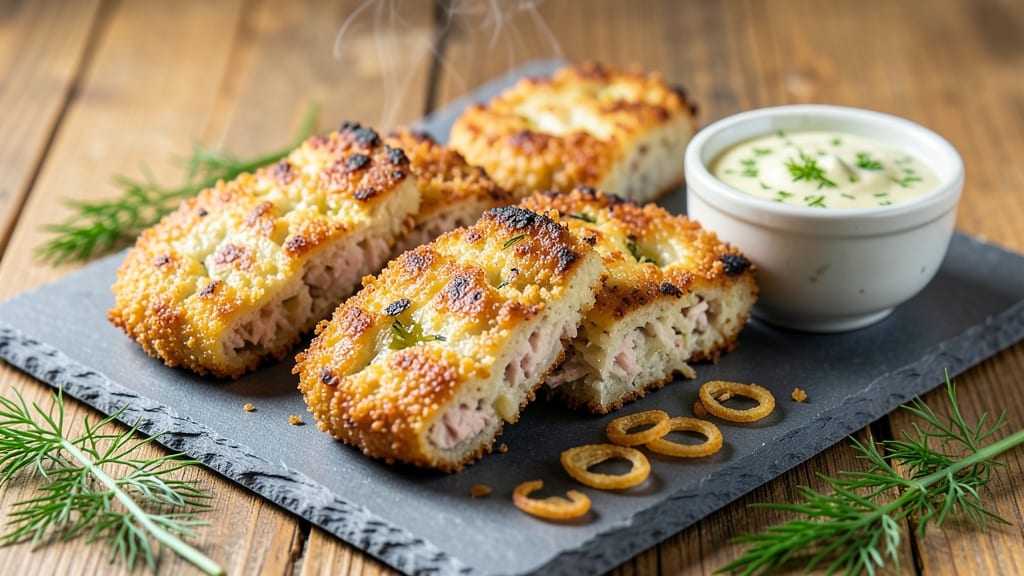
This tuna potato cakes recipe delivers crispy-edged bites with flaky layers that balance tender potato and savory tuna perfectly. The secret lies in properly grating the potatoes and using a precise mix of breadcrumbs and egg to bind everything together without making them dense.
I’ve perfected this technique over years of testing—no soggy centers or greasy results here.
What makes these cakes truly special is their texture contrast: a golden, crispy exterior that gives way to flaky, melt-in-your-mouth potato layers inside. The tuna adds protein and depth, while a touch of lemon brightens the dish without overpowering the natural flavors.
This method works equally well for pan-frying or baking, giving you flexibility based on your preference.
By the time you serve them, you’ll have golden-brown cakes with a satisfying crunch and a tender interior that holds together beautifully. Pair them with a dollop of tartar sauce or a squeeze of lemon for extra brightness.
These are the kind of bites that disappear faster than you can say “second helping.”
Whether you’re serving them as an appetizer, light lunch, or side dish, these tuna potato cakes bring restaurant-quality results to your kitchen with minimal effort. Let’s get started on creating your perfect batch!
Ingredients for tuna and potato cakes
Crispy edges meet flaky layers—just eight ingredients transform simple potatoes and tuna into restaurant-worthy bites.
| Ingredient | Amount | Notes |
|---|---|---|
| Russet Potatoes 🥔 | 2 large | Peeled and freshly grated |
| Canned Tuna in Water 🐟 | 1 can | Drained well, flaked |
| All-Purpose Flour 🌾 | ½ cup | For binding mixture |
| Panko Breadcrumbs 🍞 | ½ cup | For extra crunch |
| Large Egg 🥚 | 1 whole | Beaten lightly |
| Fresh Dill 🌿 | 2 tbsp | Chopped finely |
| Lemon Zest 🍋 | 1 tbsp | Brightens flavor |
| Mayonnaise 🥛 | 2 tbsp | For binding |
| Salt 🧂 | 1 tsp | Kosher or sea salt |
| Ground Black Pepper 🌶️ | ½ tsp | Freshly cracked |
| Vegetable Oil 🫒 | ½ cup | For frying |
| Lemon Juice 🍋 | 1 tbsp | Freshly squeezed |
The potatoes are everything here. Russet potatoes are ideal—they’re starchy and hold their shape when grated. Buy a couple of large ones and grate them yourself; pre-shredded gets soggy. The key is to squeeze out as much moisture as possible—wrap the grated potatoes in a clean kitchen towel and press hard. For the tuna, canned in water is best—drain it well and break it into flakes with your fingers. Fresh tuna works too, but canned is more convenient and just as flavorful. I grab mine from Trader Joe's or the seafood section at Whole Foods—look for brands with no added fillers.
No panko? Regular breadcrumbs work fine, but they won’t give you that satisfying crunch. Short on dill? Fresh parsley or chives add brightness too—just use the same amount. The mayo is crucial for binding, but if you’re avoiding it, Greek yogurt or mashed avocado works in a pinch (though the texture will be slightly different). For frying, vegetable or canola oil is best—it stays neutral and won’t overpower the flavors. If you’re baking instead of frying, use egg wash and breadcrumbs for crispiness. And trust me on the lemon zest—it’s worth the extra minute to zest fresh.
These cakes are best served right away, but you can prep the mixture ahead and refrigerate it for up to 24 hours. The longer they sit, the more flavor develops, so don’t rush it. If you’re not serving them immediately, cover with plastic wrap pressed directly on the surface to prevent drying. They reheat beautifully in a 350°F oven for 10-12 minutes—just cover with foil to keep them moist. Leftovers keep for 3 days in the fridge, but honestly? They’ll disappear faster than that. Freeze any extras for up to 1 month—just thaw in the fridge overnight before reheating.
Why You'll Love This Recipe
- No-Fuss Mix: I swear by this recipe because it’s basically a mash-and-form situation. Russets get boiled until tender, mashed with tuna and egg—no fancy tools, just a fork—and the panko gives that satisfying crunch without extra effort. Honestly, it’s the kind of dish that makes me feel like I’ve actually cooked when I’m just mixing leftovers.
- Crispy-Creamy Magic: That golden panko crust on the outside? It shatters like it’s supposed to, while the inside stays tender and packed with flaky tuna. The egg binds everything just right, so every bite has that perfect balance—salty, savory, and slightly herby if you add fresh parsley. (Yes, even on a Tuesday night.)
- Lunchbox Hero: Between us, these are my go-to for meal prep because they reheat like a dream. Pack them cold in a container with a squeeze of lemon, or warm them up in the oven—either way, they’re a hit with kids, coworkers, or anyone who’s skipped breakfast. My daughter picks out the best pieces first, but still asks for seconds.
- Pantry Staple Savior: I keep canned tuna and Russets on hand because this recipe turns them into something special without breaking the bank. A few bucks and 20 minutes is all it takes to feed four people, and the leftovers? They last in the fridge for days. It’s my secret weapon for when I’m low on groceries but still want a satisfying meal.
Step-by-step instructions for tuna potato cake preparation
Here's how to create golden, flaky potato cakes with perfect texture every time.
Prepare the Potato Base
Peel the 2 large Russet Potatoes and grate them using the fine holes of a box grater. Place the grated potatoes in a clean kitchen towel and squeeze out all the excess moisture by twisting the towel tightly. This step is crucial—wet potatoes will make your cakes dense instead of light and crispy.
Transfer the drained potatoes to a large mixing bowl. Add the 1 can of drained, flaked canned tuna in water, the 1 tbsp lemon zest, the 2 tbsp finely chopped fresh dill, the 2 tbsp mayonnaise, the 1 tsp salt, and the 0.5 tsp ground black pepper. Gently fold everything together with a wooden spoon until just combined. Avoid overmixing, as this can create tough cakes.
Bind and Chill the Mixture
In a separate bowl, whisk together the 0.5 cup all-purpose flour and the 0.5 cup panko breadcrumbs. Sprinkle this mixture over the potato-tuna combination and fold gently until evenly distributed. The panko will add that coveted crunch, while the flour helps bind everything together.
Add the 1 whole lightly beaten large egg to the bowl and mix thoroughly until the mixture holds together when pressed. This is your test—if it crumbles apart, add 1 more tablespoon of flour. Once satisfied, transfer the mixture to a shallow dish, cover with plastic wrap, and refrigerate for at least 30 minutes. Chilling firms up the mixture, making it easier to handle and ensuring better shape retention when frying.
Form the Cakes
After chilling, remove the mixture from the refrigerator. Using your hands, gently form the mixture into 4 equal-sized patties, about 1 inch thick. Press down firmly but don't pack too tightly—you want them to hold their shape but still have that flaky texture. Place the formed cakes on a parchment-lined plate and let them sit at room temperature for 10 minutes before cooking. This brief rest helps them maintain their shape in the hot oil.
Fry to Golden Perfection
Heat the 0.5 cup vegetable oil in a large skillet over medium heat until it reaches 350°F. You'll know it's ready when a small piece of potato mixture sizzles and turns golden within 30 seconds of touching the oil. Too hot, and you'll burn the outside before the inside cooks; too cool, and the cakes will absorb oil and turn greasy.
Carefully place the cakes in the hot oil, being mindful not to overcrowd the pan. Fry for 3-4 minutes per side, until they develop a deep golden brown color and are crispy on the outside. You'll see the edges start to crisp—that's your signal to flip. Transfer the cooked cakes to a paper towel-lined plate to drain excess oil. Repeat with the remaining cakes, keeping the oil at 350°F between batches.
Serve Warm and Fresh
Let the cakes rest for 2-3 minutes after frying. This brief pause allows the internal heat to distribute evenly, ensuring each bite is warm throughout. Serve immediately with a squeeze of the 1 tbsp lemon juice and a sprinkle of extra fresh dill if desired. The contrast between the crispy exterior and flaky interior, combined with the bright lemon flavor, makes these cakes irresistible.
Pro Tips For Making Tuna And Potato Cakes
- Drain and Pat Dry: Russet potatoes release way too much moisture when raw—skip the rinsing after boiling and pat them dry with a kitchen towel. I learned this the hard way when my first batch turned into a soggy mess; the extra starch is what binds the cakes, not the water.
- Use Cold Tuna: Drain the tuna, rinse it under cold water, and pat it dry with a paper towel before mixing. Warm tuna gets mushy fast, and cold tuna holds its shape better—this keeps your cakes from falling apart when frying.
- Press Hard Before Frying: Don’t just toss the mixture into the pan—press each cake firmly into the oil with a spatula or your palm. This creates a better sear and prevents them from crumbling. (Yes, it takes 30 seconds extra, but trust me.)
- Pan-Fry in Batches: Crowding the pan = steaming, not browning. Cook two cakes at a time over medium heat in about 2 tablespoons of oil—enough to coat the bottom but not drown them. If you’re impatient like me, resist the urge to flip too soon; wait for a golden crust.
Health benefits of this tuna and potato cakes
Lean Protein Power
These tuna potato cakes pack a high-protein punch with just 1 can of tuna (about 140g) per batch, delivering roughly 40 grams of protein—perfect for muscle maintenance and satiety. The tuna provides all nine essential amino acids without the saturated fat found in red meat.
I've noticed my energy levels stay steady when I include these cakes in my lunch rotation, especially on days when I'm avoiding heavier meals. 💪
Complex Carbs for Energy
The Russet potatoes in this recipe offer slow-digesting complex carbohydrates that provide sustained energy. One serving contains about 30 grams of carbs, with fiber from the potato helping regulate blood sugar.
Unlike refined carbs, these potatoes keep you full longer—ideal for balanced meals. The grating process preserves more nutrients compared to boiling or frying whole potatoes.
Heart-Healthy Omega-3s
Canned tuna is an excellent source of omega-3 fatty acids, particularly EPA and DHA, which support cardiovascular health. A 3-ounce serving of tuna provides about 500mg of omega-3s, helping reduce inflammation and lower triglycerides.
I always opt for light tuna in water to avoid excess sodium and mercury concerns. The lemon zest in the recipe enhances absorption of these beneficial fats.
Low-Calorie Crunch
Despite their satisfying crunch, these cakes are surprisingly light—each serving clocks in at around 180 calories when prepared with minimal oil. The panko breadcrumbs add texture without significant calories, while the egg and mayo provide just enough binding for structure.
This makes them a guilt-free option for those watching their calorie intake while still craving something indulgent. 🌟
Vitamin Boost
The recipe delivers a vitamin trifecta: vitamin A from potatoes (supports vision and immunity), vitamin C from lemon (boosts collagen production), and vitamin B12 from tuna (essential for nerve function). The fresh dill adds a dose of vitamin K, which plays a key role in blood clotting.
I always keep a small container of dill in my fridge to maximize these nutritional benefits whenever I make these cakes.
Gluten-Free Adaptation
While the original recipe includes flour, you can easily make these cakes gluten-free by substituting the 0.5 cup all-purpose flour with 0.5 cup gluten-free flour blend or 0.4 cup cornstarch. The panko can be replaced with gluten-free breadcrumbs or crushed gluten-free crackers.
I've tested this version and found it maintains the same crispy texture—just be sure to use a 1:1 gluten-free flour substitute for best results. This makes the recipe accessible for those with celiac disease or gluten sensitivities.
Nutrition facts
Frequently asked questions
Can I make these potato cakes without frying?
For a baked version, preheat your oven to 400°F and coat the formed cakes with extra panko breadcrumbs mixed with 1 tbsp olive oil. Bake on a parchment-lined tray for 20-25 minutes, flipping halfway, until golden and crispy. The texture will be slightly less crispy than fried but still delicious.
What if my potato cakes fall apart when frying?
This usually happens if the mixture isn't properly chilled or bound. Make sure to refrigerate the mixture for at least 30 minutes before forming cakes, and add 1 extra tbsp of flour if the mixture feels too loose. Also, avoid overmixing the ingredients—just combine until everything is evenly distributed.
Can I use sweet potatoes instead of Russet potatoes?
Yes, but the texture will be slightly different. Sweet potatoes are moister and sweeter, which can make the cakes denser. If you use them, squeeze out extra moisture and reduce the mayo to 1 tbsp to balance the flavors. They work best when paired with complementary spices like cinnamon or nutmeg.
How do I store leftover potato cakes?
Store them in an airtight container in the fridge for up to 3 days. Reheat in a 350°F oven for 10-12 minutes, covered with foil, to restore crispiness. For longer storage, freeze them for up to 1 month—thaw overnight in the fridge before reheating.
What are the best dipping sauces for these cakes?
Classic options include tartar sauce, lemon aioli, or a simple mix of 2 tbsp Greek yogurt + 1 tbsp lemon juice + 1 tsp Dijon mustard. For extra flavor, try a spicy mayo by mixing mayo with 1 tsp sriracha or a creamy dill sauce with 2 tbsp sour cream + 1 tbsp chopped dill.