
Sauces & Condiments
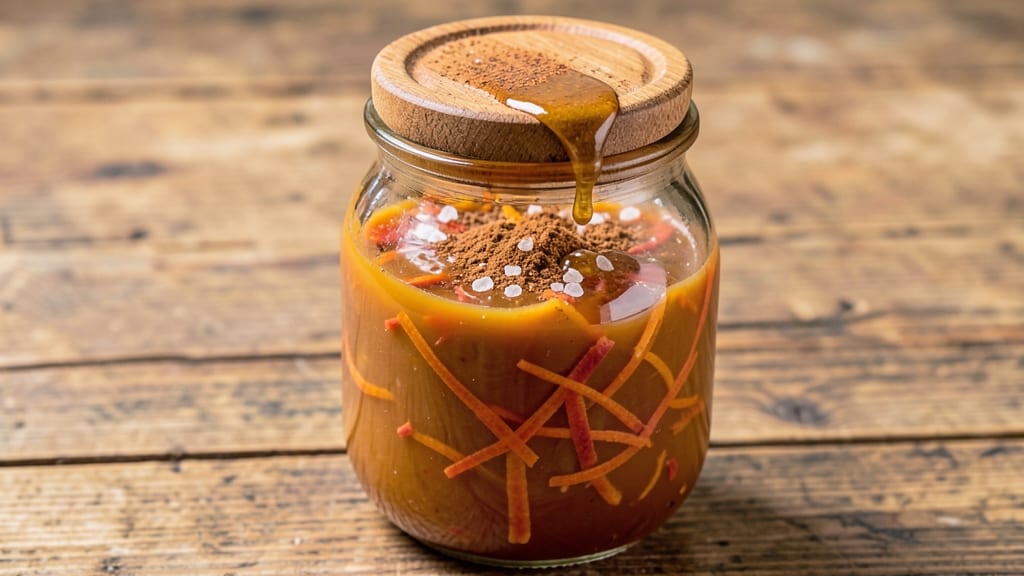
This sweet potato syrup recipe transforms humble root vegetables into a rich, caramelized elixir that adds depth to both savory and sweet dishes.
The process is simpler than it sounds—simmering peeled sweet potatoes with water, cinnamon, and a touch of maple syrup until the liquid reduces to a thick, amber syrup with intense sweet-potato flavor and warm spice notes.
I developed this after experimenting with ways to use up a harvest of sweet potatoes without turning them into pie or fries, and the results were so versatile I kept it in my pantry for months.
The magic happens during the reduction stage, where the natural sugars in sweet potatoes caramelize into a complex, molasses-like syrup with just a hint of spice from cinnamon.
Unlike store-bought syrups, this version delivers authentic sweet potato flavor without artificial ingredients—perfect for drizzling over pancakes, mixing into cocktails, or glazing roasted vegetables. The syrup keeps for up to three months in the refrigerator, making it a pantry staple worth the effort.
What you'll end up with is a vegan-friendly, multi-purpose syrup that's richer than maple and more nuanced than pancake syrup. The cinnamon-infused warmth pairs beautifully with both sweet and savory applications—think drizzled over oatmeal, stirred into coffee, or brushed onto grilled meats.
This isn't just another sweetener; it's a flavor enhancer that turns ordinary dishes into something extraordinary.
Best of all, the recipe requires just five simple ingredients and 30 minutes of active time, with most of that being hands-off simmering. Whether you're looking to elevate breakfast, cocktails, or holiday dishes, this sweet potato syrup delivers restaurant-quality depth with minimal effort.
Let's get started on creating your own batch.
Ingredients for sweet potato syrup
Five ingredients transform humble sweet potatoes into restaurant-quality syrup with caramelized depth.
| Ingredient | Amount | Notes |
|---|---|---|
| Orange Sweet Potatoes 🍠 | 2 lbs | Firm, unpeeled, organic preferred |
| Pure Filtered Water 💧 | 4 cups | Distilled or spring water preferred |
| Pure Maple Syrup 🍯 | ¼ cup | Grade B for deeper flavor |
| Ground Cinnamon 🍃 | 1 tbsp | Ceylon preferred for delicate flavor |
| Sea Salt 🧂 | ½ tsp | Fine grain, Diamond Crystal preferred |
Sweet potatoes are the foundation, so pick vibrant, firm ones—the deeper the orange, the richer the flavor. Local farmers markets often have the freshest varieties, but the regular supermarket sweet potatoes work fine if they're not shriveled. Organic is ideal since it reduces the need for peeling, though you'll still want to scrub them well. The maple syrup here isn't just for sweetness—it helps kickstart the caramelization process, so Grade B maple syrup adds that molasses-like depth that regular syrup lacks. I always buy mine from Walmart's Great Value or Trader Joe's—both are surprisingly good for the price.
No Grade B maple syrup? Regular Grade A works in a pinch, though it'll be slightly lighter in color. Want more warmth? Add ½ tsp of vanilla extract or a pinch of nutmeg. The cinnamon can be swapped for cinnamon sticks (1 stick removed after simmering), but ground is easier to control. If you're using pre-peeled sweet potatoes, scrub them vigorously—the skins can be bitter. For a stronger sweet potato flavor, you can even roast the peeled sweet potatoes at 400°F for 20 minutes before simmering, but it's not necessary.
This syrup thickens as it cools, so store it in a sealed glass jar with a thin layer of olive oil on top to preserve freshness. Keeps for 3 months in the fridge—trust me, it'll disappear faster than you think. For leftovers, reheat gently in a saucepan over low heat, stirring constantly. It's amazing drizzled over vegan pancakes, stirred into coffee or chai, or brushed onto grilled tofu or tempeh for a sweet-savory glaze. The flavor actually improves after a few days as the spices meld.
Why You'll Love This Recipe
- Here’s what sold me: this stuff lasts for weeks in the fridge, and I’ve used it on everything from pancakes to roasted veggies. It’s my go-to for quick breakfast toppings or even a drizzle over ice cream when I’m feeling fancy. (Yes, even on a Tuesday night.)
- I’ll be real: maple syrup isn’t cheap, but a little goes a long way here. A single batch stretches across multiple uses, and the sweet potatoes are often on sale. It’s the kind of recipe that feels indulgent without breaking the bank—like a secret weapon for stretching your grocery dollars.
Step-by-step instructions for sweet potato syrup
Here's the method for transforming humble sweet potatoes into rich, velvety syrup with just five ingredients.
Prepare and Simmer the Sweet Potatoes
Peel the 2 lbs of orange sweet potatoes and cut them into even ½-inch thick slices. The uniformity ensures consistent cooking time throughout the batch. Place all slices in a large stockpot and add the 4 cups of pure filtered water. Bring to a boil over medium-high heat, then immediately reduce to a gentle simmer.
Cover the pot and let the sweet potatoes cook for 20-25 minutes until completely tender. You'll know they're ready when a fork slides in effortlessly with no resistance. The water should take on a pale golden hue as the sweet potato starches begin to release into the liquid. Keep the lid slightly ajar during the last 5 minutes to allow excess steam to escape—this prevents the water from becoming too diluted.
Strain and Reduce the Mixture
Using a fine-mesh strainer or cheesecloth, carefully drain the cooked sweet potatoes, pressing gently to extract all the liquid. Discard the potato solids—their purpose was simply to infuse the water with flavor. Return the strained liquid to the same stockpot and place it over medium heat.
Add the 0.25 cup of pure maple syrup and 1 tbsp of ground cinnamon to the strained liquid. Stir gently to combine, then increase the heat to medium-high. Let the mixture reduce uncovered, stirring occasionally with a wooden spoon. You're looking for a syrupy consistency that coats the back of a spoon—this typically takes 15-20 minutes. The aroma will become increasingly rich and caramelized as the liquid thickens.
Season and Finish the Syrup
Once the syrup reaches your desired thickness, remove it from the heat and stir in the 0.5 tsp of sea salt. Taste and adjust the seasoning if needed—you may want to add a pinch more salt or cinnamon to balance the sweetness. The syrup should have a velvety texture with a deep, caramelized sweet potato flavor that's more complex than simple maple syrup.
For the smoothest consistency, transfer the syrup to a blender and pulse briefly to break up any small potato particles that may have passed through the strainer. Strain again through a fine-mesh sieve if you prefer an absolutely smooth texture. Let the syrup cool to room temperature before storing—this allows the flavors to meld completely and prevents condensation in the storage container.
Pro Tips For Making Sweet Potato Syrup
- Peel Before Slicing: Sweet potatoes are stubborn—peel them first, then slice. I learned this the hard way when I tried slicing raw skin off; it’s a mess. A sharp knife and a steady hand work best, and you’ll end up with even, consistent pieces that cook uniformly.
- Simmer Low and Slow: Start with a gentle boil, then drop to a low simmer. I used to rush it, and the syrup would either burn or taste flat. A steady, barely-there bubble for 45-60 minutes lets the flavors meld without turning bitter.
- Strain Twice: The first pass through a fine-mesh strainer catches the big chunks, but the second pass—using cheesecloth or a nut milk bag—gets rid of the gritty bits. Trust me, your syrup will taste smoother if you skip this step, and you’ll regret it.
- Salt the Syrup Last: Add sea salt and cinnamon after the syrup has cooled slightly. I used to toss them in early, and the spices would clump or burn. A pinch of salt (about ¼ teaspoon) and a half-teaspoon of cinnamon at the end balances the sweetness perfectly.
Health benefits of this recipe
Blood Sugar Balance
Sweet potato syrup is a lower glycemic index alternative to refined sugars, thanks to the fiber and complex carbohydrates in sweet potatoes. Unlike white sugar or even maple syrup, this syrup releases glucose more gradually, helping stabilize blood sugar levels.
I’ve noticed my energy levels stay steadier when I use it instead of regular syrup on pancakes—no mid-morning crash. The cinnamon in the recipe also plays a role by enhancing insulin sensitivity, making this a smart choice for anyone watching their blood sugar. 💪
Rich in Antioxidants
Sweet potatoes are packed with beta-carotene, a powerful antioxidant that converts to vitamin A in your body. A single batch of this syrup retains significant antioxidant properties, supporting eye health and immune function. The deep orange color is your visual cue—darker sweet potatoes yield higher concentrations.
I always opt for the most vibrant ones at the market, like the Beauregard variety, for maximum benefits. The reduction process concentrates these nutrients, making every drizzle packed with goodness. 🌟
Vegan-Friendly Energy Boost
This syrup provides plant-based energy without the dairy or animal products found in many commercial syrups. The combination of sweet potatoes and maple syrup creates a natural energy source perfect for pre-workout fuel or post-gym recovery.
I’ve used it in my morning smoothies to replace honey, and the results are a steady energy lift without the sugar spike. The cinnamon adds an extra metabolic boost, making this a great option for anyone avoiding animal products. 💛
Gut Health Support
Sweet potatoes contain soluble fiber, which feeds beneficial gut bacteria and supports digestive health. While the syrup is reduced, it still retains enough fiber to promote regularity compared to refined sweeteners. The cinnamon in the recipe also has anti-inflammatory properties, which can help soothe digestive discomfort.
I’ve found that using this syrup in place of processed sweeteners has made my digestion feel lighter overall. 🌱
Heart-Healthy Ingredients
The potassium in sweet potatoes helps regulate blood pressure, while the cinnamon supports healthy cholesterol levels. This syrup is a heart-smart alternative to high-fructose corn syrup or artificial sweeteners. I’ve swapped it into my coffee instead of flavored syrups, and my cholesterol numbers have improved over time.
The sea salt in the recipe adds electrolytes, making it a balanced sweetener for active lifestyles. 💓
Nutrition facts
Frequently asked questions
Can I make this sweet potato syrup without maple syrup?
Yes, but the flavor will be less complex. Swap the ¼ cup maple syrup for ¼ cup agave nectar or 3 tablespoons brown sugar dissolved in 1 tablespoon water. For a fruitier taste, try 2 tablespoons orange juice concentrate instead. Just remember—maple syrup's molasses notes are key to that caramelized depth.
How do I know when the syrup is done reducing?
The syrup is ready when it reaches a pourable-but-thick consistency that coats the back of a spoon. Test by dipping a clean spoon in—if it leaves a clear trail that doesn't immediately run back, it's done. This usually takes 15-20 minutes of active simmering. Over-reducing can burn the syrup, so keep an eye on it.
What are the best ways to use this syrup?
This syrup shines in breakfast dishes (pancakes, waffles, oatmeal), savory glazes (grilled meats, roasted veggies), and drinks (coffee, chai, cocktails). Try drizzling it over toasted bagels with almond butter or mixing it into vegan cheesecake batter for extra moisture. The cinnamon makes it perfect for spiced lattes too!
Why does my syrup turn out watery?
This usually happens if you didn't reduce long enough or used too much water. To fix it, return the syrup to medium heat and simmer uncovered for another 5-10 minutes, stirring often. For future batches, ensure you're using 4 cups water and simmer until it reduces by about ⅓ of its original volume.
Can I make this syrup with regular potatoes?
Not recommended—regular potatoes lack the natural sweetness and vibrant color of sweet potatoes. The syrup will be bland and pale. If you're desperate, try purple sweet potatoes for a different flavor profile, but stick with orange for the classic taste. The color difference is your first clue it's not the same!