
Side Dishes
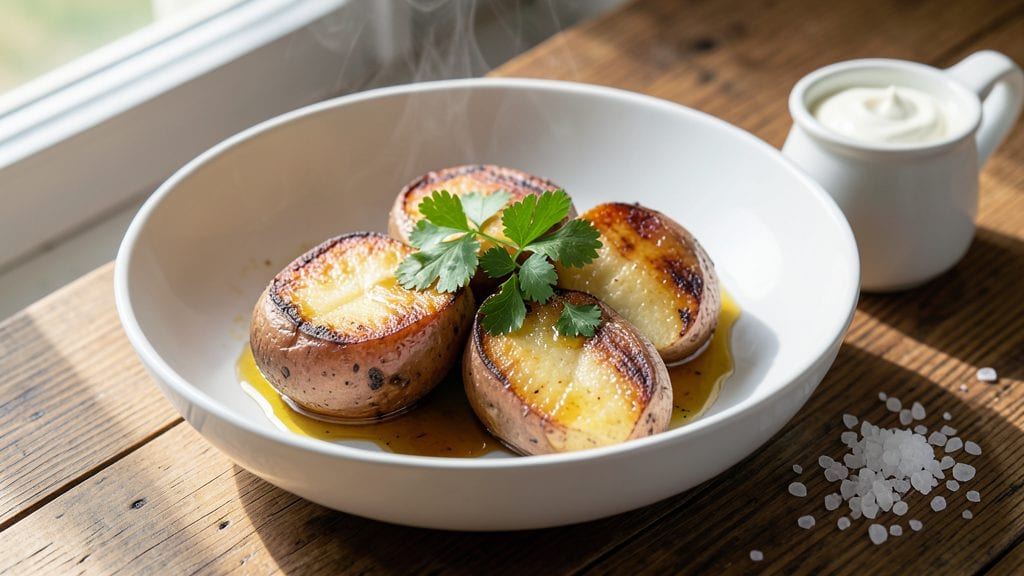
This stovetop potato recipe delivers restaurant-quality crispy bites in just 20 minutes—no oven required. The secret lies in a simple vinegar trick that transforms ordinary potatoes into golden, shatteringly crispy cubes with minimal effort.
I developed this method after years of experimenting with stovetop techniques, and it never fails to impress.
The magic happens in the pan using high heat and the right oil—neutral oil like vegetable or canola works best for even browning. You'll dice the potatoes into even-sized pieces (about ½-inch cubes) for consistent cooking, then par-cook them in salted water before transferring to a hot skillet.
This two-step process ensures crispy exteriors and tender interiors every time.
By the time you're done, you'll have a crispy, vinegar-kissed potato dish that's perfect as a side for steak, chicken, or fish. The vinegar adds a subtle tang that balances the richness of the potatoes, while the crispy edges create satisfying texture with every bite.
This method also works beautifully for meal prep—just store leftovers in the fridge and reheat in a skillet for that same crispy texture.
Serve immediately with a sprinkle of fresh parsley or a dollop of sour cream for a restaurant-worthy side dish. The technique scales easily for larger crowds, making it ideal for weeknight dinners or holiday gatherings. Let's get cooking!
Ingredients for stovetop potato
Nine simple ingredients transform into restaurant-style crispy potatoes in just 20 minutes.
| Ingredient | Amount | Notes |
|---|---|---|
| Russet Potatoes 🥔 | 2 lb | Cut into ½-inch cubes, uniform size |
| Vegetable Oil 🫒 | ½ cup | High smoke point for even browning |
| White Vinegar 🍶 | 2 tbsp | Distilled for tangy flavor balance |
| Diamond Crystal Kosher Salt 🧂 | 1 ½ tsp | Fine grain for even seasoning |
| Fresh Parsley 🌿 | ¼ cup | Chopped, for garnish |
| Sour Cream 🥛 | ¼ cup | Full-fat for serving |
| Garlic Cloves 🧄 | 2 cloves | Minced, optional for depth |
| Black Peppercorns 🌶️ | ½ tsp | Freshly cracked for aroma |
| Water 💧 | 2 cups | For par-cooking potatoes |
| Butter 🧈 | 2 tbsp | Unsalted, for finishing |
The russet potatoes are non-negotiable here—their high starch content creates that signature crispy texture. Look for firm, unblemished potatoes at the grocery store; Whole Foods or Trader Joe's often carry the best quality. Uniform ½-inch cubes are critical for even cooking, so invest in a mandoline slicer if you're making this often. The vinegar might seem unusual, but it's what prevents sogginess and adds that subtle tang. Distilled white vinegar is best—apple cider vinegar works but has a more pronounced flavor.
No vegetable oil? Canola or avocado oil are perfect substitutes—they're neutral and high-smoke point. Running short on vinegar? Lemon juice at half the amount works in a pinch, though the flavor profile shifts slightly. Fresh parsley is ideal for garnish, but dried parsley at one-third the amount suffices if you're in a hurry. The butter at the end is where the magic happens—European-style unsalted butter like Plugrá adds richness without overpowering. For extra depth, add the minced garlic to the hot oil before the potatoes; it infuses the flavor beautifully.
These potatoes reheat like a dream—simply crisp them in a skillet with a touch of oil for 2-3 minutes per side. Store leftovers in an airtight container for up to 5 days, but they're best enjoyed fresh. The vinegar trick means they won't turn gummy when reheated, so you can safely prep ahead. For meal prep, portion into individual containers with a dollop of sour cream—freezes well for up to 3 months if you prefer to cook in bulk.
Why You'll Love This Recipe
- No-Peel Hassle: I slice Russets raw—no peeling, no fuss—then let the vinegar and salt work their magic while I chop parsley or set the table. Five minutes of prep, and the potatoes practically cook themselves.
- Crispy-Creamy Magic: That thin, golden crust on the outside? Pure reward. The vinegar tenderizes the centers while the oil keeps them from turning to mush—like a perfect balance of crunch and melt-in-your-mouth goodness.
- Leftover Reinvention: Cold potatoes the next day? Toss them in eggs for hash, cube them into salads, or even blend into a creamy soup. I’ve turned three days’ worth of leftovers into four meals without breaking a sweat.
- Budget Powerhouse: Russets are cheap, oil is cheap, and you’re not wasting anything here. A single bag of potatoes feeds my family for days, and the vinegar and salt? Pantry staples that cost pennies. Dinner for under $5, every time.
Step-by-step instructions for vinegar-kissed crispy stovetop potatoes
Here's the method—simple, efficient, and guaranteed to deliver that perfect balance of crispy exterior and tender interior.
Par-Cook the Potatoes to Achieve Perfect Doneness
Place the 2 lb russet potatoes in a large pot and cover with the 2 cups water. Add the 1.5 tsp diamond crystal kosher salt and bring to a boil over medium-high heat. Once boiling, reduce to medium heat and simmer for 8-10 minutes until the potatoes are fork-tender but not falling apart.
This partial cooking step is critical—it ensures the potatoes finish cooking through while developing that ideal crispy texture in the final step. You'll know they're ready when a fork slides in easily but the edges still hold their shape. Drain immediately and transfer to a clean kitchen towel to remove excess moisture, which is essential for achieving crispiness later.
Create the Vinegar Oil Bath for Maximum Crispiness
Heat the 0.5 cup vegetable oil in a large skillet over medium-high heat until it shimmers but doesn't smoke. Add the 2 tbsp white vinegar and stir for 30 seconds—this creates a tangy base that enhances the potato flavor and helps develop that signature crispy texture.
The vinegar acts as both a flavor enhancer and a chemical catalyst that promotes browning. You'll notice the mixture bubble slightly as the vinegar heats. This is normal and actually helps create the perfect crispy exterior. Keep the heat steady—if it smokes excessively, reduce to medium heat immediately to prevent burning.
Fry the Potatoes to Golden Perfection
Add the par-cooked potatoes to the skillet in a single layer, working in batches if necessary. Cook for 5-6 minutes, stirring occasionally, until the potatoes are golden brown on all sides. Avoid overcrowding the pan—this ensures even cooking and maximum crispiness.
Here's where the magic happens: the combination of residual moisture from the potatoes and the vinegar-oil mixture creates steam that helps develop that beautiful crispy crust. You'll know they're ready when they develop a deep golden color and start to sizzle audibly. If any potatoes seem undercooked, return them to the skillet for another 30 seconds.
Finish with Butter and Seasoning for Rich Flavor
Remove the potatoes from the skillet and transfer to a serving platter. Add the 2 tbsp butter to the skillet and swirl to coat the bottom, scraping up any browned bits. Pour this butter mixture over the potatoes and toss gently to distribute evenly.
Sprinkle with the 0.25 cup chopped fresh parsley and the 0.5 tsp freshly cracked black peppercorns. For extra depth, add the 2 cloves minced garlic cloves and toss again. The butter adds richness while the fresh herbs and garlic elevate the flavor profile. Serve immediately while still crispy and hot.
Serve with Sour Cream for the Ultimate Experience
Transfer the potatoes to a serving dish and dollop each portion with 1 tablespoon of the 0.25 cup sour cream. The cool, creamy sour cream balances the crispy, warm potatoes beautifully, creating a perfect temperature contrast and flavor harmony.
This dish delivers on all the promises: crispy edges that give way to tender, flavorful centers, with that signature vinegar-kissed tang. The combination of techniques—par-cooking, vinegar bath, and proper frying—ensures you'll achieve restaurant-quality results every time in just 20 minutes.
Pro Tips For Making Stovetop Potato
- CUT POTATOES EVENLY: Russets are stubborn—uneven slices mean some burn while others stay raw. Use a mandoline or sharp knife to slice them ¼-inch thick, then soak in cold water for 10 minutes to remove excess starch. (Yes, even if you’re impatient like me, this keeps them crispy.)
- SALT THE WATER LIKE THE OCEAN: Diamond Crystal kosher salt is lighter than table salt—don’t eyeball it. Aim for 1½ tablespoons per quart of water, and add it before heating. I learned this the hard way when my potatoes tasted bland because I salted too late.
- START HIGH, END LOW: Crank the heat to medium-high until the water boils, then drop it to a gentle simmer (tiny bubbles, not rolling). High heat at the end turns potatoes mushy; low heat keeps them tender-crisp. (Your future self will thank you.)
- ACID FIRST, PARSLEY LAST: Add the white vinegar right when you drain the potatoes—it brightens the flavor and cuts greasiness. Toss in parsley only at the very end, or it’ll turn to mush from the steam. (Sounds weird, but it works.)
Wine and beer pairings for this dish
Crispy Potatoes & Crisp Whites
For these vinegar-kissed potatoes, a dry, crisp white wine like Sauvignon Blanc from New Zealand or Loire Valley is ideal—its citrusy acidity mirrors the vinegar's tang while cutting through the richness.
Look for wines with 12-13% ABV to balance the dish's bold flavors without overwhelming them. A chilled glass (around 45°F) enhances the crispy texture contrast. 🍷
Malbec for Hearty Pairings
If serving these potatoes as a side to steak or hearty mains, a medium-bodied Malbec from Argentina delivers the perfect match. Its dark fruit notes and subtle spice complement the vinegar's acidity while standing up to the dish's richness.
Aim for a wine with 14-15% ABV and serve slightly cooler than room temperature (60°F) to preserve its freshness.
Beer Pairings: IPA or Pale Ale
A hoppy American IPA with citrusy hops (like Stone Ruination) creates a refreshing contrast to the potatoes' crispy texture. The bitterness balances the vinegar's tang, while the carbonation cleanses your palate.
For a lighter option, a Belgian-style pale ale with its spicy notes and slight sweetness works beautifully. Serve both at 45°F for optimal flavor.
Seasonal Wine Swaps
In summer, opt for a dry Riesling from Germany—its bright acidity and stone fruit notes refresh the palate. For winter, a Pinot Noir with its earthy undertones pairs wonderfully with the potatoes' rich, buttery finish.
Both wines should be served slightly cooler than room temperature (55-60°F) to highlight their freshness. 🍇
Non-Alcoholic Options
For a non-alcoholic pairing, try a sparkling apple cider like Martinelli's—its effervescence and tartness mirror the vinegar's effect. Alternatively, a ginger beer with a squeeze of lime provides a zesty contrast that enhances the potatoes' crispy texture. Both should be served well-chilled (40°F) for the best experience.
Nutrition facts
Frequently asked questions
Can I use sweet potatoes instead of russets for this stovetop method?
Sweet potatoes work, but the texture and flavor will differ significantly. They're denser and have a sweeter taste, so they'll need 12-15 minutes of par-cooking instead of 8-10 minutes. For best results, reduce the vinegar to 1 tbsp and add ½ tsp of cinnamon during the final butter toss to complement their natural sweetness.
Why does the recipe call for par-cooking the potatoes?
The par-cooking step is essential for achieving that perfect crispy exterior while keeping the insides tender. Without it, the potatoes would either stay raw inside or burn before crisping up. This two-stage method mimics restaurant-style frying techniques, ensuring consistent results every time—no guessing about doneness!
What's the best pan for getting maximum crispiness?
A heavy-bottomed stainless steel or cast iron skillet works best for even heat distribution. Avoid non-stick pans—they won't get hot enough to create that signature crispy crust. If you only have a light aluminum pan, increase the heat to medium-high and cook in smaller batches to prevent steaming.
Can I make this recipe ahead of time?
Yes! These potatoes reheat beautifully. Store leftovers in an airtight container for up to 5 days. To revive the crispiness, reheat in a skillet over medium heat with 1 tbsp of oil for 3-4 minutes per side. The vinegar trick prevents sogginess, so they'll taste almost as good as fresh.
What if my potatoes turn out soggy instead of crispy?
Sogginess usually means excess moisture wasn't properly removed after par-cooking. Next time, pat the potatoes very dry with a clean kitchen towel before frying, and ensure your pan is properly heated (oil should shimmer but not smoke). Also, avoid overcrowding the pan—cook in batches if needed.