
Side Dishes
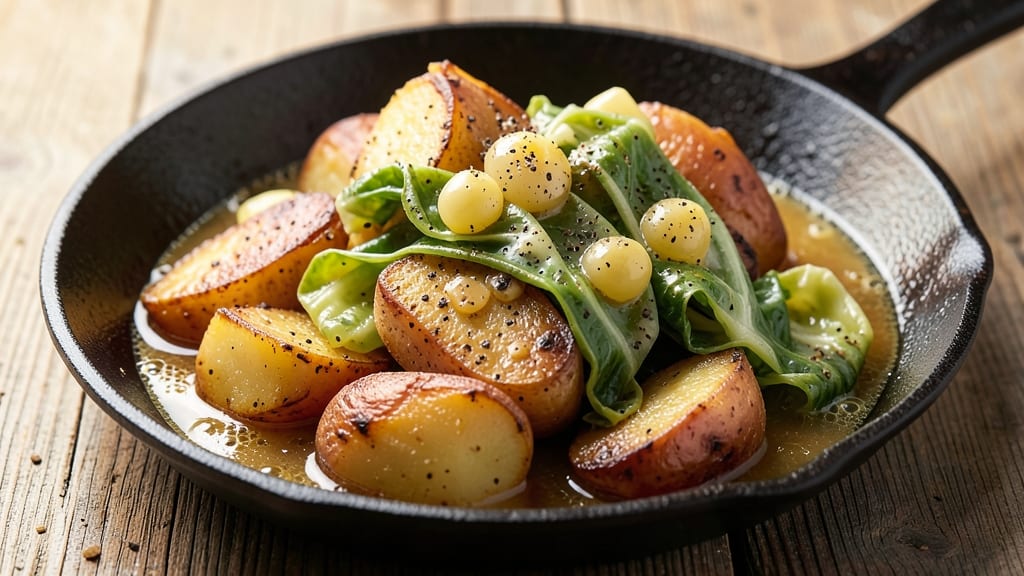
This smothered cabbage and potatoes recipe transforms humble ingredients into a hearty, comforting dish where tender cabbage and creamy potatoes melt into rich onion gravy.
The secret lies in slow-cooked onions that build deep, caramelized sweetness while simmering—this is the kind of dish that feels like a warm hug on a chilly evening.
I first made this version after discovering how much better homemade gravy tastes compared to store-bought, and it quickly became a staple in my rotation.
What makes this recipe special is its foolproof technique—no complicated steps, just layered flavors that develop over time. You'll start with simple prep: peeling and cubing potatoes, shredding cabbage, and sautéing onions until they're golden and fragrant.
The real magic happens when everything simmers together in broth, absorbing flavors until the cabbage softens and the potatoes become fork-tender. This dish is perfect for weeknight dinners or holiday sides, and it pairs beautifully with grilled meats or roasted chicken.
The result is a rich, savory masterpiece where every bite delivers tender cabbage, creamy potatoes, and a velvety onion gravy that ties everything together. The aroma alone will have everyone gathering at the table, and the texture—soft yet substantial—makes it satisfying enough to serve as a main dish.
Whether you're feeding a family or meal prepping for the week, this recipe delivers consistent, restaurant-quality comfort food at home.
For extra depth, consider adding crispy bacon or a sprinkle of fresh herbs before serving. The gravy can also be thickened or thinned to suit your preference, making this dish infinitely adaptable. Let's get started on creating this classic, comforting side that's sure to become a household favorite.
Ingredients for smothered cabbage and potatoes
These humble ingredients transform into a rich, comforting dish with layers of savory onion gravy.
| Ingredient | Amount | Notes |
|---|---|---|
| Yellow Onions 🧅 | 2 whole | Sliced thinly for caramelization |
| Russet Potatoes 🥔 | 1 ½ lb | Cubed into 1-inch pieces |
| Green Cabbage 🥬 | ½ head | Shredded with core removed |
| Chicken Broth 💧 | 2 cups | Low-sodium preferred |
| Unsalted Butter 🧈 | 4 tbsp | Full-fat for richness |
| All-Purpose Flour 🌾 | 2 tbsp | For thickening gravy |
| Salt 🧂 | 1 ½ tsp | Kosher or sea salt |
| Black Pepper 🌶️ | ½ tsp | Freshly ground preferred |
| Fresh Thyme 🌿 | ¼ tsp | Leaves only, chopped |
| Garlic Cloves 🧄 | 2 cloves | Minced for depth |
| Bay Leaves 🌿 | 2 whole | Removed before serving |
| Apple Cider Vinegar 🍎 | 1 tbsp | Brightens flavors |
| Crispy Bacon 🥓 | ¼ cup | Optional garnish |
| Fresh Parsley 🌿 | 0.1 cup | Chopped for garnish |
The onions are the flavor foundation here—yellow onions work best for that sweet, caramelized depth. Grab the sweetest ones at Trader Joe's or Costco if you can, but any yellow will do. The cabbage should be firm and crisp, not wilted—store-bought bags are fine, but a whole head keeps longer. Potatoes? Russets hold up best to the long cooking time. If you're prepping ahead, peel and cube them the night before—they'll keep in water in the fridge until ready to use.
No chicken broth? Vegetable broth works too, but the thyme and bay leaves add that savory depth. Short on butter? Olive oil or bacon fat keeps the richness. The vinegar might seem odd, but it cuts through the sweetness of the onions beautifully. Fresh herbs are ideal, but dried thyme at one-third the amount gets you close. Want extra flavor? Add a splash of Worcestershire sauce with the vinegar—trust me on this one.
This dish tastes even better the next day—double the batch if you can. Store leftovers in the fridge for 4-5 days, or freeze portions for up to 3 months. I like to reheat it covered on low heat with a splash of broth to keep it moist. The gravy thickens as it cools, so thin with extra broth if needed. Garnish with crispy bacon and parsley right before serving—worth the extra minute for that restaurant touch.
Why You'll Love This Recipe
- One-Pot Magic: I swear by this recipe when I’m too tired to wash dishes—just slice potatoes and cabbage, toss them in with onions and broth, and let it simmer. The butter melts into everything, so you end up with tender, buttery potatoes and cabbage that practically fall apart.
- Rich, Savory Depth: That first spoonful of broth-infused cabbage and potatoes? It’s like a hug in food form. The onions caramelize just enough to add sweetness, while the butter makes every bite feel indulgent—no heavy cream or fancy ingredients needed.
- Weeknight Workhorse: Between us, this is my go-to when I need to feed a crowd or prep meals ahead. The flavors only get better the next day, and it reheats like a dream—perfect for lunchboxes or a quick dinner after a long shift.
- Budget-Friendly Staple: Russet potatoes and cabbage are cheap, and a little butter stretches far when simmered with broth. Honestly, I make this when I’m pinching pennies, but no one ever guesses it’s not a restaurant dish. The leftovers? Even better than the first round.
Step-by-step instructions for smothered cabbage and potatoes
Here's the method that delivers rich, caramelized onions and tender vegetables every time.
Par-cook the Potatoes Until Tender
Place the 1.5 lb russet potatoes in a large pot and cover with cold water by about 1 inch. Add 1 tsp salt and bring to a boil over high heat. Once boiling, reduce to medium-high heat and cook for 8-10 minutes until the potatoes are fork-tender but still hold their shape.
Drain the potatoes thoroughly in a colander, then return them to the pot. Toss them with 1 tbsp unsalted butter and 0.25 tsp fresh thyme to prevent sticking. Set aside—they'll finish cooking in the skillet later. This pre-cooking ensures they absorb the flavors without turning mushy.
Caramelize the Onions for Deep Flavor
In a large, heavy skillet (I prefer cast iron), melt 2 tbsp unsalted butter over medium heat. Add the 2 whole yellow onions, sliced thinly, and cook undisturbed for 5 minutes until they begin to soften. Here's the thing—don't touch them yet. You want those onions to develop a deep golden color.
After 5 minutes, stir the onions and reduce heat to medium-low. Cook for another 15-20 minutes, stirring occasionally, until they're deep brown and caramelized with a jammy texture. This step builds the foundation of your dish—sweet, rich onions that tie everything together. If they start to stick, add 1-2 tbsp chicken broth to deglaze.
Build the Gravy Base
Increase heat to medium-high and add the remaining 2 tbsp unsalted butter. Once melted, sprinkle in the 2 tbsp all-purpose flour and stir vigorously for 1-2 minutes until the mixture forms a smooth paste. This creates a roux that will thicken your gravy beautifully.
Gradually whisk in the 2 cups chicken broth, scraping up any browned bits from the bottom of the pan. Add the 2 cloves minced garlic, 2 whole bay leaves, 1 tbsp apple cider vinegar, 0.5 tsp black pepper, and the remaining 0.5 tsp salt. Bring to a gentle simmer and cook for 5 minutes until slightly thickened. The vinegar brightens the flavors while the bay leaves add subtle earthiness.
Combine Everything and Simmer
Add the pre-cooked potatoes to the skillet and stir gently to coat them in the gravy. Then fold in the 0.5 head shredded green cabbage, making sure it's evenly distributed. The cabbage will wilt as it cooks, so don't worry if it looks like too much at first.
Cover the skillet and reduce heat to low. Let it cook for 15-20 minutes, stirring occasionally, until the cabbage is tender and the potatoes are fully heated through. The dish should have a thick, saucy consistency—if it's too thin, uncover and simmer for another 5 minutes to reduce. This simmering step ensures all the flavors meld together perfectly.
Finish and Serve
Remove the 2 whole bay leaves and stir in the 0.25 cup crispy bacon and 0.1 cup chopped fresh parsley. Taste and adjust seasoning if needed—you might want to add a pinch more salt or pepper depending on your broth. The bacon adds a smoky depth while the parsley brightens everything up.
Serve immediately, spooning the rich onion gravy over each portion. The potatoes should be tender with crisp edges, and the cabbage should be just tender enough to hold its shape. This dish tastes even better the next day as the flavors continue to develop, but it's so good fresh you might not make it that long.
Pro Tips For Making Smothered Cabbage And Potatoes
- PARBOIL POTATOES FIRST: I learned this the hard way—skipping the parboil means your potatoes will either turn to mush or stay rock-hard. Cut them into even 1-inch chunks, boil for 5 minutes in salted water, then drain. This guarantees they’ll soften properly while staying intact under the cabbage’s weight.
- SAUTÉ ONIONS LOW AND SLOW: High heat burns onions fast, and you’ll end up with bitter bits instead of sweet, caramelized flavor. Cook them on medium-low for 10-12 minutes until golden, stirring occasionally. Patience here makes the whole dish taste richer—trust me, I’ve rushed it and regretted it.
- CHOP CABBAGE UNIFORMLY: Big chunks stay crunchy; tiny shreds turn to slime. Aim for 1-inch-wide strips so every piece cooks evenly. If you’re lazy (like me), a mandoline speeds this up—just watch your fingers. Uneven cabbage means some parts will be sad and mushy while others stay tough.
- DEGLAZE WITH BROTH IMMEDIATELY: After the onions caramelize, add the chicken broth right away to scrape up those browned bits stuck to the pan. Those bits pack serious flavor—ignore them, and you’re missing out. A splash of broth here guarantees a deeper-tasting sauce instead of a dry, flavorless one.
Perfect pairings for this dish
Protein Pairings
This dish pairs beautifully with grilled chicken thighs—the smoky char of the chicken complements the sweet onion gravy perfectly. I like to marinate the chicken in 2 tbsp olive oil, 1 tbsp soy sauce, and 1 tsp smoked paprika for 30 minutes before grilling.
For a heartier meal, serve with pan-seared pork chops or smoked sausage links like Johnsonville brats—the crispy exterior contrasts wonderfully with the tender cabbage and potatoes. 🍗
Bread Matchups
A crusty sourdough loaf is my go-to for soaking up the rich gravy—its tangy flavor cuts through the sweetness. Toast it lightly and serve with herb butter for extra indulgence.
For a lighter option, try garlic bread with a Parmigiano-Reggiano twist: mix ¼ cup grated Parmesan with 2 tbsp melted butter and 1 minced garlic clove, then brush on fresh bread before baking. 🥖
Beverage Pairings
A dry red wine like Cabernet Sauvignon or Merlot stands up to the dish's savory depth. The tannins in the wine complement the caramelized onions and rich gravy beautifully.
For a non-alcoholic option, a sparkling apple cider with a splash of ginger beer adds a refreshing contrast to the hearty flavors. I also love pairing it with a dark beer like Guinness—the roasted malt notes echo the caramelized onions. 🍷
Seasonal Additions
In winter, add sautéed mushrooms (about 1 cup sliced cremini mushrooms) to the skillet during Step 4—they absorb the gravy and add an earthy depth. For spring, swap the bacon for crumbled feta cheese and garnish with fresh dill for a lighter, Mediterranean twist.
In summer, serve it as a cold salad by chilling the dish and topping with avocado slices and lime zest for a bright contrast. 🌿
Leftovers Reinvented
Transform leftovers into smothered cabbage and potato tacos—use corn tortillas and top with pickled red onions, avocado crema (blend ½ avocado, ¼ cup sour cream, and 1 tbsp lime juice), and crumbled cotija cheese.
For a breakfast hash, crisp up the leftovers in a skillet with 2 fried eggs and crumbled bacon on top. The flavors adapt beautifully to new formats! 🌯
Nutrition facts
Frequently asked questions
Why do I need to par-cook the potatoes first?
Par-cooking the potatoes ensures they absorb the rich onion gravy without turning mushy. The 8-10 minute boil makes them tender enough to finish cooking in the skillet while keeping their shape. This two-step method guarantees perfectly creamy yet firm potatoes every time.
Can I make this dish in a slow cooker?
Sauté the onions and make the gravy base as directed, then transfer everything to a 6-quart slow cooker. Cook on low for 4-5 hours or high for 2-3 hours, stirring once halfway. The slow cooking enhances the flavors, making the gravy even richer. Just add the bacon and parsley at the end.
What if my gravy is too thin?
Simmer the dish uncovered for 5-10 minutes to reduce the liquid. For extra thickness, mix 1 tbsp cornstarch with 1 tbsp cold water, stir it into the gravy, and cook for 2 more minutes until it thickens. Avoid over-thickening—you want a velvety, spoonable consistency.
How do I store and reheat leftovers?
Store leftovers in an airtight container in the fridge for 4-5 days or freeze for up to 3 months. To reheat, cover the dish and warm on low heat with a splash of broth or water. For crispy edges, transfer to a skillet and heat for 2-3 minutes per side. The flavors actually improve overnight!
Can I use sweet potatoes instead of russets?
Yes, but they'll add natural sweetness and a softer texture. Peel and cube 1.5 lb sweet potatoes the same way, but reduce cooking time to 6-8 minutes (they cook faster). The dish will still work, though the flavor profile shifts slightly. For balance, add ½ tsp smoked paprika to the gravy.