
Main Courses
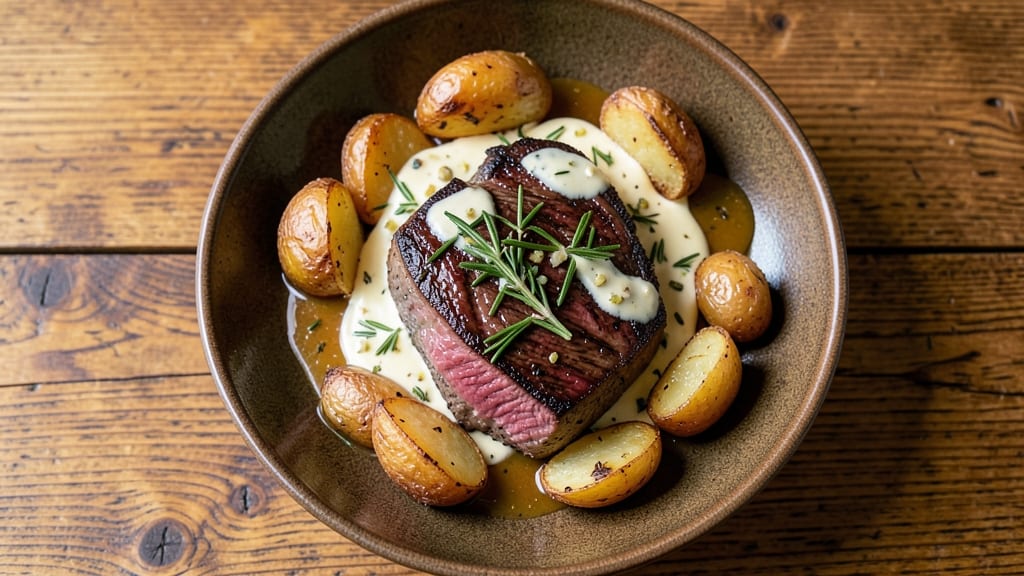
Mastering a sirloin steak and potatoes recipe that delivers restaurant-quality results at home starts with two key techniques: a perfectly seared crust on the steak and herbed butter potatoes that balance richness with freshness.
This method transforms a simple weeknight dinner into a showstopping meal with minimal effort—just 30 minutes of active time and precise temperature control.
The secret to the steak lies in high-heat searing followed by a precise internal temperature of 135°F for medium-rare, then resting for 10 minutes to retain juices.
Meanwhile, the potatoes achieve a crispy exterior and creamy interior through a two-step pan-roasting process with herbed butter that infuses flavor without overpowering the dish. Every component works together to create a harmonious balance of textures and flavors.
What you’ll end up with is a pan-seared sirloin steak with a deep mahogany crust and tender pink center, paired with golden potatoes that are crisp on the outside and buttery inside.
The herbed butter adds a bright, aromatic finish that elevates the entire plate—proof that a classic combination can feel both timeless and refined. This recipe proves that professional-quality results don’t require complicated techniques, just attention to detail.
Whether you’re cooking for a date night or a family dinner, this method scales effortlessly while maintaining its elegant appeal. The steak’s bold flavor contrasts beautifully with the potatoes’ creamy texture, making it a foolproof choice for any occasion.
Let’s get started with the step-by-step guide to achieve this perfect balance every time.
Ingredients for sirloin steak and potatoes
Restaurant-quality sirloin steak and herbed butter potatoes start with these premium ingredients and precise techniques.
| Ingredient | Amount | Notes |
|---|---|---|
| Sirloin Steak 🥩 | 1 ½ lb | Center-cut, 1-inch thick slices |
| Russet Potatoes 🥔 | 2 lbs | Medium size, unpeeled |
| Unsalted Butter 🧈 | ½ cup | Cold, cubed for herbed butter |
| Fresh Rosemary 🌿 | ¼ cup | Finely chopped, stems removed |
| Fresh Thyme 🌿 | ¼ cup | Leaves only, finely chopped |
| Garlic Cloves 🧄 | 6 cloves | Minced, for herbed butter |
| Kosher Salt 🧂 | 1 ½ tbsp | Diamond Crystal preferred |
| Freshly Ground Black Pepper 🌶️ | 1 tsp | Coarsely ground |
| Extra-Virgin Olive Oil 🫒 | 2 tbsp | High smoke point for searing |
| Vegetable Oil 🫒 | ¼ cup | For potato roasting |
| Lemon Zest 🍋 | 1 tsp | Freshly grated |
The sirloin steak must be center-cut and at least 1-inch thick for optimal searing. Whole Foods Market or high-end butchers carry the best cuts—look for vibrant marbling. If using frozen, thaw overnight in the fridge. For the potatoes, Russets are non-negotiable—their dense starch creates that perfect crispy exterior. Avoid waxy varieties like Yukon Golds, which won't hold up to the roasting. The fresh herbs should be vibrant green with no wilting; Costco's organic selection is consistently reliable for bulk purchases.
Need substitutions? Ribeye works instead of sirloin, though it may require slightly less searing time. For the potatoes, red potatoes can replace Russets but will yield a softer texture—adjust roasting time by 5 minutes. Fresh herbs unavailable? Dried rosemary and thyme at one-third the amount suffice, but toast them first in a dry pan for 30 seconds to enhance flavor. The extra-virgin olive oil must be high-quality; California Avocado oil is an excellent alternative for searing. For the butter, European-style butter like Plugrá adds extra richness if available.
Herbed butter should be prepared at least 1 hour ahead for optimal flavor infusion. Store uncooked steak in the fridge for up to 3 days, sealed in a butcher paper-wrapped package. Potatoes keep for 2 weeks in a cool, dark place; refrigerate only after cutting. The herbed butter mixture remains fresh for 1 week in the fridge, though the herbs will lose potency after 3 days. For meal prep, roast potatoes ahead and reheat at 375°F for 10 minutes, adding fresh herbed butter just before serving.
Why You'll Love This Recipe
- One-Pan Magic: I swear by this—just toss everything on a sheet pan, and the steak and potatoes cook together. No flipping between pots, no extra dishes. The butter pools right on the potatoes while the steak sears, and honestly? That’s my kind of effortless dinner.
- Herb-Crusted Perfection: That rosemary and thyme? They cling to the steak like a flavor hug, while the butter bastes the potatoes into golden, crispy edges. The first bite of that caramelized crust with the tender inside—it’s the kind of meal that makes you go back for seconds without thinking.
- Weeknight or Weekend: Between us, this works for both. Toss it together on a Tuesday when you’re exhausted, or dress it up with a sprinkle of flaky salt for a Saturday brunch. The steak stays juicy, the potatoes stay creamy, and no one ever questions what’s for dinner.
- Budget-Friendly Feast: Sirloin’s leaner than ribeye but still delivers, and russets are the cheapest potatoes around. A single steak stretches for two solid meals—leftovers reheat beautifully, and the flavors only get better the next day. My wallet and my family thank me every time.
Step-by-step instructions for pan-seared steak with herbed potatoes
This method delivers a perfectly seared crust on the steak and fluffy, aromatic potatoes every time.
Prepare the Herbed Butter and Season the Steak
In a small mixing bowl, combine the 0.5 cup unsalted butter, 0.25 cup fresh rosemary, 0.25 cup fresh thyme, 6 cloves minced garlic, 1.5 tablespoons kosher salt, 1 teaspoon freshly ground black pepper, and 1 teaspoon lemon zest. Mix thoroughly until the herbs are evenly distributed throughout the butter. This herbed butter will infuse the potatoes with incredible flavor while keeping them moist.
Pat the 1.5 lb sirloin steak dry with paper towels, removing any excess moisture. Season both sides generously with additional kosher salt and freshly ground black pepper—this ensures a well-seasoned crust. Let the steak sit at room temperature for 15-20 minutes before cooking. Room temperature steak cooks more evenly and develops a superior crust.
Roast the Potatoes to Perfection
Preheat your oven to 425°F. Cut the 2 lbs russet potatoes into 1-inch cubes, leaving the skin on for texture. Toss the potatoes in a large bowl with the 0.25 cup vegetable oil until they’re evenly coated. Spread them out in a single layer on two rimmed baking sheets, ensuring they don’t overlap. This prevents steaming and promotes crispy edges.
Roast the potatoes for 25-30 minutes, stirring once halfway through, until they’re golden brown and tender when pierced with a fork. Remove them from the oven and immediately toss with the herbed butter mixture, coating each potato evenly. Return them to the oven for 5-7 minutes to melt the butter and infuse the flavors. The potatoes should be fluffy on the inside with a crispy exterior.
Sear the Steak to a Crispy Crust
Heat a heavy skillet, such as cast iron, over high heat until it’s smoking hot. Add 2 tablespoons extra-virgin olive oil and let it shimmer for 1-2 minutes. Place the steak in the skillet and press down gently with a spatula to ensure full contact with the pan. This prevents curling and ensures an even crust.
Sear the steak for 3-4 minutes per side for medium-rare, or until it reaches an internal temperature of 130-135°F for medium-rare, measured with an instant-read thermometer. The crust should be deep golden brown and slightly charred in spots. Avoid moving the steak excessively—let it develop that flavorful crust undisturbed. Once seared, transfer the steak to a cutting board and let it rest for 5-10 minutes before slicing. This resting period allows the juices to redistribute, ensuring a tender bite.
Plate and Serve
Slice the steak against the grain into ¼-inch thick slices. Arrange the herbed butter potatoes alongside the steak on a warmed plate. The potatoes should be golden and aromatic, with the herbed butter melted into a glossy finish. Drizzle any remaining pan juices from the steak over the top for added flavor.
Serve immediately while the steak is still warm and the crust is crispy. The combination of the pan-seared steak and herbed butter potatoes creates a harmonious balance of textures and flavors. Pair with a simple green salad or roasted vegetables for a complete meal.
Pro Tips For Making Sirloin Steak And Potatoes
- CRANK THE HEAT FIRST: Sirloin needs a screaming-hot pan to develop that crust—don’t warm it up like you’re making pancakes. I used to take it out at medium-high and wonder why it never got that caramelized edge. Get that pan so hot it smokes for 30 seconds before adding the steak, then back off to medium-high.
- CUT POTATOES THICKER THAN YOU THINK: Russets dry out fast, so go for 1.5-inch chunks instead of the usual 1-inch slices. Thicker pieces stay fluffy inside while still browning nicely—no one likes a sad, mealy potato. (And resist the urge to parboil them too long; they’ll turn into mush.)
- SALT THE POTATOES BEFORE ROASTING: Toss those potato chunks in salt before hitting the oven—it draws out moisture so they crisp up better. I learned this after a batch turned out greasy instead of golden. A light coating of salt (about 1 tsp per pound) makes all the difference.
- REST THE STEAK UNDER FOIL: Skip the plate and tent that steak with foil for 5-10 minutes—it keeps it juicy while you finish the potatoes. I used to cut into it too soon and end up with a dry slice. (Yes, even if you’re impatient like me.)
Common mistakes when making your sirloin steak and potatoes
Overcooking the Steak
One of the most common mistakes is overcooking the sirloin, which turns it tough and dry. I’ve seen this happen when people rely on visual cues alone—like a dark crust—rather than using a meat thermometer. For medium-rare, aim for an internal temp of 130-135°F.
A ThermoWorks Smoke thermometer (around $30) is my go-to because it’s precise and easy to read. If you don’t have one, use the finger test: press your thumb and index finger together—medium-rare feels like the space between your thumb and first finger. 🌡️
Skipping the Rest
Transferring the steak straight to your plate after searing is a rookie error. The 10-minute rest lets the juices redistribute, keeping the meat tender. I’ve ruined perfectly seared steaks by slicing too soon—they turn out dry and disappointing.
Pro tip: Tent the steak loosely with foil to retain heat during resting. If you’re impatient, at least wait 5 minutes—it makes a noticeable difference. ⏰
Uneven Potato Cooking
Overcrowding the baking sheet causes potatoes to steam instead of crisp up. I’ve made this mistake when trying to save oven space—big error! Spread potatoes in a single layer with ½-inch gaps between them.
If you’re short on space, roast in batches. Also, avoid cutting potatoes too small; 1-inch cubes hold their shape better. For extra crispiness, flip them halfway through cooking. 🥔
Low Heat Searing
Using medium heat for searing is a surefire way to get a pale, flavorless crust. The pan needs to be smoking hot before adding the steak. I test this by flicking a drop of water on the pan—if it sizzles violently, it’s ready.
A Lodge cast iron skillet (around $30) is perfect for this because it retains heat so well. If your pan isn’t hot enough, the steak will steam instead of sear. 🔥
Over-Salting the Potatoes
Adding salt directly to the raw potatoes can make them taste bland after roasting. The herbed butter already contains salt, so season the potatoes lightly with just ½ teaspoon kosher salt before roasting.
Taste them after the initial roast—if they need more, add it after tossing with the herbed butter. This prevents the potatoes from becoming too salty while still being flavorful. 🧂
Ignoring the Grain
Slicing steak against the grain is crucial for tenderness, but many people skip this step. The grain runs horizontally across the steak, so cut perpendicular to it for ¼-inch slices. A Dexter-Russell slicing knife (around $40) makes this easier with its sharp, flexible blade.
If you cut with the grain, the meat will be chewy. For sirloin, the grain is usually visible as a slight striation—follow it like a roadmap. ✨
Nutrition facts
Frequently asked questions
What's the best doneness level for sirloin steak?
For this recipe, medium-rare (130-135°F internal temp) delivers the perfect balance of tenderness and flavor. Sirloin benefits from this level because it's leaner than ribeye—overcooking makes it tough. Use an instant-read thermometer for precision.
Can I make these potatoes ahead of time?
Roast the potatoes up to 2 days ahead and store them at room temperature. Reheat at 375°F for 10 minutes, then toss with fresh herbed butter just before serving. The texture will be slightly softer but still delicious.
How do I substitute ribeye for sirloin?
Ribeye works beautifully—just reduce searing time by 30-60 seconds per side since it has more fat. Aim for 125-130°F internal temp for medium-rare. The herbed butter potatoes recipe remains identical.
What if I don't have fresh herbs?
Use 1 teaspoon dried rosemary and ½ teaspoon dried thyme (toasted in a dry pan for 30 seconds first). For lemon zest, ½ teaspoon bottled zest works in a pinch. The flavor won't be identical but still delicious.
How do I keep the steak juicy?
Pat the steak completely dry before seasoning, and let it sit at room temp for 15-20 minutes. The 10-minute rest after cooking is critical—skip it and you'll lose juices. Use a meat thermometer to avoid overcooking.