
Side Dishes
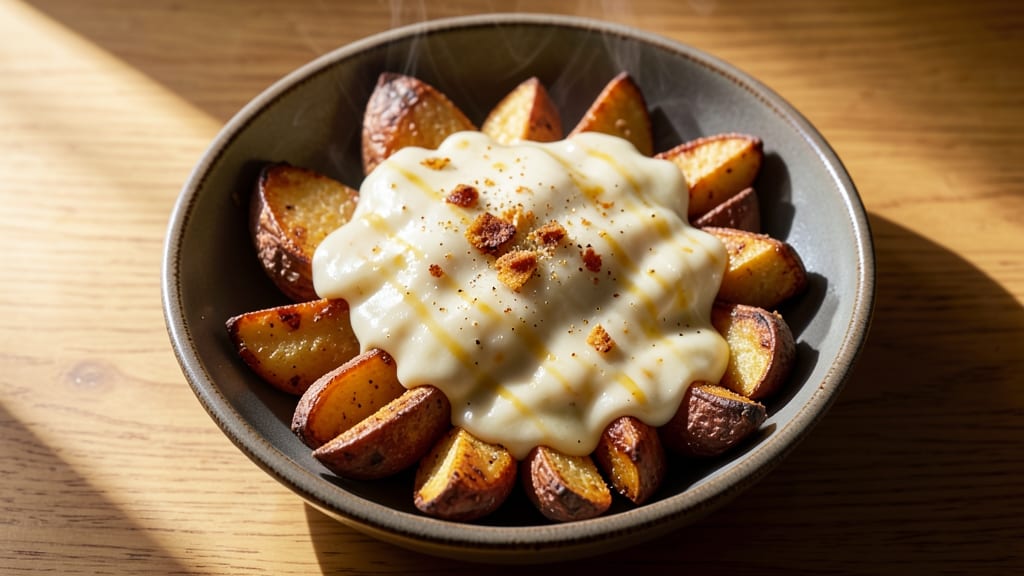
This simply potatoes cheesy potato recipe delivers the perfect balance of vinegar-kissed crisp edges and melty, gooey centers that’ll have everyone asking for seconds. I developed this method after years of experimenting with potato textures—because nothing ruins a cheesy potato dish faster than dry, gummy centers.
The secret lies in the vinegar wash and precise baking technique, which transforms ordinary potatoes into a restaurant-worthy side.
What makes this recipe stand out is its foolproof approach: no fancy equipment, just simple ingredients and a method that guarantees crispy edges every time. The vinegar rinse before baking creates that signature tangy crunch, while the cheese blend (sharp cheddar and cream cheese) ensures maximum meltiness.
It’s versatile enough to serve as a side dish or even a hearty main course when paired with protein.
By the end, you’ll have golden, crispy potato wedges with pockets of melted cheese that pull apart cleanly. The aroma alone will fill your kitchen with comfort, and the texture contrast—crunchy outside, creamy inside—is what makes this recipe a crowd-pleaser.
This is the kind of dish that transforms a simple weeknight dinner into something special.
Ready to elevate your potato game? The recipe includes optional additions like herbs, bacon, or even a sprinkle of paprika for extra flavor. Let’s get started—your taste buds will thank you.
Ingredients for simply potatoes cheesy potato
Simple potatoes, bold flavors—this recipe transforms humble ingredients into crispy, cheesy perfection.
| Ingredient | Amount | Notes |
|---|---|---|
| Russet Potatoes 🥔 | 2 ½ lb | Cut into 1-inch wedges, skin on |
| White Vinegar 💧 | ¼ cup | For crispy edges, don't skip |
| Sharp Cheddar Cheese 🧀 | 1 cup | Shredded, aged for best melt |
| Cream Cheese 🧈 | 4 oz | Full-fat for creaminess, softened |
| Butter 🧈 | 2 tbsp | Melted, unsalted preferred |
| Garlic Powder 🧄 | 1 tsp | Freshly ground for depth |
| Onion Powder 🧅 | 1 tsp | For subtle sweetness |
| Salt 🧂 | 1 ½ tsp | Kosher or sea salt |
| Black Pepper 🌶️ | ½ tsp | Freshly ground preferred |
| Vegetable Oil 🫒 | 1 tbsp | For greasing baking sheet |
| Fresh Parsley 🌿 | ¼ cup | Chopped, optional garnish |
| Smoked Paprika 🌶️ | ½ tsp | Optional for extra flavor |
The Russet potatoes are non-negotiable here—their high starch content ensures that signature crispy exterior. Buy the largest ones you can find at Whole Foods or any grocery store, as they have fewer eyes (which means less moisture and better browning). Cut them into even 1-inch wedges—no need to peel, just scrub them clean first. The vinegar wash is what creates that signature tangy crunch, so don't skip it. For the cheese, sharp cheddar is key—it melts beautifully and adds that tangy punch. I always grab the block and shred it myself; pre-shredded cheese gets clumpy and lacks flavor. The cream cheese adds that luxurious creaminess, so use the full-fat version—it makes all the difference.
No sharp cheddar? Monterey Jack or pepper jack work in a pinch, though they won't have the same depth of flavor. Running out of vinegar? Lemon juice at half the amount will give you a similar tang. For the herbs, fresh parsley is ideal, but dried parsley at one-third the amount works if you're in a hurry. The smoked paprika is optional but adds a nice smoky depth—Trader Joe's has a great affordable bottle. If you want to add bacon, cook it separately and sprinkle it on top just before baking. The potatoes can be prepped ahead and tossed with a little oil to keep them from browning until you're ready to bake.
These potatoes reheat beautifully—just pop them in the oven at 375°F for 5-10 minutes until heated through. They keep well in the fridge for 3-4 days in an airtight container, though they're best enjoyed fresh. For extra crispiness, broil them for 1-2 minutes at the end of baking. If you're making a big batch, double the recipe—they freeze surprisingly well. Just bake from frozen, adding an extra 10 minutes to the cooking time. The leftovers make a fantastic breakfast hash the next day, so always make extra.
Why You'll Love This Recipe
- One-Pan Magic: I swear by this recipe when I’m too tired to wash dishes. Russets get tossed in boiling water with a splash of vinegar—no peeling, no fuss—and the rest happens in one sheet pan. That’s it.
- Melty Obsession: Sharp cheddar and cream cheese? Yes, please. The vinegar soaks into the potatoes just enough to keep them from turning soggy, while the cheeses melt into that perfect stretchy, gooey blanket. (I’ll fight anyone who says it’s not the best part.)
- Leftover Hero: Make a double batch and thank me later. These reheat like a dream—crispy edges soften just enough, and the cheesy layers stay intact. My kids beg for it the next day, and honestly? So do I.
- Budget Win: Russets and cheddar are cheap, and this recipe stretches them far. A big pan of this feeds four for under $10, and the vinegar trick means you’re not wasting a single bite. My wallet’s happier, and so is my stomach.
Step-by-step instructions for vinegar-kissed crispy potatoes
Here's how to achieve perfectly crispy edges with creamy, melty centers using just these simple ingredients.
Prepare and Parboil the Potatoes
Preheat your oven to 400°F. Cut the 2.5 lb russet potatoes into 1-inch wedges, keeping the skin on for texture. Place them in a large pot and cover with cold water by about 2 inches. Add 1.5 tsp salt and bring to a boil over high heat. Once boiling, reduce to a simmer for 5 minutes.
This parboiling step is crucial—it starts cooking the potatoes evenly and helps develop that crispy exterior later. Drain the potatoes in a colander and let them steam-dry for 2 minutes. Don't skip this drying step; excess moisture prevents crispiness. While they're draining, pat them dry with paper towels to remove any remaining water.
Whisk the Cheese and Seasoning Mixture
In a medium bowl, combine the 1 cup sharp cheddar cheese, 4 oz cream cheese, and 2 tbsp melted butter. The cream cheese should be softened first—microwave it in 10-second bursts until pliable but not melted. Add 1 tsp garlic powder, 1 tsp onion powder, 0.5 tsp black pepper, and 0.5 tsp smoked paprika (if using). Mix until smooth and fully combined.
This cheese mixture is the heart of your potatoes—it creates that luscious, gooey center while the vinegar gives the edges their signature crisp. If the mixture seems too thick, add 1-2 teaspoons of warm water to help it coat the potatoes evenly. Set this bowl aside while you prepare the potatoes for baking.
Toss Potatoes in Vinegar and Oil
In a large bowl, combine the drained potatoes with 1 tbsp vegetable oil and 0.25 cup white vinegar. Toss them thoroughly until every wedge is evenly coated. The vinegar might seem unusual, but it's what creates that crispy, almost caramelized edge. Spread the potatoes on a baking sheet in a single layer, ensuring they don't overlap—crowding prevents even crisping.
Here's the thing—don't rush this step. You want the vinegar to cling to every surface of the potato wedges. If you're working with a large batch, toss them in batches to ensure even coating. The vinegar will evaporate during baking, leaving behind that crispy texture we're after.
Bake Until Golden and Crispy
Transfer the prepared baking sheet to the 400°F oven and bake for 25 minutes. After 25 minutes, remove the sheet and carefully flip each potato wedge using tongs. Return to the oven and bake for another 15-20 minutes until the edges are deep golden brown and crispy to the touch.
Watch closely during the last 5 minutes of baking—this is when the magic happens. The potatoes should be golden brown with crisp edges and soft, fluffy centers. If they're browning too quickly, tent the sheet with foil to prevent burning. The internal temperature should reach 205°F when checked with a meat thermometer.
Toss with Cheese and Garnish
Remove the potatoes from the oven and immediately transfer them to a large bowl. Pour the cheese mixture over the hot potatoes and toss gently but thoroughly until every wedge is coated. The residual heat from the potatoes will help the cheese melt into a creamy, stretchy coating. If the cheese mixture seems too thick, add 1-2 tablespoons of warm water to help it distribute evenly.
For the final touch, sprinkle with 0.25 cup chopped fresh parsley and serve immediately. These potatoes are best enjoyed right out of the oven while the cheese is still gooey and the edges remain crisp. If you need to reheat leftovers, do so in a 350°F oven for 10-15 minutes to restore the crispiness without drying them out.
Pro Tips For Making Simply Potatoes Cheesy Potato
- SOAK CUT POTATOES FIRST: Russets turn to mush if you skip this—toss them in cold water with a splash of white vinegar for 10 minutes before draining. The acid keeps them from browning and the water washes off excess starch, so your final dish stays creamy, not gummy. (Yes, even if you're impatient like me.)
- MELT CHEESE SLOWLY: When mixing in the sharp cheddar and cream cheese, start with low heat and stir constantly—this isn’t a microwaveable nacho cheese. If you rush it, you’ll end up with a greasy, clumpy mess instead of a smooth, stretchy sauce. Think "gentle simmer," not "boil it fast."
- DON’T OVERMIX THE CHEESE: Once the cheese is melted, stir just until combined—overworking it turns it into a gluey paste. My first few batches looked perfect until I tasted them; now I stop stirring the second everything’s smooth. The texture should be silky, not doughy.
- USE COLD BUTTER: Cut the butter into cubes and add it cold to the hot potato-cheese mix. It’ll melt gradually and create pockets of richness without turning the whole dish greasy. I learned this the hard way after one batch tasted like a deep fryer. Trust me, cold butter matters.
Essential equipment for this dish
Baking Sheet Essentials
You’ll need a half-sheet baking pan—I swear by All-Clad’s stainless steel or Wilton’s heavy-duty for even heat distribution. These pans hold up to high temps without warping, and the nonstick coating prevents sticking.
Avoid glass—it heats unevenly and can cause hot spots. If you’re short on space, a rimmed baking sheet works too, but spread the potatoes in a single layer to avoid crowding. 🔥
Mixing Bowl Must-Haves
A large stainless steel bowl (like OXO’s Good Grips) is perfect for tossing potatoes in vinegar and oil. The deep sides prevent spills, and the nonstick finish makes cleanup a breeze.
For the cheese mixture, a medium mixing bowl (I use Pyrex glass) works best—glass retains heat, helping the cheese blend smoothly. If you’re prepping ahead, a lidded container keeps everything fresh.
Tongs for Perfect Flipping
Invest in a long-handled tong—I love OXO’s Good Grips or J. Kenji López-Alt’s—to flip those crispy wedges without crushing them. The long handle keeps your hands safe from the oven’s heat, and the serrated grips ensure a firm hold.
A spatula works in a pinch, but tongs make this step effortless. Pro tip: Flip once at 25 minutes and again at 35 minutes for even browning.
Cheese Tools for Smooth Mixing
For grating cheese, a box grater (like Microplane’s) gives you the finest, most even shreds. If you’re lazy like me, a food processor with the grating blade works too—just pulse until you get the right texture.
To soften cream cheese, I microwave it in 10-second bursts, stirring between each, until it’s pliable but not melted. A rubber spatula helps scrape every last bit of cheese from the bowl for maximum flavor. 🧀
Optional Upgrades
Want extra crispiness? A wire cooling rack placed on a baking sheet lets hot air circulate underneath, giving you that restaurant-style crunch. For flavor boosts, a mortar and pestle lets you crush fresh garlic or herbs right into the cheese mixture.
And if you’re feeling fancy, a digital meat thermometer (like ThermoWorks’ Smoke) ensures your potatoes hit 205°F for perfect doneness every time.
Nutrition facts
Frequently asked questions
Can I use sweet potatoes instead of russets?
Sweet potatoes will work, but the texture and flavor will differ significantly. Russets have a higher starch content that creates the signature crispy exterior, while sweet potatoes yield a denser, slightly sweeter result. If you must use them, reduce the baking time by 5-10 minutes and increase the oven temperature to 425°F to compensate for their moisture content.
Why does my cheese mixture turn grainy?
Grainy cheese usually happens when the cream cheese isn't softened enough or the mixture sits too long before baking. Always microwave the cream cheese in 10-second bursts until pliable but not melted, and mix it with the cheddar just before tossing with the potatoes. If the mixture thickens too much, add 1-2 teaspoons of warm water to restore smoothness.
Can I make this recipe ahead of time?
You can prep the potatoes up to 24 hours in advance, but skip the vinegar toss until just before baking. Store them in an airtight container in the fridge. For the cheese mixture, prepare it up to 1 day ahead and refrigerate. Reheat the potatoes from cold at 400°F for 10-15 extra minutes to restore crispiness, or broil for 2-3 minutes at the end.
What's the best way to reheat leftovers?
Reheat in a 350°F oven for 10-15 minutes to maintain crispiness, or use the broiler for 2-3 minutes at the end. Microwaving works in a pinch, but it'll make the edges soggy. For extra crunch, toss reheated potatoes with 1 teaspoon of oil and broil for 1-2 minutes until golden again.
Can I make this gluten-free?
Just ensure your cheese is labeled gluten-free and use a certified gluten-free vinegar. The recipe's natural ingredients are already gluten-free, so no other substitutions are needed. Always double-check labels, as some cheeses may contain additives with gluten.