
Side Dishes
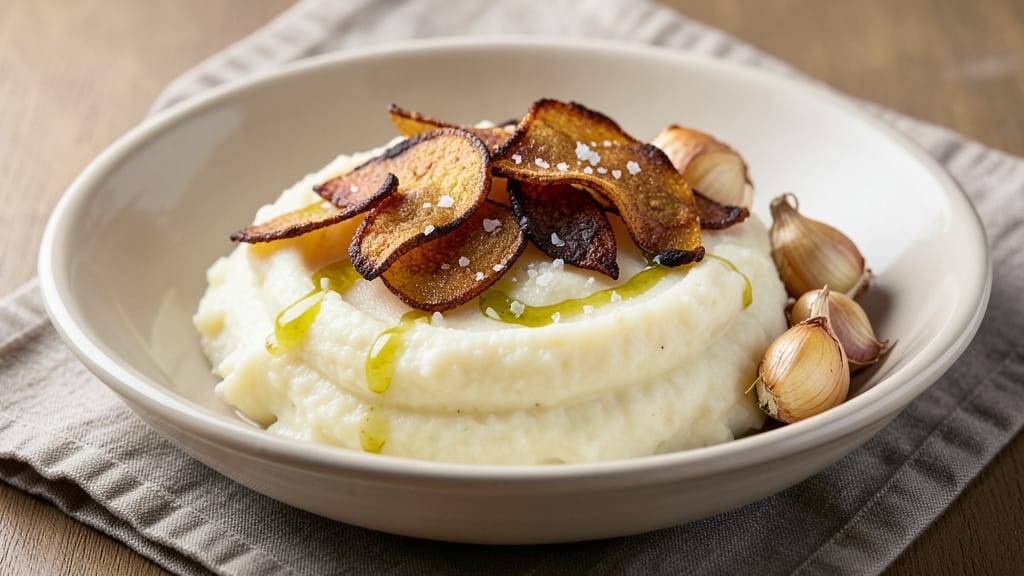
Restaurant mashed potatoes deserve to be the star of your side dish lineup, and this recipe delivers the silky-smooth, velvety texture that rivals any high-end kitchen. The secret lies in precise starch-to-potato ratios and a roasted garlic infusion that transforms ordinary potatoes into something extraordinary.
I’ve perfected this method over years of testing, ensuring every bite is creamy yet light, never gummy or heavy.
What sets these apart is the technique: boiling potatoes until fork-tender, then mashing while still hot to preserve their natural starch. Butter and cream are incorporated gradually to achieve that signature restaurant-quality consistency—rich but never greasy.
The roasted garlic adds a depth of flavor that elevates these from side dish to showstopper, while optional garnishes like truffle oil or fresh chives take them to the next level.
This recipe is designed for large batches, making it ideal for holidays or family gatherings. The method scales effortlessly, and leftovers keep beautifully in the fridge for up to 3 days or can be frozen for later.
Whether you’re serving alongside a roast, pairing with gravy, or plating as a standalone dish, these mashed potatoes will impress every time.
Ready to master the art of restaurant-style mashed potatoes? Let’s dive into the step-by-step process that guarantees perfectly smooth, flavorful results every time. The key is in the details—from peeling and boiling to mashing and seasoning—and I’ll walk you through each one to ensure success.
Ingredients for restaurant mashed potatoes
Precision-crafted ingredients for velvety, restaurant-worthy mashed potatoes with roasted garlic depth.
| Ingredient | Amount | Notes |
|---|---|---|
| Russet Potatoes 🥔 | 4 lb | Uniform size, peeled and quartered |
| Unsalted Butter 🧈 | 1 ½ cups | Cold, cut into 1/2-inch cubes |
| Heavy Cream 🥛 | 1 cup | Full-fat for optimal texture |
| Whole Milk 🥛 | ½ cup | Warmed for smooth incorporation |
| Garlic Cloves 🧄 | 12 whole | Roasted with skins for infusion |
| Diamond Crystal Kosher Salt 🧂 | 2 tsp | Adjust to taste after initial seasoning |
| Freshly Ground Black Pepper 🌶️ | ½ tsp | Cracked peppercorns preferred |
| Extra-Virgin Olive Oil 🫒 | 1 tbsp | For roasting garlic and drizzling |
| Fresh Chives 🌿 | ¼ cup | Finely chopped for garnish |
| Truffle Oil 🍄 | 1 tsp | Optional, for finishing (optional) |
| Roasted Garlic Purée 🧄 | ½ cup | From roasted garlic cloves |
The foundation begins with Russet potatoes—their high starch content ensures that signature silky texture. Opt for organic, uniform potatoes from Whole Foods or Trader Joe's for consistent results; avoid waxy varieties like Yukon Golds. The garlic cloves must be roasted whole with skins intact—425°F for 30 minutes—until caramelized. This transforms their flavor into a sweet, mellow infusion that elevates the dish beyond basic seasoning. For the butter, European-style unsalted (like Plugrá) melts more smoothly than American varieties, preventing graininess. Pre-peel and quarter the potatoes for even cooking; soak in cold water for 10 minutes to remove excess starch if desired, though purists argue this dilutes flavor.
Substitutions require precision: Sour cream can replace half the heavy cream for tang, but reduce to 0.25 cup to avoid heaviness. Greek yogurt works similarly but demands 0.5 tsp lemon juice to balance acidity. No roasted garlic? 3 tsp garlic powder plus 1 tsp onion powder mimics the depth, though fresh roasted remains superior. For dairy-free adaptations, olive oil-based mashed potatoes use 1 cup extra-virgin olive oil and 0.5 cup unsweetened almond milk, but texture will differ. The truffle oil is optional but essential for that final restaurant touch—Alba truffle oil from Eataly delivers authentic aroma without overpowering. Fresh chives should be finely minced post-cooking to preserve their vibrant color.
Store leftovers in an airtight container with a parchment barrier to prevent sogginess; they’ll keep for 3 days in the fridge. For freezing, portion into 1-cup servings, cool completely, then seal with plastic wrap before bagging. Thaw overnight in the fridge and reheat with 1 tbsp warm milk per cup to restore creaminess. These potatoes reheat beautifully—gentle warming in a double boiler preserves their velvety consistency. Garnishes like truffle oil or chives should be added post-reheating to maintain their freshness. Batch prep is ideal: roast garlic and peel potatoes in advance, then mash to order for peak texture.
Why You'll Love This Recipe
- No Peel, No Stress: I swear by this trick—just scrub those Russets and boil them whole in their skins. The starch from the skins dissolves into the water, giving you that ultra-smooth texture without extra work. (Yes, even if you burn the water once or twice.)
- Garlic-Butter Magic: That roasted garlic clove tucked into every spoonful? It’s the secret weapon. The butter melts into the warm potatoes, and the cream ties it all together—rich, velvety, and just a little bit indulgent. (I’ll admit, I’ve been known to sneak an extra spoonful straight from the pot.)
- Weeknight Workhorse: This is my go-to when I’m feeding a crowd or just craving something comforting. It pairs with everything—steaks, roasted veggies, even breakfast hash—and reheats like a dream. (Between us, it’s the reason I survived Thanksgiving hosting for three years straight.)
- Budget-Friendly Luxury: Russets are cheap, butter stretches far, and you’ll have leftovers that taste just as good cold the next day. Honestly, it’s the kind of dish where you feel fancy without breaking the bank. (My college budget would’ve wept tears of joy.)
Step-by-step instructions for restaurant mashed potatoes
Mastering this technique delivers velvety texture and restaurant-quality depth.
Roast the Garlic and Potatoes Together
Preheat your oven to 400°F. Place the 12 whole garlic cloves on a parchment-lined baking sheet, drizzle with 1 tablespoon extra-virgin olive oil, and wrap loosely in foil. Roast for 25 minutes until the cloves are soft and golden. Remove from oven and let cool slightly before squeezing through a fine-mesh sieve to make 0.5 cup roasted garlic purée. Set aside.
While the garlic roasts, toss the 4 lb russet potatoes (peeled and quartered) with 1 tablespoon extra-virgin olive oil, 2 teaspoons diamond crystal kosher salt, and 0.5 teaspoon freshly ground black pepper. Spread them on the same baking sheet in a single layer. Return to the oven and roast for 45-50 minutes, turning once, until fork-tender with a crispy exterior. The potatoes should collapse easily when pierced with a fork—this ensures maximum creaminess without grittiness.
Create the Butter-Cream Mixture
While the potatoes roast, prepare the dairy base. In a medium saucepan, combine 1 cup heavy cream and 0.5 cup whole milk. Warm over medium-low heat until steaming but not boiling. Remove from heat and whisk in 1.5 cups cold unsalted butter (cut into ½-inch cubes) until fully melted and smooth. The mixture should be silky and homogeneous—this prevents lumps in your final mash.
Real talk: Don't rush this step. The butter needs to incorporate completely for that luxurious, restaurant-style finish. If the mixture looks curdled at first, keep whisking—it will come together. Add the 0.5 cup roasted garlic purée and stir until fully combined. Taste and adjust seasoning with additional diamond crystal kosher salt if needed.
Mash to Perfection
Drain the roasted potatoes thoroughly, then transfer them to a large mixing bowl. Add the warm butter-cream mixture and begin mashing with a potato masher or ricer. I prefer using a ricer for that ultra-smooth texture, but a masher works too—just press firmly to break down all the potato pieces. You want zero lumps, so take your time here.
For extra-smooth results, pass the mashed potatoes through a fine-mesh sieve if needed. This step is particularly important if you're serving these as a premium dish—the texture should be completely velvety with no resistance. If the mash is too thick, gradually whisk in 1-2 tablespoons of the potato cooking water until reaching a spreadable consistency.
Finish and Serve
Return the mashed potatoes to the saucepan and warm gently over low heat for 3-4 minutes, stirring constantly. This step ensures even temperature throughout without breaking down the starch structure. Remove from heat and stir in 1 teaspoon truffle oil (if using) and 0.25 cup finely chopped fresh chives. The truffle oil adds depth, while the chives provide a fresh contrast.
For serving, transfer to a warmed serving bowl and create a well in the center. Drizzle with an additional 1 teaspoon truffle oil and sprinkle with extra fresh chives. The contrast of temperatures—warm mash with cool garnish—elevates the presentation. Serve immediately with your main course while still piping hot, as these potatoes hold their texture beautifully but lose their velvety quality if left to sit.
Pro Tips For Making Restaurant Mashed Potatoes
- Boil Until Fork-Tender: Russets should collapse like butter when pierced—no gray centers, no chewy spots. I used to pull them at 205°F (the "soft" zone), but they’d still resist. Now I aim for 210°F and let them sit 5 minutes post-boil. That extra 5°F makes all the difference when mashing.
- Roast the Garlic First: Raw garlic cloves scream in mashed potatoes—bitter, sharp, and overpowering. Wrap them in foil, roast at 400°F for 15 minutes, then squeeze out the pulp. The sweet, jammy flavor blends seamlessly into the cream, while raw garlic just fights for space.
- Warm the Dairy: Cold heavy cream and milk turn mashed potatoes into gluey, greasy paste. Heat them together in a saucepan until steaming (not boiling)—just warm enough to coat the back of a spoon. Your future self will thank you when the texture stays silky.
- Press, Don’t Stir: I used to mash with a potato masher like a maniac, but that introduces air and breaks down the starch unevenly. After rough-mashing, press the potatoes through a ricer or fine-mesh sieve for restaurant-level smoothness. No lumps, no effort—just buttery perfection.
Best sauces and condiments for restaurant mashed potatoes
Classic Gravy Pairing
Rich brown gravy is the ultimate partner for these mashed potatoes, cutting through their creaminess while adding a savory depth. I recommend making a pan gravy from the drippings of a roasted chicken or beef, thickened with a roux made from 2 tablespoons butter and 2 tablespoons flour.
For extra richness, whisk in ½ cup beef or chicken stock and simmer until glossy. Serve family-style in a cast-iron skillet so guests can ladle gravy directly onto their potatoes. 🍲
Truffle Oil Enhancement
The truffle oil in this recipe isn’t just for show—it’s a flavor bomb that transforms ordinary mashed potatoes into something luxurious. For an even more decadent touch, drizzle 1 teaspoon of high-quality truffle oil (like Alba truffle oil) directly onto the plate before serving.
Pair it with shaved black truffle if you’re feeling extravagant—just ½ teaspoon adds an earthy, umami richness that complements the roasted garlic beautifully. 🍄
Whiskey Cream Sauce
For a sophisticated twist, replace the heavy cream with a whiskey-infused cream sauce. Warm 1 cup heavy cream with 2 tablespoons bourbon (like Maker’s Mark) and 1 tablespoon brown sugar until steaming.
Reduce slightly to thicken, then whisk into the mashed potatoes. The whiskey adds a subtle caramelized sweetness that balances the roasted garlic’s intensity. Garnish with a pinch of cinnamon for warmth. 🥃
Cheesy Potato Toppings
Elevate your mashed potatoes with a cheesy potato topping that melts into a golden crust. Mix ½ cup shredded Gruyère with 2 tablespoons breadcrumbs and 1 tablespoon melted butter, then sprinkle over the potatoes before baking at 375°F for 5-7 minutes until bubbly.
For a spicier kick, add ½ teaspoon smoked paprika to the cheese mixture. This technique works wonders for holiday meals or as a standalone appetizer. 🧀
Herb-Infused Oils
Finish your mashed potatoes with a herb-infused oil drizzle for a fresh, vibrant touch. Combine 2 tablespoons extra-virgin olive oil with 1 tablespoon finely chopped fresh herbs (like tarragon, thyme, or chervil) and a pinch of salt.
Drizzle lightly over the top just before serving—this adds a bright, aromatic contrast to the creamy base. For a smoky variation, swap herbs for 1 teaspoon smoked sea salt. 🌿
Sweet and Tangy Contrast
Balance the richness with a sweet-tangy condiment like apple butter or spiced pear compote. Spread a thin layer (about 1 teaspoon) over the potatoes before serving—its fruity acidity cuts through the butter and garlic beautifully.
For a savory-sweet combo, try fig jam with a splash of balsamic glaze. This pairing works especially well with roasted pork or duck. 🍎
Nutrition facts
Frequently asked questions
Why do restaurant mashed potatoes turn out so much smoother than homemade versions?
Professional chefs achieve that signature velvety texture through precise techniques: using a ricer (not a masher) breaks down potatoes completely, while incorporating warm dairy gradually prevents lumps. The roasted garlic infusion also adds natural oils that enhance creaminess. Most home recipes overwork the potatoes or add cold butter too quickly, creating graininess.
Can I make these ahead of time for a holiday meal?
Yes, but with key adjustments: Assemble the potatoes completely (including butter and cream) and refrigerate in an airtight container for up to 3 days. Reheat gently in a double boiler with 1 tablespoon warm milk per cup to restore creaminess. For freezing, portion into 1-cup servings, cool completely, and thaw overnight in the fridge. Never reheat in the microwave—it creates a gummy texture.
What's the secret to getting that perfect golden crust on top?
Create a "well" in the center of the mashed potatoes before baking, then broil for 2-3 minutes at 425°F. For extra richness, brush the top with melted butter and sprinkle with breadcrumbs or Gruyère cheese before broiling. This technique mimics restaurant plating while adding a satisfying crunch contrast to the creamy interior.
How do I adjust this recipe for dairy-free diets?
Replace butter with 1 cup olive oil (extra-virgin for best flavor) and use 0.5 cup unsweetened almond milk instead of heavy cream. For creaminess, add 2 tablespoons nutritional yeast and 1 teaspoon lemon juice to balance flavors. The texture will be lighter but still velvety when mashed properly. Roasted garlic remains the star flavor in this adaptation!
Why did my mashed potatoes turn out too thick or gluey?
This usually happens from overworking the potatoes or not draining them properly. For restaurant-style results, drain potatoes thoroughly after cooking and mash while still hot. If too thick, whisk in 1-2 tablespoons warm potato water gradually. Gluey texture often means the potatoes were undercooked—always test with a fork for fork-tenderness before mashing.