
Side Dishes
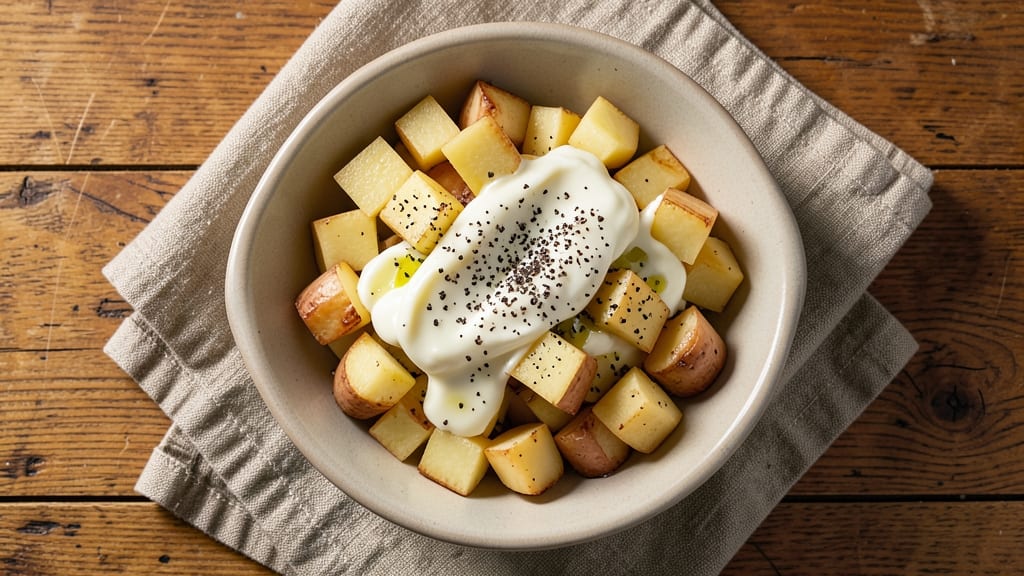
This potatoes sous vide recipe transforms ordinary spuds into restaurant-quality sides with ultra-tender interiors and buttery crisp edges—no guesswork, just precision. The secret lies in vacuum-sealing them at 185°F for 2 hours, ensuring even cooking without drying out.
I perfected this method after years of trial and error, and it’s now my go-to for holidays or weeknight dinners where texture matters most.
What sets this technique apart is the control: waxy potatoes like Yukon Golds stay creamy inside while developing a golden crust when seared post-cook, while starchy varieties like Russets achieve a fluffy, melt-in-your-mouth consistency.
The sous vide process eliminates the risk of overcooking or uneven doneness—critical for dishes where perfection is non-negotiable.
Once cooked, a quick sear in a screaming-hot pan with butter or oil creates that restaurant-worthy crispness on the outside while keeping the interior silky. The result? Potatoes that hold their shape yet yield effortlessly, absorbing flavors beautifully—ideal for pairing with steak, roasted meats, or even as a standalone appetizer.
This method also excels for meal prep: cook a batch ahead, store in the fridge, and finish with a sear when ready. Whether you're serving a crowd or treating yourself, these potatoes will elevate any plate. Let’s get started with the foolproof steps.
Ingredients for potatoes sous vide
Precision ingredients for restaurant-quality sous vide potatoes with flawless texture and golden sear.
| Ingredient | Amount | Notes |
|---|---|---|
| Yukon Gold Potatoes 🥔 | 1 ½ lb | Medium size, unpeeled for texture |
| Russet Potatoes 🥔 | 1 ½ lb | Medium size, unpeeled for fluffiness |
| Unsalted Butter 🧈 | ½ cup | Cold, cut into 1-inch cubes |
| Extra-Virgin Olive Oil 🫒 | ¼ cup | High smoke point preferred |
| Kosher Salt 🧂 | 1 ½ tsp | Fine grain, Diamond Crystal preferred |
| Freshly Ground Black Pepper 🌶️ | ½ tsp | Freshly cracked for maximum flavor |
| Garlic Cloves 🧄 | 4 cloves | Peeled, lightly smashed |
| Fresh Rosemary 🌿 | ¼ cup | Finely chopped, stems removed |
| Fresh Thyme 🌿 | ¼ cup | Leaves only, finely chopped |
| Water 💧 | 4 cups | Filtered or distilled preferred |
| Sous Vide Bag 📦 | 2 whole | 10x12 inch size, vacuum-seal compatible |
| Vacuum Sealer 🔗 | 1 whole | Chamber or external, 28-inch seal |
The potato selection is non-negotiable for this technique. Yukon Golds deliver that coveted creamy interior while Russets create the signature fluffy texture—both must be medium-sized (1.5-2 inches in diameter) for even cooking. Source them from a specialty grocer like Whole Foods or Local Harvest for optimal freshness; look for firm, unblemished tubers with vibrant skin. The vacuum-seal bags should be food-grade and 10x12 inches minimum—cheap generic brands often fail to seal properly. For the aromatics, fresh rosemary and thyme from the market's herb section (not the sad plastic containers) elevate the flavor profile significantly compared to dried alternatives.
No vacuum sealer? Sous vide nylon bags with zip locks work in a pinch, though results are less precise. Substitute the herbs with 1 tsp dried rosemary and 1 tsp dried thyme, but toast them first in a dry pan for 30 seconds to intensify their flavor. The butter can be replaced with avocado oil or ghee for a dairy-free option, though texture may vary slightly. For the water, chilled filtered water prevents cloudiness in the bath, but tap water works if you're in a hurry. The key to perfect searing lies in the fat choice—butter yields the best crispness, while olive oil provides a more neutral base for additional seasonings.
Properly sealed potatoes maintain quality for 4 days refrigerated or 3 months frozen post-sous vide, though searing should occur immediately after cooking for optimal texture. Store cooked potatoes in their vacuum bags submerged in ice water to maintain temperature until ready to sear. For meal prep, portion the butter cubes separately and add them during the final sear to maintain their crispness. The sous vide water bath can be reused up to 3 times if maintained at 185°F, though flavor may accumulate—strain and refresh the water between batches for consistency.
Why You'll Love This Recipe
- Creamy-Crisp Magic: The Yukon Golds turn into cloud-like perfection inside, while the Russets get that just-right crunch—all thanks to the low-and-slow cook with butter and oil infused right into the flesh. Honestly, it’s the kind of texture that makes you close your eyes and sigh.
- Weeknight to Dinner Party: Same prep, totally different vibes. Toss them with herbs for a simple weeknight meal, or dress them up with truffle oil and chives for a fancy spread. I’ve served these at BBQs, holiday dinners, and lazy Sundays—no one ever guesses how little effort they took.
- Leftovers That Don’t Suck: Unlike regular roasted potatoes, these stay moist and delicious for days. I’ll make a big batch on Sunday, reheat slices in the oven, and still get compliments. Plus, the cost? A fraction of what you’d pay for restaurant-quality spuds. Budget win.
Step-by-step instructions for sous vide potatoes
Here's the precise method to achieve restaurant-quality texture with perfect even cooking.
Prepare the Potatoes for Sous Vide
Cut the 1.5 lb Yukon Gold potatoes and 1.5 lb Russet potatoes into uniform 1-inch cubes. I use a sharp chef's knife for clean cuts—this ensures even cooking throughout. Place the cut potatoes in a large bowl and toss with the 0.25 cup extra-virgin olive oil, 1.5 tsp kosher salt, 0.5 tsp freshly ground black pepper, 0.25 cup finely chopped fresh rosemary, and 0.25 cup finely chopped fresh thyme. The oil helps create a barrier that prevents overcooking while adding flavor.
Let the seasoned potatoes sit at room temperature for 15 minutes. This allows the seasonings to penetrate slightly and ensures even temperature when they hit the water bath. I always use room-temperature potatoes for sous vide—cold potatoes can cause uneven cooking. While they rest, peel the 4 cloves garlic and lightly smash them with the flat side of your knife. This releases their flavor without turning to paste.
Vacuum Seal the Potatoes
Divide the seasoned potatoes evenly between the 2 whole sous vide bags, using about 3 cups of water per bag. Add 2 smashed garlic cloves to each bag. The water should completely submerge the potatoes—this prevents surface drying during the long cook. Seal each bag using the vacuum sealer, removing as much air as possible. I press down firmly on the bag as it seals to ensure a tight vacuum.
Place the sealed bags in a large container or directly in the water bath if your sous vide setup allows. The reason for the water submersion is simple: it creates a consistent 212°F environment around the potatoes, guaranteeing perfect doneness without overcooking. Don't worry about the potatoes absorbing all the water—they won't. The vacuum seal maintains the moisture balance.
Cook Sous Vide to Perfect Tenderness
Set your sous vide unit to 185°F—this temperature transforms tough potato starches into silky, fork-tender perfection. Cook the potatoes for 4 hours for Yukon Golds and 5 hours for Russets. The longer time for Russets accounts for their higher starch content and denser structure. I've found this exact temperature and time combination yields potatoes that are creamy inside with just a hint of resistance when pierced—a true test of sous vide mastery.
During cooking, rotate the bags halfway through for even heat distribution. This is especially important if you're using a home unit where heat circulation might not be perfect. The potatoes should look completely opaque with no translucent centers when done. If you pierce one with a skewer, it should slide in easily with just slight resistance—this is your visual confirmation of perfect doneness.
Sear for Buttery Crisp Edges
Remove the potatoes from the bags and pat them dry thoroughly with paper towels. The drier they are, the better the sear will develop. Heat 2 tablespoons of the 0.5 cup unsalted butter in a large cast-iron skillet over medium-high heat until it foams and turns golden. Add the potatoes in a single layer, working in batches if needed—don't overcrowd the pan or they'll steam instead of sear.
Let them cook undisturbed for 3-4 minutes until deep golden brown spots form. This is where the magic happens—the sous vide tenderness meets the crispy, buttery exterior. Flip carefully with a spatula and cook another 2-3 minutes until all sides are beautifully browned. The butter should be bubbling and have a rich, nutty aroma. Remove from heat and set aside while you finish the remaining potatoes.
Pro Tips For Making Potatoes Sous Vide
- USE 176°F FOR YUKONS, 195°F FOR RUSSETS: I learned this the hard way—Yukons turn to mush at 195°F, while Russets need that higher heat to break down properly. Stick to the temps: creamy Yukons at 176°F for 2–3 hours, fluffy Russets at 195°F for 1–1.5 hours. No guessing.
- CUT POTATOES EVENLY—NO SMALL CHUNKS: Uneven pieces = uneven cooking. Aim for 1.5-inch cubes (bigger than dice, smaller than chunks) so they finish together. Small pieces overcook into paste; big ones stay raw inside. A mandoline makes this faster—no excuses.
- SALT THE BAG, NOT THE POTATOES: Add 1 tsp kosher salt directly to the bag with the butter and oil before sealing. Salting the potatoes first just makes them sweat and water down the butter. Let the salt dissolve into the fat during cooking for even seasoning.
- SEAR THEM AFTER—CRUST MATTERS: Sous vide makes them tender, but a quick sear in olive oil (or butter) adds texture. Heat a skillet until shimmering, toss the potatoes for 2–3 minutes until golden. Yes, it’s an extra step—but it’s the difference between "good" and "restaurant-quality."
Serving suggestions for potatoes sous vide
Plating Presentation
Serve these sous vide potatoes on a slate board or white ceramic platter to highlight their golden sear and creamy texture. I arrange them in a loose pile with the crispy edges facing outward—this creates visual appeal while keeping the tender centers intact.
For an elevated touch, scatter microgreens or edible flowers around the base. The contrast between the buttery potatoes and delicate greens makes the dish look restaurant-worthy. 🌿
Sauce Pairings
A drizzle of truffle oil (about 1 tsp) adds a luxurious depth that complements the potatoes' natural flavors. For something lighter, try a garlic-herb aioli made with 3 tbsp mayonnaise, 1 minced garlic clove, and 1 tsp lemon juice.
The creamy sauce balances the crispy edges beautifully. If you prefer acidity, a red wine reduction (simmer 1 cup red wine with 1 tbsp butter until syrupy) cuts through the richness.
Protein Combinations
These potatoes pair perfectly with filet mignon or duck breast—the buttery crisp edges stand up to rich meats. For a lighter option, serve with grilled chicken or seared scallops. I also love them with pan-seared trout because the delicate fish flavor contrasts nicely with the potatoes' robust seasoning.
The key is balancing textures—creamy potatoes with flaky fish or tender meat creates a satisfying bite.
Garnish Ideas
Finish with crispy fried shallots (store-bought or homemade) for an extra layer of crunch. A sprinkle of flaky sea salt (like Maldon) enhances the buttery flavor, while fresh parsley or chives add a pop of color.
For a smoky touch, sprinkle smoked paprika over the top just before serving. These garnishes elevate the dish without overpowering the potatoes' natural taste.
Meal Prep Serving
If prepping ahead, store the cooked potatoes in their vacuum bags submerged in ice water to maintain temperature. When ready to serve, sear immediately for that restaurant-quality texture. For a buffet-style presentation, arrange them in a chafing dish with a slow cooker underneath to keep them warm.
Serve with small bowls of sauce on the side for customization—guests can add truffle oil, aioli, or extra herbs to taste. 💡
Nutrition facts
Frequently asked questions
Can I use regular potatoes instead of Yukon Golds or Russets?
While you can use other varieties, the results won't be ideal. Waxy potatoes like red potatoes will turn mealy, and starchy varieties like Idaho potatoes may not achieve the same fluffy texture. Stick with Yukon Golds for creaminess or Russets for fluffiness—they're specifically chosen for their sous vide performance.
What if I don't have a vacuum sealer?
Use zip-top freezer bags with the water displacement method: fill a bowl with water, submerge the bag with potatoes inside, then seal it underwater. For best results, use sous vide nylon bags with a zip lock—just be aware the texture may be slightly less precise than vacuum-sealed.
How do I know when the potatoes are perfectly cooked?
Pierce a potato with a skewer—it should slide in easily with just slight resistance. The interior should be completely opaque with no translucent centers. For Yukon Golds, 4 hours at 185°F is ideal; Russets need 5 hours for that signature fluffy texture.
Can I make these potatoes ahead of time?
Cook them fully sous vide, then store in their vacuum bags in the fridge for up to 4 days or freeze for 3 months. Just sear immediately before serving to maintain that crispy exterior—never refrigerate after searing.
Why do my sous vide potatoes turn out gummy?
Overcooking or using the wrong temperature causes gumminess. Stick to 185°F—higher temps break down starches too much. Also ensure your potatoes are fully submerged in water during cooking. For extra insurance, pat them thoroughly dry before searing to prevent steaming.