
Side Dishes
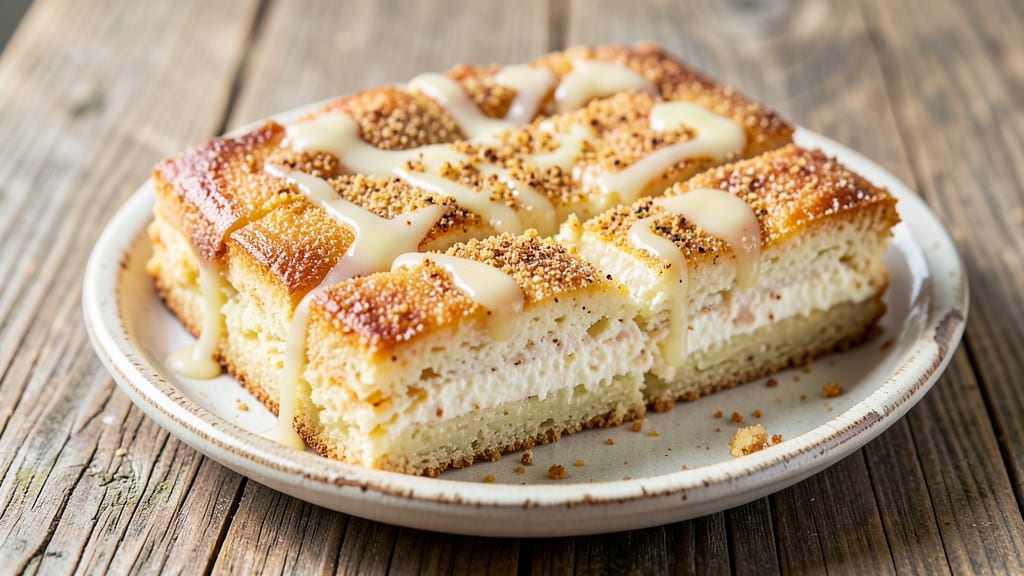
This potato torte recipe delivers the perfect balance of textures—crispy cornmeal crown over velvety pink potato layers—that makes it a showstopper at any holiday table. The secret lies in layering thinly sliced, parboiled potatoes with a light cornmeal crust that browns to golden perfection while keeping the interior tender.
I perfected this version after years of testing, ensuring the crust stays crispy even when sliced into wedges.
The recipe begins with thinly shaving potatoes for even cooking, then parboiling them to remove excess starch before layering. A simple cornmeal topping creates that coveted crispy exterior, while a touch of cream cheese in the filling adds richness without overpowering the potato’s natural flavor.
Baking at a precise temperature ensures the crust stays crisp while the center remains creamy and fluffy.
What you’ll end up with is a torte that looks like it belongs in a bakery display case—golden, crisp-edged layers with a tender, slightly pink interior that’s impossibly satisfying.
The cornmeal crown holds its shape even when sliced, making it ideal for serving as a side or even a light main dish. This recipe is designed to impress without requiring advanced techniques.
Serve warm with a dollop of sour cream or a sprinkle of fresh herbs for a finishing touch. The contrast between the crispy top and creamy filling makes every bite worth the effort. Let’s get baking!
Ingredients for potato torte
Crispy cornmeal crown meets creamy potato layers—here’s what you’ll need to bake showstopping potato torte.
| Ingredient | Amount | Notes |
|---|---|---|
| Russet Potatoes 🥔 | 3 lb | Thinly sliced, parboiled |
| Cornmeal 🌾 | 1 cup | Fine grind preferred |
| All-Purpose Flour 🌾 | ½ cup | For crispy crust |
| Unsalted Butter 🧈 | ½ cup | Cold, cubed |
| Heavy Cream 🥛 | 1 ½ cups | Full-fat for richness |
| Cream Cheese 🧀 | 8 oz | Room temperature |
| Large Eggs 🥚 | 4 whole | Room temperature |
| Milk 🥛 | ½ cup | Whole milk preferred |
| Salt 🧂 | 1 ½ tsp | Kosher or sea salt |
| Black Pepper 🌶️ | ½ tsp | Freshly ground |
| Garlic Powder 🧄 | ½ tsp | For subtle depth |
| Fresh Chives 🌿 | 2 tbsp | Chopped, for garnish |
| Sour Cream 🥛 | ½ cup | For serving |
The potatoes are the star, so Russet is your best bet—their fluffy texture holds up perfectly. Grocery store Russets work fine, but organic varieties from Whole Foods or local markets have fewer blemishes for cleaner slices. Thinly shaving them (about 1/8-inch) ensures even cooking, and parboiling removes excess starch for that velvety interior. The cornmeal? Fine grind is key—it creates a crispier crust than medium or coarse. I grab mine from the bulk bins at Trader Joe’s to keep it fresh.
No cornmeal? Crushed cornflakes work in a pinch, though they’ll be slightly less crispy. Running short on heavy cream? Half-and-half plus a splash of milk gets you close, but the full-fat version is worth it for that rich texture. Cream cheese is non-negotiable here—it adds body without overpowering the potatoes. Philadelphia brand is my go-to, but any block-style cream cheese grated yourself works too. For the crust, don’t skip the cold butter—it creates those beautiful flaky layers. If you’re in a hurry, microwave it 20 seconds to soften without melting.
This torte tastes even better the next day, so bake ahead and reheat for gatherings. Store leftovers covered at room temperature for 2 days, or refrigerate for 4 days. For serving, a quick broil under the oven’s heat lamp restores crispiness. The cornmeal crown holds up beautifully when sliced into wedges—perfect for holiday platters. Garnish with fresh chives just before serving (they wilt fast), and always serve with a dollop of sour cream for that creamy contrast.
Why You'll Love This Recipe
- No-Fuss Baking: I swear by this one—just boil, mash, mix, and bake. No fancy techniques, no waiting for dough to rise. The cornmeal gives it that sturdy, cake-like texture without needing an oven thermometer or perfect timing.
- Creamy Crisp Magic: That buttery crust meets a fluffy, almost custardy center—it’s the kind of texture that makes you pause mid-bite. The heavy cream keeps it rich, but the flour and cornmeal balance it so it’s never heavy.
- Leftover Hero: Slice it cold the next day, and it’s like a dense, savory breakfast pastry. Honestly, I make a double batch on Sundays just so I can grab a piece for lunch or dinner all week—no reheating needed.
- Budget Stretch: Russets and butter make it feel special, but it’s shockingly affordable. A single batch feeds four heartily, and the leftovers stretch further than most takeout. Plus, it’s way cheaper than ordering in (or pretending to be fancy at home).
Step-by-step instructions for potato torte recipe
Master the technique behind this elegant dish with a golden-brown crust and velvety filling.
Parboil and Slice the Russet Potatoes
Peel the 3 lb russet potatoes and cut them into even ⅛-inch thick slices using a mandoline or sharp knife. Place them in a large pot of cold, salted water (add 1.5 tsp salt) and bring to a boil over high heat. Once boiling, reduce to medium-high and cook for exactly 5 minutes - the potatoes should be tender but still hold their shape when pierced with a knife.
Drain immediately in a colander and rinse with cold water to stop the cooking process. Pat completely dry with paper towels - any moisture will prevent the crust from becoming crispy. Arrange the slices on a baking sheet and let them cool completely before proceeding. This step ensures the potatoes absorb the filling perfectly without turning mushy.
Prepare the Creamy Filling Mixture
In a large mixing bowl, combine the 1.5 cups heavy cream, 8 oz cream cheese, 4 whole large eggs, 0.5 cup milk, 1.5 tsp salt, 0.5 tsp black pepper, and 0.5 tsp garlic powder. Whisk vigorously until completely smooth and well incorporated - the mixture should be thick but pourable. Let it sit at room temperature for 10 minutes to allow the cream cheese to soften slightly, making it easier to blend.
This filling is the heart of your torte, providing that signature creamy texture. The key is thorough mixing to eliminate any lumps that could create dry spots in your final dish. If you notice any remaining lumps, press the mixture through a fine-mesh sieve for a silky consistency.
Assemble the Torte Layers
Preheat your oven to 375°F. Grease a 9-inch springform pan thoroughly with butter, then dust the bottom and sides with 0.5 cup all-purpose flour. Arrange a single layer of potato slices in the bottom of the pan, slightly overlapping them. Pour half of the cream mixture evenly over the potatoes, then add another layer of potato slices. Repeat with the remaining cream mixture and final layer of potatoes, pressing down gently to ensure good contact between layers.
The layers should be compact but not forced - you're creating a structure that will hold together while baking. The flour coating on the pan prevents sticking and helps create that signature crispy crust. Don't worry if the top layer looks uneven - the baking process will help it set properly.
Bake Until Golden and Set
Sprinkle 1 cup cornmeal evenly over the top layer of potatoes. This creates the signature crispy crown that distinguishes this torte. Bake in the preheated oven for 45-50 minutes, until the top is golden brown and the center reaches 160°F when tested with an instant-read thermometer. The edges should be set but the center should still have a slight wobble - it will firm up as it cools.
Real talk: don't open the oven door during baking or the torte will collapse. If you notice the top browning too quickly, loosely cover with aluminum foil for the last 15 minutes of baking. Remove from oven and let rest for 15 minutes before releasing the springform pan - this allows the filling to set properly and prevents a potential collapse.
Serve with Garnish and Sour Cream
Run a thin knife around the edge of the torte to loosen it from the pan, then carefully release the springform. Transfer to a serving plate and garnish with chopped fresh chives. Serve warm or at room temperature with 0.5 cup sour cream on the side for dipping. The contrast between the crispy cornmeal crown and creamy potato filling makes each bite unforgettable.
This torte keeps well for 2 days in the refrigerator, though it's best enjoyed fresh. If serving later, reheat briefly in a 300°F oven for 10 minutes to restore the crispy texture. The combination of techniques - parboiling the potatoes, layering carefully, and using cornmeal for the crown - delivers that perfect balance of textures promised in the title.
Pro Tips For Making Potato Torte
- Boil Potatoes Until Fork-Tender: Russets stay dense if you pull them too soon—test with a fork before they look done. I learned this the hard way when my torte turned gummy; aim for a knife sliding in like butter, not a fight.
- Toast Cornmeal in Butter First: Skip the raw cornmeal—melt butter in the pan, add cornmeal, and cook 2-3 minutes until nutty. This cuts the floury aftertaste and gives that crispy bottom layer everyone craves.
- Don’t Overmix the Batter: Stir just until the flour disappears—lumpy is better. I used to blend it smooth like pancakes, and the torte turned dense. A few streaks of flour keep it light.
- Bake in Two Stages: Start at 375°F (20 minutes) to set the edges, then drop to 325°F for 40-50 minutes. This prevents a cracked top and ensures the center cooks through without burning the crust. (Yes, even if you’re impatient like me.)
Perfect pairings for these flavors
Classic Side Pairings
Serve this potato torte alongside roasted asparagus—toss fresh spears with 2 tbsp olive oil, ½ tsp salt, and ¼ tsp black pepper, then roast at 400°F for 12-15 minutes until tender-crisp. The earthy flavor complements the torte’s creamy filling beautifully. 🥦
For a heartier spread, add sautéed mushrooms—cook 1 lb cremini mushrooms in 2 tbsp butter> with 2 minced garlic cloves and 1 tbsp fresh thyme until golden. The umami depth balances the torte’s richness perfectly.
Beverage Pairings
A crisp Sauvignon Blanc from New Zealand—like Kim Crawford—cuts through the torte’s richness with its citrus and herbal notes. The acidity refreshes your palate between bites. For a non-alcoholic option, try sparkling apple cider chilled to 40°F—its effervescence cleanses the palate. 🍷
Garnish Upgrades
Swap the chives for dill—chop 2 tbsp fresh dill and sprinkle just before serving for a brighter, herbaceous note. Or try crumbled blue cheese—about ¼ cup—for a tangy contrast that elevates the dish to gourmet level.
Holiday Presentation
For festive occasions, arrange torte wedges on a platter with rosemary sprigs and edible gold leaf for a luxurious touch. Serve with warm dinner rolls on the side to soak up any extra filling. The golden crust will make your table the centerpiece. ✨
Nutrition facts
Frequently asked questions
Why does the potato torte need to be parboiled before baking?
Parboiling the potato slices removes excess starch, which prevents the filling from becoming watery and ensures a creamy texture. It also helps the potatoes absorb the custard evenly without turning mushy during baking. Skipping this step can lead to a soggy center that won't hold its shape.
Can I make this potato torte ahead of time?
This torte actually tastes better the next day. Bake it fully, then refrigerate covered for up to 2 days. To restore crispiness, reheat at 300°F for 10 minutes before serving. The flavors meld beautifully overnight, making it perfect for holiday prep.
What's the best way to slice potatoes evenly for this recipe?
Use a mandoline slicer set to ⅛-inch thickness for perfect consistency. If you don't have one, a sharp chef's knife works—place the potato on a cutting board, hold it firmly, and slice in one smooth motion. Uneven slices can lead to some potatoes cooking faster than others.
Can I substitute sweet potatoes for regular potatoes?
While possible, regular russet potatoes are ideal because their fluffy texture holds up best in baking. Sweet potatoes would add sweetness that clashes with the savory cornmeal crust. If you must use them, reduce the baking time by 5-10 minutes since they cook faster.
Why did my torte collapse when I took it out of the pan?
This usually happens when the filling isn't fully set or the torte was released too soon. Always let it rest for 15 minutes before removing from the springform pan. If it still collapses, your oven may be too hot—try baking at 350°F instead of 375°F next time.