
Side Dishes
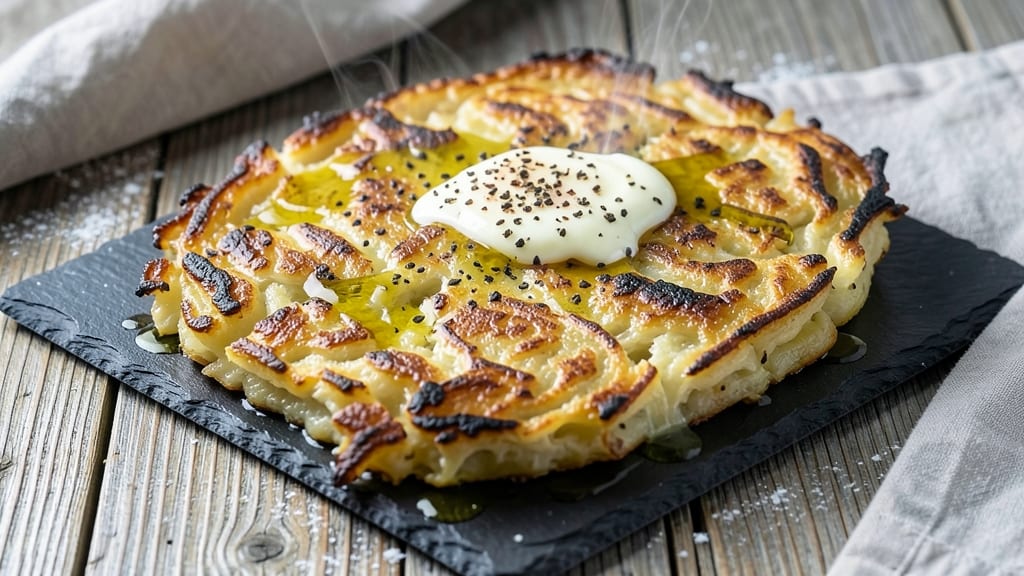
Mastering potato roesti recipe means achieving that perfect crispy golden crust while keeping the inside tender and flavorful—just like in Swiss mountain lodges. The secret lies in proper grating, salting, and pan-frying techniques that create a satisfying crunch without drying out the potatoes.
I’ve perfected this method after countless batches, ensuring every bite delivers that authentic Alpine texture.
This traditional Swiss side dish requires just a few simple ingredients—potatoes, butter, salt, and a touch of pepper—but the technique transforms them into a restaurant-worthy dish.
The key is pressing out excess moisture from the grated potatoes and cooking them in small batches over medium heat until golden brown on both sides. That crispy exterior paired with a tender interior is what makes roesti irresistible.
Once you’ve achieved that perfect golden crust, roesti becomes a versatile dish that pairs beautifully with fried eggs, bacon, or a sprinkle of cheese for a hearty breakfast. It also works as a satisfying side for grilled meats or a standalone meal when topped with sour cream or fresh herbs.
The crispy edges and rich buttery flavor make it a standout dish that’s worth the effort.
For a modern twist, try a vegan version using olive oil instead of butter or adding grated zucchini for extra moisture. The possibilities are endless, but the foundation remains the same: crispy, golden, and full of Alpine charm. Let’s get started on creating your perfect roesti.
Ingredients for potato roesti
Four simple ingredients create this crispy Swiss classic—just don't rush the grating!
| Ingredient | Amount | Notes |
|---|---|---|
| Russet Potatoes 🥔 | 2 lb | Cold, peeled, grated fine |
| Unsalted Butter 🧈 | ½ cup | Cold, cubed for even cooking |
| Diamond Crystal Kosher Salt 🧂 | 1 ½ tsp | Adjust to taste, don't skip |
| Freshly Ground Black Pepper 🌶️ | ¼ tsp | Freshly cracked for best flavor |
| Extra-Virgin Olive Oil 🫒 | 1 tbsp | For greasing the pan |
| All-Purpose Flour 🌾 | 2 tbsp | For dusting grated potatoes |
| Fresh Parsley 🌿 | ¼ cup | Chopped, for garnish (optional) |
| Sour Cream 🥛 | ¼ cup | For serving (optional) |
The potatoes make or break this dish. Russets are ideal—their starchy texture holds up to grating and frying. Grab a box from Whole Foods or your local grocery store, but avoid waxy potatoes like Yukon Golds. Peel them first, then grate using a box grater or food processor with a fine blade. Cold potatoes grate better—leave them in the fridge until ready to use. The key step? Pressing out excess moisture with a clean kitchen towel. This is non-negotiable for that perfect crispy crust. I always do this over the sink to catch the potato water, then dust with flour right away to absorb any lingering dampness. Trust me, this extra minute saves your roesti from turning into a soggy mess.
No kosher salt? Diamond Crystal is my go-to, but any light salt works. Short on butter? Olive oil or ghee in a pinch—just reduce the amount slightly since they're less rich. The optional parsley and sour cream can be swapped for chives or crème fraîche if you're feeling fancy. For a vegan version, use vegan butter and olive oil instead. The olive oil you use for greasing the pan matters too—Trader Joe's has a great affordable option that works perfectly. And if you're worried about the potatoes browning too fast, keep the heat medium-low and cook in batches. Patience is your friend here—rushing leads to uneven cooking.
This dish reheats beautifully—just pop slices in a skillet for 2-3 minutes per side until crispy again. Store leftovers in the fridge for 3-4 days, but honestly, it's best eaten fresh. For meal prep, make extra and freeze portions between parchment paper for up to 2 months. When ready to eat, thaw and crisp up in a hot pan. The best part? Roesti tastes even better the next day once the flavors meld. Serve with breakfast eggs, bacon, or a simple green salad for a hearty Swiss-inspired meal that feels like a mountain lodge breakfast.
Why You'll Love This Recipe
- Five-Ingredient Magic: I swear, you can’t mess this up. Russet potatoes, butter, salt, pepper, and olive oil—that’s it. The kind of recipe where you actually remember the last time you cooked something this simple.
- Crispy-Creamy Obsession: That golden crust on the outside? The melt-in-your-mouth center? It’s the butter and olive oil working together like a dream team. Honestly, I’ve tried fancier roesti recipes, but this one hits every time.
- Lunchbox Hero: Between us, this is my go-to for packed lunches. Slice it up, wrap it in foil, and boom—you’ve got a meal that’s still warm and delicious hours later. (Yes, even on a Tuesday night.)
- Budget Stretch: A single bag of Russets and a stick of butter feed a family of four for two meals. I’ll be real: my grocery bill thanks me every time I make this instead of ordering takeout.
Step-by-step instructions for crispy Swiss pan-fried potatoes
Here's how to achieve that perfect golden crust and tender interior every time.
Grate and Squeeze the Potatoes
Using a box grater or food processor, grate the 2 lb russet potatoes into fine, even shreds. I like to use a food processor with the shredding disk for consistency—this ensures even cooking and a perfect texture. Transfer the grated potatoes to a clean kitchen towel or cheesecloth and squeeze out as much moisture as possible. This step is absolutely crucial for crispy roesti; any remaining moisture will steam the potatoes instead of crisping them.
Work in batches if needed, pressing firmly to extract all the liquid. The goal is to have dry, crumbly potato shreds that hold their shape when pressed. If you skip this, your roesti will turn out soggy rather than crispy. Trust me, this extra effort makes all the difference in the final result.
Season and Dust with Flour
In a large bowl, combine the squeezed potato shreds with 1.5 tsp diamond crystal kosher salt and 0.25 tsp freshly ground black pepper. Mix thoroughly so every shred is evenly coated. Here's the thing—Swiss roesti relies on proper seasoning throughout, so don't be shy with the salt. Taste a small handful to ensure it's well-seasoned.
Next, add 2 tbsp all-purpose flour and toss until the potatoes are completely coated. This flour creates that signature crispy crust while helping to absorb any remaining moisture. I like to use my hands for this part—it ensures even distribution and helps break up any clumps. The mixture should look dry and slightly gritty, like coarse breadcrumbs.
Cook the Roesti in Butter
Heat a 10-inch nonstick skillet over medium heat and add 0.5 cup unsalted butter (cold, cubed). Let the butter melt slowly without browning—you're looking for gentle bubbling, not sizzling. This gradual melt creates a flavorful base without burning the butter. When the butter is fully melted but not browned, add the potato mixture.
Spread the potatoes evenly in the pan, pressing down gently with a spatula to create a compact disk. Cook undisturbed for 8-10 minutes until the bottom is golden brown and crispy. You'll know it's ready when the edges pull away from the pan easily and the underside has developed a deep golden color. This is where the magic happens—patience at this stage ensures that perfect crispy crust.
Flip and Finish Cooking
Carefully flip the roesti using a large plate or spatula. Press down gently on the flipped side to help it maintain its shape during cooking. Return to the pan and cook for another 6-8 minutes until the second side is golden brown and crispy. The key here is to keep the heat at medium—too high will burn the outside before the inside cooks through.
You'll notice the roesti releases easily from the pan at this point, and the edges should be beautifully crispy with a tender interior. If you press down gently with a spatula, it should spring back slightly—this indicates perfect doneness. Remove from the pan and transfer to a wire rack to drain any excess butter for a few minutes.
Serve with Classic Accompaniments
Slice the roesti into wedges and serve immediately while still hot. The contrast between the crispy exterior and tender interior is what makes this dish so special. For an authentic Swiss touch, drizzle with any remaining butter from the pan and sprinkle with 0.25 cup chopped fresh parsley. The parsley adds a fresh contrast to the rich, buttery potatoes.
Serve with 0.25 cup sour cream on the side for dipping or dolloped on top. The cool, tangy sour cream cuts through the richness of the roesti beautifully. This dish is perfect as a side for grilled meats or as a hearty vegetarian main with a simple green salad. The crispy texture and rich flavor make it unforgettable!
Pro Tips For Making Potato Roesti
- Grate, Don’t Mash: Russets have starch, not glue—if you force them through a box grater, you’ll end up with gummy roesti. Use a food processor with the shredding disc instead; it keeps the texture light and crispy. (Yes, even if you’re impatient like me, resist the urge to pulse too finely.)
- Salt the Grated Potatoes: Toss the shredded Russets with 1½ teaspoons of kosher salt right after grating—it draws out moisture and prevents a soggy center. Let them sit in a colander for 10 minutes while you prep the rest. (This isn’t optional; I learned the hard way when mine turned into a sad, wet pancake.)
- Low and Slow First: Start the roesti on medium-low heat in olive oil—high heat makes them cook unevenly and burn before the centers set. After 3 minutes, flip and crank to medium-high for a golden crust. (I used to rush this, and my roesti would either be raw inside or charred outside.)
- Butter the Pan Twice: Coat the pan with olive oil first, then add a pat of cold butter after the roesti hits the heat. The butter melts into the oil, creating a richer, nuttier flavor without burning. (This is the thing that makes your roesti taste like a Swiss restaurant, not a weeknight shortcut.)
Troubleshooting your potato roesti
Soggy Potatoes?
If your roesti turns out soggy instead of crispy, you likely didn’t remove enough moisture from the grated potatoes. After grating 2 lb russet potatoes, wrap them in a clean kitchen towel and press firmly for 5-10 minutes over the sink.
For extra insurance, dust with 2 tbsp flour before cooking—this absorbs any lingering dampness. I’ve found that using a food processor with a fine shredding disk creates more surface area for moisture release than a box grater. 🥔
Burnt Exterior
Too-high heat causes the outside to burn before the inside cooks through. Maintain medium heat throughout cooking, and never rush the process. If your pan gets too hot, reduce the heat to medium-low and let the butter melt gradually.
I recommend using a 10-inch nonstick skillet—it provides even heat distribution. For extra control, use a thermometer to monitor the pan temperature around 325-350°F. 🌡️
Uneven Cooking
Uneven cooking often happens when the potato mixture isn’t pressed firmly enough before flipping. After spreading the potatoes in the pan, use a spatula to press down gently and create a compact disk. This ensures even contact with the pan and prevents gaps.
I also recommend cooking in small batches—overcrowding the pan leads to steaming instead of crisping. If your roesti breaks apart when flipping, it’s likely too loose from insufficient pressing. 💡
Greasy Texture
Excess butter creates a greasy texture rather than a crispy crust. Use 0.5 cup unsalted butter (cold, cubed) and let it melt slowly without browning. After cooking, transfer the roesti to a wire rack to drain excess butter for 2-3 minutes.
If you’re concerned about grease, try using olive oil or ghee instead—just reduce the amount slightly since they’re less rich. 🧈
Break Apart When Flipping
The roesti breaks apart because the potato mixture wasn’t firm enough before cooking. After squeezing out moisture, press the grated potatoes into a compact disk in the pan and let them sit undisturbed for 2-3 minutes to firm up slightly.
For extra stability, chill the mixture in the fridge for 15-20 minutes before cooking. This helps the potatoes bind together better. I’ve also found that adding 1 tbsp flour to the mixture improves structural integrity. 💪
Pale, Not Golden
Pale roesti usually means the potatoes weren’t cooked long enough or the heat wasn’t high enough. Cook each side for 8-10 minutes until deep golden brown forms. If your pan isn’t hot enough, increase the heat slightly to medium-high for the final 2-3 minutes of cooking.
A nonstick skillet helps achieve that perfect golden crust without sticking. For extra color, add a pinch of paprika or turmeric to the potato mixture before cooking. 🔥
Nutrition facts
Frequently asked questions
What's the best potato for roesti?
Russet potatoes are the gold standard for roesti because their high starch content creates that perfect crispy crust. Avoid waxy varieties like Yukon Golds—they'll turn out gummy instead of golden. Always use cold potatoes straight from the fridge for the best texture.
Can I make roesti ahead of time?
Fresh roesti is best, but you can prep components ahead. Grate and squeeze the potatoes up to 24 hours early, then store in the fridge with a towel pressed on top. For leftovers, reheat slices in a skillet for 2-3 minutes per side until crispy again. Frozen roesti loses some crispiness but works in a pinch.
Why does my roesti break when flipping?
This happens when the potato mixture isn't firm enough before cooking. After squeezing moisture, press the potatoes into a compact disk in the pan and let them sit undisturbed for 2-3 minutes to firm up. For extra stability, chill the mixture for 15 minutes before cooking or add 1 extra tbsp flour to help bind it.
What are some good toppings for roesti?
Classic Swiss toppings include a fried egg, crispy bacon, or melted Gruyère cheese. For a lighter option, try fresh herbs like parsley or chives, or a dollop of sour cream. Vegans can use vegan butter and top with avocado or hot sauce. The key is balancing rich flavors with something fresh or acidic.
Can I use olive oil instead of butter?
Yes! For a lighter version, use olive oil instead of butter—just reduce the amount slightly since it's less rich. I recommend 2 tbsp olive oil total (instead of 0.5 cup butter) for a similar cooking experience. The flavor will be more neutral, but you'll get that same crispy texture. Vegan versions work perfectly this way.