
Side Dishes
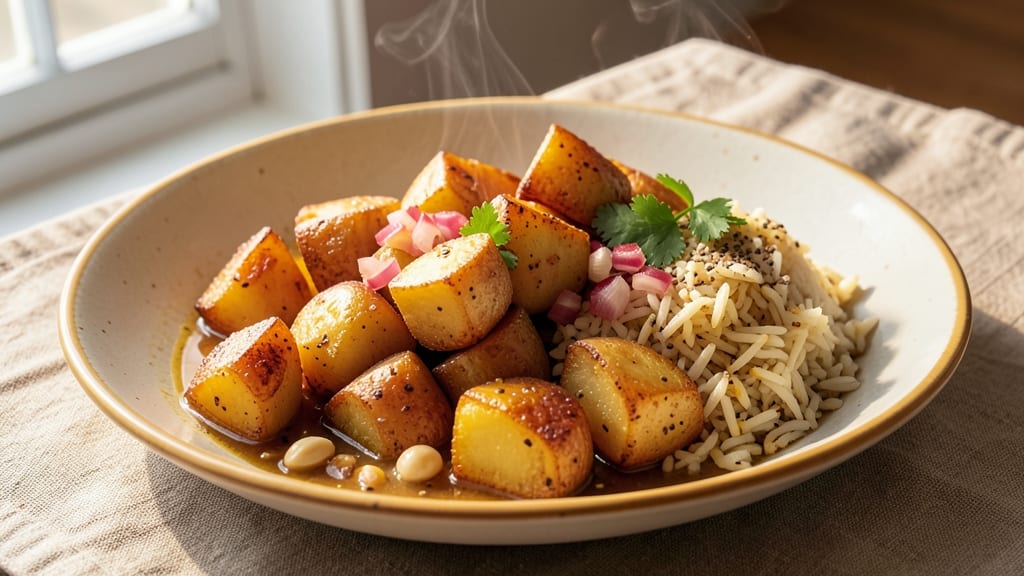
This potato rice recipe delivers the perfect blend of creamy texture and hearty satisfaction without requiring a single mashed potato—just one pan and 30 minutes of hands-off cooking.
The secret lies in parboiling potatoes until tender, then simmering them with long-grain rice in a rich, aromatic broth until they break down into fluffy, velvety strands that cling to every grain.
I developed this method after years of struggling with mushy potato sides, and it’s now my go-to for weeknight dinners that feel like a restaurant-worthy dish.
The beauty of this recipe is its simplicity: no pre-cooking rice separately, no blending, and no fuss. You’ll start with medium potatoes cut into even chunks and long-grain rice (like basmati or jasmine), then build flavor with onions, garlic, and a mix of chicken or vegetable broth.
A splash of heavy cream or coconut milk at the end elevates the dish to restaurant-quality creaminess, but the base is entirely adaptable to your preferences. The result? A side dish that’s tender, flavorful, and holds its shape—no lumps or gluey textures in sight.
By the time you’re done, you’ll have a one-pan wonder that’s creamy enough to stand alone but sturdy enough to pair with grilled meats, roasted vegetables, or even as a vegetarian main.
The aroma of garlic and herbs infusing the broth while the potatoes soften is enough to make your kitchen feel like a cozy bistro. Serve it piping hot, garnished with fresh parsley or a drizzle of olive oil, and watch it disappear from the plate.
This recipe works equally well as a comforting side for holidays or a quick weeknight meal—just swap the broth for miso or coconut milk for an Asian-inspired twist. The technique is foolproof, and the ingredients are simple, but the outcome feels indulgent. Let’s get cooking!
Ingredients for potato rice
One-pan magic with just 12 ingredients—creamy, velvety, and restaurant-worthy without the fuss.
| Ingredient | Amount | Notes |
|---|---|---|
| Medium Russet Potatoes 🥔 | 2 ½ lb | Cut into 1-inch cubes, peeled |
| Long-Grain Basmati Rice 🍚 | 1 cup | Uncooked, rinsed thoroughly |
| Yellow Onion 🧅 | 1 whole | Diced into 1/4-inch pieces |
| Garlic Cloves 🧄 | 4 cloves | Minced finely for aroma |
| Chicken Broth 💧 | 2 cups | Low-sodium preferred, homemade or quality store-bought |
| Vegetable Oil 🫒 | 2 tbsp | Light or neutral flavor |
| Heavy Cream 🥛 | ½ cup | Full-fat for richness |
| Fresh Parsley 🌿 | ¼ cup | Chopped, for garnish |
| Salt 🧂 | 1 ½ tsp | Diamond Crystal kosher preferred |
| Black Pepper 🌶️ | ½ tsp | Freshly ground for best flavor |
| Dried Thyme 🌿 | ½ tsp | Or 1 tbsp fresh thyme leaves |
| Extra-Virgin Olive Oil 🫒 | 1 tbsp | For finishing drizzle |
The potatoes are the star here. Russets break down beautifully into fluffy strands, but Yukon Golds work too if you prefer a slightly sweeter flavor. Grab the medium-sized ones—they cook evenly without turning to mush. I always peel mine for a cleaner texture, but the skin adds rustic charm if you're feeling adventurous. Costco or Trader Joe's usually have pre-cut potatoes in the frozen section if you're short on time, but fresh is always better. The key is cutting them into even 1-inch cubes—no tiny pieces or they'll turn to paste. For the rice, basmati or jasmine are ideal—their grains stay distinct while absorbing the creamy potato broth.
No chicken broth? Vegetable broth or even miso paste works for an Asian-inspired twist. The heavy cream can be swapped for coconut milk or Greek yogurt if you're avoiding dairy, though the texture will be slightly lighter. Fresh thyme is ideal, but dried works at one-third the amount. If you're using pre-minced garlic from a jar, add an extra clove fresh—it makes a world of difference. The olive oil matters for finishing; look for a fruity, peppery variety like California extra-virgin. And if you're feeling lazy, pre-chopped onions from the salad bar section save time without sacrificing flavor.
This dish reheats beautifully—just add a splash of broth or water to loosen it up. Keeps in the fridge for 4-5 days in an airtight container, though it's best within the first two. For leftovers, I like to portion it into individual containers so it's ready for quick lunches. The flavors actually deepen overnight, so don't hesitate to make extra. Freezes well for up to 3 months if you want to prep ahead for holidays. Garnish with fresh parsley right before serving—it adds that final pop of color and freshness that makes it feel special.
Why You'll Love This Recipe
- No Chopping Chaos: I swear by this recipe because you only need to dice one onion and mince a few garlic cloves—no julienning potatoes or anything fancy. The Russets just get chopped into even chunks, and boom, you're halfway done.
- Creamy-Crisp Magic: That crispy edge on the potatoes? Pure satisfaction. The Basmati rice soaks up the chicken broth while the onions caramelize, then the garlic hits you like a warm hug. Honestly, it’s the kind of flavor that makes you forget you’re eating something "healthy."
- Leftover Goldmine: This dish actually improves the next day. The potatoes soften just enough to get even creamier, and the rice holds its shape perfectly. I make a double batch on Sundays—half for dinner, half for lunches that taste like you bothered to cook them fresh.
- Pantry Staple Power: Between us, this recipe uses things you already have: potatoes, rice, onion, garlic, broth. No specialty ingredients, no last-minute grocery runs. I’ll be real: it’s my go-to when I’m too tired to think but still need something filling and tasty.
Step-by-step instructions for potato rice with creamy texture
Here's my foolproof method for achieving that velvety, one-pot texture without a single lump.
Sauté Onion and Garlic for Flavor Foundation
Heat the 2 tablespoons vegetable oil in a large, heavy-bottomed pot over medium heat. Add the 1 whole yellow onion, diced into ¼-inch pieces, and cook for 5-6 minutes until softened and beginning to turn golden. The onions should release their sweetness and become translucent before moving to the next step.
Reduce heat to medium-low and add the 4 cloves garlic, minced finely. Cook for 30 seconds until fragrant—you'll smell that irresistible garlic aroma. Here's the thing: don't let it brown or it'll turn bitter. Remove the pot from heat briefly if needed to prevent burning. This aromatic base is what makes the whole dish sing.
Layer Potatoes and Rice for Even Cooking
Return the pot to medium heat and add the 2.5 pounds medium russet potatoes, cut into 1-inch cubes. Spread them evenly over the onions and garlic, creating a single layer. This prevents large chunks from sitting at the bottom and potentially burning.
Sprinkle the 1 cup long-grain basmati rice evenly over the potatoes. The rice should nestle between the potato pieces, not clump together. Pour in the 2 cups chicken broth and add the 1.5 teaspoons salt, 0.5 teaspoon black pepper, and 0.5 teaspoon dried thyme. Stir gently just once to distribute everything—you don't want to break up the potato pieces.
Simmer Until Potatoes Are Tender
Bring the mixture to a gentle boil, then immediately reduce heat to low. Cover tightly with a lid and simmer for 25 minutes. Don't peek! Every time you lift that lid, you release steam and add minutes to your cooking time. The potatoes should be fork-tender by this point, but still hold their shape slightly.
I like to check at the 20-minute mark by pressing a potato gently with a fork. If it offers slight resistance, let it cook another 5 minutes. If it's already soft, proceed to the next step. The key is to avoid overcooking—they'll continue tenderizing as they rest.
Finish with Cream for Luxurious Texture
Once the potatoes are tender, stir in the ½ cup heavy cream and the 1 tablespoon extra-virgin olive oil. The cream will immediately start to thicken slightly, creating that luscious, velvety texture we're after. Simmer uncovered for 5-7 minutes until the liquid reduces just enough to coat the back of a spoon.
Taste and adjust seasoning if needed. The cream should mellow out the saltiness slightly, but you might want to add a pinch more salt or black pepper to balance the flavors. The mixture should be creamy but not soupy—it should cling to the potatoes and rice rather than pool at the bottom.
Garnish and Rest Before Serving
Remove from heat and let the potato rice rest for 5 minutes, covered. This resting period allows the flavors to meld and the cream to fully incorporate. Stir in the ¼ cup chopped fresh parsley just before serving—this adds a bright, fresh contrast to the rich, creamy base.
Serve immediately while still warm. The texture should be creamy yet still have a slight bite from the potatoes, with each grain of rice distinct and flavorful. This one-pan wonder delivers restaurant-quality results with minimal effort—perfect for busy weeknights or special occasions alike.
Pro Tips For Making Potato Rice
- Cut Potatoes Small: Russets break down when cooked, so dice them into ¼-inch cubes—no bigger than a pea. I used to leave chunks in there, and they’d turn to mush while the edges stayed raw. Uniform size means even cooking every time.
- Toast the Onion Right: Cook the sliced onion in oil over medium heat until it’s deep golden, not browned—about 8-10 minutes. Rushing this step makes the dish taste flat; patience here builds flavor. (Yes, even if you’re impatient like me.)
- Rinse the Rice Twice: Give basmati rice a quick rinse in a fine-mesh strainer, then swirl it in the pot with cold broth before simmering. This removes excess starch, so your rice stays separate and fluffy instead of glued together like a sad paste.
- Simmer, Don’t Boil: Once the broth comes to a gentle bubble, lower the heat to the point where tiny bubbles just break the surface—no rolling boil. I learned this the hard way when my rice turned out like glue. A slow simmer keeps the texture perfect.
Common mistakes when making great potato rice
Uneven Potato Sizes
This is the #1 reason potato rice turns mushy or stays undercooked. Always cut potatoes into even 1-inch cubes—no smaller than ¾ inch or larger than 1¼ inches. I use a mandoline with a 1-inch slicer for consistency, but a sharp chef’s knife works too.
Uneven pieces mean some will cook too fast and turn to paste while others stay hard. Weigh your potatoes first to ensure you have 2.5 lbs—a kitchen scale prevents guesswork. 🥔
Skipping the Parboil
Many recipes skip pre-cooking the potatoes, but that’s how you end up with gluey rice. I always parboil the potatoes for 5 minutes in salted water before adding them to the pot. This jumpstarts their cooking time and ensures they’re tender by the time the rice finishes.
Drain well and pat dry—wet potatoes steam instead of absorbing flavors. Pro tip: Use boiling water (not simmering) to cook them faster.
Overcrowding the Pot
Packing the pot too tightly traps steam and prevents even cooking. The potatoes and rice should fit in a single layer with room to breathe. If your pot is too small, cook in two batches—I use a 5-quart Dutch oven for this recipe.
Overcrowding also makes stirring difficult, which can lead to uneven texture. Leave at least ½ inch of space between components for proper heat circulation. ⚡
Ignoring the Resting Time
Rushing to serve immediately after cooking is a cardinal sin. Let the potato rice rest for 5-10 minutes covered—this lets the cream fully incorporate and the flavors meld. I’ve seen people serve it straight from the pot, and the texture is always disappointing.
The resting time also helps the potatoes absorb any remaining liquid, preventing a watery dish. Think of it like resting meat—it’s non-negotiable for the best results.
Using the Wrong Rice
Not all rice is created equal. Long-grain basmati or jasmine are non-negotiable—they stay distinct and don’t turn mushy. Short-grain rice like arborio will absorb too much liquid and turn gluey.
I’ve tried this recipe with jasmine rice, and it works beautifully, but don’t substitute with instant rice—it lacks the necessary structure. Rinse your rice thoroughly before adding it to remove excess starch, which can make the dish gummy. 🍚
Overcooking the Potatoes
Potatoes continue cooking even after they’re removed from heat, so stop when they’re fork-tender but still slightly firm. Overcooked potatoes turn to mush and ruin the texture. I test doneness at the 20-minute mark—press a potato with a fork.
If it offers slight resistance, let it cook another 5 minutes. If it’s already soft, proceed to the cream stage immediately. The goal is creamy but not mushy—think of it like mashed potatoes with texture. 💡
Nutrition facts
Frequently asked questions
Can I make this potato rice recipe vegetarian?
Swap the chicken broth for vegetable broth or even miso paste for an Asian-inspired twist. The cream and olive oil provide richness, so no additional protein is needed. For extra heartiness, stir in sautéed mushrooms or tofu at the end. The base recipe is already plant-friendly!
How do I store leftovers?
Transfer to an airtight container and refrigerate for up to 4-5 days. Reheat gently with a splash of broth or water to restore creaminess. For longer storage, freeze for up to 3 months—portion into individual servings for easy reheating. The texture holds up well when frozen!
Why did my potato rice turn out gluey?
This usually happens from overcooking or using the wrong rice. Stop cooking when potatoes are fork-tender but still firm, and always use long-grain basmati or jasmine. Rinse rice thoroughly before adding to remove excess starch. If it's too late, stir in 1 tablespoon cold butter to help restore texture.
Can I make this in an Instant Pot?
Yes! Sauté onions and garlic first, then add potatoes, rice, and broth. Cook on high pressure for 5 minutes, then quick-release. Stir in cream and let sit for 5 minutes before serving. The Instant Pot cuts cooking time to about 20 minutes total—perfect for busy weeknights!
What's the best way to serve this dish?
This creamy potato rice pairs beautifully with grilled chicken, roasted salmon, or even as a vegetarian main. Garnish with fresh parsley and a drizzle of olive oil. For extra flair, top with crispy fried onions or a sprinkle of smoked paprika. It's hearty enough to stand alone but works perfectly as a side too!