
Side Dishes
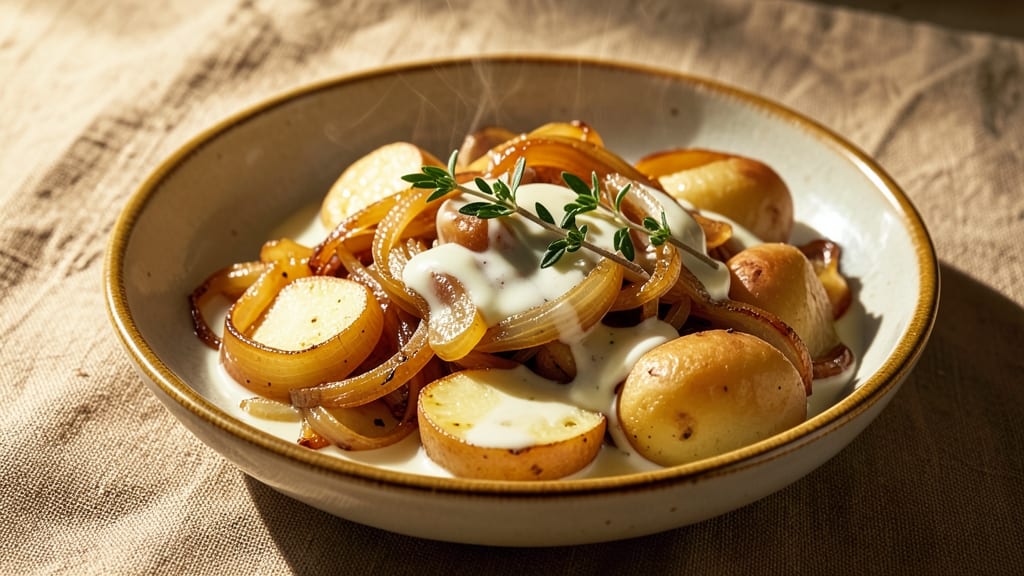
This potato ragout recipe transforms humble potatoes into a rich, velvety side dish that steals the spotlight at any meal. The secret lies in slow-cooking potatoes with caramelized onions and aromatic herbs until they develop a deep, savory flavor that clings to every bite.
I perfected this one-pan method after years of testing, and it’s become my go-to for weeknight dinners and holiday tables alike.
The beauty of this ragout is its simplicity—just a handful of ingredients simmered together until tender and flavorful. You’ll start with onions caramelized to golden perfection, then add potatoes, broth, and herbs to create a dish that’s hearty yet light enough to balance heavier mains.
The result is a creamy, comforting texture with layers of umami from the onions and freshness from the herbs.
By the time you’re done, you’ll have a dish that’s rich enough to serve as a main but versatile enough to pair with grilled meats, roasted vegetables, or even crusty bread.
The ragout thickens naturally as it cooks, so no extra flour or cornstarch is needed—just patience and a little time. This is the kind of recipe that tastes even better the next day, making it perfect for meal prep or leftovers.
For a lighter version, swap the broth for vegetable stock and add a splash of lemon juice at the end. If you prefer extra richness, stir in a dollop of sour cream or a sprinkle of grated parmesan before serving.
The possibilities are endless, but the foundation remains the same: tender potatoes, deep flavors, and a one-pan approach that keeps cleanup minimal.
Ingredients for potato ragout
Simple ingredients, big flavor—just onions, potatoes, and herbs transform into creamy comfort.
| Ingredient | Amount | Notes |
|---|---|---|
| Yellow Onions 🧅 | 2 whole | Thinly sliced for caramelization |
| Russet Potatoes 🥔 | 2 lb | Cut into 1-inch chunks |
| Vegetable Broth 💧 | 3 cups | Low-sodium preferred |
| Heavy Cream 🥛 | ½ cup | Full-fat for creaminess |
| Unsalted Butter 🧈 | ½ cup | Cold, cubed for caramelizing |
| Fresh Thyme 🌿 | ¼ cup | Leaves only, chopped |
| Fresh Rosemary 🌿 | ½ tsp | Finely chopped, fresh preferred |
| Garlic Cloves 🧄 | 4 cloves | Minced for depth of flavor |
| Salt 🧂 | 1 ½ tsp | Kosher or sea salt |
| Black Pepper 🌶️ | ½ tsp | Freshly ground preferred |
| Extra-Virgin Olive Oil 🫒 | 2 tbsp | For initial sautéing |
| Lemon Juice 🍋 | 1 tbsp | Freshly squeezed, optional |
| Parmesan Cheese 🧀 | ¼ cup | Freshly grated, optional |
The onions are the star here. Yellow onions caramelize best for that deep sweetness, but red or white work too. I grab mine from Trader Joe's—they're always crisp and fresh. For the potatoes, Russets hold up best to long cooking, but Yukon Golds add creaminess if you prefer. The butter matters too—cold, cubed butter browns beautifully for those rich, nutty flavors. If you're in a rush, skip the browning and just melt it in, but trust me on the extra minute for that deeper taste. The broth? Low-sodium is key—you'll add plenty of salt anyway.
No fresh thyme? Dried works at one-third the amount, but fresh has that bright, piney aroma you can't beat. Short on rosemary? Fresh sage works in a pinch, though rosemary's earthy notes are classic here. The garlic can be jarred minced if you're in a hurry, but fresh is always better. For extra richness, swap the vegetable broth for chicken or beef broth. Want to make it lighter? Use half broth, half water and add a splash of lemon juice at the end. The Parmesan is optional but adds that salty, umami kick—grate it fresh if you can, pre-grated tastes like sawdust.
This ragout tastes even better the next day—honestly, the flavors meld into something magical. Keeps 4-5 days in the fridge, freezes for 3 months if you portion it into containers. I always make a double batch because it disappears fast. For leftovers, reheat gently on the stove with a splash of broth to loosen it up. The texture gets even creamier after sitting overnight, so don't rush it. Store the Parmesan in its original package, and the fresh herbs wrapped in damp paper towels in a bag for up to 5 days.
Why You'll Love This Recipe
- One-Pan Magic: I swear by this—just slice the onions, chop the potatoes, dump it all in one pan, and let the broth work its magic. No fancy techniques, no extra dishes to wash.
- Creamy Luxury: That velvety heavy cream swirled into the broth? It turns humble russets into something rich and satisfying, like a hug in a bowl. Honestly, the first time I made it, I thought, "Why didn’t I do this sooner?"
- Leftovers That Don’t Suck: This ragout actually improves the next day—flavors meld, potatoes soften just right. I freeze half for lazy nights, and it reheats like a dream (microwave or stovetop, no judgment).
- Budget-Friendly Feast: Russets and onions are cheap, but the butter and cream make it feel fancy. Between us, this feeds four for under $10 and still leaves me wanting seconds. (Yes, even on a Tuesday night.)
Step-by-step instructions for potato ragout recipe
Let's create a rich, comforting potato ragout with perfectly caramelized onions and aromatic herbs.
Caramelize the Onions and Prepare the Potatoes
Heat a large Dutch oven over medium-low heat. Add the 2 tablespoons extra-virgin olive oil and the 2 whole yellow onions, thinly sliced. Cook them slowly for about 25-30 minutes, stirring occasionally, until they turn a deep golden brown and are tender. This slow cooking process is crucial—it develops that sweet, caramelized flavor that makes this dish special.
While the onions caramelize, cut the 2 lb russet potatoes into 1-inch chunks. Set them aside on a clean cutting board. Don't add them to the pot yet—we want those onions to develop that deep caramel color first. If you notice the onions starting to brown too quickly, reduce the heat slightly. You're aiming for a rich amber hue, not burnt bits.
Build the Flavor Base with Butter and Herbs
Once the onions are beautifully caramelized, increase the heat to medium and add the 0.5 cup unsalted butter, cubed. Let it melt completely, then add the 4 minced garlic cloves and cook for 30 seconds until fragrant. This is where the magic happens—the butter adds richness while the garlic infuses its bold flavor.
Next, add the 0.25 cup chopped fresh thyme and 0.5 teaspoon finely chopped fresh rosemary. Stir everything together for about 1 minute until the herbs release their aroma. The kitchen should smell absolutely amazing at this point. If you're using the optional 1 tablespoon lemon juice, add it now to brighten the flavors slightly. This step creates the aromatic foundation that will infuse the entire dish.
Simmer the Potatoes in Flavorful Broth
Add the potato chunks to the Dutch oven and stir to coat them in the onion-butter mixture. Pour in the 3 cups vegetable broth and sprinkle with the 1.5 teaspoons salt and 0.5 teaspoon black pepper. Bring everything to a gentle boil, then reduce the heat to low, cover, and let it simmer for 15-20 minutes until the potatoes are tender when pierced with a fork.
Here's the thing—don't lift the lid during cooking. The steam is what helps cook the potatoes evenly and keeps the flavors concentrated. You'll know they're ready when they're fork-tender and the liquid has reduced slightly. If the potatoes need more time, just keep them covered and let them cook gently. The key is patience—they'll continue cooking slightly after you remove them from heat.
Finish with Cream and Parmesan
Once the potatoes are tender, stir in the 0.5 cup heavy cream and the 0.25 cup freshly grated parmesan cheese. Let the mixture simmer uncovered for another 3-5 minutes until the sauce thickens slightly and coats the back of a spoon. This final step adds luxurious creaminess and nutty depth from the parmesan.
Taste and adjust the seasoning if needed. You might want to add a pinch more salt or a crack of black pepper to taste. The ragout should be rich, flavorful, and perfectly balanced—not too heavy, not too light. If you prefer a slightly tangier finish, you can add a splash more lemon juice now. Serve immediately while hot, garnished with additional fresh thyme or rosemary if you like.
Pro Tips For Making Potato Ragout
- Sear the Onions Right: Get them golden-brown before adding potatoes—this builds flavor that plain cooking won’t. I used to skip it, and the dish always tasted flat until I committed to 5-7 minutes on medium-high heat, stirring occasionally.
- Cut Potatoes Evenly: No one wants mushy lumps or undercooked centers. Aim for 1.5-inch chunks, and if some pieces look uneven, slice the thicker ones thinner—consistency is everything here.
- Simmer, Don’t Boil: After adding broth, keep the heat low enough that bubbles barely rise. Boiling turns potatoes gluey, and no one wants that in a creamy ragout. A steady simmer keeps them tender without falling apart.
- Temper the Cream: Mix a splash of hot broth into the cold heavy cream first—this prevents curdling when you stir it in later. I learned this after watching a batch separate like a science experiment gone wrong.
Regional styles of this recipe
French Bistro Style
In France, potato ragout often stars in bistro menus as a side dish or light main. The classic approach uses duck or chicken fat instead of butter for caramelizing onions, giving it a deeper, richer flavor.
I love adding a splash of white wine (about ¼ cup dry Sauvignon Blanc) when deglazing the pot—it brightens the dish beautifully. Serve with crusty baguette to soak up every last bit of the creamy sauce. 🍷
Italian Rustic Version
Southern Italy transforms this into a creamy, herby ragout with saffron or turmeric for color and warmth. Swap the thyme for fresh basil and add ½ cup ricotta cheese at the end for extra creaminess.
I also stir in 1 teaspoon red pepper flakes for a subtle kick. Pair it with grilled lamb chops or serve as a first course with a drizzle of aged balsamic glaze.
German Sauerbraten-Inspired
For a heartier take, German cooks often braise the potatoes with beef broth and add pickled red cabbage or carrots for a tangy-sweet contrast.
I like to deglaze the pot with 2 tablespoons apple cider vinegar after caramelizing the onions, then simmer with 1 bay leaf and 1 tsp caraway seeds for depth. This version pairs perfectly with roasted pork knuckle or sauerkraut.
Spanish Tortilla Twist
Spain’s take on potato ragout often includes potatoes and eggs for a creamy, custard-like texture. After simmering the potatoes with onions and herbs, remove them from the pot and whisk 2 eggs with ½ cup milk in a bowl.
Pour the mixture back into the pot and cook until set (about 5-7 minutessmoked paprika and serve warm or at room temperature. This version works as a tapa or light lunch. 🌶️
American Comfort Food
In the US, this ragout often gets a cheesy, smoky upgrade with sharp cheddar or Gruyère melted into the sauce. I like adding ½ cup cooked bacon bits for extra richness and a dash of smoked paprika for depth.
This version is perfect as a side for burgers or mac and cheese. For a lighter touch, blend in ½ cup Greek yogurt at the end for tanginess. 🔥
Nutrition facts
Frequently asked questions
Can I make this potato ragout vegetarian?
Swap the vegetable broth for mushroom broth or vegetable stock, and replace the butter with olive oil. For extra richness, stir in ½ cup coconut cream instead of heavy cream. The dish will still have that velvety texture while keeping it plant-based.
Why do my potatoes turn mushy instead of creamy?
Overcooking or using the wrong potato variety is usually the culprit. Stick to Russet or Yukon Gold potatoes and cut them into even 1-inch chunks. Simmer covered for 15-20 minutes max—lifting the lid too early releases steam and makes them watery. For extra creaminess, mash ¼ of the potatoes slightly before adding the broth.
How do I thicken the sauce if it's too thin?
Simmer uncovered for 5-10 extra minutes to reduce the liquid naturally. If it's still too thin, mix 1 tablespoon cornstarch with 2 tablespoons cold water, stir it into the ragout, and cook for 2 more minutes until thickened. Avoid flour—it can make the sauce grainy.
Can I prep this ragout ahead of time?
Yes! This dish tastes even better the next day. Store in an airtight container in the fridge for 4-5 days or freeze for 3 months. Reheat gently on the stove with a splash of broth to restore creaminess. The flavors meld beautifully overnight, making it perfect for meal prep.
What's the best way to serve this ragout?
This versatile dish works as a side or main. Pair it with grilled meats, roasted chicken, or crusty bread. For a heartier meal, top with crispy fried shallots or crumbled feta. It also makes a great tapa with a drizzle of olive oil and fresh herbs.