
Side Dishes
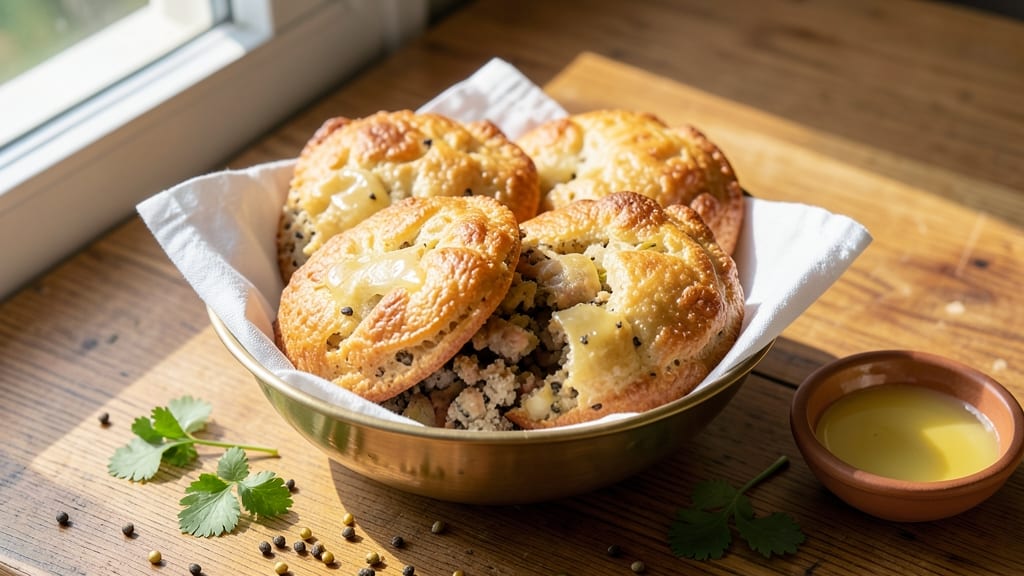
This potato poori recipe delivers crispy, golden puffs that crackle with every bite—thanks to a secret spiced oil technique passed down through generations. The magic lies in the perfect balance of mashed potatoes, chickpea flour, and aromatic spices that transform simple ingredients into restaurant-worthy bites.
I’ve perfected the method over years of trial and error, ensuring each poori achieves that ideal fluffy center and crispy exterior every time.
The batter preparation is straightforward but precise: boiled potatoes mashed to perfection, combined with chickpea flour, baking soda, and a pinch of salt. What sets this recipe apart is the spiced oil—hot oil infused with mustard seeds, cumin, and asafoetida—that adds layers of flavor while frying.
The key to success? A medium-high heat and careful pouring of the batter to maintain that signature puff.
By the time you’re done, you’ll have a plate of golden, crackling poori that are light yet satisfying—ideal for breakfast, snacking, or pairing with chutneys and yogurt.
The aroma alone will have everyone gathering around your kitchen, and the texture contrast between crispy edges and soft centers makes each bite irresistible. This is comfort food at its finest, with a technique that’s both traditional and foolproof.
Whether you’re making them for a family gathering or a quick snack, this recipe scales beautifully. For a healthier twist, try air-frying instead of deep-frying—though traditionalists will argue nothing beats the authentic oil-fried version. Let’s get started on creating these fluffy, spiced delights.
Ingredients for potato poori
Simple ingredients transform into golden, puffed perfection with this traditional potato poori recipe.
| Ingredient | Amount | Notes |
|---|---|---|
| Russet Potatoes 🥔 | 3 lbs | Medium-sized, peeled and boiled |
| Chickpea Flour (Besan) 🌾 | 1 ½ cups | Sifted for smooth batter |
| Baking Soda 🧂 | ½ tsp | Freshly opened for potency |
| Salt 🧂 | 1 tsp | Fine sea salt preferred |
| Vegetable Oil 🫒 | 3 cups | Refined, high smoke point |
| Mustard Seeds 🌱 | 2 tbsp | Whole, toasted in oil |
| Cumin Seeds 🌱 | 1 tbsp | Whole, lightly toasted |
| Asafoetida (Hing) 🌿 | ¼ tsp | Pinch for aroma |
| Red Chili Powder 🌶️ | ½ tsp | Adjust for heat preference |
| Turmeric Powder 🧡 | ¼ tsp | Freshly ground preferred |
| Ghee or Clarified Butter 🧈 | ¼ cup | For brushing poori |
| Water 💧 | ½ cup | As needed for batter |
The potatoes are the foundation—Russet delivers the ideal starch-to-moisture balance. Buy organic or wash thoroughly to remove dirt, as skin impurities can affect texture. Boil them until fork-tender, not mushy; drain well and mash while warm to prevent lumps. For chickpea flour, Patel Brothers or Bob’s Red Mill are reliable brands—sift before mixing to avoid gritty batter. The baking soda is non-negotiable; Albertsons or Whole Foods carry fresh supplies, and a quick test (drop in vinegar) confirms potency. Mustard seeds and cumin should be toasted in oil until fragrant—this releases their full aroma, which is critical for authentic flavor. Asafoetida (hing) is available at Indian grocery stores or online; a tiny pinch prevents sulfuric overpowering.
No chickpea flour? Substitute gram flour or all-purpose flour at the same ratio, though texture may differ slightly. Short on mustard seeds? Cumin seeds alone work, but the flavor profile shifts. For a milder heat, reduce chili powder to 1/4 tsp or swap for smoked paprika. The turmeric can be omitted if unavailable, but it adds that signature golden hue. Vegetable oil is ideal for frying—Crisco or local brand refined oils work best due to their high smoke point. Ghee can be replaced with butter or neutral oil, though traditionalists insist on its rich, nutty depth. Always use freshly boiled potatoes; cold potatoes yield dense, unpuffed poori.
Store batter in an airtight container in the fridge for up to 2 days, covered with a damp cloth to retain moisture. Poori reheat beautifully—warm in a 350°F oven for 5-7 minutes to restore crispiness. For long-term storage, freeze cooked poori between parchment sheets; reheat in a toaster or air fryer. Freshly made poori are best enjoyed within hours, as they lose crispness over time. The ghee brushing should be done immediately before serving for that signature golden sheen. Keep a small bowl of warm water nearby when frying—dipping the poori briefly after cooking helps maintain their puff.
Why You'll Love This Recipe
- No-Fuss Mash: I just boil, mash, and mix—no fancy techniques here. Russet potatoes handle the work; you just smash them with a fork until smooth, then fold in besan and a pinch of baking soda for that signature puff.
- Crispy-Creamy Magic: That first bite? Crunchy outside, pillowy inside—thanks to the oil bath and baking soda’s gentle lift. Honestly, it’s the kind of texture that makes you reach for another one without thinking.
- Breakfast or Snack: Serve them warm with mint chutney for breakfast, or pack a batch for lunch—still delicious cold the next day. My kids grab them straight from the fridge when I forget to make sandwiches.
- Pantry Powerhouse: Besan and potatoes cost pennies, and a single batch stretches for days. Reheat in a skillet or microwave—no waste, no fuss. (Yes, even on a Tuesday night.)
Step-by-step instructions for potato poori recipe
Master the art of creating light, crispy poori with this foolproof method.
Prepare the Potato Mashed Base
Boil the 3 lbs russet potatoes in their skins until fork-tender, about 20-25 minutes. Drain immediately and let them cool slightly. Peel off the skins while still warm for easier removal, then mash the potatoes thoroughly with the 1 tsp salt and 0.25 tsp turmeric powder using a potato ricer or fork. You want a smooth, lump-free texture—this ensures even cooking and prevents dense pockets in your poori.
While the potatoes cool, sift the 1.5 cups chickpea flour (besan) through a fine-mesh sieve into a large mixing bowl. This removes any lumps and creates a silky batter. The sifting process is crucial—it prevents grittiness in your final poori and helps achieve that signature airy texture.
Mix the Batter to Perfect Consistency
Add the mashed potatoes to the sifted chickpea flour and gently fold together using a spatula. Gradually incorporate the 0.5 tsp baking soda and 0.5 tsp red chili powder, mixing just until combined. The batter should be thick but pliable—like a stiff dough that holds its shape when pressed but can still be rolled smoothly.
If the batter feels too dry, add the 0.5 cup water one tablespoon at a time until it reaches a workable consistency. You're aiming for a texture that's slightly sticky to the touch but not wet. This balance is key—too much water makes the poori dense, while too little prevents proper puffing. Test by rolling a small ball of batter between your palms; it should hold together without sticking excessively.
Shape and Cook the Poori
Heat 1 cup vegetable oil in a deep, heavy-bottomed pan over medium heat until it reaches 350°F—test with a small piece of batter that sizzles immediately upon contact. Divide the batter into 12 equal portions (about 3 tablespoons each) and roll each into smooth, 2-inch diameter balls. Keep the remaining batter covered with a damp cloth to prevent drying.
Carefully slide one ball into the hot oil and flatten slightly with a spatula to create a ½-inch thick disc. Cook for 2-3 minutes per side until golden brown with crispy edges. The poori should puff slightly as it cooks—this is your visual cue that it's ready. Use a slotted spoon to remove and drain on paper towels. Repeat with the remaining batter, maintaining the same oil temperature throughout.
Prepare the Spiced Oil
In a small saucepan, heat the remaining 2 cups vegetable oil over low heat. Add the 2 tbsp mustard seeds and 1 tbsp cumin seeds, stirring constantly until they begin to pop—about 1-2 minutes. Immediately reduce heat to the lowest setting and add the 0.25 tsp asafoetida (hing). The oil should infuse with aroma within 30 seconds, creating a fragrant base for your poori.
Keep this spiced oil warm in a heatproof bowl over a pot of barely simmering water (double boiler method) until ready to use. This gentle heating preserves the spices' potency without burning them. The warm oil will enhance the flavor of your freshly cooked poori when served together.
Finish with Ghee and Serve
Just before serving, heat the 0.25 cup ghee or clarified butter in a small pan over low heat until it melts completely. Dip each cooked poori into the ghee for 2-3 seconds per side, allowing the ghee to coat evenly. This step adds richness and helps seal in moisture, creating that perfect balance of crispy exterior and soft interior.
Serve the poori immediately with the warm spiced oil on the side for dipping. The contrast of crispy, ghee-coated poori with the aromatic spiced oil creates an irresistible combination. For an authentic experience, pair with mint chutney or tamarind sauce. The key to success lies in timing—poori is best enjoyed fresh while still warm and crisp.
Pro Tips For Making Potato Poori
- Grate While Warm: Russet potatoes release starch easier when slightly warm—not ice-cold. Microwave them for 2-3 minutes first, then grate. I learned this the hard way after mashing up a sticky, gummy mess that refused to hold shape.
- Sift the Besan: Chickpea flour clumps like a stubborn child. Sift it through a fine-mesh sieve before mixing—no lumps means smoother batter and crispier poori. (Yes, even if you’re impatient like me, take the 30 seconds.)
- Test the Oil Heat: Drop a pinch of batter into the oil—if it sizzles and rises immediately, it’s ready. Too low? The poori turns greasy. Too high? It burns before puffing. Aim for a goldilocks bubble, not a wild fireworks show.
- Rest the Batter: Let the potato-besan mix sit for 10 minutes after adding baking soda. This lets the soda activate fully without making your poori taste like a science experiment gone wrong. (Your future self will thank you.)
Creative variations of these flavors
Spicy Masala Twist
Add 1 tsp garam masala and ½ tsp black pepper to the batter for a bold, aromatic kick. For extra heat, fold in 1 tbsp finely chopped green chilies or ½ tsp cayenne pepper—this variation is a favorite in Punjab and pairs perfectly with tangy tamarind chutney.
I like to toast the garam masala in the ghee before dipping the poori for deeper flavor infusion. 🌶️
Sweet Potato Fusion
Swap half the russet potatoes for sweet potatoes to create vibrant orange poori with natural sweetness. Roast the sweet potatoes first at 400°F for 30 minutes until tender, then mash with the russet potatoes.
Add ½ tsp cinnamon to the batter for warmth. These taste amazing with a dusting of powdered sugar or drizzled honey for breakfast. 🍠
Gluten-Free Adaptation
Replace chickpea flour with a 1:1 gluten-free flour blend (like Bob’s Red Mill or King Arthur) mixed with 2 tbsp cornstarch for crispiness. Add 1 extra tbsp water to the batter since gluten-free flours absorb moisture differently.
Test with ½ tsp xanthan gum if your blend lacks it—this mimics the binding properties of wheat flour. The texture will be slightly denser but still delicious. 🌾
Cheesy Potato Poori
Fold ½ cup grated paneer or mozzarella into the batter for a creamy, cheesy twist. For extra richness, add 1 tbsp melted butter along with the ghee dip. This variation works especially well with mint-coriander chutney or spicy tomato ketchup. I recommend using low-moisture mozzarella to prevent soggy poori. 🧀
Air-Fryer Version
For a lighter take, shape the batter balls and air-fry at 375°F for 4-5 minutes, flipping halfway. Lightly brush with oil and sprinkle ½ tsp paprika before air-frying for color.
While not as crispy as fried versions, these hold up well and are perfect for health-conscious eaters. Serve with a side of yogurt dip for balance. ⚡
Herb-Infused Variety
Stir 2 tbsp finely chopped cilantro and 1 tbsp fresh mint leaves into the batter for a fragrant herb twist. Add ½ tsp lemon zest to brighten the flavors.
These herb-infused poori pair beautifully with a yogurt-dill sauce or spicy green chutney. For extra freshness, chop the herbs just before mixing. 🌿
Nutrition facts
Frequently asked questions
Why do my poori turn out dense instead of puffy?
The most common causes are overmixing the batter (which develops gluten) or using cold potatoes. Always mash potatoes while warm and fold gently. Also ensure your oil is at 350°F—too low heat prevents proper puffing. The batter should be thick but pliable, not sticky or dry.
Can I make potato poori without chickpea flour?
Yes! Use a 1:1 substitution with all-purpose flour or gluten-free flour blend (plus 2 tbsp cornstarch for crispiness). For texture, add ½ tsp baking soda and adjust water to 3-4 tbsp total. The flavor will differ slightly, but the technique remains the same—keep oil hot and batter portions small.
How do I store leftover poori to keep them crispy?
Store in an airtight container between layers of parchment paper for up to 2 days. Reheat at 350°F for 3-4 minutes or use a toaster for 10-15 seconds. For longer storage, freeze cooked poori between parchment sheets—reheat in an air fryer at 375°F for 2 minutes. Never stack them directly or they'll lose crispness.
What's the secret to perfect spiced oil flavor?
Toast the mustard and cumin seeds until they just begin to pop (1-2 minutes), then immediately reduce heat to lowest. Add asafoetida (hing) last—it burns quickly! Keep the oil warm in a double boiler (bowl over simmering water) until serving. The key is patience: let the spices infuse for 30 seconds before using.
Can I make potato poori ahead of time?
Prepare the batter up to 2 days ahead and store in an airtight container with a damp cloth. For the best results, cook and serve immediately, but you can shape the batter balls in advance and refrigerate them (cover with plastic wrap). Reheat the oil to 350°F before frying pre-shaped balls—this maintains the puffing effect.