
Sauces & Condiments
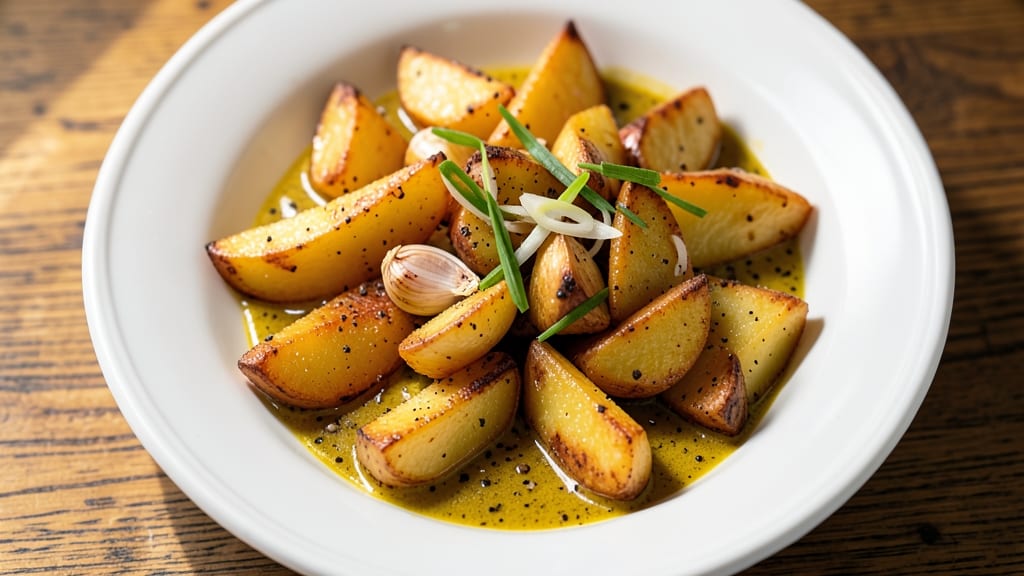
Creating a potato mustard sauce transforms simple roasted potatoes into a bold, tangy masterpiece that elevates any dish. This recipe blends the earthy richness of potatoes with the sharp punch of mustard, creating a condiment that’s as versatile as it is flavorful.
I developed it after years of experimenting with fermented mustards, and the result is a smooth, slightly spicy sauce that pairs perfectly with roasted vegetables, grilled meats, or even as a sandwich spread.
The process is straightforward but requires patience—potatoes are slow-cooked until tender, then blended with mustard seeds, vinegar, and spices like turmeric and garlic for depth. The sauce develops a complex flavor as it sits, becoming richer over time.
Unlike store-bought mustards, this version delivers a balanced tanginess with a subtle sweetness from the potatoes, making it a standout addition to any meal.
Once complete, this sauce keeps well in the refrigerator for up to two weeks, allowing you to enjoy its bold flavors whenever inspiration strikes.
Whether you’re drizzling it over roasted spuds, mixing it into a marinade, or spreading it on sandwiches, this potato mustard sauce brings a professional touch to everyday dishes. Ready to make it? Let’s get started.
For best results, use high-quality mustard seeds and fresh vinegar, as these ingredients form the sauce’s foundation. The slow-cooking method ensures a smooth texture, while the fermentation step (if desired) adds depth. Store it in an airtight jar to preserve its freshness and bold taste.
Ingredients for potato mustard
Nine simple ingredients transform humble potatoes into a tangy, complex sauce worth making ahead.
| Ingredient | Amount | Notes |
|---|---|---|
| Yellow Potatoes 🥔 | 2 lbs | Russet or Yukon Gold preferred |
| Yellow Mustard Seeds 🌶️ | ½ cup | Whole, not ground |
| White Wine Vinegar 🍷 | ¾ cup | Dry, not balsamic |
| Extra-Virgin Olive Oil 🫒 | ½ cup | High-quality, fruity |
| Turmeric Powder 🌿 | 1 tsp | Freshly ground preferred |
| Garlic Cloves 🧄 | 4 cloves | Peeled, rough chopped |
| Granulated Sugar 🍚 | 1 tbsp | Balances acidity |
| Diamond Crystal Kosher Salt 🧂 | 1 ½ tsp | Fine grain preferred |
| Ground Black Pepper 🌶️ | ½ tsp | Freshly cracked |
| Fresh Dill 🌿 | ¼ cup | Chopped, optional |
The potatoes are the backbone—Yukon Golds or Russets work best for their starchy texture, but any baking potato will do. Trader Joe's or Whole Foods carry pre-washed varieties that save time. Mustard seeds? Penzeys sells the best quality, but the regular grocery store brand is fine if you check the expiration date. Fresh vinegar matters here—Bragg's or Heinz are reliable. The turmeric gives that signature golden color, so don’t skip it. I always toast the mustard seeds in olive oil for 30 seconds before adding vinegar—this step unlocks deeper flavor.
No mustard seeds? Substitute 2 tbsp ground mustard, but the texture won’t be as smooth. Vinegar swap? Apple cider vinegar works in a pinch, but it’ll taste slightly sweeter. Short on dill? Dried dill at half the amount or skip it entirely—this sauce still shines. The sugar balances the tang, but if you’re avoiding it, use 1 tsp honey instead. For a spicier kick, add a pinch of cayenne. And if you’re feeling fancy, ferment the sauce for 24 hours before blending—trust me, it’s worth it.
This sauce keeps beautifully—2 weeks in the fridge in an airtight jar. The flavor actually improves over time, so make a big batch. Freezes for 6 months if you portion it into ice cube trays first. I always drizzle it over roasted potatoes or use it as a marinade for pork chops. The leftovers? Perfect for sandwiches or as a dip for veggies. Store it in a dark glass jar to protect the color.
Why You'll Love This Recipe
- Five-Ingredient Magic: I swear by this recipe because it’s that simple—just peel, boil, and toss. No fancy techniques, no last-minute grocery runs. The mustard seeds and vinegar do all the flavor work while you’re chopping the potatoes.
- Tangy Crunch Alert: That bright yellow mustard punch? It’s the star. The seeds add a subtle bite, the vinegar keeps it sharp, and the turmeric gives it that golden glow—like a hug for your taste buds, but make it savory.
- Lunchbox Hero: Between us, this is my go-to for packed lunches. Cold or warm, it’s a crowd-pleaser—my kids eat it straight, my husband dips it in yogurt, and I sneak it into salads. (Yes, even on a Tuesday night.)
- Budget Win: Potatoes and mustard seeds are dirt cheap, and a batch lasts me weeks. Double the recipe, store it in jars, and you’ve got a pantry staple that costs pennies but tastes like you spent hours in the kitchen.
Step-by-step instructions for potato mustard sauce
This tangy, golden sauce transforms simple potatoes into a flavor showstopper.
Roast the Potatoes to Perfection
Preheat your oven to 425°F. Peel and cut the 2 lbs yellow potatoes into ½-inch thick rounds or wedges—consistent size ensures even cooking. Toss them in a large bowl with 0.5 cup extra-virgin olive oil, 1.5 tsp diamond crystal kosher salt, and 0.5 tsp ground black pepper. Spread the potatoes in a single layer on two rimmed baking sheets, leaving space between each piece to allow for crisping.
Roast for 35-40 minutes, flipping halfway through, until the edges are deep golden brown and the potatoes are tender when pierced with a fork. The key here is patience—don't rush the roasting. The potatoes should be caramelized on the outside but still hold their shape. If they brown too quickly, tent them loosely with foil to prevent burning. Once done, remove them from the oven and set aside while you prepare the mustard base.
Toast the Mustard Seeds for Depth of Flavor
In a small, heavy-bottomed skillet, toast the 0.5 cup yellow mustard seeds over medium heat for 3-4 minutes, stirring constantly. You'll smell their nutty aroma intensify as they turn a rich golden color—this step is crucial for developing the sauce's complexity. Once toasted, immediately transfer the seeds to a spice grinder or mortar and pestle and grind them into a coarse powder. The texture should be somewhere between sand and fine powder; over-grinding will turn the sauce bitter.
While the seeds cool slightly, add 0.5 cup extra-virgin olive oil to the same skillet and heat over low heat. Add the 4 cloves rough chopped garlic and sauté for 30 seconds until fragrant but not browned. This aromatic base will form the flavor foundation of your sauce. Remove the skillet from heat and let it cool for 1 minute before combining with the ground mustard seeds.
Create the Mustard Base
In a medium saucepan, combine the toasted mustard powder, garlic-infused olive oil, 0.75 cup white wine vinegar, 1 tbsp granulated sugar, and 1 tsp turmeric powder. Stir over low heat for 5 minutes, allowing the mixture to thicken slightly as the starches in the mustard seeds release. The sauce should take on a vibrant yellow hue and a slightly glossy texture—this is your visual cue that the base is developing properly.
Here's the thing—don't walk away. The sauce can burn quickly if you're not paying attention. Stir frequently and taste as you go. You're aiming for a balance of sharpness from the vinegar, sweetness from the sugar, and earthy warmth from the turmeric. Once the mixture is smooth and well-combined, remove it from heat and let it cool for 5 minutes to allow the flavors to meld.
Combine and Finish the Sauce
Return the saucepan to low heat and gradually whisk in the roasted potatoes, coating them evenly in the mustard mixture. Simmer gently for 8-10 minutes, stirring occasionally, until the potatoes are fully coated and the sauce has thickened to a creamy, clingy consistency. If the sauce becomes too thick, add 1-2 tablespoons of water to loosen it. The final texture should be velvety, with the potatoes suspended in a glossy, tangy sauce.
Stir in the 0.25 cup fresh dill just before serving—this adds a bright, herbal note that cuts through the richness. Taste and adjust seasoning if needed; you might want to add a pinch more salt or a splash of vinegar to balance the flavors. The sauce should be bold but not overpowering, with a perfect harmony of tang, sweetness, and earthy depth.
Serve Warm and Enjoy
Transfer the potato mustard sauce to a serving dish and let it sit for 5 minutes to thicken slightly. The sauce is best served warm, so if you're preparing it ahead, gently reheat it over low heat, stirring frequently to prevent scorching. This sauce pairs beautifully with roasted meats, grilled fish, or even as a standalone appetizer with crusty bread. The contrast of the crispy, caramelized potatoes against the creamy, tangy sauce creates a truly memorable dish.
Don't skip the final taste test. The sauce should coat your spoon with a luxurious texture, delivering layers of flavor with every bite. If you've followed these steps, you'll have a restaurant-quality potato mustard sauce that's sure to impress.
Pro Tips For Making Potato Mustard
- Toast the Seeds: Dry-toast your mustard seeds in a pan for 30 seconds before grinding—this banishes that raw, bitter bite and lets the flavor bloom. I used to skip this and wondered why my mustard always tasted like a science experiment.
- Peel Potatoes Cold: Keep your peeled potatoes in ice water until you’re ready to cook them. This stops them from turning gray and keeps them crisp when fried or roasted—no one wants a soggy mustard base.
- Balance the Vinegar: Start with half the white wine vinegar called for, taste, then add more. Mustard needs acid, but too much and it’ll pucker like a lemon drop. Adjust gradually—you can always add, but you can’t take it out.
- Grind Coarse, Then Adjust: Pulse your mustard seeds in a food processor until they’re chunky, not powder. Whole seeds add texture, but grinding them too fine turns your mustard into a paste. If it’s too thick, thin with a splash of vinegar or olive oil.
Dietary considerations for this recipe
Gluten-Free Adaptation
This potato mustard sauce is naturally gluten-free as long as you use certified gluten-free ingredients. The key is ensuring your mustard seeds, vinegar, and spices are labeled gluten-free. I always double-check my Penzeys mustard seeds and Bragg's vinegar for cross-contamination warnings.
The potatoes and olive oil are inherently safe, but if you're highly sensitive, opt for certified brands like Whole Foods 365 for extra peace of mind. 🌱
Low-Sodium Version
For a low-sodium adaptation, reduce the kosher salt to just 0.5 tsp and skip adding extra salt during roasting. Instead, enhance flavor with an additional 1 tsp fresh lemon juice or ½ tsp smoked paprika.
I also recommend using low-sodium chicken or vegetable broth (just 1 tbsp) if the sauce needs thinning later. The natural saltiness from the mustard seeds and vinegar will still shine through.
Vegan-Friendly Adjustments
This recipe is already vegan, but a few tweaks make it even more plant-powered. Use olive oil-based vegan butter (like Miyoko's) instead of regular butter if roasting potatoes separately. For extra richness, stir in 1 tbsp tahini or 1 tbsp nutritional yeast at the end—both add depth without dairy.
The sauce's natural tang and umami from the mustard seeds make it a perfect vegan condiment. 🌿
Allergy Considerations
If you're avoiding mustard seeds due to allergies, substitute them with 2 tbsp ground mustard powder (ensure it's allergy-tested) or 1 tbsp Dijon mustard mixed with 1 tbsp olive oil.
For potato allergies, replace the potatoes with roasted cauliflower or sweet potatoes—the texture will differ slightly, but the sauce's flavor remains bold. Always test small amounts first if allergies are a concern.
Fermented Option
For a probiotic-rich version, ferment the mustard base before blending. After combining the toasted mustard seeds, vinegar, and spices, let the mixture sit at room temperature for 24 hours in a clean jar. Stir occasionally to encourage fermentation.
The tang will deepen, and you'll notice tiny bubbles forming—this is the good bacteria at work! Strain through a fine-mesh sieve before blending with the potatoes for a smoother, funkier sauce. 💪
Sweet Potato Swap
For a slightly sweeter, more vibrant sauce, swap the yellow potatoes for 2 lbs sweet potatoes. Peel and cube them, then roast until tender and caramelized. The natural sweetness balances the tang beautifully, making this version perfect for glazing roasted meats or drizzling over grilled vegetables.
The turmeric's golden hue will be even more striking with sweet potatoes. 🍠
Nutrition facts
Frequently asked questions
Why does this potato mustard sauce taste different from store-bought mustard?
The potatoes add a natural sweetness and creaminess that store-bought mustards lack. The slow-roasting process caramelizes the edges, while the fermented mustard base creates a deeper, more complex tang. Plus, we're blending the potatoes right into the sauce for a velvety texture that's unlike anything you'll find in jars!
Can I make this sauce without mustard seeds?
Yes! For a seed-free version, substitute 2 tablespoons ground mustard (like Dijon) mixed with 1 tablespoon olive oil. The texture will be smoother but slightly less complex. If you want to keep the fermented depth, try 1 tablespoon prepared horseradish instead—it adds a similar sharp kick. Just note the flavor will be more mellow than the traditional version.
How do I fix a sauce that's too thick or too thin?
For a thick sauce that needs thinning, whisk in 1-2 tablespoons water or vinegar gradually until you reach a creamy consistency. If it's too thin, simmer uncovered for 3-5 minutes to reduce the liquid. Pro tip: The sauce thickens as it cools, so don't worry if it looks perfect right after cooking—it'll settle into the ideal texture when served warm.
What's the best way to store leftover potato mustard sauce?
Transfer to an airtight glass jar and refrigerate for up to 2 weeks. The flavors actually improve over time! For longer storage, freeze in 1-tablespoon portions (great for single servings) for up to 6 months. Thaw overnight in the fridge before reheating gently on low heat. The sauce keeps beautifully in the fridge, so make a big batch!
Can I use this sauce on sandwiches or burgers?
This sauce works perfectly as a sandwich spread or burger topping. For best results, mix 1 tablespoon sauce with 1 teaspoon mayonnaise to balance the tang. The creamy texture pairs wonderfully with deli meats, grilled chicken, or even veggie burgers. Try it on rye bread with smoked salmon for an unexpected flavor bomb!