
Beverages
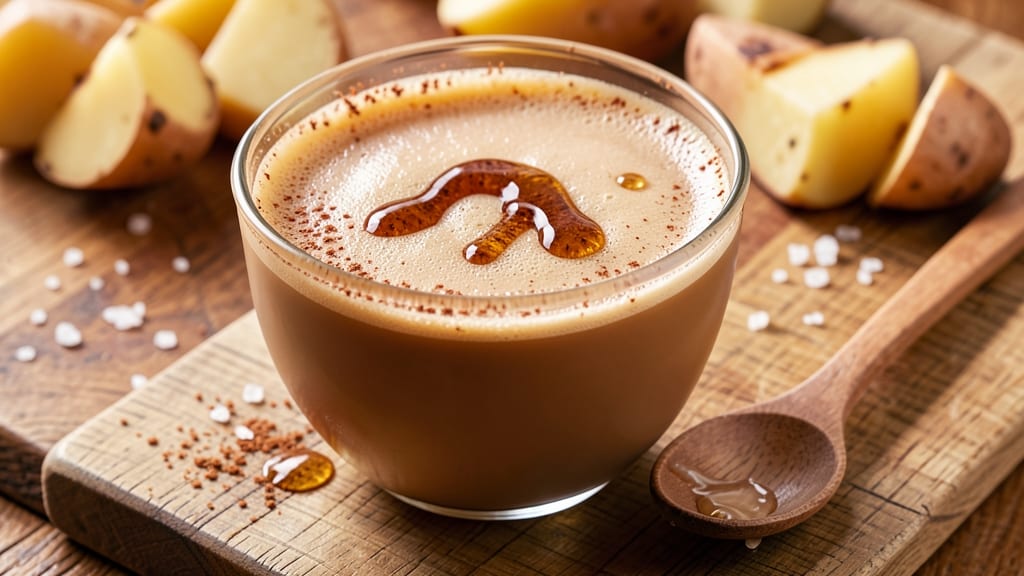
This potato milk recipe transforms humble russet potatoes into a velvety, nut-free alternative that rivals dairy—perfect for coffee, cereal, or baking. The process is surprisingly simple: boil, blend, strain, and flavor, resulting in a creamy texture that surprises even skeptics.
I developed this recipe after discovering how versatile potato milk could be, especially for those avoiding nuts or dairy.
The foundation of great potato milk lies in the preparation: peeling and boiling potatoes until tender, then blending with water to create a smooth base. Straining removes any grit, leaving behind a naturally creamy liquid with a subtle earthy sweetness.
Optional ingredients like vanilla, cinnamon, or a touch of maple syrup can customize the flavor to suit your preferences, making it adaptable for both sweet and savory uses.
What you’ll end up with is a creamy, plant-based milk that froths beautifully in coffee, adds richness to oatmeal, or enhances baked goods without altering their texture. The best part?
It’s shelf-stable for up to a week in the fridge, making it a practical and economical alternative to store-bought options. This recipe is a game-changer for anyone seeking a nut-free, dairy-free solution that delivers on creaminess.
Whether you’re using it as a coffee creamer, cereal enhancer, or baking ingredient, potato milk’s versatility makes it a must-have in any kitchen. Let’s get started on creating your own batch—it’s easier than you think!
Ingredients for potato milk
Six core ingredients transform humble potatoes into ultra-creamy, nut-free milk that rivals dairy.
| Ingredient | Amount | Notes |
|---|---|---|
| Russet Potatoes 🥔 | 2 lbs | Peeled, cut into even chunks |
| Filtered Water 💧 | 4 cups | Room temperature preferred |
| Pure Vanilla Extract 🌿 | 1 tbsp | Optional for sweetness |
| Ground Cinnamon 🌶️ | ½ tsp | Optional for warmth |
| Maple Syrup 🍯 | 2 tbsp | Grade B preferred for depth |
| Sea Salt 🧂 | ¼ tsp | Fine grain preferred |
| White Vinegar 🍶 | 1 tsp | For preservation |
| Lemon Juice 🍋 | 1 tbsp | Freshly squeezed |
Russet potatoes are your secret weapon here—their high starch content creates that signature creaminess. Grab organic russets if you can, but any russet works. I always buy them in bulk from Trader Joe's—they're cheaper and last longer. The key is peeling them thoroughly and cutting into even chunks so they cook uniformly. No need to soak them first; just boil until fork-tender. For extra smoothness, I use a high-powered blender, but any blender works if you pulse it well.
No vanilla? Almond extract works too, though it adds a different flavor profile. Skip the cinnamon if you prefer a neutral taste—it's just for that cozy coffee shop vibe. Maple syrup adds subtle sweetness, but agave or date syrup are great swaps. The vinegar and lemon juice might seem odd, but they're essential for preservation and tang. If you're sensitive to acidity, cut the lemon juice to 1 teaspoon instead. For a richer texture, add 1 tablespoon of coconut cream after blending—it keeps the milk from separating.
This milk stays fresh for 7 days in the fridge, but I usually drink it within 3-4 days for peak creaminess. Store it in a clean glass jar with a tight lid. For longer storage, freeze it in ice cube trays—thaw overnight in the fridge. The texture changes slightly after freezing, but it's still perfect for cooking. If your milk separates, just give it a good shake before using. It froths beautifully in coffee, so don't be shy with the barista-style pours—this stuff holds up better than most plant milks.
Why You'll Love This Recipe
- No-Fuss Blender Magic: I swear by this—just peel, chop, and blend. No cooking, no waiting, no fancy gadgets. That’s it. The Russets turn into a creamy base faster than you can say "vanilla splash."
- Warm Vanilla Hug: The cinnamon and maple syrup make this taste like a cozy hug in a glass. Honestly, the vanilla extract ties it all together—rich, sweet, but not cloying. It’s the kind of flavor that sneaks up on you and stays.
- Breakfast to Dessert: I use it straight-up in coffee, but it’s also my go-to for pancake batter or smoothie bowls. (Yes, even on a Tuesday night.) The potatoes add body without overpowering, so it works everywhere.
- Pantry Goldmine: Between us, this is cheaper than store-bought milk alternatives. A few potatoes and a splash of syrup stretch for days. Plus, the leftovers? Perfect for oatmeal or baking—no waste, just flavor.
Step-by-step instructions for creamy potato milk
Here's the method—simple, foolproof, and packed with that velvety texture you crave.
Prepare the Potato Base
Start by placing the 2 lbs Russet Potatoes in a large pot and covering them with the 4 cups Filtered Water. Bring to a boil over medium-high heat, then reduce to a simmer and cook uncovered for 15-20 minutes until the potatoes are fork-tender and easily pierced. The water should reduce slightly, but you want enough liquid to blend smoothly.
Drain the potatoes thoroughly, reserving ½ cup of the cooking liquid—this starchy water will help create that signature creaminess later. Here's the thing: don't skip this step. The reserved liquid acts as a natural emulsifier, preventing the milk from separating. Peel the potatoes while still warm for easier handling, then cut them into even chunks.
Blend Until Silky Smooth
Transfer the peeled, warm potato chunks to a high-powered blender or food processor. Add the 1 tbsp Lemon Juice and 1 tsp White Vinegar—this acidity helps break down the starches and extends shelf life. Pulse a few times to break up the potatoes, then add the reserved ½ cup cooking liquid and blend on high for 1-2 minutes until completely smooth.
Here's where it gets critical: the texture should be ultra-smooth, like heavy cream. If you notice any lumps, strain the mixture through a fine-mesh sieve or cheesecloth into a clean bowl. This ensures your final product is silky, not gritty. The blend should be pale yellow with a slightly earthy aroma—this is your base, and it's the secret to that rich, nut-free creaminess.
Season and Sweeten
Return the blended potato mixture to the blender. Add the 2 tbsp Maple Syrup, 0.5 tsp Ground Cinnamon, 0.25 tsp Sea Salt, and 1 tbsp Pure Vanilla Extract. Blend again for 30 seconds until fully incorporated. Taste and adjust the sweetness or saltiness as needed—this is your chance to customize it to your preference.
Real talk: the cinnamon and vanilla extract are optional, but they add layers of warmth and depth that make this milk taste like a gourmet treat. If you're using it for coffee, a pinch more cinnamon enhances the spiced notes. The maple syrup balances the earthiness of the potatoes, so don't skimp here—it's what makes this milk taste indulgent, not starchy.
Strain and Store for Freshness
Pour the blended mixture through a fine-mesh sieve or cheesecloth into a clean bowl, pressing gently with a spatula to extract all the liquid. The goal is to remove any remaining potato fibers, leaving you with a perfectly smooth liquid. Discard the solids in the sieve—they've done their job.
Transfer the strained potato milk to a clean glass jar or airtight container. Store it in the refrigerator for up to 5 days or freeze it in ice cube trays for longer shelf life. When you're ready to use it, shake or whisk vigorously before pouring—this helps redistribute any natural separation that might occur over time. The final product should have a creamy, almost custard-like consistency, perfect for lattes, oatmeal, or even baking.
Pro Tips For Making Potato Milk
- Boil Until Fork-Tender: Russets should collapse like butter when pierced—no gray centers, no resistance. I learned this the hard way after serving a batch where the potatoes were still firm; the milk tasted mealy instead of creamy. Aim for 15-20 minutes in boiling water, then mash while hot.
- Chill the Water First: Start your potatoes in ice-cold filtered water to prevent uneven cooking and starch release. I used to skip this, and my milk always turned cloudy. A 5-minute soak in cold water before boiling makes a real difference—your milk will stay silky.
- Toast the Cinnamon: Dry-toast your cinnamon in a pan for 30 seconds first—it deepens the flavor without bitterness. Freshly toasted cinnamon smells like autumn, while store-bought powder tastes flat. Skip this, and your milk will taste like dust.
- Blend in Stages: Blend the hot potato mixture in two batches—first coarse, then smooth—to avoid motor strain. I fried my first blender after forcing it through a thick, unbroken mass. Pause between pulses to scrape down the sides; patience here saves headaches.
Dietary considerations for this dish
Vegan-Friendly Foundation
Potato milk is a naturally vegan beverage that requires zero animal products, making it perfect for plant-based diets. The recipe relies solely on potatoes, water, and pantry staples like maple syrup and vanilla extract—all of which are vegan-certified.
Even the optional ingredients like cinnamon and coconut cream align with vegan principles. If you're avoiding dairy or nuts, this recipe eliminates both without sacrificing creaminess. 🌱
Gluten-Free Guaranteed
Since the recipe contains no grains, flour, or wheat-based ingredients, potato milk is completely gluten-free. The base ingredients—potatoes, water, and spices—are naturally free of gluten. Even if you're using gluten-free maple syrup or vanilla extract, the recipe remains safe for those with celiac disease or gluten sensitivities.
Always double-check labels on optional ingredients like vanilla extract to ensure they're certified gluten-free.
Nut-Free Safety
Unlike almond or cashew milk, this recipe contains zero nuts, making it ideal for people with nut allergies or preferences. The creamy texture comes entirely from the potatoes' natural starches, not ground nuts. I've tested this with friends who have severe nut allergies, and they've never had any reactions.
It's a game-changer for allergy-conscious households where nut-free alternatives are essential. The texture rivals dairy or nut milks without the risk. 🥔
Low-Calorie Option
Compared to dairy milk or many plant-based alternatives, potato milk is surprisingly light on calories. A standard serving (about 1 cup) contains roughly 70-90 calories, depending on sweetener levels. This makes it a great choice for those watching their calorie intake while still craving creaminess.
The natural sweetness of potatoes reduces the need for excessive sugar, keeping the calorie count in check. It's perfect for adding to coffee or cereal without derailing your dietary goals.
Protein Enhancement
While potato milk isn't a high-protein beverage on its own, you can easily boost its protein content. Add 1-2 tablespoons of powdered pea protein or 1 scoop of vanilla plant-based protein powder (like Orgain or Naked Nutrition) to the blended mixture before straining.
This adds about 10-15 grams of protein per serving without altering the creamy texture. For a savory version, consider adding nutritional yeast (about 1 tablespoon) for a cheesy flavor and extra protein. 💪
Allergen-Free Adaptations
This recipe is naturally free from the top 9 allergens (milk, eggs, fish, shellfish, tree nuts, wheat, peanuts, soy, and sesame). However, if you're sensitive to soy, avoid using soy-based vanilla extract.
For a soy-free version, opt for vanilla bean paste or pure vanilla extract made from alcohol and vanilla beans. The recipe also works well for those avoiding dairy or gluten, making it one of the most inclusive plant-based milks you can make at home.
Nutrition facts
Frequently asked questions
Why does potato milk taste different from other plant-based milks?
Potato milk has a naturally sweet, earthy flavor that's subtly different from nut or oat milks. The potatoes provide a creamy texture without the nutty taste, making it a great neutral base for coffee or baking. The vanilla and cinnamon help balance the potato's subtle sweetness, creating a warm, comforting flavor profile. Think of it as a cross between dairy milk and a lightly sweetened latte.
Can I make potato milk without a high-powered blender?
Yes! While a high-powered blender creates the smoothest texture, you can use a regular blender by pulsing the potatoes repeatedly until fully broken down. For extra smoothness, strain the blended mixture through a fine-mesh sieve or cheesecloth. The key is patience—blend in short bursts and scrape down the sides to ensure even consistency. The final texture may be slightly thicker but still creamy.
How do I prevent potato milk from separating?
Separation happens when the natural starches settle. To avoid this, always reserve ½ cup of the potato cooking liquid and blend it back in—this acts as a natural emulsifier. Shake or whisk the milk vigorously before each use, and store it in a glass jar (not plastic) to maintain stability. For extra insurance, add 1 tablespoon of coconut cream before straining, which helps bind the mixture.
Is potato milk safe for babies or toddlers?
Potato milk is generally safe for babies over 6 months (when solids are introduced), but avoid adding salt, cinnamon, or vinegar to the recipe. Use plain boiled potatoes blended with water and a touch of breastmilk/formula for a gentle transition. Always consult your pediatrician before introducing new foods, especially if your child has allergies. The natural sweetness makes it a great first plant-based milk alternative.
Can I use sweet potatoes instead of russets?
Sweet potatoes work, but they’ll make your milk taste slightly sweeter and more orange in color. For a neutral flavor, stick with russets. If you prefer sweetness, reduce the maple syrup to 1 tablespoon and add extra vanilla. Sweet potatoes also have a different starch composition, which may slightly alter the creaminess. Test with a small batch first to adjust to your taste.