
Side Dishes
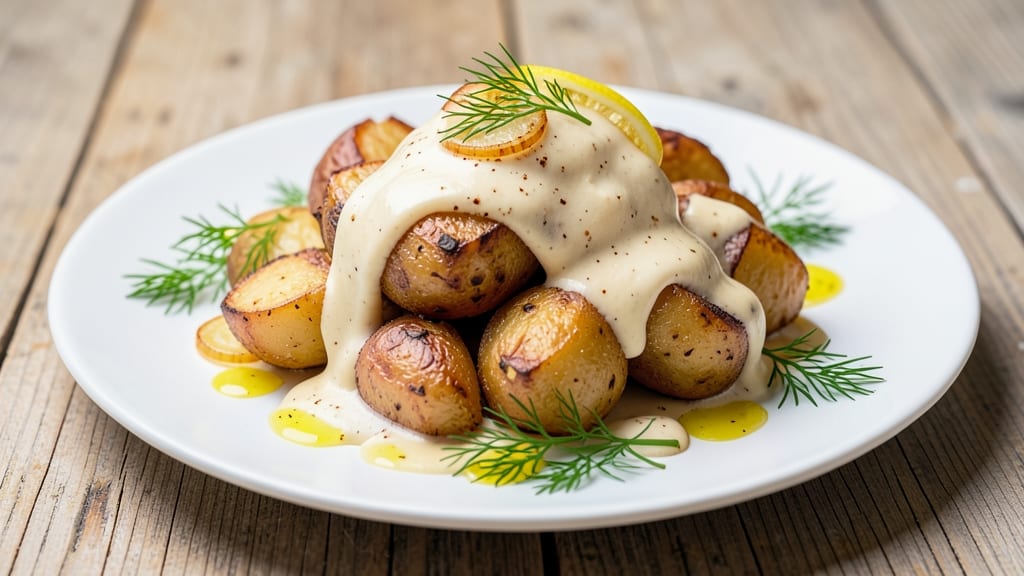
This potato mayonnaise recipe transforms humble potatoes into a creamy, velvety condiment that elevates sandwiches, wraps, and salads with its unexpected richness. The secret lies in blending perfectly cooked potatoes with classic mayo, creating a texture that’s smoother than traditional mayo yet packed with earthy depth.
I developed this after craving a lighter, more flavorful alternative that still delivers that satisfying creaminess—without the heaviness.
What makes this sauce stand out is its versatility—it works as a sandwich spread, a tangy dip, or even a creamy dressing for potato salads.
The balance of starchy potatoes and tangy mayo creates a smooth, slightly sweet finish that pairs beautifully with smoked meats, fresh veggies, or even as a base for potato-based dishes. Unlike store-bought spreads, this version stays fresh for up to a week, making it a perfect pantry staple.
You’ll love how this potato mayonnaise transforms simple meals into something special—imagine it on a classic Reuben sandwich or as a creamy dip for crispy potato wedges. The process is straightforward: boil, mash, blend, and adjust seasoning until you achieve that ideal creamy yet slightly rustic texture.
It’s a game-changer for anyone looking to add a unique, homemade twist to their favorite dishes.
Once you try this, you’ll never reach for plain mayo again. The tangy-sweet flavor profile makes it irresistible, and the creamy consistency ensures every bite is satisfying. Whether you’re prepping for a picnic or elevating a weeknight dinner, this potato mayonnaise delivers restaurant-quality results with minimal effort. Let’s get blending!
Ingredients for potato mayonnaise
Eight simple ingredients blend into a velvety, tangy spread that transforms ordinary meals.
| Ingredient | Amount | Notes |
|---|---|---|
| Russet Potatoes 🥔 | 2 lbs | Yukon gold for creamier texture |
| Mayonnaise 🍳 | 1 cup | High-quality, full-fat preferred |
| Dijon Mustard 🌶️ | 1 tbsp | For tangy depth |
| Yellow Onion 🧅 | ½ whole | Finely diced, sweet variety |
| Fresh Dill 🌿 | ¼ cup | Chopped, stems removed |
| Lemon Juice 🍋 | 2 tbsp | Freshly squeezed, bright flavor |
| Apple Cider Vinegar 💧 | 1 tbsp | For subtle tang |
| Kosher Salt 🧂 | ½ tsp | Diamond Crystal preferred |
| Black Pepper 🌶️ | ¼ tsp | Freshly ground, coarse |
| Extra-Virgin Olive Oil 🫒 | 1 tbsp | For finishing drizzle |
The potatoes are the star—Russet for fluffiness, but Yukon Gold if you want that buttery creaminess. Whole Foods or any grocery store with a good produce section will have them—just avoid anything sprouting. Peel them first to save time, then boil until fork-tender. Costco sells pre-peeled Yukon Golds in the salad bar, which is a game-changer if you're short on time. For the mayo, I always reach for Hellmann's or Duke's—the full-fat versions give that rich mouthfeel you can't get with light mayo. Fresh dill is ideal, but if you're using dried, cut the amount to one-third—it's potent stuff.
No Dijon mustard? Yellow mustard works in a pinch, though it'll be less complex. Swap the onion for leek greens if you're feeling fancy, but regular onion adds that sweetness that balances the tang. The lemon juice is non-negotiable—bottled won't cut it here. For a smoother texture, strain the mashed potatoes through a fine-mesh sieve before blending. Want extra richness? Add 1 tbsp sour cream to the final blend. This keeps beautifully for up to a week in the fridge, so make a double batch—trust me, you'll use it all.
Store in an airtight container with a thin layer of olive oil on top to preserve freshness. One week in the fridge is standard, but it freezes beautifully for up to 3 months if you want to prep ahead. I like to portion it into small jars for easy grab-and-go use on sandwiches or salads. The flavor actually improves after a day or two as everything melds together—perfect for meal prep. Keep it chilled until ready to serve, and if it thickens, just whisk in a splash of warm water to loosen it up.
Why You'll Love This Recipe
- No Chopping Nightmare: I swear by this—just boil the potatoes whole, peel them still warm, and mash them with my fingers. The onion gets a quick sauté in the same pot, and boom: zero knife work beyond dicing the dill.
- Creamy Tang You’ll Crave: That Dijon mustard cuts through the richness of the mayo like a bright summer breeze, while the dill adds a fresh bite. Honestly, I’ve eaten this straight from the bowl—no shame.
- Lunchbox Legend: Between us, this stuff holds up perfectly for days. Pack it in sandwiches, slather it on crackers, or toss it with cold cuts. My kid’s school lunchbox has never been more exciting (or less mysterious).
- Pantry Stash Winner: Russets stay forever, mayo’s cheap, and onions/dill last weeks. I make a double batch and freeze half—because why stress when you’ve got a backup plan for lazy days or unexpected guests?
Step-by-step instructions for creamy potato mayonnaise
Here's how to transform humble russet potatoes into a velvety, tangy spread that elevates sandwiches and salads.
Cook the Potatoes Until Fork-Tender
Preheat your oven to 400°F. Pierce the 2 lbs russet potatoes with a fork in several places, then place them on a baking sheet. Roast for 45-50 minutes until completely tender when pierced with a knife. The skin should be slightly crisp while the interior becomes fluffy and dry.
This roasting method creates perfectly fluffy potatoes without excess moisture. I like to let them cool slightly before handling—about 10 minutes—so they're easier to peel. The residual heat helps remove the skins more easily, leaving you with clean, smooth potato flesh.
Create the Base with Mayonnaise and Mustard
While the potatoes cool, combine 1 cup mayonnaise and 1 tbsp Dijon mustard in a food processor. Pulse until fully blended and smooth. This combination forms the creamy foundation of your spread, with the mustard adding subtle tang and depth that complements the potato's natural sweetness.
Here's the thing—don't skip blending the mayonnaise and mustard first. Processing them together creates a more stable emulsion when you add the potatoes later. The mustard also helps balance the richness of the mayonnaise, preventing the final spread from being too heavy.
Process the Potatoes Until Silky Smooth
Once the potatoes are cool enough to handle, peel off the skins and add the potato flesh to the food processor with the mayonnaise mixture. Process in batches if needed, adding 1 tbsp extra-virgin olive oil to help emulsify the mixture. You'll want the potatoes to break down completely into a smooth, velvety purée with no visible lumps.
This is where patience pays off. If you see any resistance or the mixture looks grainy, add another 1 tbsp olive oil and process again. The oil acts as an emulsifier, binding the potato starches with the mayonnaise. You're aiming for a consistency similar to thick Greek yogurt—smooth enough to spread effortlessly but substantial enough to hold its shape.
Build Flavor with Aromatics and Acid
Add the 0.5 whole yellow onion (finely diced), 0.25 cup fresh dill (chopped), 2 tbsp lemon juice, and 1 tbsp apple cider vinegar to the processor. Pulse just until combined—you want to incorporate these ingredients without over-processing, which could break down the dill's texture.
The lemon juice and vinegar brighten the potatoes' natural sweetness while cutting through the richness of the mayonnaise. The diced onion adds subtle sharpness that develops as it sits, while the fresh dill provides an herbal note that keeps the spread from tasting too heavy. Taste at this stage and adjust seasoning with 0.5 tsp kosher salt and 0.25 tsp black pepper as needed.
Finish and Chill for Maximum Creaminess
Transfer the potato mayonnaise to a serving bowl and give it one final taste. You might want to add a touch more lemon juice or salt to balance the flavors. Cover and refrigerate for at least 2 hours—this resting period allows all the flavors to meld together and the texture to become even more luxurious.
Real talk: This spread tastes even better the next day. The flavors deepen and the texture becomes perfectly creamy as the potato starches fully hydrate. Store leftovers in an airtight container for up to 5 days in the refrigerator. The mayonnaise will keep it fresh and prevent the potatoes from drying out.
Pro Tips For Making Potato Mayonnaise
- Boil Until Fork-Tender: Russet potatoes for this dish need to be actually soft—think a butter knife slides in like it’s buttering toast. If you’re mashing or blending them later, undercooked chunks will turn your mayo into a gritty paste. I learned this the hard way when my first batch had a sad, lumpy texture.
- Dry the Potatoes Thoroughly: Wet potatoes in mayo? That’s a recipe for separation. After boiling, drain them well, then spread them on a baking sheet and let them air-dry for 5–10 minutes. This step isn’t just about texture—it’s the difference between a smooth, creamy spread and one that looks like it’s fighting itself.
- Toast the Onion First: Raw onion in potato mayo tastes sharp and overwhelming. Sauté ½-inch diced yellow onion in a dry pan over medium heat until it’s golden and just starting to caramelize—about 8–10 minutes. The flavor mellows out and adds depth without taking over. (Yes, even if you’re impatient like me.)
- Use a Mixer, Not a Fork: Hand-mashing potatoes for mayo is a workout that doesn’t pay off. A stand mixer or food processor handles the job better, especially if you’re blending in mayo, mustard, and dill. Pulse, then blend—this keeps the texture light and prevents lumps. I skip this when I’m lazy, but the dish is noticeably better when I don’t.
Pro cooking tips for this recipe
Potato Texture Mastery
Start with perfectly cooked potatoes—roasting them at 400°F for 45-50 minutes until fork-tender creates a fluffy, dry interior that blends smoothly. I avoid boiling because it leaves potatoes waterlogged, which ruins the emulsion.
Let them cool slightly before peeling to make skin removal easier. For extra creaminess, use Yukon Gold potatoes—their waxy texture breaks down more uniformly than russets. 🥔
Emulsion Stability
The key to a silky spread is blending the mayonnaise and Dijon mustard first—this creates a stable base before adding potatoes. If your mixture looks grainy, add 1 tbsp extra-virgin olive oil to help emulsify.
Process in batches if needed, but never rush it. The goal is a texture between thick Greek yogurt and velvety hummus—smooth enough to spread but substantial enough to hold its shape. 🌶️
Flavor Layering
Add finely diced yellow onion and fresh dill last to preserve their texture—over-processing turns them to mush. The lemon juice and apple cider vinegar should brighten the potatoes' natural sweetness while cutting through the mayo's richness.
Taste as you go: adjust seasoning with kosher salt and black pepper until balanced. I often add a pinch of smoked paprika for depth if I'm using it on sandwiches. ✨
Resting for Perfection
Never skip the 2-hour chilling period—this lets flavors meld and starches hydrate fully. The spread will thicken slightly as it rests, becoming even more luxurious. If it gets too thick after refrigeration, whisk in 1 tsp warm water to loosen it up.
Store in an airtight container with a thin layer of olive oil on top to preserve freshness for up to 5 days. 💡
Troubleshooting Tips
If your spread separates, whisk in 1 tbsp cold water and blend again. For extra richness, stir in 1 tbsp sour cream at the end. Want it smoother? Strain the mashed potatoes through a fine-mesh sieve before blending.
And if you accidentally overcook the potatoes (making them dry), add 1 tsp milk to compensate—it adds moisture without altering flavor. 🔥
Nutrition facts
Frequently asked questions
What’s the best potato variety for this creamy spread?
Use Yukon Gold potatoes for a naturally buttery, ultra-creamy texture, or russet potatoes for a lighter, fluffier result. Avoid waxy red potatoes—they stay too firm when blended. For extra richness, try fingerling potatoes, but peel them thoroughly to remove any bitterness.
Can I make this potato mayo without a food processor?
Mash the cooked potatoes by hand until smooth, then whisk vigorously with the mayo, mustard, and other ingredients in a bowl. For best results, use a potato ricer or fork to break down lumps completely. The texture will be slightly rustic but still delicious—just add 1 extra tbsp olive oil to help emulsify.
How do I fix a broken emulsion or grainy texture?
If your spread separates, whisk in 1 tbsp cold water and blend again. For graininess, strain the mixture through a fine-mesh sieve or blend in 1 tbsp sour cream to smooth it out. Overcooked potatoes? Add 1 tsp milk to restore moisture. The key is patience—never force it!
What are the best ways to use this potato mayo?
Spread it on Reuben sandwiches, potato salad, or crispy potato wedges as a dip. It also works as a creamy dressing for roasted veggie bowls or a tangy topping for grilled cheese. For extra flair, mix in chopped pickles or smoked paprika for a BBQ-inspired twist.