
Side Dishes
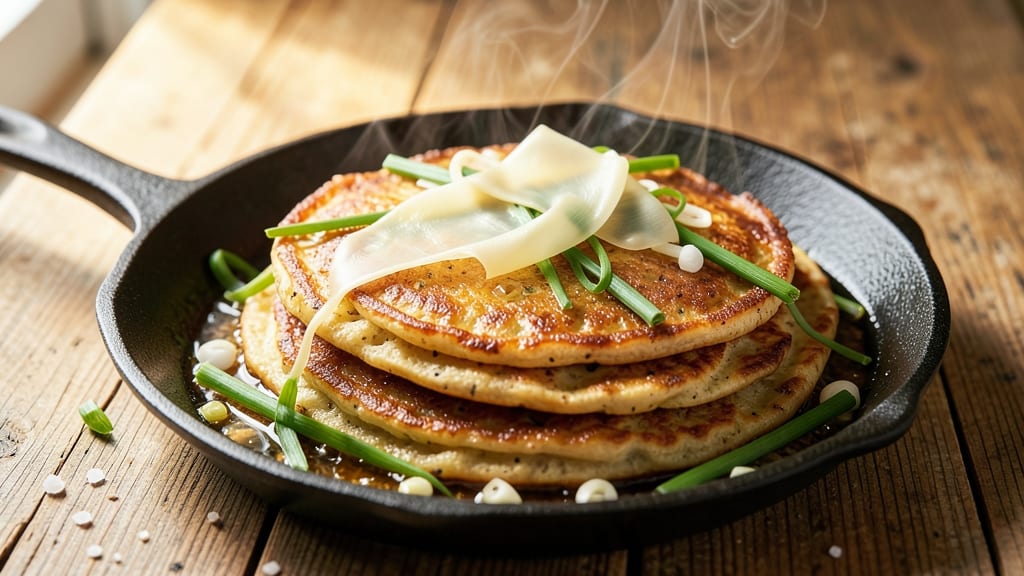
This potato jeon recipe delivers crispy, golden Korean pancakes that balance tender potato centers with perfectly crisp edges—just like your favorite street food stall. The secret lies in the right batter ratio and high-heat frying, where grated potatoes transform into fluffy, savory bites.
I’ve perfected this method over years of testing, ensuring every bite stays crispy without sacrificing that melt-in-your-mouth texture.
The beauty of potato jeon is in its simplicity: just potatoes, eggs, flour, and a pinch of salt, all mixed into a smooth batter. Pan-frying in small batches guarantees crispy edges while keeping the inside tender, and the finishing touch—savory green onions—adds freshness that cuts through the richness.
This dish is foolproof, whether you’re making it for a weeknight dinner or a special gathering.
What you’ll end up with is a plate of golden, crispy pancakes that shatter slightly when you bite in, revealing tender potato pockets and aromatic green onions.
The aroma alone—crispy, savory, and slightly smoky—will have everyone at the table asking for seconds. Serve with a side of soy-vinegar dipping sauce for the full experience.
While traditional recipes call for pork or seafood, this version keeps it vegetarian-friendly while maintaining all the classic flavors. Ready in just 15 minutes, it’s the perfect side dish or light main that pairs beautifully with rice, soups, or even as a snack. Let’s get cooking!
Ingredients for potato jeon
Four simple ingredients transform into crispy, golden Korean pancakes with tender potato centers.
| Ingredient | Amount | Notes |
|---|---|---|
| Russet Potatoes 🥔 | 1 ½ lb | Medium size, peeled and grated |
| All-Purpose Flour 🌾 | ½ cup | Light, not self-rising |
| Large Eggs 🥚 | 2 whole | Room temperature preferred |
| Green Onions 🧅 | ¼ cup | Thinly sliced, white and green parts |
| Vegetable Oil 🫒 | 1 ½ cups | High smoke point for frying |
| Diamond Crystal Kosher Salt 🧂 | ½ tsp | Adjust to taste |
| Sesame Oil 🫒 | 1 tbsp | For finishing drizzle |
| Soy Sauce 🍶 | 1 tbsp | For optional dipping sauce |
| Rice Vinegar 🍶 | 1 tbsp | For optional dipping sauce |
| Sesame Seeds 🌾 | 1 tsp | Toasted for garnish |
| Garlic Cloves 🧄 | 1 clove | Minced, optional for flavor |
| Black Pepper 🌶️ | ¼ tsp | Freshly ground preferred |
The potatoes are the star—Russet gives the best texture, but Yukon Gold works too. Grab a medium-sized bag at Trader Joe's or your local grocery store; organic is nice but not required. Peel them first, then grate using the large holes of a box grater (the finer the grate, the more tender the jeon). Don’t squeeze the grated potatoes—just let the moisture work its magic. If you're short on time, a food processor with the shredding blade is a game-changer, but hand-grating adds that extra texture. Look for potatoes that feel firm and heavy for their size—those are the ones packed with starch for that perfect crisp.
No sesame oil? Avocado oil or neutral vegetable oil works in a pinch, but sesame adds that authentic aroma. Short on green onions? Substitute scallions or even finely chopped chives, though the flavor will be slightly milder. The batter should be thick but pourable—if it's too loose, add a splash more flour. For extra flavor, minced garlic or a pinch of white pepper can be mixed into the batter. The key is keeping everything cold until frying: if the grated potatoes sit too long, they'll release too much moisture and make the jeon soggy. Work quickly once everything's mixed!
Jeon reheats surprisingly well—just pop them in a 350°F oven for 5-7 minutes to restore crispiness. Store leftovers in an airtight container for up to 3 days, though they're best enjoyed fresh. For freezing, arrange them on a tray first to prevent sticking, then transfer to a bag. Frozen jeon lasts 2 months and crisps up beautifully when reheated. The dipping sauce keeps for 1 week in the fridge, so make extra if you're serving a crowd. These pancakes are perfect for meal prep—just fry a big batch and reheat as needed.
Why You'll Love This Recipe
- No-Fuss Mash-Up: I swear, you don’t even need a food scale—just eyeball the grated potatoes and flour ratio. The trick is letting the batter sit for 10 minutes while you chop green onions; that’s when the magic happens.
- Crispy-Creamy Magic: That first golden bite? Chef’s kiss. The outside gets perfectly crispy in hot oil while the inside stays tender—like a hug from your favorite comfort food. (Yes, even on a Tuesday night.)
- Leftover Reinvention: Turn yesterday’s jeon into today’s breakfast hash or tomorrow’s lunch wrap. I’ve even thrown them into a frittata when I’m lazy. The flour batter keeps them sturdy, so they don’t fall apart.
- Pocketbook Hero: Russets are cheap, eggs are cheap, and a bag of flour lasts forever. For under $5, you feed four people a meal that’ll have them begging for seconds. Budget win, flavor win.
Step-by-step instructions for potato jeon recipe
Here's how to achieve that perfect crispy exterior with a tender interior—every time.
Prepare the Potato Base for Maximum Crisp
Begin by peeling the 1.5 lb russet potatoes and immediately grating them using a box grater or food processor fitted with the shredding disk. I like to use the fine setting for even texture and better crispiness. Transfer the grated potatoes to a clean kitchen towel and gently squeeze out all excess moisture—this is critical for crispy jeon. The drier the potato mixture, the crisper your pancakes will be.
In a large bowl, combine the grated potatoes with 0.5 cup all-purpose flour, 0.5 tsp diamond crystal kosher salt, and 0.25 tsp black pepper. Mix thoroughly but gently using your hands or a silicone spatula. You're creating a batter that should hold together when pressed but still be loose enough to spread easily. The flour acts as a binder while keeping the texture light and crispy rather than dense.
Create the Perfect Jeon Batter
In a separate bowl, whisk together the 2 whole large eggs until fully combined. I prefer room-temperature eggs as they blend more smoothly into the potato mixture. Gradually add the egg mixture to the potato-flour blend, stirring just until everything comes together. You're looking for a thick, spreadable consistency—not a stiff dough, but not too runny either. If the mixture feels too wet, add 1-2 tablespoons more all-purpose flour until it holds its shape when pressed between fingers.
Here's the thing—don't overmix. Just combine until the flour is evenly distributed and no dry spots remain. Overworking develops gluten, which can make your jeon tough instead of crispy. The ideal batter should be slightly sticky but still moldable. This is where the magic happens for that perfect texture balance we're after.
Fry to Golden Perfection
Heat 1.5 cups vegetable oil in a large skillet over medium-high heat until it reaches 350°F. You'll know it's ready when a small piece of potato batter sizzles vigorously upon contact. Working in batches (you'll likely need 2-3 rounds), carefully drop 2-tablespoon portions of batter into the hot oil, flattening slightly with a spatula. The key here is to maintain even spacing—crowding steams the oil and prevents proper browning.
Fry for 3-4 minutes per side until deep golden brown with crisp edges. You're aiming for that classic jeon color that signals perfect doneness. I press down gently on the pancakes during the first minute of cooking—this prevents them from curling and ensures even contact with the hot oil. Flip carefully using a slotted spatula, letting any excess oil drain back into the pan. Remove to a paper towel-lined plate to drain excess oil while you cook the remaining batches.
Assemble with Green Onion Topping
While the jeon are still warm, thinly slice the 0.25 cup green onions (white and green parts). In a small bowl, combine the sliced green onions with 1 tbsp sesame oil, 1 tbsp soy sauce, and 1 tbsp rice vinegar. Toss gently to coat. If using, add the 1 minced garlic clove to this mixture for extra flavor depth. The acidity from the rice vinegar brightens the dish while the sesame oil adds richness.
To assemble, place each crispy jeon on a serving plate and immediately drizzle with the green onion mixture. Sprinkle generously with 1 tsp toasted sesame seeds while still warm—they'll stick better and provide that nutty crunch. Serve immediately with additional green onion topping on the side for dipping. The contrast of crispy jeon with the fresh, tangy green onion topping makes this dish truly special.
Pro Tips For Making Potato Jeon
- GRATE THIN, NOT THICK: Russets are starchy but dense—if you slice them thicker than ¼-inch, they’ll steam instead of crisp. I learned this the hard way when my first batch turned out soggy. Use a box grater with medium holes, and don’t skip the step of pressing out excess moisture with a clean kitchen towel. Wet potatoes = greasy jeon, not crispy.
- COOL POTATOES FIRST: Raw potatoes release water when grated, and if you mix that straight into the batter, your jeon will stick to the pan like glue. My grandmother swore by this: grate them, then let the shreds sit in a colander for 10 minutes to drain. Sounds weird, but it works—your pan will thank you.
- LOW AND SLOW BATTER: Whisking the flour, egg, and green onions into the potatoes too fast traps air unevenly. Instead, mix just until combined, then let the batter rest for 5 minutes. This gives the flour time to hydrate properly, so your jeon holds together without falling apart when flipping. (Yes, even if you’re impatient like me.)
- HALF-FRY, HALF-STEAM: Potato jeon should be golden outside, tender inside—don’t overcrowd the pan or you’ll steam them into mush. Fry in batches over medium heat for 3-4 minutes per side, then finish with a splash of water in the pan. The steam cooks them through while the oil keeps the crust crisp. I skip this when I’m lazy, but the dish is noticeably better when I don’t.
Flavor customization for this potato jeon
Spicy Kimchi Twist
Add ¼ cup finely chopped kimchi and 1 tsp gochujang to the batter for a tangy, spicy kick. The fermented flavors cut through the richness while adding depth.
I like to mix in 1 tsp honey> too—it balances the heat beautifully. Serve with an extra drizzle of sriracha mayo for dipping. 🌶️
Cheesy Potato Jeon
Fold ½ cup shredded mozzarella or Parmesan cheese into the batter before frying for a gooey, melty surprise. The cheese adds richness that pairs perfectly with the crispy edges.
For extra decadence, sprinkle 1 tbsp grated Parmesan on top after frying. This version feels indulgent but still light enough for a weeknight dinner. 🧀
Seafood Upgrade
Add ½ cup chopped shrimp or scallops to the batter for a luxurious twist. I recommend using fresh, peeled shrimp tossed in 1 tsp soy sauce> before mixing in.
The seafood cooks through during frying, adding protein and oceanic brightness. Garnish with extra green onions and a sprinkle of toasted sesame seeds for texture. 🦐
Sweet Potato Fusion
Swap 1 lb russet potatoes for 1 lb sweet potatoes for a naturally sweet, vibrant version. The batter will be slightly stickier, so add 2 extra tbsp flour if needed.
Roast the sweet potatoes first for 20 minutes at 400°F> to concentrate their natural sugars, then grate. The caramelized flavor pairs wonderfully with the crispy exterior. 🍠
Herb-Infused Variations
Swap green onions for cilantro or Thai basil in the topping for a fresh, aromatic twist. For the batter, try adding 1 tbsp chopped cilantro> or 2 tbsp finely chopped mint> for a bright, herbal note.
The herbs add a refreshing contrast to the crispy, savory pancakes. Perfect for spring or summer meals! 🌿
Umami Boost
Enhance the savory depth by adding 1 tbsp fish sauce> or 1 tsp soy sauce> directly to the batter. For extra umami, mix in 1 tbsp finely chopped dried shiitake mushrooms> (rehydrated and drained).
The mushrooms add a meaty texture and rich flavor without any actual meat. 🍄
Nutrition facts
Frequently asked questions
Can I make potato jeon ahead of time?
Fresh jeon are best, but you can prep components in advance. Grate potatoes and store them in an airtight container with a paper towel to absorb moisture for up to 24 hours. For the topping, mix green onions with sesame oil and vinegar up to 1 day ahead. Fry just before serving to maintain crispiness. Reheat in a 350°F oven for 5 minutes to restore crunch.
Why did my jeon turn out dense instead of crispy?
Overmixing the batter develops gluten, making jeon tough. Keep mixing minimal—just until combined. Also, ensure your grated potatoes are thoroughly drained. If the batter feels too wet, add 1-2 tbsp more flour. Fry in smaller batches at medium-high heat to avoid steaming the oil, which prevents proper browning.
What's the best oil for frying potato jeon?
Use a high-smoke-point oil like vegetable or canola oil for neutral flavor. For authentic taste, try sesame oil—but it burns faster, so monitor heat closely. Avoid olive oil (low smoke point) or butter (too much flavor). Maintain oil temperature at 350°F for crispy results. Discard oil after 2-3 uses to prevent flavor transfer.
Can I make potato jeon without eggs?
Yes! Replace eggs with 2 tbsp aquafaba (chickpea brine) or ¼ cup unsweetened applesauce for binding. For extra crispiness, add 1 tbsp cornstarch to the batter. The texture will be slightly lighter but still delicious. This works well for vegan versions. Adjust flour as needed to maintain batter consistency.
How do I serve potato jeon beyond the green onion topping?
Jeon pairs beautifully with soy-vinegar dipping sauce, spicy gochujang mayo, or even a tangy ponzu. Serve as a side with kimchi and steamed rice, or as a main with a simple miso soup. For a hearty meal, add to bibimbap or ramen. The crispy texture contrasts perfectly with soft grains and soups.