
Breakfast & Brunch
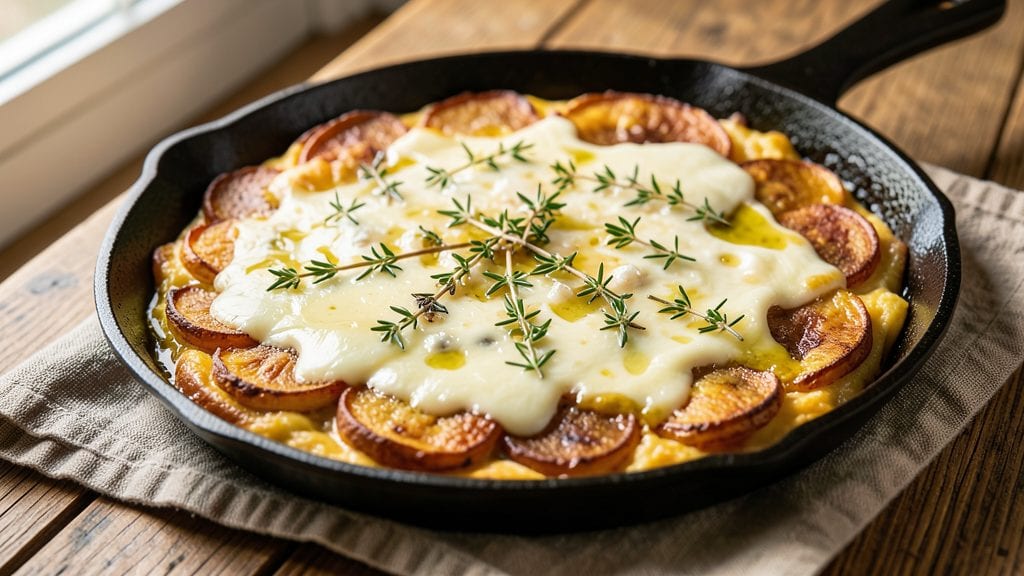
Jamie Oliver's potato frittata recipe delivers the perfect balance of crispy edges and fluffy centers—just like the ones I used to make standing on a step stool in my grandmother's kitchen in Sicily.
The secret lies in pre-cooking the potatoes until golden and tender, then layering them with whisked eggs and cheese for that signature texture. This technique transforms a simple breakfast into something restaurant-quality, with every bite offering crispy potato layers and creamy egg filling.
What makes this recipe special is how it combines Jamie Oliver's approachable style with professional results—no fancy equipment needed, just a skillet and a little patience. The potatoes get a head start in the oven or stovetop, developing that crispy crust while the eggs cook gently on top.
I've tested this method countless times, and it never fails to impress, whether you're feeding a crowd or treating yourself to a weekend brunch. The key is letting the eggs set just enough to hold their shape before sliding the frittata onto a plate.
By the time you're done, you'll have a frittata with a golden, crispy bottom crust and a soft, fluffy center that's packed with flavor. The potatoes stay tender yet crispy around the edges, while the eggs create a rich, custardy texture.
This dish is versatile enough to enjoy for breakfast, lunch, or even dinner—just add your favorite greens or herbs for extra freshness. The best part? It's ready in under 30 minutes, making it perfect for busy mornings or lazy weekends.
Serve it warm with a side of roasted vegetables or a simple salad to round out the meal. The possibilities are endless, but the foundation—crispy potatoes and fluffy eggs—is foolproof. Let's get cooking!
Ingredients for potato frittata recipe jamie oliver
Crispy potatoes meet fluffy eggs—Jamie Oliver's secret to a perfect frittata every time.
| Ingredient | Amount | Notes |
|---|---|---|
| Russet Potatoes 🥔 | 2 lbs | Cut into 1/2-inch slices, par-cooked |
| Large Eggs 🥚 | 6 whole | Room temperature, whisked |
| Shredded Gruyère Cheese 🧀 | 1 cup | Freshly grated, or pre-shredded |
| Extra-Virgin Olive Oil 🫒 | ½ cup | High-quality, fruity variety |
| Unsalted Butter 🧈 | 2 tbsp | For crispy potato layer |
| Fresh Thyme Leaves 🌿 | ¼ cup | Chopped, or dried thyme |
| Garlic Cloves 🧄 | 3 cloves | Minced, or garlic powder |
| Kosher Salt 🧂 | 1 ½ tsp | Adjust to taste |
| Freshly Ground Black Pepper 🌶️ | ½ tsp | Freshly cracked preferred |
| Fresh Spinach 🍃 | 2 cups | Chopped, optional garnish |
| Heavy Cream 🥛 | ¼ cup | For extra richness (optional) |
The potatoes are the star here. Russets are ideal—they crisp up beautifully while staying tender inside. Grab a 2-pound bag from the grocery store, or ask your butcher for pre-sliced if you're short on time. The key is par-cooking them until golden and tender—this builds that crispy crust while the eggs cook gently on top. I like to use a mix of stovetop and oven for even browning. For extra flavor, toss the raw potato slices with a pinch of salt and a drizzle of olive oil before cooking. Costco or Trader Joe's usually have the best prices on russets, and they keep well in the fridge for up to 2 weeks.
No Gruyère? Parmesan or sharp cheddar work just as well—just make sure it's freshly grated. Fresh thyme is ideal, but dried thyme at half the amount gets you close. The heavy cream is optional but adds a luxurious touch (trust me, it's worth it). For the eggs, room temperature is key—they whisk up smoother and create a lighter texture. If you're short on time, just use cold eggs and whisk a bit longer. The garlic can be minced fresh or swapped for garlic powder, but fresh has more punch. And if you're feeling fancy, add a pinch of smoked paprika to the egg mix for depth.
This frittata reheats beautifully—just pop it in the oven at 350°F for 10 minutes. Keeps for 3-4 days in the fridge, or freeze portions for up to 2 months. I like to store leftovers in single-serving containers for quick breakfasts. The crispy bottom is the best part, so serve it warm straight from the oven. If you're making ahead, assemble the frittata (without baking) and refrigerate overnight—it'll taste even better the next day. The spinach can be added fresh right before serving, or wilted into the egg mixture if you prefer.
Why You'll Love This Recipe
- One-Pan Magic: I swear by this recipe when I’m too tired to scrub pots—just roast those Russets until caramelized, crack in eggs, and let the Gruyère melt into golden perfection. The pan does all the work while you sip coffee.
- Creamy Crisp Contrast: That buttery, shredded Gruyère turns the frittata into a textural dream: crispy edges from the olive oil, fluffy eggy center, and melty cheese that clings like a hug. Honestly, the first bite makes me pause mid-chew.
- Lunchbox Hero: Between us, this is my go-to for packed lunches—slices stay sturdy for hours, and the potatoes keep it hearty enough to satisfy even my hangry teenager. (Yes, even on a Tuesday.) Just reheat with a sprinkle of flaky salt.
- Pantry-Friendly Flex: I’ve made this with whatever cheese I had (Parmesan works), swapped in leftover roasted veggies, or even used store-brand eggs—it’s that unfussy. The potatoes soak up flavors, so it’s never a waste.
Step-by-step instructions for Jamie Oliver's potato frittata
Here's how to nail that perfect golden crust with a silky interior—every time.
Par-Cook the Potatoes for Maximum Crisp
Slice the 2 lbs russet potatoes into ½-inch thick rounds. Heat ¼ cup of the extra-virgin olive oil in a large oven-safe skillet over medium-high heat until shimmering. Arrange the potato slices in a single layer, leaving no gaps—they'll expand as they cook. Sprinkle with ½ teaspoon of the kosher salt and let them sear undisturbed for 8-10 minutes until golden brown on the bottom.
Flip each slice carefully and cook another 5-6 minutes until both sides are crispy and edges begin to caramelize. Remove from heat and set aside. The potatoes should be tender but still hold their shape—this prevents a soggy frittata. Real talk: if they're still firm, give them another minute. Overcooking here makes the final dish gummy.
Build the Flavor Base with Garlic and Thyme
In the same skillet (no need to clean it—those browned bits are flavor gold), melt the 2 tbsp unsalted butter over medium heat. Add the 3 minced garlic cloves and sauté for 30 seconds until fragrant but not browned. Here's where it gets fun—toss in the ¼ cup chopped fresh thyme leaves and cook for another 30 seconds until the aroma fills your kitchen.
This step is all about layering flavor. If the thyme starts to darken too quickly, reduce heat slightly. Now's also the time to add the 2 cups chopped fresh spinach and cook just until wilted—about 1-2 minutes. The spinach should collapse completely but still retain some vibrant color. Spread the spinach evenly across the skillet to create a flavorful bed for the eggs.
Whisk the Eggs to Cloud-Like Perfection
In a large bowl, whisk the 6 large eggs until completely smooth—no streaks allowed. Add the 1 cup shredded Gruyère cheese, 1 teaspoon kosher salt, and ½ teaspoon freshly ground black pepper. For extra richness (and this is optional but amazing), stir in the ¼ cup heavy cream. The mixture should be velvety and uniform, with the cheese fully incorporated.
Here's the thing—room temperature eggs blend better, so if they're straight from the fridge, let them sit for 10 minutes first. I like to give the bowl a quick shake to ensure even distribution of the cheese. If you're feeling fancy, you can strain the mixture through a fine-mesh sieve to get rid of any cheese lumps, but it's not strictly necessary.
Assemble and Bake to Golden Greatness
Pour the egg mixture evenly over the potato-spinach base in the skillet. Return to medium heat and let it cook undisturbed for 3-4 minutes until the edges start to set and the bottom develops a light golden hue. This is the moment that matters: transfer the skillet to a preheated 375°F oven.
Bake for 15-18 minutes until the top is set and the edges are deep golden brown. The center should still be slightly jiggly—this indicates perfect doneness. If you're worried about the top browning too quickly, tent loosely with foil after 10 minutes. The frittata is ready when it springs back gently when touched and pulls away cleanly from the edges of the pan.
Rest and Serve with Confidence
Remove from the oven and let the frittata rest for 5 minutes before attempting to slice. This resting period allows the internal heat to distribute evenly, preventing any potential runny centers. Use a sharp spatula to loosen the edges, then slide the frittata onto a cutting board.
Slice into 4 equal wedges and serve immediately with the crispy edges up. Each bite should deliver that perfect contrast of crunchy potato crust, creamy egg center, and melty Gruyère throughout. For extra drama, garnish with additional fresh thyme leaves. Don't skip this step—it's what makes this frittata feel restaurant-worthy.
Pro Tips For Making Potato Frittata Recipe Jamie Oliver
- PRE-COOK POTATOES: Russets need a 20-minute head start in boiling water—skin-on, no salt—until fork-tender. Cold water and a lid keep them from turning to mush, and this step guarantees they’ll absorb the Gruyère’s richness instead of releasing starch like a soggy mess. (Yes, even if you’re impatient like me.)
- WHISK EGGS VIGOROUSLY: No one likes a lumpy frittata. Beat the eggs with a fork first, then switch to a whisk until ribbons form—this incorporates air, which means a lighter texture. Add a pinch of salt now, too, so the butter and cheese don’t overpower later.
- LOW AND SLOW FINISH: After the initial sear, drop the heat to medium-low and let the center set for 5–7 minutes. Rushing this step turns your frittata into a dense slab instead of a fluffy, golden cake. A toothpick should come out clean, but the middle can still be slightly custardy—it’ll firm up as it rests.
- GRUYÈRE BY THE GRAM: Skip the eyeballing—measure the cheese. Too much makes it greasy; too little leaves it bland. For a 10-inch pan, 1½ cups shredded Gruyère is the sweet spot. Pulse it in a food processor for even melting, and resist the urge to pack it down—keep it fluffy so it browns properly.
Wine and beer pairings for this potato frittata recipe jamie oliver
Crisp White Wine
For this potato frittata, I reach for a dry Italian white wine like Vermentino or Pinot Grigio—both have bright acidity that cuts through the richness of the eggs and cheese while complementing the earthy potatoes.
A glass of Vermentino from Sardinia (around $15-$20) brings citrus and mineral notes that refresh your palate between bites. If you prefer something lighter, a Sauvignon Blanc from New Zealand adds herbal freshness that pairs beautifully with the thyme and spinach. 🍷
Crisp Lager
A crisp Italian lager like Peroni or Moretti is my go-to beer pairing—its clean, slightly malty profile balances the frittata's richness without overpowering it. The carbonation helps cleanse your palate between each crispy, cheesy bite.
For a craft option, try a Belgian witbier like Hoegaarden—its coriander and orange peel notes echo the thyme and Gruyère. Avoid heavy IPAs or stouts, as they can clash with the delicate egg texture. 🍺
Sparkling Rosé
If you're serving this frittata at brunch or a weekend gathering, a dry sparkling rosé like Prosecco or Spanish Cava adds a celebratory touch. The bubbles and light fruitiness contrast the dish's hearty elements while keeping the meal feeling fresh.
I love La Marca Prosecco (around $12-$15) for its crisp acidity and subtle berry notes. This pairing works especially well if you've added fresh herbs like basil or dill to the frittata. ✨
Coffee Pairing
For a morning meal, nothing beats a strong espresso or Americano to cut through the frittata's richness. The bitterness of the coffee balances the creamy eggs and melty cheese, while the warmth of the drink enhances the dish's comforting qualities.
If you're a fan of flat white or latte, the creamy texture complements the frittata's custardy center beautifully. ☕
Seasonal Adaptations
In summer, I opt for a chilled Sauvignon Blanc or Pilsner to match the lighter, fresher vibe of the meal. For winter, a Chardonnay with a touch of oak adds warmth and depth, pairing perfectly with the hearty potato and cheese.
If you're serving this frittata for a holiday brunch, a Moscato d'Asti (lightly sparkling and slightly sweet) adds a festive touch. 🌿
Nutrition facts
Frequently asked questions
Can I make this potato frittata ahead of time?
Assemble the frittata (potatoes, spinach, and egg mixture) in the skillet, cover, and refrigerate overnight. The next morning, bake at 375°F for 20-25 minutes—it'll taste even better with flavors melded. For make-ahead meals, this is a game-changer!
What if I don't have Gruyère cheese?
No problem! Swap it for Parmesan (use ½ cup for extra sharpness) or sharp cheddar (same amount). For a vegan option, try nutritional yeast mixed with olive oil—it adds a cheesy flavor without dairy.
How do I fix a soggy frittata?
If the center feels undercooked or watery, return it to the oven at 350°F for 5-10 extra minutes until set. For prevention, ensure potatoes are fully par-cooked (no moisture) and eggs are whisked until completely smooth. Overcrowding the skillet also causes sogginess—leave room for even cooking!
Can I add other vegetables?
Yes! Try sautéed mushrooms, bell peppers, or zucchini—just cook them until tender before adding eggs. For heartiness, fold in cooked chorizo or crumbled bacon (drain excess fat). Keep veggies in ½-inch pieces or smaller for even cooking.
Why does my frittata stick to the pan?
This usually happens if the skillet isn't hot enough or lacks fat. Ensure your pan is well-seasoned and preheated over medium-high heat. Use ½ cup olive oil for crispy potatoes—don't skip this step! A nonstick skillet helps, but a well-seasoned cast iron works best for that restaurant-quality crust.