
Side Dishes
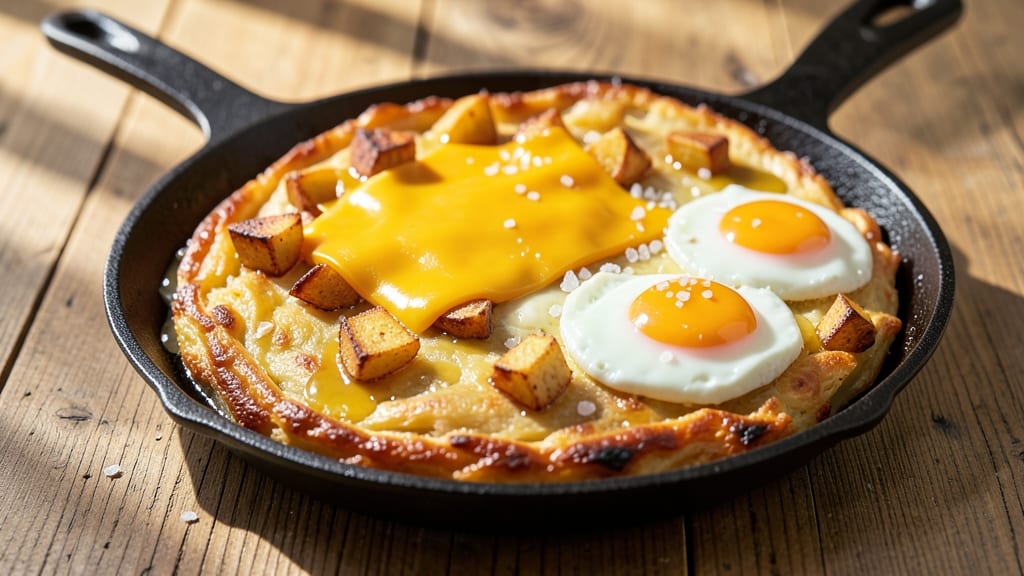
This potato dough recipe transforms humble potatoes into a cheesy, pull-apart masterpiece that’s perfect for game day or a hearty side dish.
The secret lies in blending mashed potatoes with a rich dough base, creating a texture that’s crispy on the edges and tender inside—like a cross between gnocchi and cornbread.
I developed this recipe after years of experimenting with potato-based doughs, and it’s become a crowd-pleaser that disappears faster than you can say "seconds, please?"
The beauty of this dish is its versatility and simplicity. With just a handful of ingredients—potatoes, flour, cheese, and a few pantry staples—you’ll create a dough that bakes into golden, cheesy bites that pull apart effortlessly.
The key is getting the dough consistency just right: too wet, and it won’t hold; too dry, and it’ll be dense. But once you nail it, you’ll have a foolproof method that delivers restaurant-quality results every time.
By the time it emerges from the oven, your one-pan creation will be crispy around the edges with a gooey, melty center that’s impossible to resist.
The aroma alone will have everyone gathering around the table, and the first bite delivers that perfect balance of savory, cheesy, and slightly crispy satisfaction. It’s the kind of dish that elevates any meal—whether served as a standalone appetizer or alongside roasted meats and vegetables.
Serve it warm with a dollop of sour cream or a drizzle of gravy for the ultimate comfort food experience. This recipe is designed to impress without requiring advanced skills, making it ideal for both beginners and seasoned cooks. Let’s get started on creating your cheesy potato dough delight!
Ingredients for potato dough
Just 12 ingredients transform humble potatoes into a cheesy, pull-apart masterpiece—crispy edges, gooey center, and zero fuss.
| Ingredient | Amount | Notes |
|---|---|---|
| Russet Potatoes 🥔 | 2 ½ lb | Peeled and boiled until tender |
| All-Purpose Flour 🌾 | 3 cups | Sifted for light texture |
| Shredded Sharp Cheddar Cheese 🧀 | 2 cups | Freshly grated preferred |
| Large Eggs 🥚 | 2 whole | Room temperature for best mixing |
| Unsalted Butter 🧈 | ½ cup | Cold, cubed for dough |
| Milk 🥛 | ½ cup | Whole for creaminess |
| Baking Powder 🧂 | 1 tbsp | Ensures fluffy texture |
| Salt 🧂 | ½ tsp | Fine sea salt preferred |
| Black Pepper 🌶️ | ½ tsp | Freshly ground for flavor |
| Garlic Powder 🧄 | ½ tsp | For savory depth |
| Olive Oil 🫒 | 1 tbsp | For greasing the pan |
| Sour Cream 🍦 | ¼ cup | For serving (optional) |
The potatoes are the star, so Russet is your best bet—they’re starchy and hold shape perfectly. Costco or Trader Joe's usually have them pre-peeled for convenience, but I always peel mine myself (about 2.5 pounds for this recipe). Boil them until fork-tender, then mash them smooth—no lumps, or your dough will be dense. For the cheese, sharp cheddar is non-negotiable; pre-shredded gets clumpy, so grab a block and grate it fresh. The butter? Cold and cubed—it keeps the dough from getting too soft while you work with it.
No sour cream? Greek yogurt or crème fraîche works just as well for serving. Short on butter? Substitute with an extra 0.25 cup of oil, but the texture won’t be quite as tender. The milk can be swapped for heavy cream if you’re feeling indulgent, but whole milk keeps it simple. For a gluten-free twist, swap 1 cup of flour for a gluten-free 1:1 blend, though the texture will be slightly denser. And if you’re out of baking powder, 1 tsp baking soda plus 0.25 tsp cream of tartar is a solid backup—just mix it ahead of time.
This dough keeps surprisingly well. Cover and refrigerate for up to 24 hours if you’re prepping ahead, but let it sit at room temp for 30 minutes before baking for best results. Leftovers? Reheat in a 350°F oven for 10-15 minutes until crispy again. I like to portion mine into mini muffin tins for bite-sized appetizers—double the recipe and freeze half for later. The aroma alone will have your whole house gathering around the pan, trust me.
Why You'll Love This Recipe
- No Boil, No Peel: I just microwave the Russets whole with a fork in 'em—no mess, no peeling, and that starchy mash is chef’s kiss for binding the dough. Honestly, it’s the kind of shortcut that makes me want to cook more.
- Cheesy Crispy Magic: That sharp cheddar gets all melty and stringy when baked, while the butter adds this buttery, almost biscuit-like richness. It’s the kind of flavor combo that makes you forget you’re eating something that started as a potato.
- Leftover Reinvention: Turn extra dough into crispy fries, a cheesy flatbread, or even a loaded breakfast hash. I’ve used it for potlucks, game days, and lazy Sundays—it’s my secret weapon for when I’m out of ideas.
- Pantry Staple Power: You’re probably already using these ingredients—flour, butter, eggs, cheese—so it’s a budget win. Plus, the potatoes stretch the dough so well, you won’t need fancy ingredients to make it feel special.
Step-by-step instructions for one-pan cheesy pull-apart delight
Here's how to create the ultimate cheesy potato dough without any fuss—crispy, tender, and impossible to resist!
Prepare the Potato Base
Start by peeling the 2.5 lb russet potatoes and cutting them into even 1-inch chunks. Place them in a pot of cold, salted water and bring to a boil. Once boiling, reduce heat to medium and simmer for 15-20 minutes until fork-tender. Drain well and let them cool slightly before handling.
While the potatoes cook, preheat your oven to 375°F. The key here is to mash them while still warm—they'll be easier to handle and create a smoother dough. Transfer the cooked potatoes to a large mixing bowl and mash them thoroughly with a potato masher or fork until completely smooth. You want no lumps at all, so take your time here. The texture should be like thick mashed potatoes with no resistance when you press it.
Mix the Dough Ingredients
In a separate bowl, whisk together the 3 cups all-purpose flour, 1 tbsp baking powder, 0.5 tsp salt, 0.5 tsp black pepper, and 0.5 tsp garlic powder. Sift the flour mixture directly into the mashed potatoes, then add the 2 whole eggs, 0.5 cup milk, and 0.5 cup cold cubed unsalted butter. Using a wooden spoon or your hands, mix everything together until just combined.
This is where the magic happens—I like to use my hands for this step because it helps incorporate the butter more evenly. The dough should be soft and slightly sticky, almost like cookie dough. If it feels too dry, add 1 tablespoon of milk at a time until it reaches the right consistency. Remember, we're aiming for something that holds together when shaped but isn't stiff like pie dough.
Fold in the Cheese
Now it's time for the star ingredient—the 2 cups shredded sharp cheddar cheese. Fold it into the dough using a spatula, being careful not to overmix. The cheese should be evenly distributed throughout, with some visible chunks for that classic cheesy pull-apart effect. If you're worried about the dough being too soft, don't panic—it'll firm up as it bakes.
Here's a pro tip: I like to work quickly at this stage because warm dough can get gummy. If your kitchen feels warm, you might want to chill the dough for 10-15 minutes before shaping. This helps prevent spreading too much in the oven. While the dough rests, grease a 9x13-inch baking dish with 1 tablespoon olive oil—this ensures easy release later.
Shape and Bake
Transfer the dough to your prepared baking dish and use your fingers to spread it evenly into a 1-inch thick layer. The edges should be slightly thicker than the center to create that beautiful golden crust. Sprinkle the top with a little extra cheese if you're feeling fancy—it adds that irresistible melted cheese pull.
Bake for 35-40 minutes until the edges are golden brown and the center is set. You'll know it's done when the top springs back slightly when touched and there's no jiggly dough remaining. The internal temperature should reach 200°F when checked with an instant-read thermometer. If the top browns too quickly, tent it loosely with foil for the last 10 minutes of baking.
Serve Warm with Sour Cream
Let the cheesy delight cool for 5-10 minutes before serving—this prevents it from falling apart when you cut into it. The texture should be crispy on the outside with a tender, fluffy interior that pulls apart easily. For serving, I like to dollop the optional 0.25 cup sour cream on top or serve it on the side for dipping.
This dish is even better the next day when the flavors have had time to meld together. Store leftovers covered in the refrigerator for up to 3 days or freeze for up to 3 months. When reheating, cover with foil and warm in the oven at 350°F for 10-15 minutes until heated through. The magic of this recipe is in its simplicity—just a few ingredients that come together to create something truly special!
Pro Tips For Making Potato Dough
- BOIL POTATOES UNTIL SOFT: Russets should be fork-tender, not mushy—test after 15 minutes in boiling water. Overcooking turns them to glue; undercooking leaves raw spots that ruin texture. Drain well and let them steam-dry in the pot for 2 minutes (yes, even if you’re impatient like me).
- USE DRY CHEESE ONLY: Shake excess moisture from that shredded cheddar before mixing—wet cheese makes the dough gummy. Pat it with a towel if it’s damp, or save yourself the hassle and buy pre-shredded "block-style" cheese (it’s less waxy and behaves better).
- MIX JUST UNTIL COMBINED: Overworking the dough after adding flour makes it tough. Stir until the potatoes are coated, then stop—lumps are fine. The eggs and butter will bind it as it bakes, not during mixing.
- COOL DOUGH BEFORE SHAPING: Warm dough sticks and flattens like a sad pancake. Let it rest 10 minutes after mixing, then scoop portions—this keeps them from oozing cheese everywhere when you bake them. (Your future self will thank you.)
Pro cooking tips for this dish
Dough Consistency
Getting the dough consistency right is everything—too wet, and it won’t hold; too dry, and it’ll be dense. I aim for a texture like thick cookie dough that’s soft but holds together when shaped. If your dough feels sticky, add 1 tablespoon flour at a time until it’s manageable.
For extra assurance, I use a digital kitchen scale to measure flour by weight (about 150g per cup) for precision. 💡
Cheese Integration
Fold in the sharp cheddar gently to avoid overmixing, which can make the dough tough. I like to use my hands at this stage—it helps distribute the cheese evenly while keeping some visible chunks for that classic pull-apart effect.
For a nutty depth, I sometimes add ¼ cup grated Parmesan alongside the cheddar. Pre-shredded cheese gets clumpy, so always grate your own. 🧀
Oven Temperature
Bake at 375°F for even cooking, but watch closely after 30 minutes—the edges should be golden while the center remains slightly soft. If the top browns too quickly, tent loosely with foil.
An instant-read thermometer ensures doneness at 200°F internal temp. For extra crispiness, I broil for 2-3 minutes at the end (watch closely!). ⚡
Dough Chilling
If your kitchen is warm, chill the dough for 10-15 minutes before shaping—this prevents excessive spreading. I place the bowl in the fridge or even the freezer for a quick 5-minute rest.
For extra insurance, I shape the dough into a loose ball before transferring it to the pan, which helps it hold together better during baking. 🥶
Pan Prep
Grease your 9x13-inch baking dish generously with olive oil or melted butter to prevent sticking. I like to use a pastry brush for even distribution.
For a non-stick alternative, I sometimes line the pan with parchment paper, but I cut slits in it to allow steam to escape—this prevents a soggy bottom. 🫒
Resting Time
Let the baked dish rest for 5-10 minutes before serving—this allows the internal heat to distribute, making it easier to cut clean slices. I also find the flavors meld better during this time.
For make-ahead prep, cool completely, wrap tightly in foil, and refrigerate for up to 3 days or freeze for 3 months. Reheat covered at 350°F for 10-15 minutes. 💪
Nutrition facts
Frequently asked questions
Why does my potato dough turn out dense instead of fluffy?
Overmixing or undercooked potatoes are the most common culprits. Make sure to mash the potatoes until completely smooth with no lumps, and avoid working the dough more than necessary. Also, ensure your potatoes are fully cooked but not mushy—15-20 minutes in boiling water should do it. For extra fluffiness, chill the dough for 10 minutes before baking to prevent excessive spreading.
Can I make this potato dough ahead of time?
The dough keeps well in the fridge for up to 24 hours covered tightly. For best results, let it sit at room temperature for 30 minutes before baking to ensure even cooking. You can also freeze shaped dough balls for up to 3 months—just bake straight from frozen at 375°F for 5-10 minutes longer than usual.
What’s the best way to reheat leftover potato dough?
Wrap leftovers in foil and reheat at 350°F for 10-15 minutes until heated through. For extra crispiness, broil for 2-3 minutes at the end (watch closely!). Microwaving works in a pinch, but it’ll make the edges soggy—always opt for the oven for best texture.
Can I substitute sweet potatoes for russets?
Yes, but the texture will differ slightly. Sweet potatoes are denser and moister, so you may need 1 extra cup of flour to absorb the excess liquid. Also, they’ll give a sweeter, earthier flavor—great if you’re making a dessert version! For a neutral taste, stick with russets, which are starchy and ideal for this recipe.
How do I fix dough that’s too sticky?
Add 1 tablespoon flour at a time until the dough is manageable but still holds together. Avoid overdoing it—too much flour can make the dough dry and tough. If the dough feels too soft after mixing, chill it for 15 minutes before shaping. For extra insurance, use a digital kitchen scale to measure flour by weight (150g per cup) for consistency.