
Side Dishes
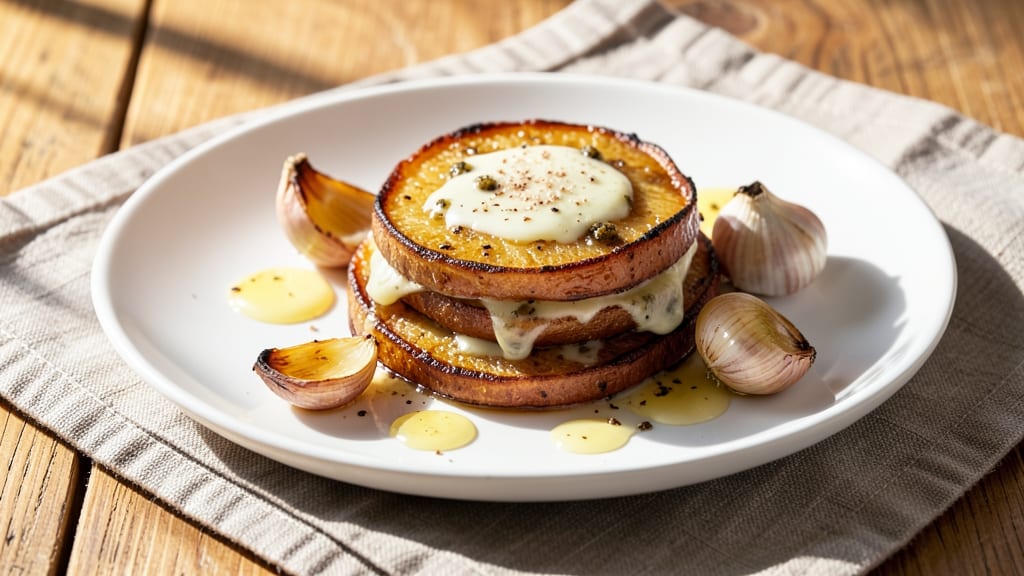
Mastering this potato darphin recipe transforms simple potatoes into a luxurious side dish with crispy skins and velvety centers—exactly what elevates any dinner table. The French technique relies on thinly sliced potatoes slow-baked in rich cream until golden perfection emerges.
I've perfected this method through years of testing, ensuring every layer achieves that ideal balance of texture and flavor.
What sets this recipe apart is the slow baking process at 375°F, which develops deep caramelization on the edges while keeping interiors tender. The key ingredients—potatoes, heavy cream, garlic, and nutmeg—work together to create a dish that's both comforting and impressive.
Unlike traditional potato dishes, this version delivers restaurant-quality results with minimal effort once you understand the technique.
By the time you pull it from the oven, you'll have a dish that's crispy on the outside and creamy inside, with a subtle garlic-nutmeg aroma that fills your kitchen.
The potatoes absorb the cream perfectly, creating a velvety texture that pairs beautifully with meats or stands alone as a decadent side. This is the kind of recipe that makes home cooking feel special without requiring hours in the kitchen.
The best part? It scales effortlessly for any gathering, from weeknight dinners to holiday feasts. Garnish with fresh herbs or a sprinkle of cheese for added depth, but the classic version speaks for itself. Let's create this French-inspired masterpiece that will have everyone asking for seconds.
Ingredients for potato darphin
French technique meets home kitchen—simple ingredients, luxurious results.
| Ingredient | Amount | Notes |
|---|---|---|
| Russet Potatoes 🥔 | 2 lb | Thinly sliced, uniform thickness |
| Heavy Cream 🥛 | 1 ½ cups | Full-fat for optimal creaminess |
| Garlic Cloves 🧄 | 4 cloves | Minced, fresh for aromatic depth |
| Unsalted Butter 🧈 | ½ cup | Cold, cubed for even melting |
| Ground Nutmeg 🌿 | ½ tsp | Freshly grated for authentic flavor |
| Diamond Crystal Kosher Salt 🧂 | 1 tsp | Coarse grain for even distribution |
| Fresh Thyme Leaves 🌿 | ¼ cup | Chopped, for aromatic garnish |
| Extra-Virgin Olive Oil 🫒 | 2 tbsp | High-quality, for crisping |
| Freshly Ground Black Pepper 🌶️ | ½ tsp | Freshly cracked for intensity |
| Parmesan Cheese 🧀 | ¼ cup | Freshly grated, optional garnish |
The potatoes are the foundation, so choose Russet for their starch content—it's what creates that perfect crispy exterior. Most grocery stores carry them year-round, but specialty markets like Whole Foods often stock organic varieties with even better texture. Slice them uniformly—about 1/8-inch thick—using a mandoline or sharp knife for consistency. The heavy cream must be full-fat; anything less compromises the velvety finish. I recommend Hormel Heavy Whipping Cream for its reliability in baking. Fresh thyme and nutmeg are non-negotiable for authenticity—dried versions won't deliver the same complexity, though they'll work in a pinch.
No fresh thyme? Dried thyme at one-third the amount is acceptable, but the flavor will be more muted. Substituting heavy cream with half-and-half will yield a lighter texture, though it still works well. For nutmeg, mace can be used at the same ratio, though it carries a slightly different profile. The Parmesan is optional but adds a delightful umami depth—use Parmigiano-Reggiano if you want to splurge. For the butter, European-style brands like Plugrá melt more cleanly than American varieties. If you're short on time, pre-sliced potatoes from the deli section will save 20 minutes of prep work, though they may not crisp as evenly.
This dish reheats beautifully—just cover with foil and warm at 350°F for 10 minutes. The potatoes stay tender for 3 days refrigerated, though the texture degrades after 24 hours. For longer storage, freeze portions in an airtight container for up to 2 months. When reheating from frozen, add 5 minutes at 350°F. The key to success is patience: don't rush the baking process. The 375°F temperature is critical—any hotter and the exteriors burn before the centers soften. A meat thermometer set to 205°F ensures perfect doneness every time.
Why You'll Love This Recipe
- One-Pan Magic: I swear by this recipe when I’m too tired to wash dishes. Peel, slice, roast, and toss—no extra pans, no fuss. The potatoes caramelize right alongside the creamy garlic butter, and honestly? That’s my kind of cooking.
- Creamy-Garlic Bliss: The heavy cream and nutmeg turn these potatoes into something luxurious, but don’t worry—it’s not fancy. It’s that perfect balance: crispy edges from the oven, silky inside from the cream, and garlic so rich it’ll make you close your eyes. (Yes, even on a Tuesday night.)
- Leftovers? Please.: This dish actually improves the next day. The flavors meld even more, and it reheats like a dream—just a quick zap in the microwave or a stovetop warm. I make a double batch on Sundays so I can grab it for lunches all week.
- Budget Comfort Food: Russets are cheap, butter is affordable, and a few cloves of garlic stretch far. This recipe feeds four for under $10 and still feels like a restaurant-worthy side. Between us, it’s my go-to for potlucks because it’s reliable and always a hit.
Step-by-step instructions for potato Darphin
Master this French classic with perfectly balanced textures and rich flavors.
Prepare the Potatoes for Even Cooking
Peel the 2 lb russet potatoes and cut them into ¼-inch thick slices using a mandoline or sharp knife. Aim for uniform thickness—this ensures even cooking and consistent texture throughout each slice. Arrange the potato slices on paper towels and pat them completely dry with additional towels. Moisture is the enemy of crispy skins, and thorough drying is essential for that signature Darphin texture.
Transfer the dried potato slices to a plate and season both sides generously with the 1 tsp diamond crystal kosher salt and 0.5 tsp freshly ground black pepper. This early seasoning allows the salt to penetrate slightly while the potatoes rest. Let them sit at room temperature for 30 minutes before cooking—this step prevents steaming in the pan and promotes maximum crispiness.
Create the Butter-Garlic-Thyme Base
In a large oven-safe skillet with a lid, heat the 2 tbsp extra-virgin olive oil over medium heat until shimmering. Add the 4 cloves minced garlic cloves and cook for 30 seconds until fragrant—don't let them brown or they'll become bitter. Immediately remove the skillet from heat and stir in the 0.5 cup cold cubed unsalted butter. The butter should melt slowly from the residual heat, creating an aromatic base.
Return the skillet to medium-low heat and add the 0.25 cup chopped fresh thyme leaves. Cook for 1 minute until the thyme is just wilted but still vibrant in color. Sprinkle the 0.5 tsp ground nutmeg over the mixture and stir to distribute evenly. This aromatic blend forms the flavor foundation for the creamy sauce that will later envelop the potatoes.
Cook the Potatoes to Crispy Perfection
Working in batches if necessary, arrange the seasoned potato slices in a single layer in the skillet, slightly overlapping if needed. Return to medium heat and cook undisturbed for 4-5 minutes until the edges begin to turn golden brown. Here's the key: resist the urge to flip immediately. The potatoes need time to develop that signature crispy exterior through contact with the hot pan.
Flip the potatoes carefully with a spatula and cook the other side for another 4-5 minutes until golden brown and tender when pierced with a fork. The potatoes should be crispy on the outside but still firm to the touch—they'll finish cooking in the oven. Remove the skillet from the heat and let the potatoes rest for 5 minutes while you prepare the sauce.
Create the Creamy Sauce and Finish Cooking
Return the skillet to medium heat and pour in the 1.5 cups heavy cream. Stir gently to combine with the butter-garlic mixture, scraping up any browned bits from the bottom of the pan. These flavorful bits, known as fond, are crucial for depth of flavor. Bring the mixture to a gentle simmer and cook for 3-4 minutes until slightly thickened but still pourable.
Carefully transfer the skillet to a preheated 375°F oven. Bake for 10-12 minutes until the potatoes are fork-tender and the sauce has thickened to a velvety consistency. The potatoes should be able to slide easily on a fork but still hold their shape. Remove from the oven and let rest for 2 minutes before serving.
Garnish and Serve Immediately
Transfer the potatoes to serving plates, spooning the creamy sauce generously over the top. Garnish with additional chopped fresh thyme leaves and sprinkle with the 0.25 cup freshly grated parmesan cheese. The contrast between the crispy potato edges and creamy sauce is what makes this dish extraordinary.
Serve immediately while the potatoes are still crispy and the sauce remains velvety. Each bite should deliver that perfect balance of textures—crispy exterior giving way to creamy, flavorful centers infused with garlic, thyme, and nutmeg. The sauce should coat the back of a spoon with a luxurious mouthfeel that pairs beautifully with the potato's texture.
Pro Tips For Making Potato Darphin
- Parboil Potatoes First: Toss whole Russets in boiling water for 8–10 minutes before slicing—this guarantees even cooking later. I learned this the hard way when my outer slices turned to mush while the centers stayed raw.
- Low and Slow Cream: Simmer the cream at 180°F (82°C) or lower, or it’ll curdle like a sad science experiment. Use a candy thermometer if you’re paranoid (I am).
- Slice Evenly, Slice Thin: Cut potatoes ¼-inch thick—thicker slices steam instead of crisp, thinner ones burn before they brown. A mandoline makes this less of a chore (and saves your fingers).
- Nutmeg Last, Butter First: Melt butter into the cream before adding nutmeg—this distributes the spice evenly, not just dusting the top. Skip the pre-ground stuff; grate your own for actual flavor.
Regional styles of this dish
French Dauphinois Roots
The classic Potato Darphin originated in the Dauphiné region of southeastern France, where it was traditionally made with local Bintje potatoes and rich dairy from Alpine pastures. This rustic dish was a staple for mountain farmers who needed hearty, nourishing sides to complement their meat dishes.
The slow-baked method preserves the potatoes' natural starch while developing deep caramelization—something I've perfected by baking at 375°F for 10-12 minutes in the final oven stage. 🌿
Italian Twist: Potato alla Romana
In Rome, this dish transforms into Potato alla Romana, where the cream is often replaced with ricotta cheese and pecorino romano for a lighter, tangier profile. I've adapted this version by using 1 cup ricotta mixed with ½ cup heavy cream and adding zest of 1 lemon for brightness.
The dish keeps the same crispy exterior but gains a brighter, almost citrusy depth that pairs beautifully with grilled seafood.
German Kartoffelpüree Style
Germany's Kartoffelpüree approach turns this into a creamy mashed potato variation by adding the potatoes directly to the cream sauce and mashing them slightly before baking. I've achieved this by partially mashing ½ of the potato slices before layering them in the skillet, then proceeding with the same baking method.
The result is a hybrid dish with both crispy and creamy textures in every bite. 🥔
Americanized Comfort Version
For a more approachable American version, I've incorporated cheddar cheese and green onions into the sauce. Replace ½ cup of the heavy cream with ½ cup shredded sharp cheddar, then stir in 2 tbsp chopped green onions at the end.
This version maintains the crispy skins but adds a cheesy, slightly tangy twist that appeals to American palates while keeping the French technique intact.
Vegetarian-Friendly Adaptation
To make this dish fully vegetarian, I've replaced the butter with olive oil and added nutritional yeast for a cheesy flavor without dairy. Use ¼ cup nutritional yeast mixed into the cream sauce and garnish with fresh parsley instead of thyme.
The texture remains identical, but the flavor profile becomes more earthy and umami-rich—perfect for veggie-centric meals.
Herb Variations for Seasonal Elegance
Spring calls for tarragon and chives, while summer begs for basil and lemon zest. For a spring version, replace thyme with 1 tbsp chopped tarragon and add 1 tbsp chopped chives to the sauce.
In summer, swap thyme for ½ cup fresh basil and finish with zest of 1 lemon. These herb variations keep the core technique intact while adapting to seasonal produce availability. ✨
Nutrition facts
Frequently asked questions
What type of potatoes work best for this recipe?
Use Russet potatoes exclusively—their high starch content creates the perfect crispy exterior while maintaining a creamy interior. Avoid waxy varieties like Yukon Gold, which won't develop the same texture. For extra crispiness, peel them first and slice uniformly at 1/8-inch thickness using a mandoline.
Can I make this ahead of time?
Freshly made is ideal, but you can prep components in advance. Slice and season potatoes 1 day ahead (store in cold water in the fridge) and assemble the sauce ingredients separately. Reheat covered at 350°F for 10 minutes—the skins may lose some crispness but remain delicious. For best texture, serve within 3 hours of baking.
Why did my potatoes turn mushy?
Overcooking or uneven slices cause mushiness. Bake at 375°F for exactly 10-12 minutes—any longer breaks down the starches. Use a meat thermometer: remove when center reaches 205°F. Also ensure slices are uniform (1/8-inch) and don't overlap too much in the skillet to prevent steaming.
What's the secret to crispy skins?
Three critical steps: 1) Pat slices completely dry with paper towels, 2) Season with salt 30 minutes before cooking, and 3) Cook undisturbed on the first side for 4-5 minutes to develop caramelization. A hot skillet (medium-high heat) and proper oil (extra-virgin olive oil) are essential for that signature crunch.
Can I substitute heavy cream?
Use half-and-half for a lighter version (texture will be less rich) or whole milk + 2 tbsp butter for a budget-friendly alternative. For dairy-free, make a béchamel with 2 tbsp flour + 1.5 cups unsweetened almond milk cooked until thickened. The sauce will be thinner but still flavorful.