
Main Courses
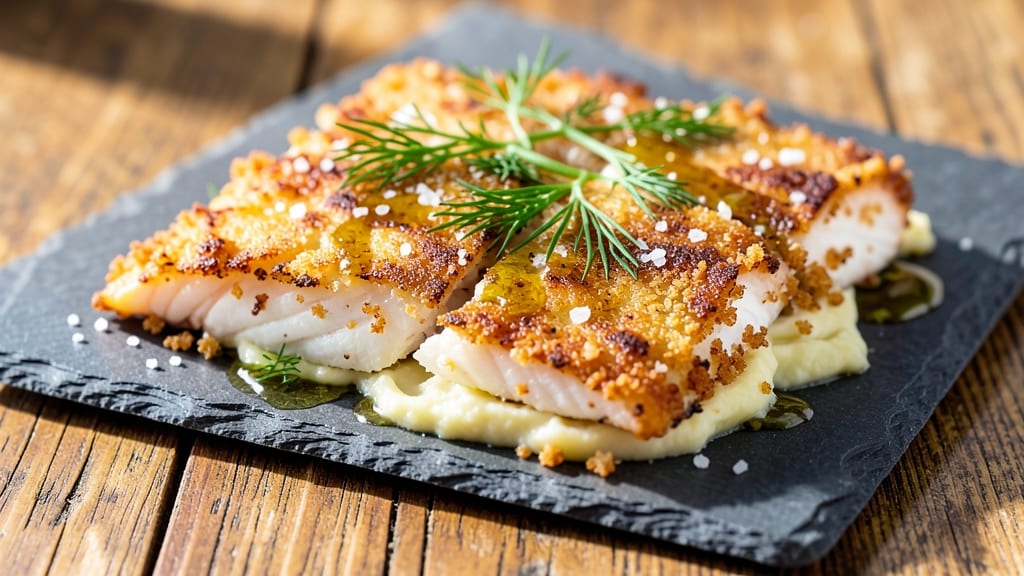
A potato-crusted cod recipe delivers the perfect balance of crispy, golden crust and tender, flaky fish—every bite reveals that moist, delicate center hiding beneath. The secret lies in finely grated potatoes mixed with panko and herbs, creating a crust that stays crunchy while protecting the fish from overcooking.
This technique transforms simple ingredients into a restaurant-worthy dish that feels special enough for guests but simple enough for weeknights.
What makes this recipe stand out is the two-step cooking process: first baking the crust lightly to set it, then finishing in the oven to ensure even cooking without drying out the fish.
The result is a fillet with a crispy potato shell that shatters slightly with each bite, revealing the buttery, flaky cod beneath—proof that homemade can rival any seafood restaurant. The method works equally well with fresh or frozen cod, making it versatile for any pantry.
Pair this dish with a bright lemon-dill sauce or roasted asparagus to complete the meal, and you’ll have a plate that’s as visually appealing as it is delicious. The crust’s golden hue and flaky texture make it ideal for photography, ensuring your dish looks as impressive as it tastes.
Ready in under 30 minutes, this recipe proves that elegant seafood doesn’t require complicated techniques—just the right method and a little patience.
The beauty of this potato-crusted cod is its adaptability: swap the herbs for garlic or paprika for a different flavor profile, or use different potatoes (like Yukon Golds for extra creaminess).
Whether you’re cooking for a date night or a family dinner, this dish delivers restaurant-quality results with minimal effort. Let’s get started on creating that perfect crunchy-gold crust.
Ingredients for potato crusted cod
Simple ingredients transform into restaurant-quality potato-crusted cod with golden crunch and tender flakes.
| Ingredient | Amount | Notes |
|---|---|---|
| Cod Fillets 🐟 | 4 whole | Skinless, 6-8 oz each |
| Russet Potatoes 🥔 | 2 medium | Peeled, finely grated |
| Panko Breadcrumbs 🍞 | ½ cup | Japanese style preferred |
| All-Purpose Flour 🌾 | ¼ cup | For dusting fish |
| Extra-Virgin Olive Oil 🫒 | ¼ cup | For crust and baking |
| Fresh Dill 🌿 | ¼ cup | Chopped, stems removed |
| Fresh Parsley 🌿 | 0.1 cup | Chopped, for garnish |
| Garlic Cloves 🧄 | 3 cloves | Minced, for crust |
| Salt 🧂 | 1 ½ tsp | Kosher or sea salt |
| Black Pepper 🌶️ | ½ tsp | Freshly ground |
| Lemon Juice 🍋 | 2 tbsp | Freshly squeezed |
| Unsalted Butter 🧈 | 2 tbsp | Melted, for fish |
| Eggs 🥚 | 1 whole | Beaten, for binding |
The potatoes are the foundation of that perfect crust. Russet potatoes are ideal because they're high in starch, which creates the crispy texture—Yukon Golds or red potatoes work too, but they'll be slightly less crisp. Grab the smallest bag you can find at Trader Joe's or Whole Foods since you only need a couple. Peel them first, then grate them using the fine holes on your box grater. Don't skip the peeling—the skin stays tough even after cooking. If you're short on time, pre-shredded potatoes from the bagged section will work, but they lack that fine texture that makes the crust truly crispy.
No panko? Regular breadcrumbs toasted in a dry pan for 3-4 minutes work in a pinch, but they won't be as light. Fresh dill is non-negotiable for that bright flavor—dried dill at one-quarter the amount is a poor substitute. The lemon juice adds brightness, but white wine or vinegar can stand in if you're out. For the garlic, garlic powder at half the amount is an option, though fresh is always better. If you're using frozen cod, thaw it in the fridge overnight—never under running water, as that makes the fish dry out. Pat the fillets completely dry before coating them, or your crust won't crisp properly.
This crust stays crispy for about 20 minutes after baking, so serve it immediately. For leftovers, store in an airtight container with a paper towel on top to absorb any moisture. The cod reheats beautifully—2-3 minutes at 350°F in the oven with a splash of water keeps it moist. The crust won't be as crispy after reheating, but the fish will still be delicious. If you're making ahead, assemble the crust on the fish and refrigerate for up to 6 hours before baking—just add 5 minutes to the cooking time.
Why You'll Love This Recipe
- Crispy Without Fuss: I swear by this method—no deep-frying, no breading mess. You just slice potatoes paper-thin, toss them in olive oil, and layer them around the cod. The oven does all the work while I’m chopping veggies for the side.
- Weeknight to Dinner Party: Same recipe, different vibes. Toss it together for a lazy Tuesday with roasted asparagus, or dress it up with lemon-garlic butter and fresh herbs for guests. The crust holds up beautifully—no soggy breading in sight.
- Zero-Waste Win: Russets are cheap, and you use every bit—peels included. The crust absorbs flavors like a dream, and leftovers reheat like a dream (yes, even the next day). Plus, the panko adds structure without breaking the bank. Smart, simple, satisfying.
Step-by-step instructions for potato crusted cod
This method delivers a perfect balance of crispy exterior and tender interior every time.
Prepare the Potato Crust Mixture
Begin by grating the 2 medium russet potatoes using a box grater or food processor. Place the grated potatoes in a clean kitchen towel and squeeze out all excess moisture. This step is crucial—wet potatoes will make your crust soggy instead of crispy.
In a mixing bowl, combine the drained grated potatoes with the 0.5 cup panko breadcrumbs, 3 cloves minced garlic, 0.25 cup chopped fresh dill, 1.5 teaspoons salt, and 0.5 teaspoon black pepper. Mix well until all ingredients are evenly distributed. The texture should resemble coarse breadcrumbs with potato pieces.
Set this mixture aside while you prepare the cod. The potatoes will absorb any moisture from the fish, helping create that perfect crunch.
Season and Coat the Cod Fillets
Pat the 4 whole cod fillets dry with paper towels—this ensures maximum crispiness. In a shallow dish, whisk together the 1 whole beaten egg, then season lightly with a pinch of salt and pepper. This creates a binding layer for the crust.
Dust each fillet generously with the 0.25 cup all-purpose flour, shaking off any excess. Then dip each fillet into the egg wash, allowing any excess to drip off. Finally, press each fillet into the potato mixture, coating both sides completely. The crust should adhere firmly—this ensures it stays intact during baking.
Create the Olive Oil Binding Layer
In a separate small bowl, combine the 0.25 cup extra-virgin olive oil with the 2 tablespoons lemon juice. This mixture serves two purposes: it helps the crust adhere better and adds moisture to prevent drying.
Brush this oil-lemon mixture generously over both sides of each crust-coated cod fillet. The oil creates a seal that locks in moisture during baking, while the lemon adds brightness that cuts through the richness of the crust. Let the fillets rest for 5 minutes while you preheat the oven to 400°F.
Bake to Crispy Perfection
Place the coated cod fillets on a parchment-lined baking sheet, spacing them about 1 inch apart. Bake for 12-15 minutes until the crust turns golden brown and the fish flakes easily with a fork. The internal temperature should reach 145°F.
During the last 2 minutes of baking, melt the 2 tablespoons unsalted butter and drizzle it over the fillets. This adds richness and helps create a glossy finish. Remove from oven immediately—the crust will continue crisping as it rests.
Rest and Serve with Fresh Garnish
Transfer the baked cod to a serving platter and let rest for 3-5 minutes. This allows the juices to redistribute, ensuring each bite stays moist. The crust should be golden and crispy, while the fish inside should flake effortlessly.
Garnish each fillet with the 0.1 cup chopped fresh parsley just before serving. The parsley adds a pop of color and freshness that complements the herby crust. Serve immediately with lemon wedges on the side for squeezing over each piece.
Pro Tips For Making Potato Crusted Cod
- Preheat Like It’s 1985: Your pan needs to scream before the cod hits it—350°F for 5 minutes minimum. I used to rush this, and the crust would either stick like glue or burn before the fish cooked through. That extra time pays off with a golden, crispy shell that doesn’t fall apart when you flip.
- Grate, Don’t Mash: Skip the food processor for the potatoes—hand-grate them coarse. I learned this the hard way after making a gluey mess with puréed spuds. The texture stays chunky and sturdy, so the crust holds together without turning into a sad, mushy paste.
- Double-Dust the Cod: Flour first, then potato mixture, then another light dusting of flour before the panko. This isn’t just about sticking—it’s about sealing in moisture so the fish doesn’t dry out while the crust browns. Trust me, the first time I skipped this, I got a crumbly disappointment.
- Press Hard, Flip Fast: Press the potato crust firmly into the fillets before frying—no half-hearted patting. When you flip, do it within 30 seconds of the first side turning golden, or you’ll end up with a soggy bottom. High heat is your friend here; don’t be shy with the oil.
Wine and beer pairings for this recipe
Crisp White Wine
The delicate, herby notes of this potato-crusted cod pair beautifully with a Sauvignon Blanc from New Zealand or Loire Valley, France. I love Cloudy Bay Sauvignon Blanc—its bright acidity and citrus undertones cut through the richness of the crust while complementing the lemon in the recipe.
The crisp finish cleanses your palate between bites, making each mouthful feel fresh. 🍷
Crisp Lager
For beer lovers, a Pilsner or Helles Lager provides the perfect contrast. I recommend Stella Artois or Weihenstephaner Original—their clean, slightly malty profiles won’t overpower the dish. The effervescence helps balance the crust’s richness, while the subtle sweetness enhances the cod’s natural flavor. Serve chilled to highlight its crispness.
Dry Rosé
A Provence-style rosé with its delicate strawberry and citrus notes adds an elegant touch to this seafood dish. Look for Whispering Angel or Château d'Esclans—their dry, crisp profiles mirror the lemon in the recipe while adding a touch of sophistication.
The pale pink hue also makes for stunning presentation on the table.
Sparkling Wine
For a celebratory touch, Prosecco or Cava brings effervescence that mirrors the crispy texture of the crust. I love La Marca Prosecco—its light bubbles and citrusy finish make it an excellent match.
The carbonation helps refresh your palate between bites, while the slight sweetness balances the savory crust. Serve well-chilled at 45-50°F for best results.
Herbal Gin Cocktail
If you prefer cocktails, a Gin Fizz made with Hendrick’s Gin, fresh lemon juice, and a splash of soda water elevates this dish. The botanical notes in gin complement the dill and parsley in the crust, while the effervescence provides a refreshing contrast.
Garnish with a lemon twist for an extra pop of color and flavor. 🍸
Nutrition facts
Frequently asked questions
Can I use frozen cod for this potato-crusted recipe?
Yes, but thaw it properly first. Place frozen cod in the refrigerator for 24 hours to thaw completely. Never use cold water—it makes the fish dry out. Pat the fillets completely dry before coating with the potato mixture to ensure maximum crispiness.
Why is my potato crust turning out soggy instead of crispy?
Soggy crusts usually happen from excess moisture. Double-check you squeezed out all liquid from grated potatoes using a clean towel. Also, ensure your cod fillets are completely dry before coating. If the crust still feels damp after baking, try reducing the potato amount by 2 tablespoons next time.
What's the best way to reheat leftover potato-crusted cod?
Reheat gently to preserve texture: place fillets on a baking sheet at 350°F for 2-3 minutes with a splash of water. The crust won't be as crispy, but the fish stays moist. For extra crunch, broil for 30 seconds at the end. Store leftovers in an airtight container with a paper towel to absorb moisture.
Can I make this recipe ahead of time?
You can prep the crust mixture up to 24 hours ahead and store it in the fridge. Assemble the coated fillets and refrigerate for up to 6 hours before baking—just add 5 minutes to the cooking time. The crust will still be golden and crispy when served immediately after baking.
What other fish would work with this potato crust technique?
This method works beautifully with mild, firm white fish like halibut, haddock, or tilapia. For delicate fish like sole, reduce baking time by 2 minutes to avoid overcooking. Avoid fatty fish like salmon—the crust may steam instead of crisp.