Side Dishes
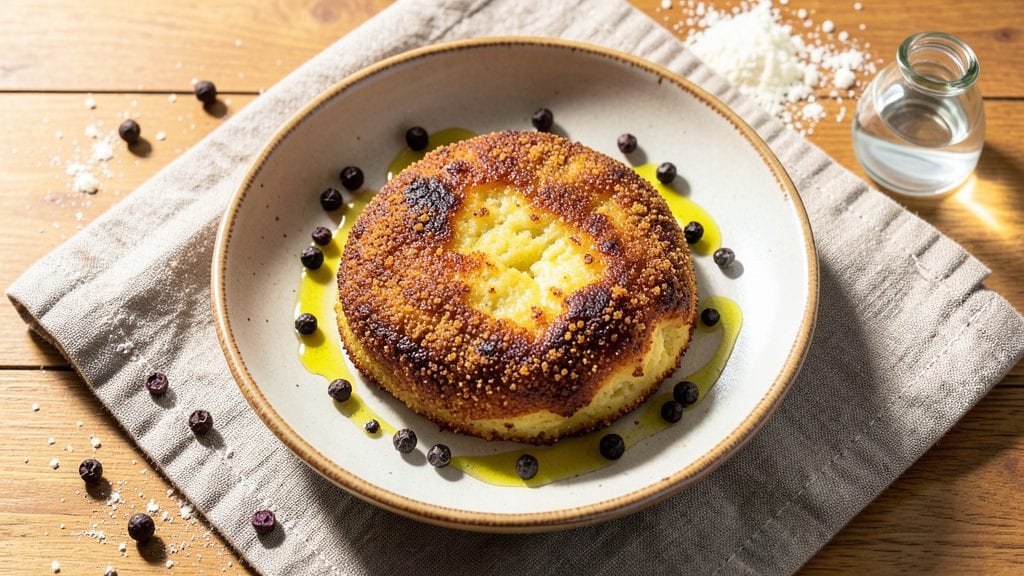
This potato bonda recipe delivers the perfect balance of crispy cornmeal crust and vinegar-kissed tang that makes every bite irresistible. The secret lies in a light, airy batter that transforms boiled potatoes into golden, crunchy bites—ideal for appetizers or side dishes.
I developed this version after testing multiple methods to achieve that signature texture without deep-frying, making it foolproof for home cooks.
The batter combines cornmeal and flour for structure while keeping the bondas light and crispy, not dense. A splash of vinegar in the frying oil creates that signature tang, while lemon juice in the batter brightens each bite.
Pan-frying ensures a crispy exterior without the mess of deep-frying, though deep-frying delivers maximum crunch if you prefer that method.
What you'll end up with is a plate of golden, crispy potato bondas with a satisfying crunch and a tangy kick that lingers. The texture is light yet sturdy enough to hold up to dipping in spicy sauces or chutneys, making them perfect for parties or as a flavorful side.
This method guarantees restaurant-quality results with minimal effort.
Serve them warm with mint chutney or tamarind sauce for an authentic touch, or enjoy them plain as a satisfying snack. The recipe scales easily, so you can make a big batch for gatherings or keep a small batch on hand for quick meals. Let's get started!
Ingredients for potato bonda
Crispy cornmeal crust meets tangy vinegar bite—just nine ingredients for restaurant-quality potato bondas.
| Ingredient | Amount | Notes |
|---|---|---|
| Russet Potatoes 🥔 | 2 lbs | Medium size, peeled and boiled |
| Cornmeal 🌽 | ½ cup | Fine grind for best texture |
| All-Purpose Flour 🌾 | ½ cup | Lightly sifted for airy batter |
| White Vinegar 💧 | ¼ cup | For frying oil tang |
| Lemon Juice 🍋 | 1 tbsp | Freshly squeezed |
| Salt 🧂 | 1 ½ tsp | Kosher or sea salt |
| Black Pepper 🌶️ | ½ tsp | Freshly ground |
| Vegetable Oil 🫒 | 2 cups | For pan-frying (or deep-frying) |
| Garlic Cloves 🧄 | 2 cloves | Minced for flavor boost |
| Fresh Cilantro 🌿 | ¼ cup | Chopped, for garnish (optional) |
Russet potatoes are your best bet here—they're starchy enough to hold shape but crisp up perfectly. Grab a couple of medium-sized ones (about 2 lbs total) from the grocery store's produce section, or hit the farmers market for even fresher ones. Peeled and boiled until tender, they're the backbone of these bondas. For the cornmeal, Bob's Red Mill fine grind is my go-to—it gives that signature crispy texture. If you're in a pinch, all-purpose flour works too, but the cornmeal makes all the difference. The vinegar? White vinegar is classic, but apple cider vinegar adds a fruity twist if you're feeling adventurous.
No cornmeal? Substitute extra flour, but expect a slightly less crispy texture. Running out of vinegar? A splash of lemon juice in the frying oil works in a bind, though it won't be quite the same. Fresh cilantro is optional but adds a bright finish—dried cilantro or parsley at half the amount will do if you're out. The garlic? Freshly minced is best, but jarred minced garlic (the good stuff, not the pre-sliced kind) saves time. For the oil, vegetable or canola oil works perfectly for pan-frying, but if you're deep-frying, peanut oil handles the heat best. And don't skip the lemon juice in the batter—it brightens up every bite.
Boiled potatoes keep 2-3 days in the fridge if you're prepping ahead, but make the bondas fresh for best texture. The batter mixes up in minutes and can sit 30 minutes max before frying—any longer and the cornmeal gets gummy. These reheat beautifully in the oven at 375°F for 5-10 minutes, making them perfect for meal prep. Store leftovers in an airtight container for 2 days, though they're best enjoyed fresh. Freezing isn't ideal—they get soggy, but if you must, fry them straight from frozen for a crispy result.
Why You'll Love This Recipe
- No-Fuss Prep: I swear by this recipe because it’s basically hands-off after the first step. Slice those Russets, soak them in the vinegar-lemon bath—boom—they’re ready to fry without the usual peeling or boiling drama.
- Crispy Magic: That cornmeal flour coat? It’s the secret weapon. The outside gets golden and shatteringly crisp while the inside stays tender—like a hug from your favorite comfort food, but better.
- Game for Any Meal: Between us, I’ve served these as a snack, a side, or even a light main. They’re perfect cold in a lunchbox, warm with a burger, or straight from the fryer when friends drop by. Zero guilt, all satisfaction.
- Budget Win: Russets are cheap, and this recipe stretches them far. A single bag feeds my family for days—leftovers reheat beautifully, and the vinegar-lemon mix keeps them fresh longer than store-bought chips. (Yes, even on a Tuesday night.)
Step-by-step instructions for crispy potato bonda
Here's how to make golden, crunchy potato bonda with a perfect cornmeal crust and tangy kick.
Prepare the Potato Mixture
Start by boiling the 2 lbs of peeled russet potatoes until they're fork-tender, about 15-20 minutes. Drain them well and let them cool slightly before handling. Once cool enough to handle, mash them in a large bowl until completely smooth—no lumps allowed. This texture is crucial for that perfect bonda consistency.
While the potatoes are still warm, stir in the 0.25 cup white vinegar and 1 tbsp lemon juice. The vinegar adds that signature tang while keeping the crust crispy. Let the mixture sit for 5 minutes to absorb the flavors completely. In a separate bowl, whisk together the 0.5 cup cornmeal, 0.5 cup all-purpose flour, 1.5 tsp salt, and 0.5 tsp black pepper. Gradually fold this dry mixture into the potato mash until fully combined. The batter should be thick but spreadable—like a soft cookie dough.
Shape and Rest the Bonda
Heat 2 cups vegetable oil in a deep skillet or Dutch oven to 350°F. While the oil heats, divide the potato mixture into 4 equal portions (about ½ cup each). Shape each portion into a ½-inch thick oval—don't worry if they're not perfect, they'll crisp up beautifully. Place the shaped bonda on a parchment-lined plate and let them rest for 10 minutes at room temperature. This resting step prevents them from falling apart when you fry them.
Here's the thing—don't skip this resting time. The cornmeal needs to hydrate properly, and the batter will hold its shape much better after resting. If you're short on time, refrigerate them for 15 minutes instead. Just make sure they're firm enough to handle without sticking.
Fry to Golden Perfection
Carefully slide the bonda into the 350°F oil in batches—don't overcrowd the pan, or the temperature will drop and they won't crisp properly. Fry for 3-4 minutes per side until they turn a deep golden brown. You're looking for a crispy exterior that sounds hollow when tapped. If they brown too quickly, reduce the heat slightly to 325°F—the goal is even cooking, not charring.
As they fry, you'll notice little bubbles forming on the surface—that's the cornmeal crust activating. That's when you know they're getting crispy. Use a slotted spoon to remove them from the oil and drain on a wire rack or paper towels. The rack keeps them crispy, while paper towels might make them soggy. Let them rest for 2 minutes before serving—this helps the crust set completely.
Garnish and Serve
While the bonda are still warm, sprinkle them with the 0.25 cup chopped fresh cilantro and the 2 minced garlic cloves. The cilantro adds a bright finish, while the garlic gives a subtle punch of flavor. Serve immediately with your favorite dipping sauce—mango chutney, tamarind sauce, or even a spicy mayonnaise work perfectly. The contrast of crispy bonda with a cool, tangy dip is what makes this dish irresistible.
Real talk: these bonda are best served fresh out of the fryer. The longer they sit, the softer they get. So fry them in batches, keep them warm in a 200°F oven on a wire rack, and serve them up while they're still crackling with every bite. That's the secret to restaurant-quality potato bonda right in your kitchen.
Pro Tips For Making Potato Bonda
- Boil Potatoes Cold: Start your Russets in ice water—yes, even if the recipe says otherwise. The shock stops them from turning gluey, and you’ll end up with fluffier, easier-to-mash potatoes. I used to skip this, and my bonda always felt dense afterward.
- Toast Cornmeal First: Heat your cornmeal in the same pan you’ll fry the bonda—just 30 seconds over medium heat. This removes the raw taste and makes the coating crispier. I learned this after my first batch tasted like cornflakes instead of golden crunch.
- Acid Test Before Frying: Toss your potato mixture with lemon juice and white vinegar—about 1 tablespoon each. The acid keeps the bonda from browning too fast in the oil and adds a subtle tang. I was skeptical until I tried it, and now it’s non-negotiable.
- Fry in Batches: Don’t overcrowd the pan—cook in small batches, even if it takes longer. Too many pieces lower the oil temp, and you’ll end up with soggy bonda instead of crispy. I’ve burned three batches trying to rush this, and now I wait.
Serving suggestions for this recipe
Warm Plating Style
Serve potato bondas warm in batches on a large platter lined with parchment paper—this keeps them crispy and prevents sogginess. Arrange them in overlapping rows like a rustic mosaic, leaving space between each piece for easy grabbing.
The golden crust looks stunning when presented this way, and the gaps allow heat to circulate for even crispiness. 🌟
Dipping Sauce Trio
Set up a trio of small bowls with contrasting sauces: mango chutney for sweet-tangy balance, tamarind sauce for sour depth, and spicy mayo for heat lovers. I like using Kezia’s mango chutney and Mama Chia’s tamarind sauce—both are widely available.
Keep the sauces at room temperature so they don’t cool down the bondas too quickly.
Garnish Like a Pro
Finish each serving with a sprinkle of fresh cilantro and a pinch of smoked paprika for color contrast. For extra flair, add a few red chili flakes on the side for guests who crave heat.
The garnishes should be light—just enough to brighten the golden crust without overwhelming it. A drizzle of lime juice right before serving adds a zesty kick.
Party Platter Setup
For gatherings, arrange bondas on a wooden serving board with a few lemon wedges scattered around for squeezing. Add a small bowl of garlic aioli for dipping and a mint-cilantro garnish on the side.
The rustic presentation makes them look like a gourmet appetizer, even though they’re easy to make at home. Keep extra bondas warm in a 200°F oven on a wire rack to maintain crispiness.
Individual Serving Idea
For a single serving, place 3-4 bondas on a small plate with a side of tamarind sauce for dipping. Top with a cilantro sprig and a pinch of flaky sea salt for a restaurant-worthy finish.
This works perfectly as a snack or light appetizer, especially when paired with a cold beer or iced tea. The contrast of textures and temperatures makes every bite exciting.
Meal Pairing Potential
Use potato bondas as a side for grilled meats like chicken or lamb, or serve them alongside coconut curry for a fusion twist. Their crispy texture cuts through rich sauces beautifully.
For a vegetarian spread, pair them with chana masala or dal makhani—the tangy bondas balance the creamy lentils perfectly. 💫
Nutrition facts
Frequently asked questions about potato bonda
Can I make potato bonda without deep-frying?
This recipe uses pan-frying with 350°F oil for a crispy result without deep-frying mess. For an even lighter version, try air-frying at 375°F for 6-8 minutes, though texture may be slightly less crisp. The key is maintaining high heat and avoiding overcrowding.
Why do my potato bonda turn out dense instead of crispy?
Dense bonda usually mean the batter wasn't rested or the oil wasn't hot enough. Always let shaped bonda rest 10 minutes before frying, and maintain 350°F oil—use a thermometer! Also ensure your potatoes are fully mashed with no lumps, which can disrupt the cornmeal crust.
What's the best way to reheat leftover bonda?
Reheat in a 375°F oven for 5-7 minutes on a wire rack to restore crispiness. Avoid microwaving—they'll get soggy. For extra crunch, briefly pan-fry in fresh oil at 350°F for 1-2 minutes per side until golden again.
Can I substitute sweet potatoes for regular potatoes?
Sweet potatoes work but require adjustments—they're moister so add 1 extra tablespoon of cornmeal to absorb excess liquid. Also reduce vinegar to 2 tablespoons to prevent bitterness. The texture will be slightly denser but still delicious with proper resting.
What's the secret to extra crispy bonda?
Three key factors: hot oil (350°F), proper resting (10 minutes), and wire rack draining. Paper towels trap steam, while racks let air circulate for maximum crispiness. Double-check your oil temp—it's the #1 reason for soggy results!