Side Dishes
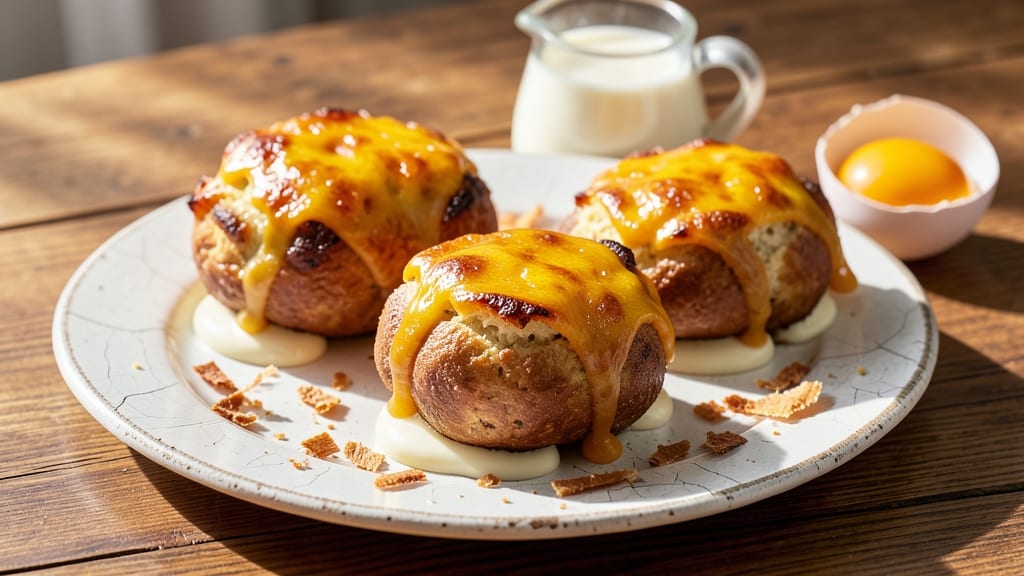
This potato balloons recipe transforms humble spuds into golden, airy puffs that look like edible clouds—crispy outside and tender within. ✨ The secret lies in baking them at high heat, where the starch expands dramatically, creating those signature balloon shapes.
I perfected this technique after years of experimenting with different starches and baking methods, and it never fails to impress.
What makes these potato balloons special is their versatility—they work as a side dish, appetizer, or even a snack. The recipe uses simple ingredients like potatoes, flour, baking powder, and cheese, all combined and baked until fluffy.
Achieving that perfect balloon shape requires precise baking times and temperatures, but the result is worth every minute of attention.
By the end, you'll have a tray of crispy, cheesy potato balloons that are light enough to eat in handfuls yet hearty enough to satisfy a crowd. Their golden-brown exterior contrasts beautifully with the soft, fluffy interior, making them a standout dish for any meal.
The best part? They reheat just as well as they bake, so you can make a big batch ahead of time.
Serve these potato balloons warm with a side of ranch or marinara for dipping, or sprinkle with extra cheese and herbs for a gourmet touch. Whether you're hosting a party or just craving something fun to snack on, this recipe delivers restaurant-quality results at home. Let's get started!
Ingredients for potato balloons
Simple ingredients transform into golden, puffed clouds with this crispy potato balloons recipe.
| Ingredient | Amount | Notes |
|---|---|---|
| Russet Potatoes 🥔 | 3 lb | Peeled and grated finely |
| All-Purpose Flour 🌾 | 1 cup | Sifted for light texture |
| Baking Powder 🍞 | 2 tbsp | Aluminum-free preferred |
| Shredded Sharp Cheddar Cheese 🧀 | 1 ½ cups | Freshly shredded for melt |
| Large Eggs 🥚 | 2 whole | Room temperature for blending |
| Milk 🥛 | ½ cup | Whole milk for creaminess |
| Salt 🧂 | 1 tsp | Kosher salt preferred |
| Black Pepper 🌶️ | ½ tsp | Freshly ground for flavor |
| Garlic Powder 🧄 | 1 tsp | For subtle depth |
| Extra-Virgin Olive Oil 🫒 | 2 tbsp | For brushing dough |
| Paprika 🌶️ | ½ tsp | Smoked for color |
| Fresh Parsley 🌿 | ¼ cup | Chopped for garnish |
Russet potatoes are the secret weapon here—higher starch content ensures maximum puff. Idahoan or Diamond brand potatoes from the grocery store work best, but any russet will do. Peel them first, then grate finely using the large holes on a box grater (the finer, the better). Don't squeeze the grated potatoes—this releases starch and keeps them fluffy. For extra insurance, let the grated potatoes sit in a colander for 10 minutes to drain excess moisture before mixing with other ingredients. This step is non-negotiable for achieving that signature balloon shape.
No sharp cheddar on hand? Monterey Jack or pepper jack work beautifully as substitutes. The baking powder is crucial—aluminum-free versions prevent any metallic aftertaste. Whole milk adds richness, but 2% works in a pinch. For a dairy-free version, substitute the milk with unsweetened almond milk and use dairy-free cheese (though the texture won't puff quite as dramatically). The olive oil should be extra-virgin—regular vegetable oil won't give the same flavor depth. Fresh parsley is ideal for garnish, but dried parsley at half the amount works if you're in a hurry. Pre-shredded cheese contains anti-caking agents that can prevent proper melting, so grate your own.
Store any leftovers in an airtight container at room temperature for up to 2 days—they're best served fresh but reheat beautifully. For longer storage, freeze portions on a parchment-lined tray before transferring to a bag (this prevents sticking). Reheat in a 375°F oven for 5-7 minutes until crispy again. These reheat better than most baked goods, making them perfect for meal prep. The dough can be prepped 1 day ahead—just cover and refrigerate until ready to bake.
Why You'll Love This Recipe
- No-Fuss Ingredients: I keep a bag of Russets and flour in my pantry just for this—no weird specialty items, no last-minute grocery runs. The baking powder does the puffing, the eggs bind it all, and that sharp cheddar? It’s the only cheese I’ll use for this.
- Crispy-Creamy Magic: The outside gets golden and shatteringly crisp while the inside stays tender—like a hug for your taste buds. That cheddar melts into gooey pockets, and honestly? It’s the kind of dish that makes you close your eyes and sigh.
- Game for Any Meal: I serve these as a snack with beer, a side with steak, or even a full meal with a simple salad. They reheat beautifully, too—perfect for lazy Sundays or when I’m too tired to cook.
- Budget Stretch: A single bag of potatoes and a block of cheese stretch for weeks—I freeze extras in a single layer so they don’t stick. Between us, this is how I feed my family without breaking the bank.
Step-by-step instructions for potato balloons recipe
Here's how to transform simple ingredients into golden, puffed potato balloons with perfect crispiness.
👨🍳 Step 1: Prepare the Potato Base
Start by grating the 3 lb russet potatoes using the fine holes of a box grater. I like to work in batches to keep the potatoes from browning. Transfer the grated potatoes to a clean kitchen towel and squeeze out every last drop of moisture—this is crucial for crispy balloons. The less moisture, the better they'll puff and crisp.
In a large bowl, combine the drained potatoes with the 1 cup all-purpose flour, 2 tbsp baking powder, 1.5 cups shredded sharp cheddar cheese, 1 tsp salt, 0.5 tsp black pepper, and 1 tsp garlic powder. Mix gently with your hands until just combined—overmixing develops gluten and makes the balloons dense. The mixture should hold together when pressed but still be light and airy.
🍳 Step 2: Bind the Dough
In a separate bowl, whisk together the 2 whole large eggs, 0.5 cup milk, and 2 tbsp extra-virgin olive oil until smooth. Gradually add this mixture to the potato-flour blend, stirring just until everything comes together. The dough should be soft and pliable but not sticky—if it feels too wet, add 1-2 tablespoons more flour.
Cover the bowl with plastic wrap and refrigerate for 30 minutes. This chilling step firms up the dough slightly, making it easier to shape into balloons. Don't skip this—it prevents the balloons from spreading too much in the oven and ensures even puffing.
🔥 Step 3: Shape and Pre-Bake
Preheat your oven to 425°F and line two baking sheets with parchment paper. Using your hands, roll the chilled dough into 1-inch diameter balls—about 16-18 balloons total. Place them on the prepared baking sheets, spacing them 2 inches apart to allow room for puffing.
Bake for 20-25 minutes until the balloons are light golden brown on top. They should feel firm to the touch and have puffed noticeably. Here's the thing—don't overbake them at this stage. You want them to hold their shape but still be slightly soft inside so they can puff dramatically in the final baking.
🔥 Step 4: Final Bake for Maximum Crispiness
Increase the oven temperature to 450°F. Return the baking sheets to the oven and bake for an additional 15-20 minutes until the balloons are deep golden brown and crisp all over. They should sound hollow when tapped on the bottom—this is your signal for perfect doneness.
While they bake, mix together the 0.5 tsp paprika and 0.25 cup chopped fresh parsley in a small bowl. Immediately after removing the balloons from the oven, sprinkle this mixture evenly over the top. The paprika adds color and subtle smokiness, while the parsley brings fresh brightness to balance the richness.
🍽️ Step 5: Serve Immediately
Transfer the potato balloons to a wire rack to cool for 5 minutes—this prevents them from getting soggy from steam. Serve them warm as an appetizer, side dish, or even as a main course with a simple salad. The contrast of crispy exterior and tender, cheesy interior is what makes these balloons so irresistible.
Real talk: these won't keep their perfect texture for long. If you have leftovers, store them in an airtight container at room temperature for up to 2 days, but I guarantee they'll disappear faster than that. For extra crispiness, reheat in a 375°F oven for 5-10 minutes before serving.
Pro Tips For Making Potato Balloons
- Boil Potatoes Cold: Start your Russets in cold water—they’ll cook faster and stay intact. I used to toss them in boiling water like a rookie, and half the time they’d split or turn gummy. Cold water means even cooking, and you’ll save 5-10 minutes waiting for the pot to reheat.
- Grate Cheese Fresh: Pre-shredded cheddar has anti-caking agents that make it clump like glue in your batter. Buy a block, grate it yourself, and pat it dry with a paper towel—this keeps your potato balloons light, not dense. (Yes, it’s extra work, but you’ll notice the difference.)
- Don’t Overmix the Batter: Stir just until the flour and egg are combined—lumpy is fine. Overmixing develops gluten, and your balloons will turn out tough instead of airy. Think "just combined," not "smooth like pancake batter."
- Fry in Batches: Crowd the pan, and your oil temperature drops like a rock. Fry 2-3 balloons at a time max, and keep a thermometer handy—350°F is your sweet spot for crispy outs and fluffy ins. (I learned this after frying a sad, greasy batch.)
Troubleshooting this recipe
Dense Instead of Puffy
If your potato balloons turn out dense rather than light and airy, the issue likely stems from excess moisture in the grated potatoes. Always drain them thoroughly in a clean kitchen towel for at least 10 minutes before mixing with other ingredients.
Another common culprit is overmixing the dough—handle it gently to avoid developing gluten, which makes balloons tough. I’ve found that using aluminum-free baking powder also prevents a metallic aftertaste that can mask the light texture.
Flattened or Spread Shape
When balloons flatten or spread too much in the oven, the dough was likely too warm when shaped. Always chill the dough for 30 minutes before rolling into balls. Another trick is to use slightly wet hands when shaping—this helps the dough hold its shape better.
If your oven runs hot, reduce the temperature by 25°F during the initial bake to prevent over-expansion.
Uneven Puffing
Uneven puffing often happens when baking sheets aren’t spaced properly or when balloons aren’t evenly sized. Place baking sheets on the middle rack with at least 2 inches between them to allow air circulation.
Use a kitchen scale to ensure each balloon weighs about 1.5 ounces—consistent size leads to even puffing. If some balloons puff more than others, rotate the baking sheets halfway through the bake.
Soggy Texture
Soggy potato balloons usually result from steam buildup during cooling. Transfer them to a wire rack immediately after baking to allow air circulation. Never stack them while hot—this traps moisture and ruins the crispiness.
For extra insurance, bake at 450°F for the final 15 minutes to drive off any remaining dampness. A sprinkle of paprika after baking also helps absorb excess moisture.
Cheese Not Melting
If the cheese stays stringy or doesn’t melt properly, it’s likely due to low oven temperature or using pre-shredded cheese. Always shred your own cheese—pre-shredded varieties contain anti-caking agents that prevent proper melting.
For extra meltiness, add 1 tbsp cornstarch to the cheese mixture. Bake at the higher temperature of 450°F for the final stage to ensure the cheese gets fully gooey.
Browning Too Quickly
Excessive browning can happen if the oven runs hot or if the balloons are too close to the heating element. Place baking sheets on the middle rack and avoid overcrowding. If your oven has hot spots, rotate the sheets halfway through baking.
For a lighter color, reduce the final bake temperature by 25°F and keep a close eye on them. A light spray of water before the final bake can also help create a crispier, more even crust.
Nutrition facts
Frequently asked questions
Can I make these puffed potato treats without cheese?
Swap the 1.5 cups cheddar for 1 cup grated Parmesan or 1 cup nutritional yeast (for dairy-free versions). For extra flavor, add 1 tbsp garlic powder or 1 tsp smoked paprika to compensate. The baking powder will still create the signature puff, though cheese adds richness that's hard to replace.
Why do my potato balloons collapse after baking?
Collapsed balloons usually mean the dough was too wet or the oven temperature wasn't high enough. Always drain grated potatoes thoroughly for 10+ minutes and preheat your oven to 425°F before baking. For extra stability, chill the shaped balloons for 15 minutes before the final bake at 450°F—this helps them hold their shape.
Can I make potato balloons ahead of time?
Yes! Shape the dough into balls and refrigerate them (unbaked) for up to 24 hours before baking. For best results, bake them fresh, but you can reheat cooled balloons at 375°F for 5-7 minutes to restore crispiness. Pro tip: Freeze shaped dough balls on a tray, then transfer to a bag—bake straight from frozen at 450°F for 25-30 minutes.
What's the secret to getting them extra crispy?
For maximum crispiness, bake at 450°F for the final 15-20 minutes until golden brown. After baking, transfer them to a wire rack (not a plate) to cool. For extra crunch, brush with melted butter or olive oil before the final bake. Avoid storing them in airtight containers—they'll lose crispness faster.
Are these gluten-free?
Not naturally, but you can adapt them! Replace the 1 cup flour with 1 cup gluten-free all-purpose flour blend and add 1 tbsp xanthan gum to bind the dough. The texture won't puff quite as dramatically, but they'll still be delicious. For best results, use a gluten-free baking powder too.