
Side Dishes
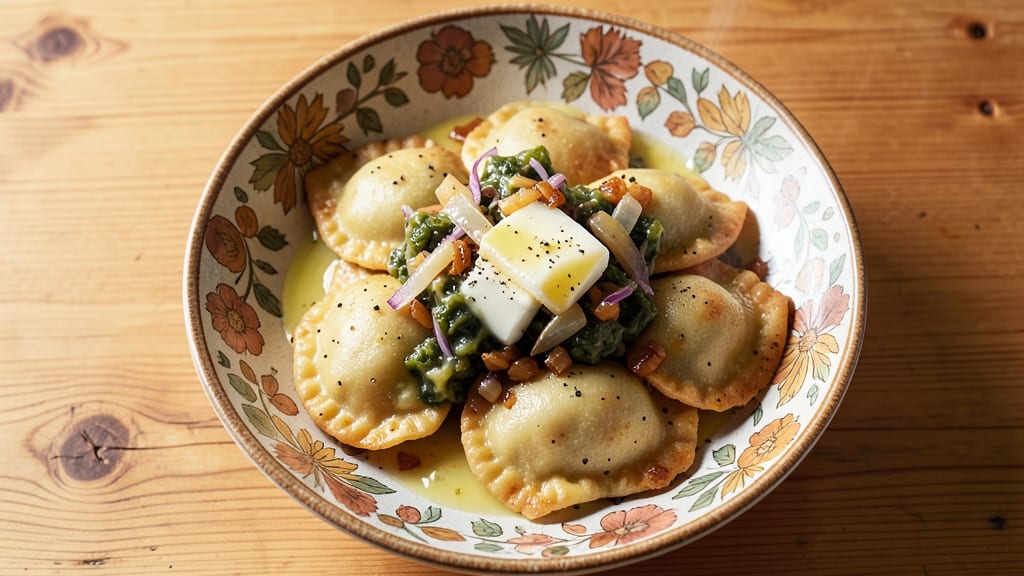
This potato and sauerkraut pierogi recipe brings a taste of Poland to your kitchen with its tangy, vinegar-kissed filling wrapped in delicate dough. The secret lies in balancing the sharpness of sauerkraut with creamy potatoes and a touch of butter, creating a filling that's both bold and comforting.
I've perfected this recipe over years of testing, ensuring the dough stays tender while the filling delivers that signature Eastern European flavor. The key is in the assembly—sealing those pierogi properly so they hold together during cooking.
The dough itself is simple, made with just flour, water, egg, and salt, but the technique matters. Rolling it thin ensures even cooking, while the filling requires precise seasoning to avoid overpowering the natural tang of the sauerkraut.
Once assembled, these pierogi can be boiled or pan-fried, each method offering a different texture—soft and pillowy or crispy and golden. The result is a dish that feels both rustic and refined, perfect for a hearty meal or a special gathering.
What sets these pierogi apart is the way the flavors develop during cooking. The vinegar in the sauerkraut mellows slightly, allowing the butter and onions to shine through, while the potatoes add a creamy contrast.
Served with a dollop of sour cream and a sprinkle of fried onions, they become a celebration of Eastern European comfort food. This recipe delivers restaurant-quality pierogi with a homestyle touch, making it a standout dish for any occasion.
Whether you're making them for a family dinner or a festive feast, these pierogi are sure to impress. The dough is forgiving, the filling is adaptable (add bacon or cheese for extra richness), and the process is rewarding.
Once you master the seal and the cook, you'll have a dish that's as satisfying to make as it is to eat. Let's get started on creating these vinegar-kissed, tangy masterpieces.
Ingredients for potato and sauerkraut pierogi
Twelve ingredients transform into Eastern European comfort food that balances tangy sauerkraut with creamy potato filling.
| Ingredient | Amount | Notes |
|---|---|---|
| Russet Potatoes 🥔 | 2 lb | Peeled, boiled until tender |
| Sauerkraut 🥬 | 2 cups | Drained, rinsed if too sour |
| Large Onions 🧅 | 1 whole | Yellow, finely diced |
| Unsalted Butter 🧈 | ½ cup | Cold, cubed for filling |
| Large Eggs 🥚 | 1 whole | Room temperature for dough |
| All-Purpose Flour 🌾 | 3 cups | Plus extra for dusting |
| Salt 🧂 | 1 tsp | Fine sea salt for dough |
| Vegetable Oil 🫒 | ¼ cup | For frying pierogi |
| Sour Cream 🥛 | ½ cup | Full-fat for serving |
| Fresh Dill 🌿 | 2 tbsp | Chopped, for garnish |
| Garlic Cloves 🧄 | 2 cloves | Minced for filling |
| Black Pepper 🌶️ | ½ tsp | Freshly ground for filling |
| Water 💧 | ¾ cup | Cold, for dough |
The sauerkraut is the heart of this recipe, so look for fermented, not vinegar-soaked—the tang should be sharp but not overpowering. Trader Joe's and Whole Foods carry quality brands like Bubbies or Maslowski's. If yours tastes too sour, rinse it briefly before draining. The potatoes? Russets are ideal—they hold their shape after boiling. For the dough, King Arthur flour yields the best texture, but any all-purpose works. Keep the egg and water cold until mixing to prevent early gluten development.
No sauerkraut? Substitute 1.5 cups finely chopped green cabbage sautéed with 1 tbsp apple cider vinegar and 1 tsp caraway seeds. Short on dill? Dried dill at one-third the amount works, but fresh is worth hunting down at farmers markets. The filling can be prepped ahead and chilled for 24 hours—the flavors meld beautifully. For extra richness, fold in 2 oz crumbled bacon or 0.5 cup shredded sharp cheddar into the filling. The dough should be soft but not sticky—add 1 tbsp more flour if needed.
Pierogi dough keeps 2 days wrapped in plastic in the fridge or 3 months frozen between parchment sheets. The filling can be stored 4 days in an airtight container. For best results, boil pierogi from frozen—no thawing needed. They reheat beautifully in a skillet with butter until golden. Portion filling into 1 tbsp servings for consistent shapes. The key to sealing? Pinch the dough firmly around the filling before twisting to seal—this prevents leaks during cooking.
Why You'll Love This Recipe
- No-Fuss Filling: I swear by this combo—just boil potatoes, mash them with sauerkraut and onions, then fold in butter and egg. No blenders, no fancy ratios, just honest, hearty goodness that doesn’t demand perfection.
- Tangy-Creamy Magic: That sauerkraut’s sharp bite cuts through the buttery potatoes like a knife through butter. Honestly, the first time I made this, I thought, "Wait, this is actually good?"—then immediately went back for seconds.
- Potluck Star: Bring these to a gathering, and no one will ask what’s in them. They’re sturdy enough for a picnic, light enough for a summer barbecue, and they reheat like a dream—no soggy pierogi in sight.
- Budget Win: Russets and sauerkraut are cheap staples, and one batch stretches across lunches, dinners, and even breakfast hash. I’ll be real: my freezer’s always stocked with these, and my wallet thanks me every time.
Step-by-step instructions for potato and sauerkraut pierogi
Mastering pierogi dough and filling balance is the key to perfect dumplings. Follow these steps for tender dough and flavorful fillings.
Prepare the Potato and Sauerkraut Filling
In a large bowl, combine the drained and rinsed 2 cups sauerkraut, ½ cup cold cubed unsalted butter, and 1 finely diced large onion. Add the 2 minced garlic cloves and ½ teaspoon freshly ground black pepper. Mix gently with your hands or a fork to distribute the butter evenly—this creates a creamy, flavorful base.
In a separate saucepan, boil the 2 lb peeled russet potatoes until fork-tender, about 15-20 minutes. Drain well and mash them into a smooth consistency. Let them cool slightly before mixing with the sauerkraut mixture. The potatoes should be warm but not hot when combined—this prevents the butter from melting too quickly and keeps the filling cohesive.
Make the Pierogi Dough
In a large mixing bowl, combine the 3 cups all-purpose flour and 1 teaspoon fine sea salt. Create a well in the center and add the 1 room-temperature large egg and ¾ cup cold water. Using a fork or your fingers, gradually incorporate the liquid into the flour until a shaggy dough forms.
Turn the dough onto a lightly floured surface and knead for 5-7 minutes until smooth and elastic. The dough should feel slightly tacky but not sticky—add a little more flour if needed. Wrap the dough in plastic wrap and let it rest for 30 minutes at room temperature. This resting period relaxes the gluten, making it easier to roll out thin sheets.
Assemble and Shape the Pierogi
Divide the rested dough into 4 equal portions and roll each into a thin rectangle, about ⅛-inch thick, on a floured surface. Use a round cutter or glass to cut out 3-inch circles. Keep the scraps covered with a damp towel to prevent drying.
Place 1 teaspoon of the potato-sauerkraut filling onto each circle, about 1 inch from the edge. Fold the dough over the filling, pressing the edges firmly with a fork or your fingers to seal. You can also pinch the edges tightly to create a classic pleated look. Arrange the filled pierogi on a floured tray, leaving space between them to prevent sticking.
Cook the Pierogi to Golden Perfection
Bring a large pot of water to a gentle boil and add the pierogi in batches, leaving space between them. They’ll float to the surface when ready—this usually takes 3-4 minutes. Use a slotted spoon to remove them and transfer to a plate. The pierogi should be cooked through but still tender, not mushy.
Heat the ¼ cup vegetable oil in a large skillet over medium heat until shimmering. Fry the cooked pierogi in batches for 2-3 minutes per side until golden brown and crispy. Drain on paper towels and serve immediately with the ½ cup sour cream and 2 tablespoons chopped fresh dill for a tangy, herby finish.
Pro Tips For Making Potato And Sauerkraut Pierogi
- Boil Potatoes Until Fork-Tender: Russets release starch when overcooked—your filling will turn gluey if you skip this. Cut them into even 1-inch chunks and test with a fork after 12 minutes in salted boiling water; they should pierce easily but not fall apart. (Yes, even if the recipe says "soft"—this is the thing that matters most.)
- Drain and Cool Sauerkraut: Rinsing sauerkraut removes excess brine, but don’t skip the cooling step. Spread it on a towel and let it sit for 10 minutes—this prevents soggy pierogi dough. (I learned this the hard way after a batch turned to mush in the pan.)
- Sauté Onions Low and Slow: High heat caramelizes onions too fast, making them bitter. Cook them over medium-low for 15–20 minutes until translucent and sweet, stirring occasionally. (Your filling will taste like comfort food, not burnt onions.)
- Chill Dough Before Filling: Warm dough sticks to your hands and stretches unevenly. Roll it out, wrap tightly in plastic, and refrigerate for 20 minutes. (This isn’t the prettiest method, but it guarantees clean edges and saves your sanity.)
Creative variations of this recipe
Classic Polish Style
For an authentic Eastern European touch, add 1 teaspoon caraway seeds to the filling while sautéing the onions. Toast the seeds in a dry pan for 30 seconds until fragrant before mixing with the sauerkraut.
I also recommend serving these with crispy fried onions—sauté ½ cup thinly sliced onions in 2 tablespoons butter until golden brown. The nutty depth of caraway complements the tangy filling beautifully. 🌶️
Cheesy Twist
Elevate your pierogi by folding in ½ cup shredded sharp cheddar or fresh farmer's cheese into the filling. The cheese melts during cooking, creating a creamy center that balances the sauerkraut's acidity.
For extra richness, use smoked gouda—it adds a subtle smokiness that pairs perfectly with the vinegar notes. Sprinkle with paprika before serving for a Polish-inspired finish.
Bacon-Infused Filling
Craving extra flavor? Cook 4 slices bacon until crispy, then crumble and mix into the filling. The smoky, salty bacon cuts through the sauerkraut's tang while adding a satisfying crunch. For a vegetarian option, substitute with crumbled tempeh pan-fried in bacon seasoning.
I like to press the bacon into the dough before sealing—it creates pockets of smoky goodness in every bite.
Sweet Potato Swap
Swap russet potatoes for 2 cups mashed sweet potatoes for a naturally sweet contrast to the tangy filling. Roast the sweet potatoes with 1 tablespoon maple syrup and ½ teaspoon cinnamon before mashing.
The warmth of the sweet potato balances the sauerkraut's sharpness, creating a unique flavor profile. Garnish with a drizzle of honey and extra dill for a modern twist.
Herb-Forward Variation
Boost the freshness by adding 2 tablespoons chopped chives and 1 tablespoon snipped parsley to the filling. The bright herbs lighten the dish while keeping the sauerkraut's tang front and center.
For a bold finish, top with a herb butter drizzle—melt 2 tablespoons butter with 1 tablespoon chopped dill and brush over the fried pierogi. This variation shines when served with a lemon-dill yogurt sauce instead of sour cream.
Spicy Kick
Add heat by mixing in ½ teaspoon smoked paprika and ¼ teaspoon cayenne pepper with the filling. For a smoky depth, use 1 teaspoon chipotle powder instead. Serve with a cooling side of cool ranch dressing or extra sour cream to balance the spice.
This variation works especially well with fried pierogi—the crispy exterior contrasts perfectly with the fiery filling. 🔥
Nutrition facts
Frequently asked questions
Why does my pierogi dough keep sticking to the rolling pin?
Pierogi dough sticks when it's too dry or you're not using enough flour. Always keep your work surface and rolling pin generously dusted with flour, and avoid over-kneading. If the dough feels too dry, add 1 tablespoon water at a time until it becomes pliable. The dough should be soft but not sticky—if it's too wet, add 1 tablespoon flour instead.
Can I make the filling ahead of time?
The filling actually improves when made 1-2 days ahead and stored in an airtight container in the fridge. The flavors meld beautifully, and the sauerkraut's tang mellows slightly. Just make sure to let it sit at room temperature for 30 minutes before using to prevent condensation when mixing with the dough.
What's the best way to store leftover pierogi?
Cooked pierogi freeze beautifully for up to 3 months. Place them in a single layer on a tray, freeze until solid, then transfer to a freezer bag. To reheat, boil from frozen for 2-3 minutes or pan-fry in butter until crispy. For fridge storage, keep them in an airtight container for 4-5 days. Never refreeze thawed pierogi—they become soggy.
How do I fix pierogi that burst while boiling?
Bursting happens when the dough isn't sealed properly or the filling is too wet. For future batches, press the edges firmly with a fork or your thumb to create a tight seal, leaving no gaps. If using very wet fillings (like mashed potatoes), pat them dry slightly before assembling. For immediate fixes, you can still serve burst pierogi—just arrange them on a plate and drizzle with extra sour cream to hide any gaps.
What's the best way to serve these pierogi?
Traditional Polish style calls for serving with sour cream, crispy fried onions, and a sprinkle of fresh dill. For extra flair, add a side of caramelized onions or a simple cucumber salad. These pierogi also pair wonderfully with a light vinegar-based sauce (mix 2 tbsp vinegar, 1 tbsp sugar, and 1 cup water) for dipping.