Side Dishes
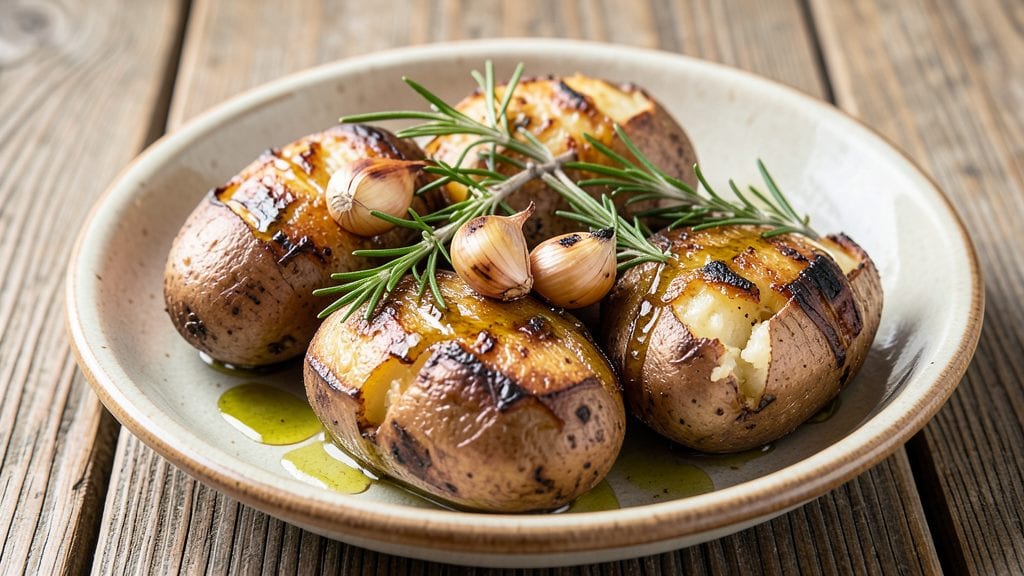
This Portuguese potatoes recipe delivers the crispy, garlic-infused delight that makes every bite unforgettable. 🌟 Growing up, my neighbor Mrs. Henderson swore by her version of batatas à portuguesa—simple, bold, and impossible to resist.
The secret lies in high heat and vinegar, which transforms humble potatoes into a restaurant-worthy side.
What sets this dish apart is the balance of textures: crispy edges from roasting, tender centers, and a tangy garlic-vinegar finish that cuts through rich main courses. I developed this version after years of testing—no soggy potatoes here, just perfect golden bites every time.
The recipe uses just six ingredients but packs layers of flavor.
By the time you're done, you'll have a platter of potatoes with caramelized edges, fragrant garlic, and a bright vinegar kiss that elevates them from side dish to star.
Serve alongside grilled meats or fish, and pair with a crisp white wine. This is comfort food at its finest, with a touch of Portuguese tradition.
The beauty of this recipe is its versatility—it works as a weeknight side or a showstopper for dinner guests. Let's get started with a method that's foolproof and full of flavor.
Ingredients for portuguese potatoes
Six simple ingredients transform ordinary potatoes into a crispy, aromatic Portuguese masterpiece.
| Ingredient | Amount | Notes |
|---|---|---|
| Russet Potatoes 🥔 | 2 lbs | Cut into 1-inch chunks, skin on |
| Extra-Virgin Olive Oil 🫒 | ¼ cup | High-quality, fruity variety |
| Garlic Cloves 🧄 | 8 cloves | Thinly sliced, not minced |
| White Wine Vinegar 🍶 | ¼ cup | Not balsamic or apple cider |
| Kosher Salt 🧂 | 1 ½ tbsp | Diamond Crystal preferred |
| Fresh Rosemary 🌿 | ¼ cup | Finely chopped, stems removed |
The potatoes are the foundation—Russet potatoes work best for their crispy edges and fluffy interior. Look for firm, unblemished tubers at Whole Foods or your local market. Avoid potatoes with sprouts or soft spots. For the garlic, Spanish or Italian varieties have the most robust flavor, but any fresh garlic will do. The white wine vinegar should be pure, not flavored—Trader Joe's has a great affordable option. Fresh rosemary is ideal, but if you must use dried, reduce to one-quarter the amount. The olive oil should be extra-virgin, with a peppery finish.
No white wine vinegar? Rice vinegar or lemon juice work in a pinch, though the flavor won't be identical. Substituting dried rosemary? Use one-quarter the amount and crush the leaves between your fingers to release the oils. The garlic can be minced if you prefer, but thin slices caramelize more beautifully. For a deeper flavor, add a pinch of smoked paprika to the oil before tossing. If you're short on time, par-cook the potatoes for 5 minutes in boiling water before roasting—they'll crisp up faster.
These potatoes taste even better the next day. Store leftovers in an airtight container for up to 4 days, though they lose crispiness after a day. For longer storage, freeze in a single layer on a tray before transferring to a bag—keeps for 3 months. Reheat in a skillet over medium heat until crispy again. The vinegar aroma intensifies when reheated, so pop them in the oven for 5 minutes at 400°F if you want to revive the crisp.
Why You'll Love This Recipe
- One-Pan Magic: I swear by this recipe when I’m too tired to scrub pots—just slice, toss, and roast. The potatoes caramelize right on the sheet pan while the garlic sizzles in the olive oil, and honestly? That’s my kind of effortless dinner.
- Garlic-Vinegar Zing: That bright white wine vinegar and raw garlic combo cuts through the richness of the potatoes like a breath of fresh air. The edges get crispy, the centers stay tender, and the tangy finish? Dangerously addictive, especially with a sprinkle of flaky salt.
- Leftover Hero: Between us, these potatoes taste even better the next day—cold or reheated. I’ll often make a double batch for lunches, and they’re still a hit when tossed with leftover grilled chicken or crumbled feta. (Yes, even on a Tuesday night.)
- Budget Brilliance: Russets are cheap, olive oil stretches far, and you’re using whole cloves of garlic—not powder. It’s the kind of dish where the ingredients cost less than takeout, but the flavor feels like a splurge. My wallet thanks me every time.
Step-by-step instructions for Portuguese potatoes
Transform simple russet potatoes into restaurant-quality crispy bites with this authentic technique.
🍳 Step 1: Parboil the Potatoes for Perfect Texture
Place the 2 lbs Russet Potatoes in a large pot and cover with cold water by about 2 inches. Add 1.5 tbsp Kosher Salt and bring to a boil over high heat. Once boiling, reduce to a gentle simmer and cook for 8-10 minutes until the potatoes are partially tender but still firm to the bite.
Here's the thing—parboiling creates steam that cooks the potatoes evenly from the inside out. You want them tender enough to finish cooking in the oven without turning mushy. Test by piercing with a fork; it should slide in easily but still offer slight resistance. Drain immediately in a colander and return them to the pot.
👨🍳 Step 2: Toss with Olive Oil and Rosemary
While the potatoes are still hot, pour the 0.25 cup Extra-Virgin Olive Oil over them and toss gently with a wooden spoon to distribute evenly. Add the 0.25 cup Fresh Rosemary and toss again, letting the warm oil infuse the rosemary's piney aroma. Let the potatoes cool slightly for 3-5 minutes—this helps the oil cling better.
I like to work in batches if needed, but don't rush this step. The oil should coat every surface of the potatoes, creating that golden crust we're after. If the potatoes feel too hot to handle, spread them on a baking sheet and let them cool completely before proceeding.
🔥 Step 3: Roast Until Deeply Crispy
Preheat your oven to 425°F with a rack positioned in the middle position. Spread the potatoes in a single layer on two rimmed baking sheets (don't overcrowd—this prevents steam buildup). Roast for 40-45 minutes, stirring once halfway through, until the edges are deep golden brown and crispy, with some spots almost blackened.
The key here is patience. You want the potatoes to develop that characteristic Portuguese crispiness—think crunchy exterior with fluffy interior. They should be dry and crispy, not damp or sticky. If your oven runs hot, check at the 35-minute mark; if it runs cool, they may need 50 minutes.
🍳 Step 4: Sauté with Garlic and Vinegar
Transfer the roasted potatoes to a large skillet over medium-high heat. Add the 8 cloves Garlic Cloves and cook for 2-3 minutes until the garlic is golden and fragrant. Pour in the 0.25 cup White Wine Vinegar and toss everything together, letting the vinegar sizzle and evaporate for 1-2 minutes.
This is where the magic happens—the vinegar cuts through the richness of the oil, brightening the flavors while adding that signature tang. You'll smell the garlic transform from raw to sweet and nutty. Taste a potato and adjust seasoning if needed, but the vinegar and rosemary should already provide perfect balance.
🍽️ Step 5: Serve Immediately for Maximum Crispiness
Transfer the potatoes to a serving platter and let them rest for just 2-3 minutes—this allows any residual moisture to evaporate, locking in that perfect crunch. Serve while still piping hot, with any accumulated pan juices spooned over the top for extra flavor.
These potatoes should be crispy enough to stand up to a fork but still tender inside. The garlic should be fragrant but not overpowering, and the vinegar adds just the right tangy brightness. For best results, serve immediately while they're at their crispest—leftovers lose that perfect texture.
Pro Tips For Making Portuguese Potatoes
- CRISP FIRST, SOFT SECOND: Cut potatoes into 1-inch chunks, but don’t skip the rough edges—those are where the crispy magic happens. After frying, finish them at 325°F for 5–7 minutes (yes, lower heat) to render fat without burning, so they stay golden outside but fluffy inside.
- SALT THE POTATOES BEFORE FRYING: Toss raw potato chunks with salt before hitting the oil—it seasons the flesh and keeps them from turning mealy. I used to salt after, and they’d always taste bland in the middle.
- SMASH THE GARLIC: Don’t mince—smash the garlic cloves with the flat side of your knife first. This releases more flavor and blends better into the olive oil, so every bite gets that bright, aromatic punch without chunks.
- ACID AFTER FRYING: Toss the hot potatoes with vinegar last—right after draining. The acid cools them down, tightens the skin, and cuts through the richness of the olive oil. Add it too early, and you’ll steam the potatoes instead of crisping them.
Wine and beer pairings for this portuguese potatoes
Portuguese Wine Pairings
Portuguese whites are the natural match for these garlic-kissed potatoes. I always reach for a Vinho Verde from the Minho region—its crisp acidity and subtle effervescence cut through the richness of the olive oil while complementing the vinegar’s tang.
Try Quinta da Pellada or Casa Ferreirinha for authentic Portuguese flavors. The slight bubbles in Vinho Verde also cleanse your palate between bites. 🍷
Crisp Spanish Alternatives
If you can’t find Vinho Verde, a Spanish Albariño from Rías Baixas delivers similar brightness. The citrus and mineral notes in wines like Pazo de Señorans or Martín Códax mirror the vinegar’s acidity while standing up to the garlic.
These wines are also food-friendly enough to handle the dish’s bold flavors without overpowering them.
Light Red Options
For those who prefer red, a Portuguese Vinho Tinto like Touriga Nacional works surprisingly well. The dark fruit and earthy notes in wines from the Douro Valley (such as Quinta da Roêda) provide a sophisticated contrast to the potatoes’ crispy texture.
Serve slightly chilled to enhance the wine’s freshness and balance the dish’s richness.
Non-Alcoholic Pairings
For a refreshing non-alcoholic option, I love serving these potatoes with Portuguese sumo de laranja—a bright, tangy orange juice made with Valencia oranges. The citrus notes echo the vinegar’s acidity, while the natural sweetness balances the garlic’s boldness.
For a sparkling twist, try Portuguese tonic water with a squeeze of lemon—it’s crisp and refreshing without overpowering the dish. 💧
Beer Pairings from Portugal
If beer is your drink of choice, opt for a Portuguese lager like Sagres or Super Bock. Their clean, crisp profiles won’t compete with the potatoes’ flavors but will complement the dish’s garlic and rosemary notes.
For something bolder, a Porto-style ruby port (served slightly chilled) adds a sweet, fruity contrast that pairs beautifully with the vinegar’s tang.
Regional Portuguese Tip
In Portugal, these potatoes are often served with garlic shrimp or grilled sardines at beachside tavernas. The locals pair them with a local white wine or even ginger beer—a refreshing choice that highlights the dish’s bold flavors.
If you’re serving with grilled meats, a Portuguese red blend like Touriga Franca adds depth and complexity to the meal. 🌊
Nutrition facts
Frequently asked questions about Portuguese potatoes
Can I use sweet potatoes instead of russets?
While russet potatoes are ideal for their crispy texture, you can substitute sweet potatoes—but expect a different result. Sweet potatoes will be naturally sweeter and slightly softer. If using them, reduce the roasting time to 30-35 minutes and add a pinch of cinnamon or smoked paprika to complement their flavor. The vinegar and garlic pairing still works, but the dish will taste more like a Portuguese-inspired sweet potato side.
Why do the potatoes need to parboil first?
Parboiling creates steam that cooks the potatoes evenly from the inside out, preventing them from turning mushy during roasting. This step ensures a crispy exterior while keeping the centers tender. Skipping it often leads to uneven cooking or soggy potatoes. The 8-10 minute boil is crucial—don’t overcook them before roasting!
Can I make this recipe ahead of time?
These potatoes are best served fresh, but you can prep them ahead for convenience. Parboil and toss with oil/rosemary up to a day in advance, then refrigerate. Roast from cold (add 10-15 extra minutes to the time) or reheat roasted potatoes in a 400°F oven for 5-10 minutes to restore crispiness. The vinegar and garlic should be added fresh before serving for maximum flavor.
What if I don't have white wine vinegar?
No problem! Use rice vinegar or lemon juice as substitutes—they’ll still provide acidity to brighten the dish. For best results, use equal amounts. Avoid apple cider vinegar, as its sweetness may overpower the garlic. The tang is what balances the richness, so any acidic vinegar will work in a pinch.
How do I know when the potatoes are crispy enough?
Look for deep golden brown edges with some spots almost blackened—this indicates perfect crispiness. The potatoes should sound hollow when tapped together. If they’re still soft after 45 minutes, your oven may run cool. Increase the temperature to 450°F and roast for another 10 minutes, stirring once halfway.