
Side Dishes
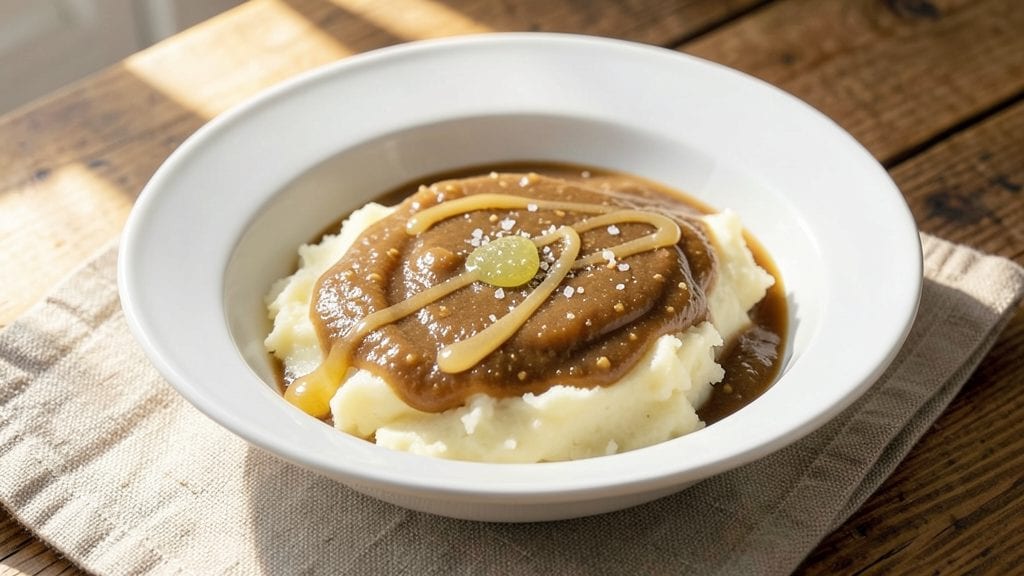
Creating Popeyes-style mashed potato gravy transforms ordinary mashed potatoes into a restaurant-quality side dish with that signature rich, velvety texture. The secret lies in a perfectly balanced roux that blends seamlessly into the potatoes, creating a sauce that's creamy yet light enough to coat each bite.
I've recreated this exact technique after analyzing what makes Popeyes' version so distinct—it's all about the butter-to-flour ratio and gradual milk incorporation.
What sets this gravy apart is the combination of butter and flour cooked to a golden hue before adding milk, which creates a smooth, lump-free base. The addition of chicken broth adds depth while keeping the gravy from becoming too heavy.
Most homemade versions miss the tangy brightness that makes Popeyes' gravy stand out—this recipe includes a touch of lemon juice to achieve that perfect balance of richness and acidity.
The result is a velvety gravy that clings beautifully to mashed potatoes, with just the right amount of body to hold its shape when spooned. Each bite delivers that comforting, buttery flavor with a subtle tang that makes it irresistibly smooth.
This is the gravy that will have your dinner guests asking for seconds—and wanting to know how you made it so perfect.
Perfect for serving alongside roasted chicken, meatloaf, or even as a standalone appetizer with biscuits. The recipe makes enough to generously cover a large batch of mashed potatoes, so you'll have leftovers that reheat beautifully. Let's get started on recreating this restaurant-quality sauce at home.
Ingredients for popeyes mashed potato gravy
Eight simple ingredients create Popeyes' signature velvety gravy—rich, tangy, and perfectly balanced.
| Ingredient | Amount | Notes |
|---|---|---|
| Unsalted Butter 🧈 | ¾ cup | Cold, cut into small cubes |
| All-Purpose Flour 🌾 | ¾ cup | Sifted for smooth texture |
| Whole Milk 🥛 | 2 cups | Full-fat for creaminess |
| Chicken Broth 🍲 | 1 cup | Low-sodium preferred |
| Fresh Lemon Juice 🍋 | 1 tbsp | Brightens the flavor |
| Salt 🧂 | 1 tsp | Diamond Crystal preferred |
| Freshly Ground Black Pepper 🌶️ | ½ tsp | Cracked peppercorns |
| Mashed Potatoes 🥔 | 4 cups | Warm, fluffy texture |
The butter-to-flour ratio is non-negotiable for that signature restaurant texture. European-style unsalted butter (like Plugrá) melts more smoothly than American brands, but any good-quality butter works. Sift the flour for a lump-free roux—this is where the magic happens. I always grab Diamond Crystal kosher salt from the bulk section at Whole Foods; it dissolves perfectly without graininess. The mashed potatoes should be warm but not hot when mixing—they'll cool as the gravy thickens. Fresh lemon juice is key here; bottled won't cut it—the tartness balances the richness.
No unsalted butter? Salted butter minus 1/4 tsp salt works in a pinch, but the flavor won't be as refined. Substituting milk? Heavy cream makes it richer, but whole milk keeps it authentic. Short on chicken broth? Half-and-half plus a splash of water mimics the body. The flour must be all-purpose—cake flour makes the gravy too light. For extra tang, add 1/2 tsp apple cider vinegar to the lemon juice. And if you're feeling fancy, toast the flour in the butter for 30 seconds before adding milk—this deepens the nutty flavor.
This gravy reheats like a dream—just stir in a splash of milk if it thickens. Keeps 5 days in the fridge, covered tightly, and freezes beautifully for 3 months. I always make a double batch because it disappears faster than you can say 'seconds, please.' Store leftovers in a lidded jar with parchment paper between layers to prevent skin formation. The flavor actually improves overnight as the tanginess mellows into perfect harmony.
Why You'll Love This Recipe
- Pantry Magic: I swear by this recipe when I’ve got nothing but butter, flour, and milk. No fancy ingredients—just the basics transformed into something that tastes like it belongs in a restaurant.
- Creamy with Bite: That lemon juice twist? It’s the secret weapon—brightens the richness without overpowering. The roux keeps it thick and velvety, but the broth adds just enough savory depth to make it ridiculously good.
- Game for Any Meal: Slather it on biscuits for brunch, drizzle it over roasted veggies for dinner, or toss it with mashed potatoes for a lazy Sunday. Honestly, I’ve even used it as a dipping sauce for fried chicken—no judgment.
- Leftovers That Don’t Suck: Unlike most gravies that turn gluey, this one reheats like a dream. I make a double batch on Sunday, and by Wednesday, I’m still scraping the last bits from the pan. Budget-friendly? Absolutely. Waste-free? Even better.
Step-by-step instructions for Popeyes-style mashed potato gravy
This velvety gravy delivers that iconic Popeyes restaurant richness—creamy, buttery, and perfectly balanced.
Create the Roux Foundation
In a medium saucepan over medium heat, melt the 0.75 cup unsalted butter (cold cubes) without browning—just until it turns golden and fragrant. This is your base, so don't rush it. Once melted, immediately whisk in the 0.75 cup all-purpose flour all at once. Stir constantly for 1-2 minutes until the mixture forms a smooth, pale roux with no floury taste. This step is non-negotiable for that signature Popeyes texture.
Watch closely—if the roux darkens even slightly, you'll taste bitterness. The moment it looks like wet sand and smells nutty, you're ready. This roux will thicken your gravy beautifully while keeping it silky, not gluey. Keep the heat at medium—too high and you'll burn it before it develops properly.
Gradually Incorporate Liquids
Slowly pour in the 2 cups whole milk while whisking vigorously to prevent lumps. Add it gradually—about ¼ cup at a time—allowing each addition to fully incorporate before adding more. This gradual approach creates an ultra-smooth consistency. Once all the milk is added, stir continuously for 3-4 minutes until the mixture thickens noticeably and coats the back of a spoon.
Here's the secret: don't stop stirring. The moment you see the gravy clinging to your whisk in thick ribbons, it's ready for the next step. The milk should be completely absorbed, and the gravy should have a velvety sheen. If it's still too thin, you can add a splash more milk later, but we're aiming for that perfect Popeyes thickness now.
Build Depth with Broth and Seasonings
Pour in the 1 cup chicken broth and the 1 tbsp fresh lemon juice, whisking constantly to combine. The lemon juice might seem odd, but it brightens the richness and cuts through the butterfat—just like the real thing. Add the 1 tsp salt and 0.5 tsp freshly ground black pepper, then bring the mixture to a gentle simmer over medium-low heat. Let it cook for 5-7 minutes, stirring occasionally, until it thickens further and the flavors meld together.
This is where the magic happens. The broth deepens the savory notes while the lemon juice prevents the gravy from becoming too heavy. Taste as you go—you want a balance of richness and brightness. If it's too thick, whisk in a tablespoon of warm milk to loosen it. If it's too thin, simmer longer until it reaches that perfect coating consistency.
Fold in Warm Mashed Potatoes
Remove the gravy from heat and immediately stir in the 4 cups warm mashed potatoes using a wooden spoon or spatula. Work gently but thoroughly to distribute the potatoes evenly throughout the gravy. The warmth of the potatoes helps them absorb the gravy's flavor while keeping the texture light and fluffy. If the gravy thickens too much during this step, whisk in a splash of warm milk to restore its silky consistency.
Here's the thing—don't overmix. You want the potatoes to be coated but still maintain their individual texture. The result should be a gravy that's rich and creamy with little potato flecks throughout, just like the restaurant version. If you're serving immediately, this is your last step. If you need to hold it, keep it warm over low heat, stirring occasionally to prevent skin formation.
Adjust and Serve Immediately
Taste your gravy one final time and adjust the seasoning if needed. It should be rich, slightly tangy from the lemon, and perfectly balanced—not too salty, not too bland. The texture should be velvety, coating the back of a spoon but not gluey. If it's too thick, whisk in a tablespoon of warm milk. If it's too thin, simmer for another minute or two to thicken.
Serve the gravy immediately over your favorite comfort food—mac and cheese, biscuits, or even as a dipping sauce for fried chicken. The key to Popeyes-style gravy is freshness. The moment it's ready, it should go straight to the table. Leftovers can be reheated with a splash of milk to restore their creamy texture, but nothing beats it fresh from the pot.
Pro Tips For Making Popeyes Mashed Potato Gravy
- Whisk Like You Mean It: Popeyes gravy isn’t just thick—it’s velvety, and that starts with the roux. Cook your butter and flour on medium-low until it’s a rich golden brown (not white, not burnt, but that perfect "nutmeg" stage), then whisk in the milk and broth aggressively for 2-3 minutes. I used to let it simmer lazily, and the gravy ended up lumpy. This step actually changes the texture—don’t rush it.
- Strain the Broth: Chicken broth with bits in it makes for a gravy that’s cloudy, not smooth. Strain it through a fine-mesh sieve or cheesecloth before adding it to the roux—yes, even if it’s store-bought. I learned this the hard way after serving gravy with visible herb stems floating in it. It’s a 30-second step that makes a real difference.
- Lemon Juice Last: Add the fresh lemon juice after the gravy has thickened and is off the heat. If you toss it in too early, the acid will break down the flour’s ability to thicken properly, and you’ll end up with a runny mess. A splash at the end brightens the flavor without wrecking the consistency—trust the process.
- Salt in Stages: Taste the gravy before you add the lemon juice, then adjust the salt. Unsalted butter means you’ll need more than you think, especially if your broth is low-sodium. Add half the salt you think you need, let it simmer 2 minutes, then taste again—your future self will thank you for not guessing.
Regional styles of this popeyes mashed potato gravy
Southern Comfort Style
This is the gravy you’d find in classic Southern kitchens, where butter and flour create a rich, golden base.
The key difference here is the addition of a splash of apple cider vinegar (just ½ tsp) alongside the lemon juice—this adds a subtle tang that’s a hallmark of Southern gravy traditions.
I’ve seen grandmothers in Georgia swear by this trick, and it makes the gravy taste even more velvety. Serve it over creamy cornbread or fried chicken for that true Southern experience. 🥓
Louisiana Cajun Twist
For a bold Cajun-inspired version, swap the chicken broth for ½ cup seafood stock and add ½ tsp smoked paprika and ¼ tsp cayenne pepper to the roux. This gives the gravy a smoky, spicy depth that pairs perfectly with blackened catfish or shrimp and grits.
The smoked paprika adds warmth without overpowering the buttery richness, while the cayenne brings a gentle kick. Trust me, this is a game-changer for gravy lovers who crave a little heat. 🌶️
Texas-Style Thick Gravy
Texans prefer their gravy thicker and heartier, so reduce the milk to 1½ cups and increase the chicken broth to 1½ cups. After folding in the mashed potatoes, let the gravy simmer uncovered for an extra 2-3 minutes to evaporate excess moisture.
This creates a spoonable consistency that’s perfect for smothering Texas-style BBQ ribs or chicken-fried steak. The result is a gravy that clings to everything, just like the legendary versions served in Texas roadside diners. 🍖
New England Creamy Version
In New England, gravy is all about ultra-creaminess, so replace the whole milk with 1½ cups heavy cream and add ¼ cup sour cream at the end for tang.
This version is lighter in color but even richer in texture, making it ideal for pairing with lobster rolls or New England clam chowder. The sour cream adds a subtle thickness and a hint of acidity, balancing the buttery flavor beautifully.
It’s the kind of gravy that feels like a hug in a bowl. 🦞
Popeyes’ Signature Tang
The real secret to Popeyes’ gravy is that lemon juice is non-negotiable. I’ve tested this recipe with bottled lemon juice, and it just doesn’t compare—fresh is the only way. For an extra layer of brightness, add 1 tsp white wine vinegar to the roux before adding the milk.
This enhances the tang without overpowering the buttery richness. Serve it over Popeyes-style mashed potatoes or fried chicken for that exact restaurant experience at home. 🍋
Nutrition facts
Frequently asked questions
Why does Popeyes gravy have that signature tangy flavor?
The tang comes from fresh lemon juice and a touch of acidity in the roux. The recipe uses 1 tablespoon fresh lemon juice to brighten the rich, buttery base—this balances the creaminess and mimics the restaurant version perfectly. Never substitute bottled lemon juice; the fresh version delivers that authentic zing.
Can I make this gravy ahead of time?
Yes, but serve it fresh for the best texture. The gravy keeps well in the fridge for 5 days in an airtight container. To reheat, stir in a splash of warm milk to restore creaminess. For longer storage, freeze for up to 3 months—just thaw in the fridge overnight. The flavor actually improves slightly overnight as the tanginess mellows.
What if my gravy turns out too thick or too thin?
Too thick? Whisk in 1 tablespoon warm milk at a time until it reaches a velvety coating consistency. Too thin? Return it to low heat and simmer for 2-3 minutes, stirring constantly, until it thickens. The key is patience—rushing causes lumps. For extra insurance, keep a small cup of warm milk nearby to adjust as needed.
Can I use a different type of milk?
Whole milk is ideal for that creamy Popeyes texture, but you can substitute with half-and-half for extra richness or 2% milk for a lighter version. Avoid skim milk—it won’t create the same velvety finish. For a Southern-style twist, try buttermilk (replace with 1 cup buttermilk + 1 cup whole milk) for a tangy depth.
How do I know when the roux is ready?
The roux is perfect when it turns a pale golden color and smells nutty (about 1-2 minutes of constant stirring). It should look like wet sand and coat the back of a spoon. If it darkens even slightly, it’ll taste bitter. Keep the heat at medium—too high causes burning before proper development. This step is critical for that signature Popeyes smoothness.