
Side Dishes
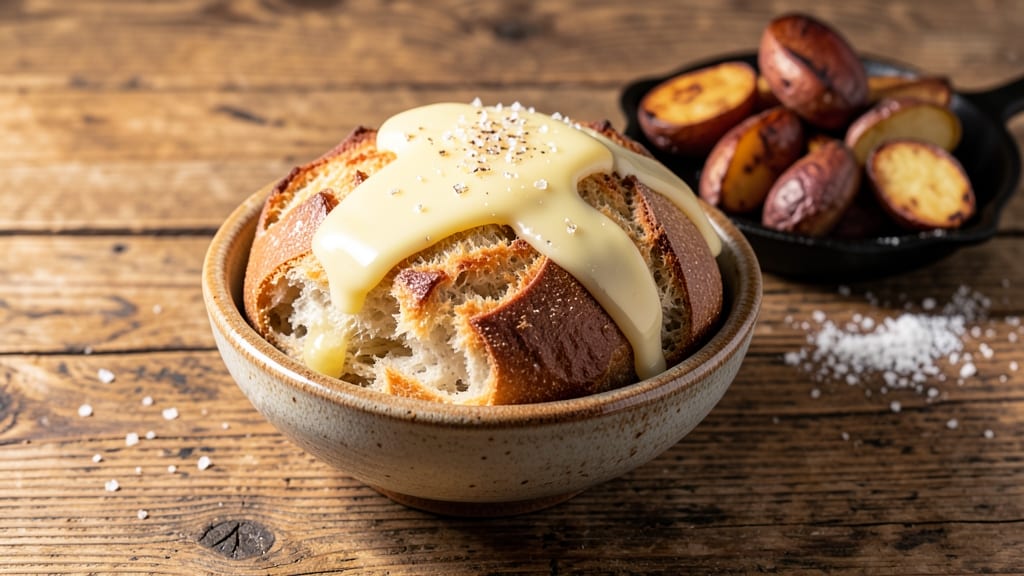
This Polish potato bread recipe brings a taste of Eastern Europe to your table with its signature rustic crust and tender, fluffy potato-infused heart. 💛 The secret lies in blending mashed potatoes into the dough, creating a texture that’s both hearty and impossibly light—unlike any standard bread you’ve tried.
I first discovered this recipe during a visit to a Polish bakery, where the aroma of freshly baked loaves filled the air, and I knew I had to recreate it at home.
The traditional method combines rye flour with all-purpose flour for depth, while mashed potatoes add moisture and a delicate crumb. What makes this bread special is the slow fermentation—letting the dough rise overnight develops complex flavors and ensures that signature open crumb structure.
The crust turns golden and crisp, while the interior remains soft and slightly chewy, with pockets of air that make every bite satisfying.
Perfect for pairing with butter, smoked meats, or as a side for pierogi, this bread is as practical as it is delicious.
The recipe delivers restaurant-quality results with just a few simple ingredients and minimal effort, making it ideal for home cooks who want to impress without spending hours in the kitchen. The key is patience—letting the dough work its magic overnight transforms ordinary ingredients into something extraordinary.
Whether you’re serving it warm from the oven or toasted the next morning, this potato bread captures the soul of Polish baking. Let’s get started on creating a loaf that will become a staple in your home—just like it has in mine.
Ingredients for polish potato bread
Simple ingredients, extraordinary texture—this bread transforms humble potatoes into something magical.
| Ingredient | Amount | Notes |
|---|---|---|
| Russet Potatoes 🥔 | 2 lbs | Peeled and boiled until tender |
| All-Purpose Flour 🌾 | 3 cups | Plus 1 tbsp for dusting |
| Rye Flour 🌾 | 1 cup | Dark rye for authentic flavor |
| Active Dry Yeast 🍞 | ¼ oz | 1 packet (2.25 tsp) |
| Granulated Sugar 🍚 | 1 tbsp | Feeds the yeast |
| Unsalted Butter 🧈 | ½ cup | Cold, cubed for dough |
| Large Eggs 🥚 | 1 whole | Room temperature |
| Milk 🥛 | ½ cup | Warm, not hot |
| Salt 🧂 | 1 tsp | Kosher or sea salt |
| Poppy Seeds 🌱 | 2 tbsp | For topping (optional) |
| Sesame Seeds 🌱 | 1 tbsp | For topping (optional) |
| Cornmeal 🌽 | ¼ cup | For dusting baking sheet |
The potatoes are the heart of this bread, so pick firm, starchy russets—they mash smoother and add the perfect lightness. Whole Foods or Trader Joe's usually carry the best russets, but any grocery store works if you check for freshness. Boil them until completely tender, then mash them smooth—no lumps! For the flours, King Arthur all-purpose is my go-to, but any good brand works. The rye flour gives that deep, earthy flavor—Bob's Red Mill has a great dark rye that's perfect. If you can't find dark rye, pumpernickel flour works in a pinch, though the color won't be as rich.
No rye flour? Substitute half the all-purpose flour with whole wheat for a milder flavor, though the texture will be denser. Running short on butter? Olive oil at half the amount keeps things moist, but butter's flavor is worth it. The yeast should be fresh—if it's over a few months old, test it in warm water with sugar first to make sure it bubbles. For the seeds, poppy and sesame are traditional, but everything bagel seasoning makes a fun twist. The milk should be warm enough to melt the butter cubes but not hot—around 110°F is ideal, like a warm bath.
This dough is best made the night before—let it ferment in the fridge overnight for that signature open crumb. Store the shaped loaf in a loaf pan covered with a damp towel in the fridge for up to 3 days. For longer storage, freeze the shaped loaf (unbaked) for up to 3 months. When you're ready to bake, let it sit at room temperature for 1-2 hours to rise again. The aroma alone will wake up your whole house.
Why You'll Love This Recipe
- No Boil-Fail Moments: I swear by this recipe because it skips the messy potato-mashing step. Just grate those Russets raw—no peeling, no boiling, no waiting. The dough handles it like a champ, and you end up with that classic dense, moist crumb without the fuss.
- Earthy Sweet Crust: Between us, the rye flour gives this bread a deep, nutty bite that pairs perfectly with the subtle sweetness from the sugar. Toast it? Even better—the crust gets this caramelized edge that tastes like a hug from your Polish nonna.
- Lunchbox Legend: I make a double batch every Sunday because it’s the ultimate sandwich bread. The structure holds up to thick-cut ham or smoked salmon, and the kids actually ask for it in their lunches. (Yes, even on a Tuesday.)
- Pantry Goldmine: Honestly, this recipe uses ingredients you’re already buying. Russets are cheap, yeast is cheap, and that rye flour? It’s the same stuff in your crackers. Plus, it keeps for days—freeze slices for toast or reheat a whole loaf in foil for 10 minutes. Zero waste, all satisfaction.
Step-by-step instructions for Polish potato bread
Here's how to craft this hearty bread with a tender potato center and crispy crust.
🍳 Step 1: Prepare the Potato Filling
Peel the 2 lbs russet potatoes and cut them into even chunks. Place them in a pot of cold, salted water and bring to a boil. Reduce heat to a gentle simmer and cook for 15-20 minutes until fork-tender but not falling apart. Drain thoroughly and let cool slightly before mashing.
Once cool enough to handle, mash the potatoes until completely smooth with no lumps. Stir in 1 tbsp granulated sugar and 1 tsp salt to balance the flavors. Set aside to cool completely—this prevents the yeast from dying when mixed later. The filling should be thick but spreadable, like hummus.
👨🍳 Step 2: Mix the Dough
In a large bowl, whisk together 3 cups all-purpose flour, 1 cup rye flour, and 0.25 oz active dry yeast. Make a well in the center and add 0.5 cup cold cubed unsalted butter, 1 whole large egg, 0.5 cup warm milk, and the cooled potato mixture. Mix gently until combined, then gradually incorporate the remaining flour until a shaggy dough forms.
Turn the dough onto a lightly floured surface and knead for 8-10 minutes until smooth and elastic. The dough should be slightly sticky but not wet. If it's too dry, add 1 tsp water at a time. Shape into a round loaf and place in a greased bowl. Cover with a damp towel and let rise in a warm place for 1-2 hours or until doubled in size.
🥘 Step 3: Shape and Assemble the Bread
Punch down the risen dough and divide it into two equal portions. Roll one portion into a 12-inch circle on a floured surface. Spread the potato filling evenly over the circle, leaving a 1-inch border around the edges. Sprinkle 2 tbsp poppy seeds and 1 tbsp sesame seeds over the filling for texture and flavor.
Roll up the dough tightly from one side, pinching the seam to seal. Place the loaf seam-side down on a baking sheet dusted with 0.25 cup cornmeal. Cover again and let rise for 30-45 minutes until puffy. Preheat your oven to 375°F while the bread rises—this ensures a crispy crust when it goes in.
🔥 Step 4: Bake to Golden Perfection
Bake the bread for 30-35 minutes until the crust is deep golden brown and the internal temperature reaches 190°F. Tap the bottom—it should sound hollow. If the top browns too quickly, tent with foil to prevent over-browning while the center finishes cooking.
Remove from the oven and let cool on a wire rack for 10 minutes before slicing. The bread will be warm and fragrant, with a crisp exterior and a soft, fluffy potato center. Serve warm with butter or your favorite jam for a truly comforting experience.
Pro Tips For Making Polish Potato Bread
- Boil Potatoes Until Fork-Tender: Russets should break apart like overcooked pasta—not mushy, but with zero resistance when pierced. I learned this the hard way: undercooked potatoes make the dough gummy, and nobody wants that. Drain and cool them completely before mashing, or your yeast will throw a fit in the dough.
- Toast the Rye Flour: Lightly toast the rye flour in a dry pan for 2–3 minutes until it smells nutty. This cuts the bitter edge and deepens the flavor—my grandmother swore by it, and she was right. Skip this, and your bread will taste more like sawdust than Polish heritage.
- Proof Dough in a Warm Spot: Yeast hates drafts. Place your dough in a turned-off oven with a bowl of boiling water underneath for 1–1.5 hours. The steam keeps it warm and consistent, not the uneven rise you get on the counter. Trust me, your bread’s volume will thank you.
- Shape Loaves Tightly: Polish potato bread needs a snug, rounded shape—no lazy rolls here. Pinch the seams tight and tuck the ends under for structure. I used to skip this, and my loaves spread like pancakes. A tight shape = better oven spring and that classic dense crumb.
Wine and beer pairings for polish potato bread
Traditional Polish Wine Pairings
For an authentic experience, pair this potato bread with a dry Polish white wine like Riesling Spätlese from the Dolny Śląsk region. The crisp acidity and subtle fruit notes cut through the bread’s richness, while the wine’s minerality complements the rye flour’s earthiness.
I love Januszewski Winery’s Riesling—its bright citrus and green apple flavors make every bite feel like a taste of Poland. 🍷
Beer Pairings for Hearty Eats
A Polish-style wheat beer (pszenicznia) is a perfect match for this bread’s rustic charm. Look for Okocim’s Żywiec Premium or Tyskie—their light malt sweetness balances the potato’s creaminess while the effervescence cleanses your palate.
For a craft option, try a Belgian witbier like St. Bernardus Wit—its peppery, citrusy notes add a refreshing contrast to the bread’s warmth.
Smoked Meat Pairings
This bread shines with Polish smoked meats like kielbasa or żurek-smoked pork. The smoky, savory flavors of Warsaw-style kielbasa (from Warszawianka) pair beautifully with the bread’s buttery crust.
For a lighter option, try Polish smoked chicken—the juicy meat soaks up the bread’s crumb like a dream. Serve with apple compote to balance the richness.
Sweet Pairings for Breakfast
Toast this bread and spread with Polish-style honey butter—mix softened butter with acacia honey and a pinch of cinnamon. The sweetness contrasts the bread’s savory depth perfectly. For a decadent treat, top with Polish farmer’s cheese (twaróg) and fresh blueberries—a favorite breakfast in Polish homes. 🍯
Avoid These Mistakes
Skip heavy, oaky reds like Bordeaux—they’ll overpower the bread’s delicate potato filling. Also avoid IPAs unless you’re serving spicy pierogi; their hop bitterness clashes with the bread’s buttery, fluffy texture. Stick to light, crisp, or slightly sweet options to let the bread’s natural flavors shine.
Bonus: Polish Craft Beer
For a modern twist, try Polish craft beers like Trappist beer from Łagiewniki or Zywiec Porter. Their deep maltiness stands up to the bread’s hearty texture, while the bread’s crisp crust cuts through the beer’s richness.
A Polish-style stout (like Warka Stout) pairs wonderfully with this bread when served with smoked salmon for a brunch showstopper. 🍺
Nutrition facts
Frequently asked questions
Why does this bread have potatoes in the dough?
Potatoes add moisture and create that signature light, fluffy texture that sets this bread apart. The mashed potatoes replace some of the flour, giving the dough extra tenderness while keeping the structure intact. This traditional technique also makes the bread richer and more satisfying—perfect for pairing with hearty Polish dishes.
Can I make this bread without rye flour?
Yes! Replace the 1 cup rye flour with 1 cup whole wheat flour for a milder flavor, though the texture will be slightly denser. For a closer match, use pumpernickel flour—it lacks the deep color but keeps the earthy notes. The bread will still be delicious, just with a different character.
How do I store leftover potato bread?
Keep the bread wrapped in a damp towel inside an airtight container at room temperature for 2-3 days. For longer storage, freeze the loaf (unbaked) for up to 3 months. Thaw overnight in the fridge before reheating. To revive stale bread, wrap it in foil and warm at 350°F for 5-10 minutes.
What if my dough doesn't rise properly?
Check your yeast first—it should be fresh (test it in warm water with sugar to confirm it bubbles). If the dough is too cold, place it in a warm oven (70°F) with the light on for 20 minutes to encourage rising. Avoid over-kneading, which can kill yeast. For extra insurance, let the dough ferment in the fridge overnight—slow fermentation often yields better results.
Can I add cheese to this bread?
Fold in ½ cup grated farmer’s cheese (twaróg) or sharp cheddar when shaping the dough for a savory twist. For a sweet version, mix in ¼ cup mascarpone with the potato filling. Just reduce the milk slightly to balance the extra moisture from the cheese.