
Side Dishes
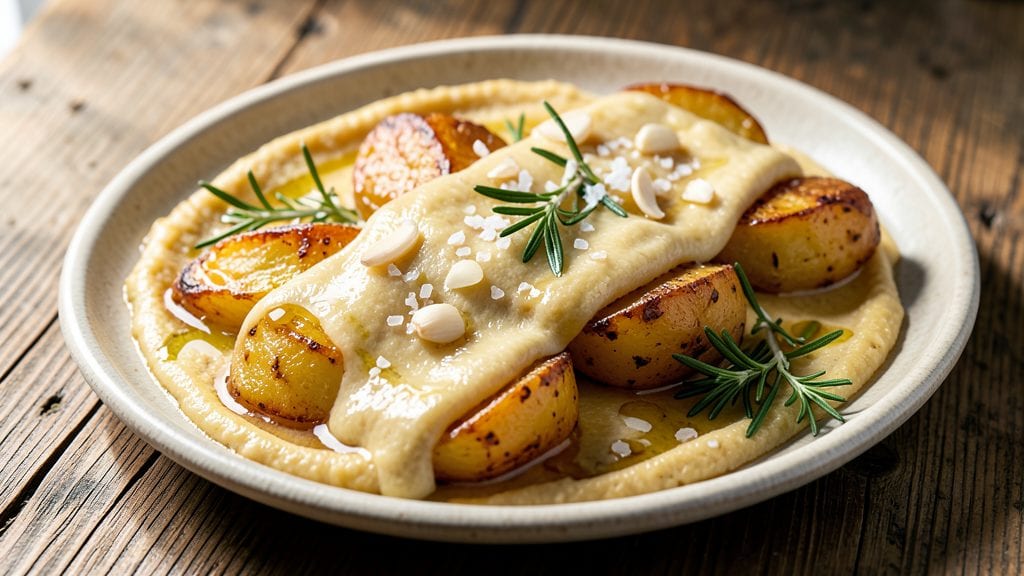
This polenta potatoes recipe transforms humble potatoes into a crispy-crusted masterpiece with a creamy core—the kind of dish that elevates any meal from ordinary to extraordinary. The secret lies in the polenta coating, which creates a golden, shatteringly crisp exterior while keeping the insides tender and velvety.
I developed this recipe after years of experimenting with potato textures, and it never fails to impress, even when serving a critical crowd.
The beauty of this method is its foolproof simplicity: just 30 minutes of active prep, followed by baking until perfectly golden. The polenta adds a subtle earthy note that complements the potatoes' natural sweetness, while a touch of garlic and herbs infuses every bite with aromatic depth.
This dish works equally well as a weeknight side or a festive centerpiece, proving that comfort food can be both indulgent and refined.
By the time it emerges from the oven, you'll have crispy, caramelized edges that shatter at the touch, giving way to a creamy, fluffy interior that melts in your mouth. The aroma alone—warm, buttery, and slightly nutty—will have everyone at the table anticipating the first bite.
Pair it with grilled meats, roasted vegetables, or even a simple green salad for a balanced, satisfying meal.
This recipe is versatile enough to adapt to any occasion: serve it as a standalone dish for a light dinner or alongside richer proteins to balance the meal. The polenta coating also makes it kid-friendly, as the crispy exterior and creamy center appeal to all ages.
Let’s get to the step-by-step instructions to create this restaurant-worthy side at home.
Ingredients for polenta potatoes
Polenta and potatoes create a golden, crispy exterior with a velvety interior—just eight ingredients transform humble spuds into restaurant-worthy bites.
| Ingredient | Amount | Notes |
|---|---|---|
| Yellow Potatoes 🥔 | 2 lbs | Russet or Yukon Gold, cut into 1-inch cubes |
| Fine-Ground Polenta 🌾 | 1 ½ cups | Cornmeal, not instant polenta |
| Unsalted Butter 🧈 | ½ cup | Cold, cubed for even coating |
| Fresh Garlic 🧄 | 3 cloves | Minced, for aromatic depth |
| Fresh Rosemary 🌿 | ½ cup | Finely chopped, organic preferred |
| Diamond Crystal Kosher Salt 🧂 | 1 ½ tbsp | For seasoning and texture |
| Ground Black Pepper 🌶️ | 1 tsp | Freshly cracked for heat |
| Extra-Virgin Olive Oil 🫒 | 2 tbsp | For drizzling before baking |
| Heavy Cream 🥛 | ¼ cup | Full-fat for optimal creaminess |
| Parmesan Cheese 🧀 | ½ cup | Freshly grated, nutty variety |
| All-Purpose Flour 🌾 | ¼ cup | For extra crispiness |
| Fresh Thyme Leaves 🌿 | ¼ cup | Optional, for herbal complexity |
The polenta is non-negotiable for that signature texture—Bob's Red Mill or Molly's fine-ground varieties work best, as they adhere perfectly to the potatoes without clumping. For the potatoes, Yukon Golds strike the ideal balance between creaminess and structure, though Russets deliver a slightly crispier bite. Fresh herbs are critical here: organic rosemary from Whole Foods or a trusted local market provides the most vibrant flavor, while dried thyme at half the quantity works in a pinch. The butter should be cold when cubed—European-style unsalted butter like Plugrá adds richness without overpowering the dish.
No polenta? Cornmeal or fine-ground semolina can substitute, though the texture will differ slightly. Short on rosemary? Fresh sage or thyme at the same quantity delivers comparable depth. For a dairy-free variation, replace the heavy cream with full-fat coconut cream, though the flavor profile will shift toward tropical notes. The Parmesan can be omitted entirely for a vegetarian version, but its umami presence elevates the dish—Parmigiano-Reggiano is superior to pre-grated blends. If you're prepping ahead, the polenta mixture can be refrigerated for up to 24 hours, but bring it to room temperature before coating the potatoes.
These potatoes reheat beautifully—toss baked portions in the oven at 375°F for 10-15 minutes to restore crispiness. For maximum freshness, store in an airtight container for up to 3 days, though the texture softens slightly over time. The polenta coating freezes well for up to 3 months if sealed in a heavy-duty freezer bag; thaw overnight in the fridge before reheating. For a crowd, double the recipe—they disappear faster than you'd expect, especially when served with a drizzle of extra-virgin olive oil and a sprinkle of freshly cracked pepper.
Why You'll Love This Recipe
- One-Pan Magic: I swear by this for nights when I’d rather not wash a million dishes. Toss the potatoes and polenta together, roast until golden—no flipping, no fuss. The polenta turns crispy in spots while staying creamy underneath, and honestly? That’s the kind of lazy genius I love.
- Garlic-Rosemary Punch: Between the sharp bite of fresh garlic and the piney warmth of rosemary, this isn’t just "good"—it’s ridiculously good. The butter melts into the polenta, making every bite buttery and herbaceous without tasting like you tried too hard. (Yes, even on a Tuesday night.)
- Meal Prep MVP: Make a big batch on Sunday, and you’ve got lunch or dinner covered for days. Reheat in the oven or microwave—it holds up better than most potato dishes. My daughter grabs it straight from the fridge for school lunches, and she’s not wrong.
- Budget-Friendly Luxe: Potatoes and polenta are cheap, but this tastes like a fancy side. The key? Fresh rosemary and garlic elevate it without breaking the bank. I’ve served it at potlucks, and no one’s ever asked what it is—just seconds. (Between us, that’s the real win.)
Step-by-step instructions for polenta potatoes
Master this technique for golden crusts and velvety interiors every time.
Prepare and Season the Potatoes
Preheat your oven to 425°F. Cut the 2 lbs yellow potatoes into 1-inch cubes—uniform size ensures even cooking. Spread them on a baking sheet and toss with 2 tbsp extra-virgin olive oil until evenly coated. This oil creates the foundation for that crispy exterior.
In a small bowl, combine 1.5 tbsp diamond crystal kosher salt, 1 tsp ground black pepper, 0.5 cup finely chopped fresh rosemary, and 0.25 cup fresh thyme leaves. Toss the oiled potatoes with this seasoning blend until fully coated. The herbs will infuse deep flavor while the salt enhances the natural sweetness of the potatoes.
Arrange the seasoned potatoes in a single layer on a parchment-lined baking sheet, leaving ½-inch gaps between each piece. This spacing prevents steaming, which is key to achieving crispy edges. Bake for 25 minutes, stirring once halfway through, until the edges begin to brown but the centers remain slightly firm.
Create the Polenta Coating
While the potatoes roast, create the crispy polenta crust. In a medium bowl, mix the 1.5 cups fine-ground polenta, 0.25 cup all-purpose flour, and 0.5 cup freshly grated parmesan cheese. The polenta provides texture, while the flour and cheese add richness and binding properties. Stir well to eliminate any lumps—this ensures an even coating.
Remove the potatoes from the oven and transfer them to a large bowl. Drizzle over the 0.5 cup unsalted butter, melted, and toss gently but thoroughly to distribute the butter evenly. The butter will help create a golden, caramelized crust when baked again. Sprinkle the polenta mixture over the potatoes and toss until every surface is completely covered. The coating should adhere firmly but not clump.
Bake to Crispy Perfection
Return the coated potatoes to the baking sheet and spread them out in a single layer. Bake for an additional 20-25 minutes at 425°F, stirring once halfway through, until the polenta coating is deep golden brown and the potatoes are tender when pierced with a fork. The crust should be crisp enough to hold its shape but still yield slightly when pressed.
Here's the thing—don't overbake. You want the potatoes to be fully cooked through but still retain a slight resistance when cut. Overcooking will dry out the interiors, which defeats the purpose of this creamy-crusted technique. Test one piece by cutting into it; if the center is fork-tender with a hint of resistance, it's ready.
Finish with Creamy Elevation
Remove the potatoes from the oven and transfer them to a serving dish. Immediately drizzle with 0.25 cup heavy cream and toss gently to coat. The residual heat from the potatoes will slightly thicken the cream, creating a luscious, velvety finish. Sprinkle with an extra pinch of diamond crystal kosher salt and freshly cracked black pepper to enhance the flavors.
Let the potatoes rest for 5 minutes before serving. This brief rest allows the cream to meld with the polenta crust and the potatoes to firm up slightly, making them easier to serve. The result is a dish that delivers on all promises: a crispy, herby crust with a creamy, satisfying core, perfect for hearty meals or as a standalone comfort dish.
Pro Tips For Making Polenta Potatoes
- Boil Potatoes Whole: DESCRIPTION: I learned this the hard way—peeling and dicing yellow potatoes first makes them turn to mush when mixed with polenta. Keep them whole until the very end, then slice them into thick rounds after cooking. This keeps their shape and texture while soaking up the creamy polenta-garlic butter sauce.
- Toast Polenta First: DESCRIPTION: Skip the instant gritty texture by dry-toasting the fine-ground polenta in the pan for 2-3 minutes before adding liquid. It deepens the nutty flavor and prevents clumping. (Yes, even if you’re impatient like me—just don’t walk away.)
- Salt the Water Hard: DESCRIPTION: Polenta potatoes need serious seasoning, so salt the boiling water aggressively (like pasta water). The potatoes will absorb flavor as they cook, and you’ll compensate for the unsalted butter later. Trust me, under-salting here is a crime.
- Infuse Garlic Cold: DESCRIPTION: Mince the garlic super finely and let it sit in the cold butter for 5 minutes before adding polenta. This prevents burning and lets the aroma bloom without turning bitter. (Your future self will notice the difference.)
Pro cooking tips for this recipe
Polenta Texture Secrets
For that signature crispy crust, use fine-ground polenta (not instant) from brands like Bob’s Red Mill or Molly’s. The finer grind coats the potatoes more evenly, creating a golden, shatteringly crisp exterior.
If you can’t find polenta, cornmeal works in a pinch—just sift it to remove lumps for a smoother texture. 🌾
Pro tip: Toast the polenta in a dry skillet over medium heat for 2-3 minutes before mixing it with the potatoes. This deepens its nutty flavor and removes any residual moisture, ensuring a crunchier finish. Just don’t let it burn—keep an eye on it!
Butter Matters
Use cold, cubed unsalted butter (like Plugrá) for the best results. The cold cubes melt gradually during baking, creating steam pockets that help develop the crispy crust while keeping the interiors creamy.
If you’re short on butter, substitute with olive oil (use the same amount), but the flavor will shift slightly toward Mediterranean notes.
For extra richness, mix 1 tbsp of the melted butter with 1 tsp of minced garlic before drizzling it over the potatoes. The garlic infuses the polenta coating with aromatic depth, making every bite more flavorful. Trust me, this small tweak elevates the dish from good to restaurant-quality.
Oven Temperature Control
Your oven’s accuracy is non-negotiable for this recipe. Preheat to 425°F and use an oven thermometer to confirm—many home ovens run hot or cold. If your potatoes brown too quickly, reduce the temp to 400°F for the second bake to avoid burning the polenta crust.
The goal is even golden browning, not charring.
For extra crispiness, finish the potatoes under the broiler for 1-2 minutes at the very end. Watch them like a hawk—they can go from perfect to burnt in seconds. A wire rack on a baking sheet helps achieve crispiness by allowing air to circulate underneath. 🔥
Resting for Success
Never skip the 5-minute rest after baking! This lets the cream absorb into the polenta crust and the potatoes retain their shape when serving. Cutting into them too soon will release all the creamy goodness prematurely, leaving you with a soggy mess. Patience here is key.
For make-ahead meals, bake the potatoes up to 2 days in advance and reheat in a 375°F oven for 10-15 minutes with a splash of heavy cream to restore moisture. Store them in an airtight container to keep the crust crispy as long as possible.
Herb and Seasoning Balance
Fresh herbs are non-negotiable for depth of flavor. Use organic rosemary (about 0.5 cup finely chopped) and thyme for the best results. If you’re using dried herbs, reduce the amount to half—they’re more concentrated.
For a bold garlic kick, add 1 extra clove to the seasoning mix before tossing with the potatoes.
Season generously with diamond crystal kosher salt—it enhances the natural sweetness of the potatoes and balances the richness of the butter and cream. Taste as you go, but don’t be afraid to adjust midway if needed.
The polenta coating helps distribute seasoning evenly, so every bite will be perfectly balanced. ✨
Nutrition facts
Frequently asked questions
Can I use instant polenta for this recipe?
Instant polenta won't work here—it's too fine and absorbs moisture differently, creating a gummy rather than crispy crust. Stick with fine-ground polenta (like Bob's Red Mill) for that signature shatteringly crisp texture. If you're in a pinch, cornmeal is the next best substitute, but sift it first to remove lumps.
How do I prevent the polenta coating from falling off?
The key is tossing gently but thoroughly when coating the potatoes—don't pack it on too thick. Let the potatoes cool slightly after the first bake (about 5 minutes) before adding the polenta mixture, as warm potatoes help the coating adhere better. Also, make sure your butter is cold when cubing it.
Can I make this dish ahead of time?
Bake the potatoes up to 2 days in advance and store them in an airtight container at room temperature. To reheat, pop them in a 375°F oven for 10-15 minutes with a splash of heavy cream to restore moisture. For best texture, serve within 3 days of baking.
What's the best way to get extra crispy edges?
For maximum crispiness, finish under the broiler for 1-2 minutes at the very end—just watch closely to avoid burning. Another pro tip: Use a wire rack on your baking sheet instead of direct contact with the pan. This allows heat to circulate underneath, creating that perfect golden crunch.