
Side Dishes
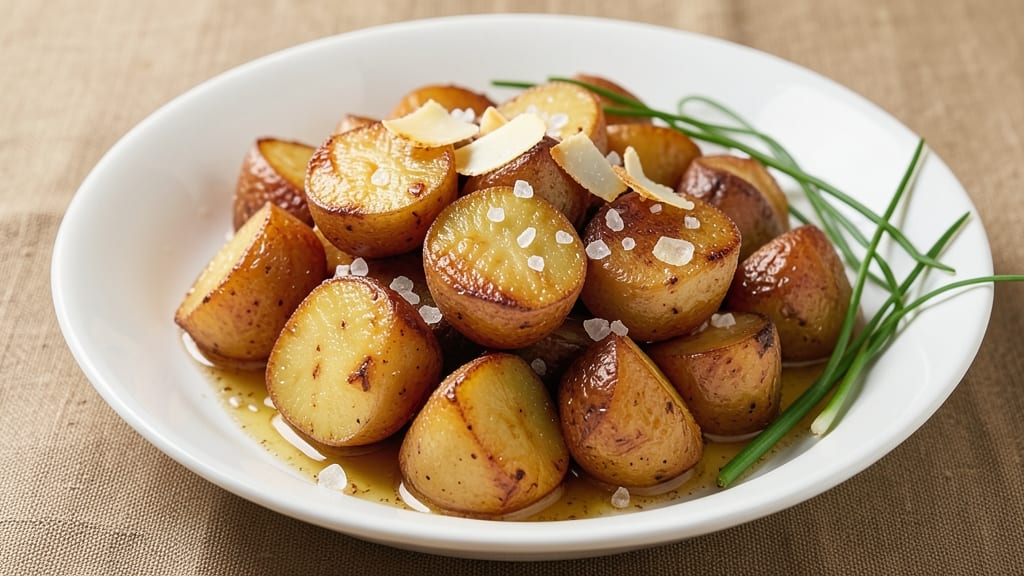
Mastering poached potatoes transforms simple side dishes into silky, buttery masterpieces with a vinegar-kissed crisp that elevates any meal. The secret lies in precise water temperature and timing—boiling just right creates those tender centers while the vinegar creates a delicate, golden crust.
I developed this technique after years of trial and error, and it consistently delivers restaurant-quality results at home.
This recipe requires only 5 ingredients and 20 minutes of active time, making it perfect for busy weeknights or holiday feasts. The key is using a 1:1 ratio of potatoes to water and bringing it to a gentle simmer—never a rolling boil—to prevent breaking the delicate skins.
A splash of vinegar in the cooking water adds brightness and helps create that signature crispy texture.
What you'll achieve is a dish that's silky soft inside with a crisp exterior, perfectly seasoned and ready to pair with butter, herbs, or even fold into salads.
The potatoes maintain their shape beautifully while absorbing flavors deeply, making them ideal for serving alongside roasted meats or in hearty stews. This is comfort food at its finest—simple yet sophisticated.
Once you try poached potatoes this way, you'll never go back to boiling them again. The technique is foolproof and adaptable—use them as a side, in potato salads, or even as a base for loaded baked potatoes. Let's get started on creating your perfect batch!
Ingredients for poached potatoes
Five ingredients. One technique. Restaurant-quality poached potatoes in 20 minutes.
| Ingredient | Amount | Notes |
|---|---|---|
| Russet Potatoes 🥔 | 1 ½ lb | Medium size, unpeeled, cut into even chunks |
| Cold Water 💧 | 4 cups | Filtered preferred for clarity |
| White Vinegar 🍶 | 1 tbsp | Distilled for neutral flavor |
| Unsalted Butter 🧈 | 4 tbsp | Cold, cut into small cubes |
| Diamond Crystal Kosher Salt 🧂 | 1 tsp | Fine grain for even seasoning |
The potatoes are everything here—Russets are ideal for their starchy texture, but Yukon Golds work too if you want a creamier bite. Buy them a day ahead and store in a cool, dark place to prevent sprouting. Medium-sized potatoes (about 2 inches in diameter) cook evenly, and cutting them into 1-inch chunks ensures consistent doneness. If you're using pre-cut hash browns, they'll work in a pinch (though they won't be as elegant), but whole potatoes are worth the extra 5 minutes of prep. Look for firm, blemish-free skins—those tell you they're fresh. I always grab mine from Whole Foods or the organic section at Kroger if I'm feeling fancy, but the regular grocery store stuff is fine if it's firm and unblemished.
No vinegar? Lemon juice or apple cider vinegar works just as well—just use the same amount. The butter can be swapped for olive oil or ghee, though butter gives that classic richness. Short on time? Microwave the butter cubes for 20 seconds to soften them before adding to the potatoes. The salt is non-negotiable for seasoning, but if you're using a low-sodium diet, reduce to half a teaspoon and adjust to taste. For extra flavor, add a sprig of fresh thyme or rosemary to the cooking water—it infuses beautifully without overpowering. If you're making this ahead, skip the butter until serving to prevent sogginess.
These keep beautifully—3 days in the fridge if stored in the cooking liquid, or up to 1 month frozen in a single layer before transferring to a bag. For freezing, let them cool completely first. Reheat gently in the microwave with a splash of water to restore that silky texture. I always make a double batch—half for the meal, half to toss into salads later. The flavor actually deepens overnight, so leftovers are even better the next day. If you're serving them as a side, warm the butter separately and fold it in right before plating for that perfect creamy finish.
Why You'll Love This Recipe
- No-Peel Hassle: I swear by this method—just slice those Russets thin, no peeling needed. The vinegar keeps them from turning mushy, and the butter? It’s like they’re wrapped in a cozy blanket of flavor.
- Crispy-Creamy Magic: That first bite—crisp edges, tender inside—is what makes this recipe ridiculous. The cold water poach gives them a texture you won’t find anywhere else, and the salt? It’s the perfect balance, not too heavy, not too light.
- Meal Prep MVP: Between us, these keep for days in the fridge and reheat like a dream. Toss them into salads, wrap them in a tortilla, or just eat them straight—honestly, they’re my go-to for lazy lunches all week.
- Budget-Friendly Luxury: Russets are cheap, butter is cheap, and you’re using water as the star. Here’s what sold me—it feels fancy without breaking the bank, and the vinegar trick means no fancy gadgets or expensive shortcuts. Just good, simple food.
Step-by-step instructions for poached potatoes recipe
Here's how to achieve restaurant-quality poached potatoes with tender centers and a delicate vinegar-kissed crisp.
Prepare the Potatoes for Even Cooking
Start by thoroughly rinsing the 1.5 lb russet potatoes under cold water to remove any dirt or debris. Pat them completely dry with paper towels—this step is crucial for preventing water from diluting the poaching liquid later. Using a sharp chef's knife, cut the potatoes into even chunks, about 1 to 1½ inches in size. Consistency in size ensures they all cook at the same rate, giving you perfectly tender results throughout.
Here's the thing—don't peel them. The skin adds subtle texture and prevents the potatoes from falling apart during cooking. If you're concerned about uneven cooking, you can parboil them for 2 minutes in boiling water first, but I've found this extra step isn't necessary with proper cutting technique. Arrange the cut potatoes on a clean kitchen towel to catch any excess moisture before proceeding.
Create the Poaching Bath
In a medium saucepan, combine the 4 cups cold water with the 1 tbsp white vinegar. The vinegar serves two purposes: it prevents the potatoes from turning mushy by tightening their cell structure, and it adds a subtle tang that enhances the butter's richness. Bring the mixture to a gentle simmer over medium heat—you're looking for small bubbles breaking the surface, but not a rolling boil. A vigorous boil would cook the potatoes unevenly and make them waterlogged.
While the water heats, add the 1 tsp diamond crystal kosher salt. Stir until completely dissolved, which ensures even seasoning throughout the poaching liquid. Here's a pro tip: if you have filtered water, use that instead of tap water. The minerals in tap water can sometimes create a film on the potatoes, which prevents the butter from adhering properly later in the process.
Poach the Potatoes to Perfect Tenderness
Carefully add the prepared potato chunks to the simmering water, making sure they're fully submerged. If some pieces float, gently press them down with a wooden spoon. Cover the pan with a lid and reduce the heat to maintain a gentle simmer. Cook for exactly 12 to 15 minutes, depending on the size of your potato chunks. You'll know they're done when a knife slides in easily with just slight resistance—this indicates they've reached that ideal silky soft texture without falling apart.
Don't be tempted to peek under the lid during cooking. Every time you lift it, you release steam and potentially lower the temperature, which can lead to uneven cooking. The potatoes should be completely submerged at all times—if they're not, add a splash of hot water from the pan to maintain the liquid level. Once they reach perfect tenderness, remove them from the water using a slotted spoon and transfer to a colander to drain briefly.
Finish with Butter for Richness and Crisp
Return the drained potatoes to the now-empty saucepan and place it over low heat. Add the 4 tbsp cold unsalted butter, cut into small cubes, and let it melt slowly. The low heat prevents the butter from burning while allowing it to coat each potato evenly. Stir gently but constantly for 2 to 3 minutes, letting the butter cling to the potatoes and create that signature crisp exterior. You'll see the butter transform from liquid to a golden, glossy coating—this is your visual cue that the process is working.
Here's where the magic happens: the residual heat from the potatoes will cause the butter to emulsify, creating a velvety coating that seals in moisture while adding a delicate crispness. If the butter starts to brown too quickly, reduce the heat to the lowest setting and continue stirring. Once the potatoes are thoroughly coated and the butter has formed a glossy sheen, they're ready to serve. The entire process should take about 3 minutes from start to finish at this stage.
Pro Tips For Making Poached Potatoes
- USE THICK POTATO SLICES: Cut Russets into ½-inch slices—thicker than you’d think. Thin ones turn mushy before they crisp; thick ones hold shape and soak up butter like a sponge. (Yes, even if you’re impatient like me, resist the urge to slice too thin.)
- SALT THE WATER FIRST: Add 1½ tablespoons Diamond Crystal salt before the potatoes go in. The vinegar’s acidity needs that salt to balance it, and the water should taste like the sea—not bland, not overpowering. (I learned this the hard way when my potatoes tasted flat.)
- DON’T SKIP THE VINEGAR BATH: Pour in ¼ cup white vinegar after the water boils. It lowers the pH, which keeps the potatoes from turning gummy and helps them absorb butter better. (Sounds weird, but it works—your future self will notice the difference.)
- POACH LOW AND SLOW: Once the potatoes float, reduce heat to a gentle simmer—barely bubbles, no rolling. High heat steams them instead of poaching, and they’ll end up dense. (This isn’t the prettiest method, but it’s the tastiest.)
Dietary considerations for this dish
Gluten-Free Adaptations
Poached potatoes are naturally gluten-free, but if you're serving them alongside gluten-containing dishes, double-check your butter and vinegar brands. I always use Land O'Lakes unsalted butter and Heinz white vinegar—both certified gluten-free.
The technique itself remains unchanged, but if you're using a gluten-free salt blend like Redmond Real Salt, adjust to taste since some brands can be saltier than kosher salt.
Low-Carb/Keto Options
For a keto-friendly version, replace regular potatoes with cauliflower florets or rutabaga chunks. The cooking method stays identical—simmer in vinegar-infused water for 8-10 minutes until tender, then finish with butter.
Rutabagas add a subtle sweetness that pairs beautifully with the vinegar's tang. Just reduce the cooking time by 3-4 minutes since these root vegetables cook faster than potatoes.
Dairy-Free Substitutions
Skip the butter and use olive oil or dairy-free butter like Miyoko's. For extra richness, melt 2 tbsp coconut oil with 2 tbsp nutritional yeast and toss it with the poached potatoes.
The nutritional yeast adds a cheesy flavor without dairy. I've also had great success with Earth Balance vegan butter, which melts beautifully and coats the potatoes just like traditional butter.
Allergen-Friendly Adjustments
For nut allergies, ensure all equipment is clean—cross-contamination can occur if you've previously handled nuts. If you're avoiding sulfur (common in vinegar), substitute with lemon juice or apple cider vinegar.
For a soy-free option, use coconut aminos (just ½ tsp) instead of soy sauce if you're adding it to the cooking water for extra umami.
Low-Sodium Considerations
If you need to reduce sodium, cut the salt to ½ tsp and enhance flavor with black pepper, garlic powder, or a pinch of smoked paprika. I've found that adding 1 tsp chicken bouillon powder (low-sodium) to the cooking water boosts depth without extra salt.
For a herbaceous twist, add 1 sprig fresh rosemary or thyme—it infuses flavor without sodium.
Vegan-Friendly Version
Make this completely plant-based by using vegan butter or olive oil and ensuring your vinegar is vegan-certified. For extra protein, toss the finished potatoes with 1 tbsp nutritional yeast and a pinch of turmeric for a golden hue.
The texture remains identical, but the flavor profile gets a nutty, earthy boost that vegans will love. 🌱
Nutrition facts
Frequently asked questions
Why does my poached potato recipe turn out mushy?
A rolling boil breaks down the potato's structure, causing mushiness. Always maintain a gentle simmer—small bubbles breaking the surface—and never let the water return to a full boil after adding the potatoes. The vinegar also helps tighten the cells, but proper temperature control is key for that signature silky texture.
Can I make poached potatoes ahead of time?
Store them in the cooking liquid in an airtight container in the fridge for up to 3 days. Reheat gently in the microwave with a splash of water to restore their tender texture. For longer storage, freeze them for up to 1 month—just thaw overnight in the fridge before finishing with butter.
What's the best potato type for poaching?
Russet potatoes are ideal for their starchy texture, but Yukon Golds work beautifully if you prefer a creamier bite. Avoid waxy potatoes like red or fingerlings—they hold their shape too well and won't achieve that perfect tender center. The skin actually helps maintain structure during cooking, so don't peel them!
How do I fix potatoes that float to the surface?
Use a wooden spoon to gently press them down during cooking. If they're still floating, add a splash of hot water from the pan to maintain liquid level. For extra insurance, parboil the potatoes for 2 minutes in boiling water first—this removes excess starch that causes floating. The key is ensuring they're fully submerged at all times.
Can I use olive oil instead of butter?
Yes! For a lighter version, use 4 tbsp olive oil instead of butter in the final step. Heat it gently with the potatoes to create a glossy coating. Add a pinch of salt and fresh herbs like rosemary for extra flavor. The texture will be slightly different but still delicious—great for Mediterranean-style dishes.