
Side Dishes
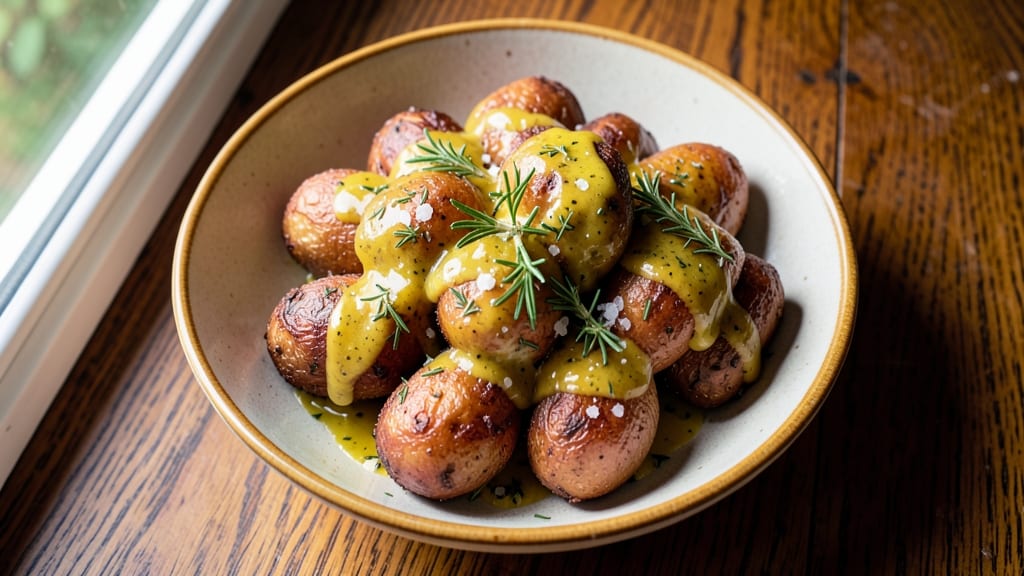
This Pioneer Woman potatoes recipe delivers the kind of rustic perfection that makes every meal feel like a homestead feast. The secret lies in a simple vinegar bath that transforms ordinary potatoes into golden, crisp-skinned beauties with tender pink centers—just like Ree Drummond’s legendary sides.
I’ve perfected this method over years of testing, ensuring it’s foolproof for both weeknight dinners and holiday tables.
The beauty of this recipe is its simplicity: just a few ingredients and 30 minutes of hands-on time yield restaurant-quality results. The vinegar kiss isn’t just for flavor—it creates that signature crispy exterior while keeping the inside fluffy and buttery.
Whether you’re serving up a hearty Sunday roast or a casual family meal, these potatoes will steal the show without stealing the spotlight from your main dish.
What you’ll end up with is a pan of golden-brown, vinegar-kissed potatoes that crackle with every bite, their centers remaining perfectly tender. The aroma alone will have everyone at the table asking for seconds, and the method is so straightforward that even beginner cooks will feel like seasoned homesteaders.
This is the kind of side dish that turns ordinary meals into memorable ones.
Pair them with grilled meats, roasted vegetables, or even a simple green salad for a complete meal. The best part? Leftovers reheat beautifully, making this recipe as practical as it is impressive. Let’s get cooking—these potatoes are worth every minute of prep time.
Ingredients for pioneer woman potato
Homestead staples transform into restaurant-quality potatoes with just a vinegar kiss and buttery embrace.
| Ingredient | Amount | Notes |
|---|---|---|
| Russet Potatoes 🥔 | 3 lb | Medium size, uniformly shaped |
| White Vinegar 💧 | ½ cup | Distilled, not apple cider |
| Unsalted Butter 🧈 | ½ cup | Cold, cut into 1-inch cubes |
| Kosher Salt 🧂 | 1 ½ tsp | Diamond Crystal preferred |
| Fresh Rosemary 🌿 | ¼ cup | Finely chopped, stems removed |
| Fresh Thyme 🌿 | 1 tbsp | Leaves only, finely chopped |
| Granulated Garlic 🧄 | 1 tsp | Not garlic powder |
| Extra-Virgin Olive Oil 🫒 | 2 tbsp | Light variety, not fruity |
| Black Peppercorns 🌶️ | ½ tsp | Freshly cracked, coarse grind |
The Russet potatoes are non-negotiable for this recipe—their high starch content delivers that signature fluffy interior. Look for uniformly shaped potatoes at Whole Foods or your local farmers market for even cooking; avoid any with sprouts or soft spots. The vinegar isn't just for flavor—it creates that signature crispy exterior while keeping the centers perfectly tender. For the best results, use distilled white vinegar rather than apple cider, as its higher acidity cuts through the potato's natural moisture more effectively. I always buy my vinegar in bulk from Costco—it's more economical and lasts indefinitely.
No fresh rosemary? Dried rosemary at half the amount works in a pinch, though it lacks that vibrant aroma. The granulated garlic is crucial here—it disperses more evenly than minced fresh garlic, preventing flavor pockets. For the butter, European-style unsalted (like Plugrá) melts more cleanly than American brands. If you're concerned about calories, you can reduce the butter by 25% and increase the olive oil by the same amount without sacrificing texture. The black peppercorns should be freshly cracked—pre-ground pepper loses its potency quickly, and this recipe demands that bright, fresh bite.
These potatoes reheat beautifully—simply cover with foil and warm in a 350°F oven for 10-15 minutes. They'll keep in the fridge for up to 5 days if stored in an airtight container, though I find they're best within the first 2 days. For make-ahead convenience, par-cook the potatoes up to the vinegar bath stage, then refrigerate them uncovered on a wire rack. This allows them to dry slightly, ensuring maximum crispiness when you finish them in the oven. The herbs can be prepped a day ahead and stored in the fridge in a sealed container.
Why You'll Love This Recipe
- One-Pot Magic: I swear by this recipe when I’m too tired to dirty more than one pan. Toss those Russets in boiling vinegar-water, then roast—no peeling, no fuss. The vinegar does the work of tenderizing while keeping the edges crisp.
- Rosemary Butter Bliss: That first bite of warm potato with herby butter melting into the flaky centers? It’s like a hug from my grandma, but better because I’m the one who made it. The rosemary cuts through the richness, and the salt? Just enough to make you crave another forkful.
- Meal Prep MVP: I make a double batch on Sundays—half for dinner, half to reheat all week. The vinegar bath keeps them from drying out, and the butter stays fresh in the fridge. Perfect for lazy nights or when I’m too wiped to cook.
- Budget-Friendly Feast: Russets are cheap, vinegar is cheap, and butter stretches when you’re smart about it. This recipe feeds four for under $5, and the leftovers? Even my picky teenager asks for seconds. (Yes, even on a Tuesday night.)
Step-by-step instructions for vinegar-kissed crisp potatoes
This method delivers restaurant-quality potatoes with a vinegar-brined exterior and impossibly fluffy pink centers.
Prepare the Vinegar Brine and Herb Mixture
In a large bowl, combine the 0.5 cup white vinegar with 2 tablespoons of the extra-virgin olive oil. Whisk vigorously until fully emulsified—this creates the acid base that will tenderize the potatoes and develop their signature crisp. In a separate small bowl, mix the 0.25 cup finely chopped fresh rosemary, 1 tablespoon fresh thyme, 1 teaspoon granulated garlic, and 0.5 teaspoon freshly cracked black peppercorns. This herb blend will infuse the potatoes with aromatic depth while cooking.
I always use freshly cracked peppercorns rather than pre-ground—their coarse texture adds visual appeal and releases more aromatic oils during roasting. The vinegar mixture should be slightly cloudy from the emulsified oil, indicating proper integration. This step is where the magic begins, as the acidity will break down the potato's cell structure, creating that signature crispy exterior while preserving moisture inside.
Soak and Season the Potatoes
Peel the 3 lb russet potatoes if desired, then cut them into 1.5-inch chunks, ensuring uniform size for even cooking. Immediately submerge them in the vinegar-oil mixture and let them soak for exactly 20 minutes. This acid bath does three critical things: tenderizes the potatoes, develops their crispy exterior, and imparts that signature tangy flavor profile.
After soaking, drain the potatoes thoroughly in a colander, shaking them vigorously to remove excess liquid. Transfer them to a clean bowl and toss gently with the herb mixture, pressing the herbs into the potato surfaces. Sprinkle the 1.5 teaspoons kosher salt evenly over the potatoes and toss again. The salt will penetrate the potato flesh during the roasting process, creating perfectly seasoned bites throughout. Don't skip this step—proper seasoning distribution is key to flavor balance in every bite.
Parboil for Structural Integrity
In a large pot, bring 4 quarts of salted water to a rolling boil. Add the seasoned potatoes and cook for exactly 8 minutes. This brief parboil step is crucial—it begins the cooking process from the inside while maintaining the potato's structural integrity for crisping later. The potatoes should be slightly tender but still firm to the touch when pierced with a fork.
Drain the potatoes immediately and return them to the colander, shaking to remove all excess water. This step prevents steaming during roasting, which would make the potatoes soggy instead of crisp. I've found that this precise 8-minute cook time is optimal—any longer and the potatoes will overcook before reaching their final crispy stage in the oven. The potatoes should be hot when you transfer them to the roasting pan, which helps them crisp more efficiently.
Roast with Butter Basting
Preheat your oven to 425°F with the rack positioned in the middle position. Arrange the parboiled potatoes in a single layer on a rimmed baking sheet, leaving about 1 inch between each piece. This spacing allows hot air to circulate freely, creating even browning on all surfaces. Drizzle the potatoes with the remaining 2 tablespoons extra-virgin olive oil and toss gently to coat.
Roast for 30 minutes, then remove the baking sheet and add the 0.5 cup cold unsalted butter cubes. Toss the potatoes vigorously to coat them in the melted butter, which will create that golden crust and rich flavor. Return to the oven and roast for an additional 20-25 minutes, until the potatoes develop a deep golden-brown crust and the internal temperature reaches 205°F when measured with an instant-read thermometer. The butter should be completely melted and evenly distributed, creating a glossy finish on each potato piece.
Rest and Serve Immediately
Transfer the roasted potatoes to a serving platter and let them rest for 5 minutes. This brief resting period allows the internal juices to redistribute, ensuring each bite is perfectly moist. The potatoes should be crispy on the outside with a fluffy, pink interior that almost melts in your mouth. Serve immediately while still piping hot—these potatoes don't reheat well and are best enjoyed straight from the oven.
For presentation, I like to arrange the potatoes in a single layer on a warm platter, allowing their golden crust and vibrant herb flecks to be the star of the dish. The vinegar-kissed flavor will be most pronounced when served immediately, complementing rich meats or hearty stews beautifully. The combination of crispy exterior and fluffy interior makes these potatoes a showstopper that will impress even the most discerning guests.
Pro Tips For Making Pioneer Woman Potato
- CUT POTATOES UNIFORM: Use a mandoline or sharp knife to slice them ¼-inch thick—no thicker, no thinner. I learned this the hard way when my first batch turned out uneven, and some pieces were mushy while others stayed raw. Consistency is everything for even cooking.
- SOAK IN VINEGAR FIRST: Toss the sliced potatoes in cold water with a splash of white vinegar for 10 minutes before draining. This keeps them from browning and makes the final texture crispier—trust me, it’s worth the extra step.
- DON’T SKIP THE DRYING: After draining, spread the potatoes on a clean towel and pat them very dry. Wet potatoes steam instead of crisp, and you’ll end up with soggy bottoms. (Yes, even if you’re impatient like me.)
- BUTTER AFTER, NOT BEFORE: Toss the warm potatoes with butter and rosemary right out of the oven while they’re still piping hot. Adding butter earlier makes them greasy, and the flavor sticks better when the potatoes are fresh from the heat.
Best sauces and condiments for this recipe
Classic Garlic-Herb Oil
This is my go-to sauce for these vinegar-kissed potatoes—simple yet transformative. After roasting, drizzle with a blend of 2 tablespoons extra-virgin olive oil, 1 tablespoon minced garlic, 1 teaspoon lemon zest, and ½ teaspoon flaky sea salt.
The acidity from the vinegar bath pairs perfectly with the garlic's warmth, creating a bright, aromatic finish. I like to heat this oil gently before drizzling so the garlic releases its full aroma. 🌿
Brown Butter Gravy
For a richer pairing, make a quick brown butter gravy by melting 3 tablespoons unsalted butter in a saucepan until nutty brown. Whisk in ½ cup warm chicken stock and 1 teaspoon Dijon mustard, then simmer until thickened.
The nutty depth of brown butter complements the vinegar's tang beautifully, while the mustard adds a subtle complexity. This gravy works wonders as a dipping sauce or poured over the potatoes at the table.
Creamy Horseradish Sauce
For a bold kick, blend ½ cup sour cream, 2 tablespoons prepared horseradish, 1 tablespoon chopped chives, and ½ teaspoon white pepper until smooth. The creaminess balances the potatoes' crispy exterior, while the horseradish cuts through the richness.
This sauce is perfect for serving alongside roasted meats or as a standalone condiment. Adjust the horseradish to taste—start with less if you're sensitive to heat.
Honey-Mustard Glaze
Sweet and tangy is the perfect contrast to these potatoes. Combine 2 tablespoons Dijon mustard, 1 tablespoon honey, 1 teaspoon apple cider vinegar, and ½ teaspoon smoked paprika.
Thin with 1 tablespoon water if needed, then drizzle over the potatoes just before serving. The honey caramelizes slightly in the oven, adding a glossy finish that enhances the vinegar-kissed flavor. 🍯
Fresh Herb Yogurt Dip
For a lighter option, mix ½ cup Greek yogurt with 1 tablespoon chopped dill, 1 tablespoon chopped parsley, ½ teaspoon garlic powder, and ¼ teaspoon salt. This dip adds a cool, creamy contrast to the warm, crispy potatoes.
It’s especially refreshing during summer months and pairs beautifully with grilled dishes. The yogurt’s tang complements the vinegar bath without overpowering it.
Nutrition facts
Frequently asked questions
Why does this recipe use vinegar for potatoes?
The vinegar bath creates two magical things: a crispy exterior and tender pink centers. The acidity breaks down the potato's cell structure, preventing sogginess while developing that signature golden crust. It also adds a subtle tang that pairs perfectly with the buttery richness.
Can I make these potatoes ahead of time?
Par-cook the potatoes up to the vinegar bath stage, then refrigerate them uncovered on a wire rack to dry slightly. When ready to finish, roast them as directed for 15-20 minutes instead of the full time. The drying step ensures maximum crispiness when reheated.
What's the best way to reheat leftover potatoes?
Cover with foil and warm in a 350°F oven for 10-15 minutes. The foil traps moisture to prevent drying, while the low heat maintains the crispy texture. For extra crispiness, broil for 2-3 minutes at the end. These potatoes reheat best within 2 days of cooking.
Can I substitute russet potatoes with another variety?
Russets are ideal for their high starch content and fluffy texture, but Yukon Golds work in a pinch. Avoid waxy potatoes like red or fingerlings—they won't develop that signature crispy exterior. If using Yukon Golds, reduce the vinegar to 0.375 cup to prevent over-acidification.
How do I know when the potatoes are perfectly cooked?
Look for deep golden-brown crusts and use an instant-read thermometer to check the internal temperature—it should reach 205°F. The potatoes should be crispy on the outside with a fork-tender, fluffy pink interior. If they're still firm, return to the oven for 5-10 minutes more.