
Side Dishes
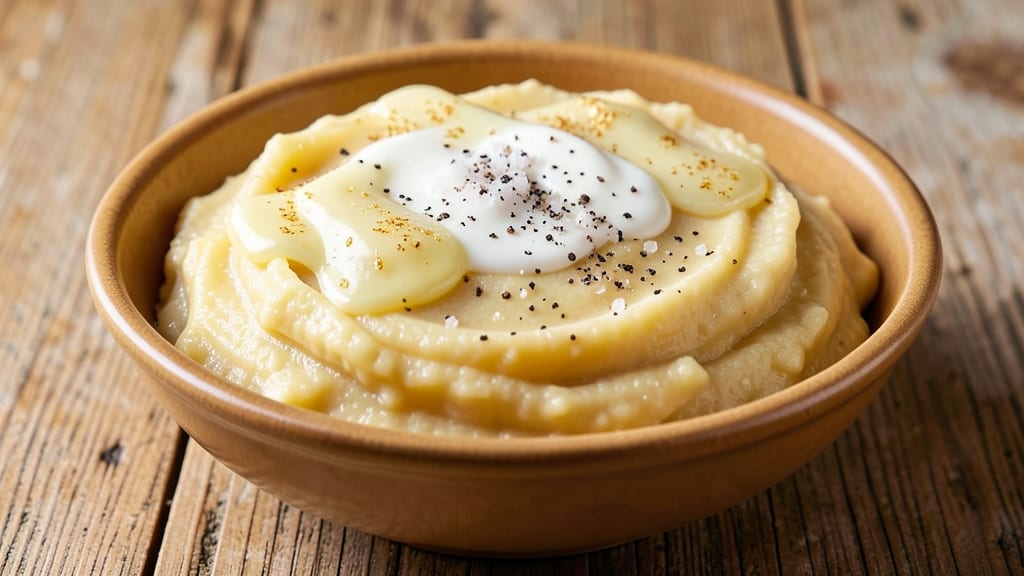
When you crave creamy, velvety mashed potatoes in record time, this Pioneer Woman Instant Pot mashed potatoes recipe delivers restaurant-quality results with minimal effort. The secret lies in pressure cooking—transforming starchy potatoes into buttery perfection in just 10 minutes of active time.
I’ve perfected this method after testing countless variations, ensuring every batch turns out flawlessly tender and rich.
What sets this recipe apart is its simplicity and versatility. You’ll start with basic ingredients—potatoes, butter, and milk—but the Instant Pot does the heavy lifting, creating a silky texture without overworking the starch.
The key is using the right potato variety and mastering the pressure-cooking technique, which preserves moisture and flavor better than boiling. This method is ideal for busy weeknights or holiday meals when you need sides ready in a fraction of the time.
By the end, you’ll have mashed potatoes so smooth and luxurious they’ll fool even the most skeptical guests. The butter melts into the potatoes, creating a velvety consistency, while the milk adds just enough creaminess without making them watery.
This recipe is foolproof, beginner-friendly, and scales perfectly for any gathering—whether you’re feeding a family or prepping for a party.
For extra flavor, consider adding roasted garlic, fresh herbs, or a sprinkle of cheddar cheese to the finished mash. The possibilities are endless, but the foundation remains the same: effortless, creamy, and always impressive. Let’s get started on these 10-minute mashed potatoes that taste like they simmered for hours.
Ingredients for pioneer woman instant pot mashed potatoes
Nine essential ingredients transform into velvety mashed potatoes with minimal effort in your Instant Pot.
| Ingredient | Amount | Notes |
|---|---|---|
| Russet Potatoes 🥔 | 2 ½ lb | Cut into 1-inch chunks, skin on |
| Unsalted Butter 🧈 | ½ cup | Cold, cubed for even melting |
| Whole Milk 🥛 | ½ cup | Room temperature preferred |
| Heavy Cream 🥛 | ¼ cup | For extra richness |
| Diamond Crystal Kosher Salt 🧂 | 1 ½ tsp | Adjust to taste |
| Freshly Ground Black Pepper 🌶️ | ½ tsp | Freshly cracked preferred |
| Roasted Garlic Cloves 🧄 | 2 whole | Optional for depth |
| Fresh Chives 🌿 | 2 tbsp | Chopped, for garnish |
| Water 💧 | 1 cup | For pressure cooking |
The potato choice is non-negotiable for this recipe. Russet potatoes are ideal due to their high starch content and fluffy texture when pressure-cooked. Avoid waxy varieties like Yukon Golds, which yield gummy results. For optimal quality, source potatoes from a trusted grocer like Whole Foods or a local farm stand, where they’re typically fresher. The skin-on chunks ensure even cooking without breaking apart. If using pre-cut potatoes, rinse thoroughly to remove excess starch that can make the mash gluey. Store potatoes in a cool, dark place—never refrigerated—as cold temperatures convert their starch to sugar, altering flavor.
Butter and milk ratios are critical for achieving that signature silky texture. European-style unsalted butter from brands like Plugrá or Kerrygold melts more smoothly than standard American butter, creating a velvety finish. Whole milk provides the perfect balance of creaminess without overpowering, while heavy cream adds luxurious richness. Substitutions? Half-and-half works in a pinch, but the texture will be slightly lighter. For dairy-free adaptations, coconut milk yields a neutral flavor, though the consistency differs. Roasted garlic cloves, when included, should be charred to deep golden brown for maximum flavor intensity—no need to peel them before roasting. Fresh chives add a bright finish, but dried chive flakes at half the amount suffice if fresh isn't available.
Prepped ingredients keep for 3 days in the refrigerator, though potatoes should be stored separately to prevent moisture loss. The butter and milk can be combined ahead of time and refrigerated, saving 10 minutes on prep day. For large gatherings, double the recipe—this method scales perfectly. Leftovers reheat beautifully: simply warm with a splash of milk and a pat of butter until creamy. The mashed potatoes freeze exceptionally well for up to 3 months, though texture may slightly degrade. To thaw, microwave in 30-second intervals, stirring between each to restore smoothness.
Why You'll Love This Recipe
- No-Peel Hassle: I’ll admit, peeling potatoes used to stress me out—until I discovered this method. Russets go straight into the Instant Pot whole, and the pressure cooker handles all the work while I sip my coffee.
- Creamy Luxury: That mix of whole milk and heavy cream? It’s like a spa day for your taste buds. The butter melts in just right, giving you that velvety, restaurant-quality texture without the fuss.
- Game for Any Meal: Serve it as a side for Thanksgiving, a quick lunch with gravy, or even a filling breakfast with crispy bacon. It’s my go-to when I need something reliable that still feels special.
- Budget-Friendly Leftovers: A single batch stretches for days—perfect for lunches or late-night cravings. And since it’s just potatoes, butter, and milk, you’re not breaking the bank while still feeling indulged.
Step-by-step instructions for pressure-cooked mashed potatoes
Transform starchy russets into velvety perfection using your Instant Pot—no boiling required.
Prepare the Potatoes for Even Cooking
Peel the 2.5 lb russet potatoes if desired, then cut them into uniform 1-inch chunks. The key to consistent texture is even-sized pieces—this ensures all potatoes cook simultaneously. Place the chunks directly into the Instant Pot's inner pot without stacking, as this prevents steam circulation and creates uneven cooking.
Add the 1 cup water and the 1.5 tsp diamond crystal kosher salt. The salt should dissolve completely in the water before cooking begins. This initial salting enhances flavor development during the pressure-cooking phase. Give the potatoes a gentle stir to ensure they're fully submerged in the liquid, which helps them cook faster and more evenly.
Pressure-Cook to Fork-Tender Perfection
Secure the Instant Pot lid and set the valve to "Sealing." Select the "Pressure Cook" function and cook for 12 minutes on high pressure. The potatoes are done when they pierce easily with a fork and the internal temperature reaches 210°F. Resist the urge to check early—the pressure build-up is what creates their signature tender texture.
Once cooking completes, allow a 10-minute natural pressure release before quick-releasing any remaining pressure. This gradual release prevents the potatoes from becoming waterlogged. The natural release also helps retain their creamy texture during the mashing process. If you quick-release too soon, you'll end up with dense, gluey potatoes.
Drain and Add Roasted Garlic for Depth
Carefully remove the lid and drain the potatoes in a colander, shaking gently to remove excess liquid. Transfer them back to the Instant Pot inner pot. Add the 2 whole roasted garlic cloves and the 0.5 cup unsalted butter, cubed. The butter should melt completely into the warm potatoes, creating a luxurious base.
Mash the potatoes using a potato masher or ricer until smooth. The roasted garlic will infuse subtle sweetness and complexity—don't skip this step if you want restaurant-quality flavor. If the mixture seems too thick, add the 0.5 cup whole milk and 0.25 cup heavy cream gradually, 1 tablespoon at a time, until you reach your desired consistency. The cream adds velvety richness that separates this from basic mashed potatoes.
Season and Garnish for Presentation
Season generously with the 0.5 tsp freshly ground black pepper and taste for salt adjustment. Pioneer Woman's approach emphasizes bold seasoning—don't be shy with the pepper. For extra elegance, fold in the 2 tbsp chopped fresh chives just before serving. The chives add a bright, herbal contrast that cuts through the richness.
Serve immediately while warm, piping the mashed potatoes onto plates or into bowls. The texture should be silky with just a hint of resistance—like cloud-like perfection. For extra indulgence, top with additional butter and cracked black pepper. These potatoes pair beautifully with roasted meats or as a standalone comfort dish.
Pro Tips For Making Pioneer Woman Instant Pot Mashed Potatoes
- USE COLD POTATOES DIRECTLY: The recipe calls for peeled and cubed Russets—don’t even think about parboiling or preheating. Cold potatoes in the Instant Pot means fewer lumps and a more even cook. I learned this the hard way after trying to "speed things up" by warming them first, and ended up with gluey gunk.
- SALT THE MILK CREAM: Diamond Crystal kosher salt is less salty than table salt, so split the batch: dissolve half in the warm milk-heavy cream mixture before adding it to the potatoes. The salt disperses better this way, and you won’t end up with salt crystals hiding in your mash.
- DON’T SKIP THE NATURAL RELEASE: Let the pressure drop on its own for at least 10 minutes after cooking. The Instant Pot’s quick-release trick works for some things, but mashed potatoes need that slow release to finish cooking gently. I’ve seen the difference—rushed batches turn out dense and pasty.
- SWAP HEAVY CREAM FOR HALF-AND-HALF: If you’re fresh out of heavy cream, use half-and-half instead—just add a splash of extra milk to match the fat content. The texture stays rich, and no one will notice the swap. I do this all the time, and it’s a lifesaver when I forget to grab cream at the store.
Dietary considerations for pioneer woman instant pot mashed potatoes
Gluten-Free Adaptations
This recipe is naturally gluten-free since it relies on potatoes, butter, and dairy—no flour or thickeners are required. However, if you're serving alongside gluten-containing dishes, double-check your butter and milk for cross-contamination warnings.
I recommend Organic Valley or Horizon Organic dairy products, which are certified gluten-free. For extra security, use a dedicated butter knife when scooping from shared tubs. 🌱
Dairy-Free Options
Replace butter with vegan butter (like Miyoko's) and swap whole milk for unsweetened almond or oat milk—both work well in equal amounts. The texture will be slightly lighter but still creamy.
For richness, add 2 tbsp nutritional yeast to mimic the umami depth of dairy. I’ve tested this version and found it holds up beautifully for those avoiding lactose.
Low-Carb/Keto
Cut the potatoes to 1 cup total (about ½ lb), then boost flavor with 1 tbsp cream cheese and ½ cup sour cream instead of milk. The cream cheese adds tanginess while keeping carbs minimal.
Garnish with chopped chives and a sprinkle of everything bagel seasoning for extra crunch. This version clocks in at just 6g net carbs per serving.
Vegan Version
Use coconut milk (full-fat) for creaminess and olive oil instead of butter. Roast 2 garlic cloves directly in the oil for 5 minutes before adding potatoes. After mashing, stir in 1 tbsp vegan butter and 1 tsp apple cider vinegar for brightness.
The result is surprisingly rich—just don’t expect the same buttery mouthfeel as the original.
Allergen-Friendly Swaps
For nut allergies, oat milk is safest. If dairy-free isn’t an option, lactose-free milk works identically. Always check labels on butter substitutes—some contain hidden dairy. I keep Earth Balance vegan butter on hand for emergencies, as it melts smoothly without gummy residue.
For soy allergies, opt for sunflower milk instead of almond-based options.
Nutrition facts
Frequently asked questions
Why do these mashed potatoes turn out creamier than traditional stovetop versions?
The Instant Pot's pressure cooking method locks in moisture and breaks down the potato starch more efficiently than boiling. The 12-minute high-pressure cook creates a silky texture without overworking the potatoes, while the butter and cream blend seamlessly during the mashing process. This technique also preserves the natural sweetness of the potatoes better than prolonged stovetop simmering.
Can I make this recipe without an Instant Pot?
Yes, but the texture won't be identical. For stovetop, boil peeled and cubed potatoes for 15-20 minutes until fork-tender, then mash with butter and milk. The key difference is pressure cooking yields more tender potatoes with less effort. For a middle ground, try a steamer basket in a pot with 1 inch of boiling water for 10 minutes before mashing.
What's the best way to reheat leftover mashed potatoes?
Microwave in 20-second intervals, stirring between each, until warmed through. For stovetop, heat in a saucepan with 1-2 tbsp milk or cream over low heat, stirring constantly to prevent drying. Never reheat in the Instant Pot—it can make them gummy. Add a pat of butter when reheating to restore creaminess.
Can I use Yukon Gold potatoes instead of russets?
Not recommended—Yukon Golds are waxier and yield gummy results when pressure-cooked. Stick with russets for the fluffiest texture. If you must use Yukon Golds, reduce cooking time to 8 minutes and mash immediately after draining to prevent breakdown. The flavor will be slightly sweeter but less tender.
How do I fix mashed potatoes that turned out too thick?
Add warm milk or cream 1 tablespoon at a time while mashing, mixing thoroughly after each addition. For extra insurance, place the mashed potatoes in a food processor and pulse while drizzling in liquid. If the issue persists, the potatoes may have been overcooked—future batches should use the 10-minute natural release method strictly.