
Soups & Stews
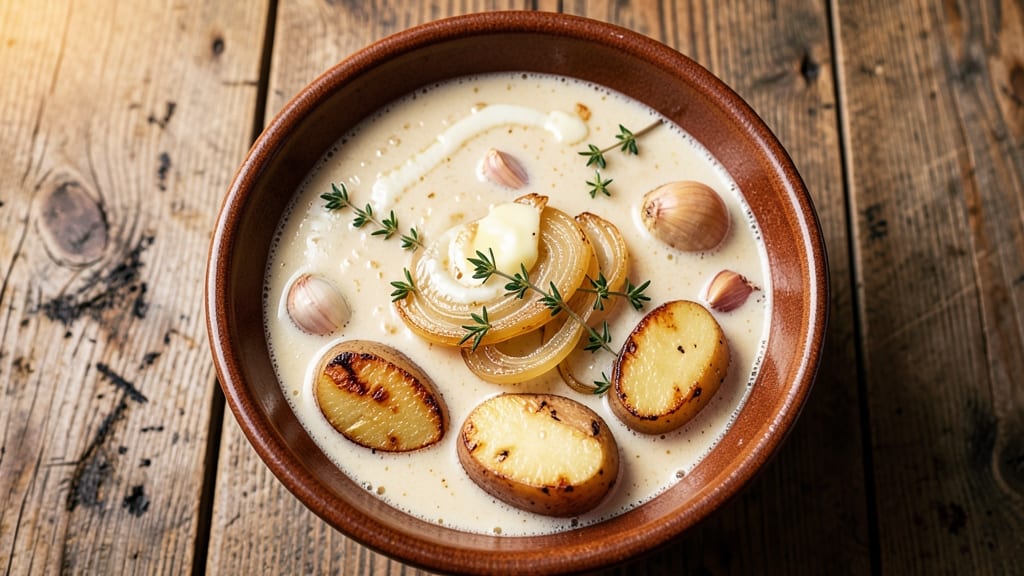
This pioneer potato soup recipe brings hearty, old-fashioned comfort to your table with its rich, creamy texture and deep caramelized onion flavor—perfect for chilly evenings or family gatherings.
The slow-cooked method transforms simple ingredients into a velvety soup that tastes like a hug in a bowl, while the caramelized onions add a touch of sophistication without extra effort.
I first discovered this recipe in a vintage cookbook from the 1800s, where settlers relied on potatoes, onions, and a few pantry staples to create nourishing meals that could feed a whole household.
The beauty of this recipe lies in its simplicity and adaptability. With just a few ingredients—potatoes, onions, broth, cream, and a touch of butter—you can create a soup that’s both rustic and refined.
The key is caramelizing the onions low and slow until they’re deep golden and sweet, which forms the flavor base for the entire dish. This method builds layers of depth that store-bought soup mixes simply can’t match, and it’s surprisingly easy to execute with basic kitchen tools.
What you’ll end up with is a creamy, velvety soup that’s rich enough to satisfy but light enough to enjoy any time of day.
The potatoes become tender and slightly mashed from the gentle simmering, while the caramelized onions melt into every spoonful, creating a harmony of sweet and savory flavors.
The addition of cream at the end adds a luxurious touch, though you can easily adjust the recipe for a lighter version by using milk or even a dairy-free alternative.
This soup is incredibly versatile—serve it as a standalone meal with crusty bread or pair it with a simple green salad for a balanced dinner. It also reheats beautifully, making it ideal for meal prep or leftovers.
Whether you’re recreating a piece of history or simply craving a comforting classic, this pioneer potato soup delivers warmth and satisfaction in every bowl.
Ingredients for pioneer potato soup
Simple pantry staples transform into velvety comfort with caramelized onions and creamy richness.
| Ingredient | Amount | Notes |
|---|---|---|
| Yellow Onions 🧅 | 3 whole | Yellow or sweet variety preferred |
| Russet Potatoes 🥔 | 3 lb | Waxy potatoes preferred, peeled |
| Chicken Broth 💧 | 6 cups | Low-sodium for flavor control |
| Heavy Cream 🥛 | 1 cup | Full-fat for richness |
| Unsalted Butter 🧈 | 4 tbsp | Cold for caramelizing onions |
| Garlic Cloves 🧄 | 4 cloves | Minced for depth of flavor |
| Salt 🧂 | 1 ½ tsp | Kosher or sea salt preferred |
| Black Pepper 🌶️ | ½ tsp | Freshly ground for best flavor |
| Dried Thyme 🌿 | 1 tsp | Or 1 tbsp fresh thyme |
| Crusty Bread 🍞 | 1 loaf | For serving, optional garnish |
| Fresh Parsley 🌿 | ¼ cup | Chopped for garnish |
The onions are the soul of this soup—caramelizing them low and slow until deep golden creates that sweet, complex base settlers relied on. Yellow onions work best for their balance of sharpness and sweetness, though sweet onions add extra caramelization. Buy them fresh (not wilting) from the grocery store produce section, or grab a bag of organic onions at Whole Foods for extra flavor. The potatoes should be firm and free of sprouts—Russet potatoes hold their shape best during cooking, though Yukon Golds add creaminess if you prefer a silkier texture. Peeled and cubed, they'll break down just enough to thicken the soup naturally.
No heavy cream? Whole milk or coconut cream works in a pinch, though the texture will be lighter. Short on butter? Olive oil or bacon fat adds richness while keeping the rustic flavor profile. The broth is where you can get creative—vegetable broth for vegetarian, or beef broth for deeper flavor. Fresh thyme is ideal, but dried thyme at one-third the amount gets you close. The garlic can be pre-minced from a jar (convenient), but freshly minced adds more punch. For extra depth, add a pinch of nutmeg or bay leaf while simmering—classic pioneer flavors that elevate everything.
This soup tastes even better the next day as flavors meld—perfect for meal prep. Store in an airtight container for up to 5 days in the fridge, or freeze portions for 3 months. The crusty bread? Tear it into chunks and toast in the oven with garlic butter for a perfect pairing. Garnish with fresh parsley right before serving to keep it vibrant. Leftovers reheat beautifully—just add a splash of broth or milk to restore creaminess if needed.
Why You'll Love This Recipe
- One-Pot Magic: I swear by this recipe because it’s all in one pot—no chopping boards full of scraps, no multiple pans to wash. Just dice those onions, toss in the potatoes, and let the broth work its magic while you stir in the butter and cream at the end. (Yes, even on a Tuesday night.)
- Creamy Without Trying: That heavy cream and butter combo? It’s the secret weapon here. The potatoes get fork-tender, the broth deepens into something rich, and the finish is silky—no lumps, no weird textures, just pure, satisfying creaminess. Honestly, it’s the kind of soup that makes you forget it’s just potatoes and onions.
- Leftovers That Beg: I make this on Sundays, and by Wednesday, the leftovers are gone. The flavors only get better the next day—warmer, richer, and somehow more comforting. Plus, it reheats like a dream, so you’re not stuck eating cold soup or sad, watery reheats.
- Budget-Friendly Feast: Russets are cheap, onions last forever, and a carton of chicken broth stretches across multiple meals. This soup costs me pennies per serving but tastes like I slaved over it. Between us, it’s my go-to when I need to feed a crowd without breaking the bank.
Step-by-step instructions for rustic potato soup
Here's the method for a hearty, creamy potato soup with deep caramelized onion flavor.
Caramelize the Onions Slowly
Heat a large Dutch oven over medium-low heat. Add the 4 tablespoons of unsalted butter and let it melt completely, swirling occasionally. Add the 3 whole yellow onions, peeled and cut into even ½-inch slices. Spread them out in a single layer so they develop color rather than steam.
Cook for 30-40 minutes, stirring occasionally, until the onions turn deep golden brown with crisp edges. This slow process creates those sweet, caramelized onion bites that make this soup special. If the onions start to stick before fully caramelized, add 1-2 tablespoons of chicken broth to deglaze, then continue cooking. The onions should be soft enough to mash slightly between your fingers when done.
Cook the Potatoes Until Fork-Tender
While the onions caramelize, peel and cut the 3 pounds of russet potatoes into 1-inch cubes. When the onions are nearly done, add the potatoes to the Dutch oven along with the 6 cups of chicken broth. Stir to combine, then bring to a gentle boil over medium-high heat.
Once boiling, reduce heat to medium-low and simmer uncovered for 15-20 minutes until the potatoes are fork-tender and easily pierced. The potatoes should be soft inside but still hold their shape. Taste a piece—it should be completely cooked through with no resistance. If the broth reduces too much before the potatoes are tender, add a splash of water to maintain the proper consistency.
Build Flavor with Aromatics and Cream
Add the 4 cloves of garlic cloves, minced, along with the 1 teaspoon of dried thyme. Stir well and cook for 1-2 minutes until fragrant. Remove the pot from heat and let it cool slightly for 5 minutes. Then stir in the 1 cup of heavy cream, the 1.5 teaspoons of salt, and 0.5 teaspoon of black pepper. The cream will blend smoothly if added when the soup is slightly cooled.
For a silky texture, use an immersion blender to blend about half the soup until smooth, leaving some potato chunks for rustic texture. If you prefer completely smooth soup, blend until desired consistency is reached. Taste and adjust seasoning—this is where the soup comes together in flavor. The cream should add richness without overpowering the caramelized onion and potato flavors.
Finish and Serve Warm
Return the soup to gentle heat over medium-low and warm through for 3-5 minutes. The soup should be hot but not boiling. Ladle into bowls and garnish with the 0.25 cup of chopped fresh parsley. Serve immediately with slices of the crusty bread on the side for dipping.
This soup tastes even better the next day as flavors meld further. For extra heartiness, top each serving with a sprinkle of freshly grated cheese or a dollop of sour cream. The combination of creamy texture, caramelized onions, and tender potatoes makes this a comforting classic that stands up to any weather.
Pro Tips For Making Pioneer Potato Soup
- Parboil the Potatoes: DESCRIPTION: Cut the Russets into ½-inch chunks and boil them in salted water for 5 minutes before adding to the pot. This softens them just enough to cook through without turning to mush—no more waiting for the soup to simmer forever.
- Sweat the Onions Slow: DESCRIPTION: Cook the yellow onions in butter over medium-low heat until they’re translucent and just starting to caramelize—about 8-10 minutes. Rushing this step makes the soup taste flat, and no one wants that.
- Temper the Cream: DESCRIPTION: Warm the heavy cream separately over low heat until it’s steaming but not boiling before stirring it into the soup. Cold cream curdles like a science experiment gone wrong, and you’ll kick yourself if that happens.
- Taste Before Creaming: DESCRIPTION: Season the broth and potatoes with salt and pepper before adding the cream. The rich dairy will mute flavors if you wait, and you’ll end up guessing how much more seasoning to add—trust me, it’s a headache.
Serving suggestions for this pioneer potato soup
Crusty Bread Pairings
Serve this soup with crusty bread that can soak up every last drop of creamy goodness. I love sourdough or a baguette-style loaf—toast slices in the oven with 2 tbsp melted butter and a pinch of garlic powder for extra flavor.
For a rustic touch, tear the bread into chunks and serve it in a bowl alongside the soup, letting guests dip freely. 🍞
Cheesy Toppings
Elevate the dish with a sprinkle of sharp cheddar or Gruyère right before serving. I recommend ½ cup shredded cheese per bowl, melted under a broiler for 2-3 minutes until golden and bubbly.
For a pioneer-style twist, try aged cheddar—it adds a tangy depth that pairs perfectly with the caramelized onions. Add a dollop of sour cream for extra creaminess.
Fresh Herb Garnish
Brighten the soup with a final touch of fresh parsley or chives, chopped finely over each serving. The parsley adds a fresh, slightly peppery note that cuts through the richness.
I also like adding green onions for a mild onion flavor that complements the caramelized base. Use about 1 tbsp per bowl for a balanced garnish.
Crunchy Additions
For texture contrast, top each serving with crispy fried onions or toasted breadcrumbs. Fry ½ cup thinly sliced onions in butter until golden and crisp, then sprinkle over the soup.
Alternatively, toast ¼ cup breadcrumbs in a dry pan until golden and sprinkle on top. These additions add a satisfying crunch that contrasts beautifully with the creamy soup. 🌟
Side Salad Balance
Balance the richness with a light green salad dressed with a tangy vinaigrette. I toss 4 cups mixed greens with 2 tbsp apple cider vinegar, 3 tbsp olive oil, and a pinch of salt and pepper.
Add sliced apples or pears for a touch of sweetness that complements the savory soup. This pairing makes the meal feel complete and refreshing.
Warm Spiced Drinks
Pair your soup with warm apple cider or spiced chai tea to enhance the cozy vibe. For a boozy touch, serve with mulled wine or a light beer like a pilsner—the crispness cuts through the creaminess.
I also love a hot toddy with honey and cinnamon for a wintery twist. These drinks add warmth and depth to the meal. 🍷
Nutrition facts
Frequently asked questions
Can I make this soup without heavy cream for a lighter version?
Swap the heavy cream for whole milk (same amount) or coconut milk for a dairy-free option. For extra richness without heaviness, try ½ cup milk + 2 tbsp sour cream. The texture will be lighter but still creamy. Taste as you go—you may need an extra pinch of salt to balance flavors.
Why do the onions need to caramelize for so long?
The slow caramelization (30-40 minutes) transforms simple onions into sweet, complex flavor bombs. This deep golden stage develops natural sugars and creates those irresistible bites that make this soup special. Skipping this step means missing the soul of the recipe—settlers relied on this technique to stretch ingredients into hearty meals. If short on time, use store-bought caramelized onions (1 cup) as a shortcut.
Can I use sweet potatoes instead of russets?
Yes, but expect a sweeter, softer texture. Sweet potatoes will break down more during cooking, so reduce simmering time to 12-15 minutes to avoid mushiness. The soup will have a deeper orange hue and natural sweetness that pairs beautifully with the caramelized onions. For best results, use 2 pounds of sweet potatoes instead of 3 pounds of russets.
How do I fix soup that's too thick or too thin?
For thick soup: Thin with ½ cup warm broth or milk at a time, stirring constantly. For thin soup: Simmer uncovered for 5-10 minutes longer to reduce liquid. If blending half the soup made it too smooth, stir in ½ cup diced potatoes to restore texture. The key is patience—this soup thickens as it cools, so don't over-blend.
Is this soup kid-friendly? Any modifications?
Perfect for kids! For picky eaters, blend the soup completely smooth or mash some potatoes separately. Reduce onions to 2 onions and omit garlic if needed. Add ½ cup shredded cheese or a dollop of sour cream on top for fun presentation. Serve with buttered noodles or toasted cheese bread for extra appeal.