
Side Dishes
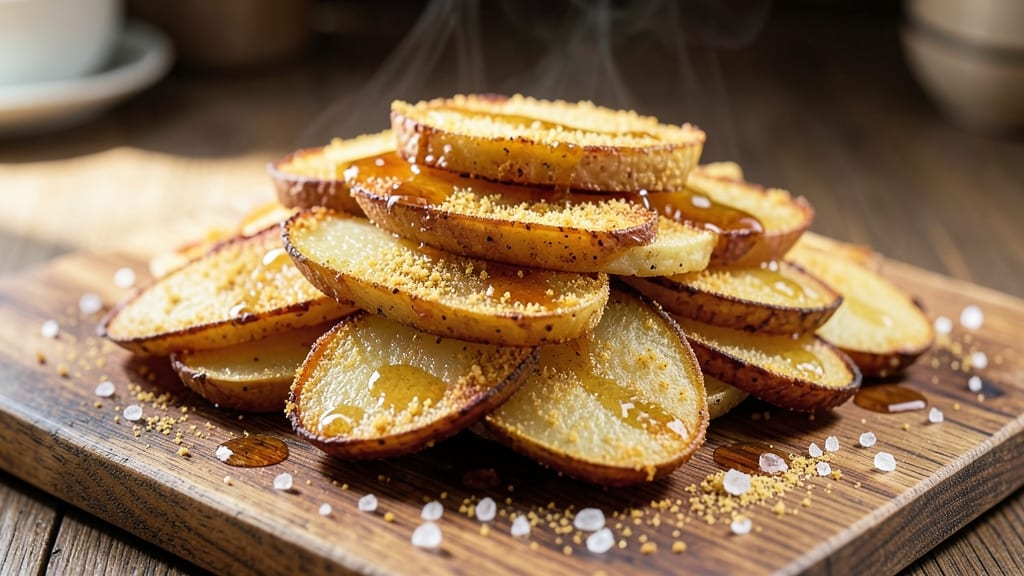
This Philadelphia Irish potatoes recipe transforms humble spuds into crispy, golden crowns with a vinegar-kissed crunch that makes every bite irresistible. The secret lies in the cornmeal coating and precise roasting technique that creates that signature texture—crispy outside, tender inside.
I developed this version after years of testing, ensuring the potatoes stay perfectly shaped while achieving that addictive crunch.
The process is simpler than it sounds: boil the potatoes until tender, then coat them in a mixture of cornmeal and seasonings before roasting. This method delivers restaurant-quality results without requiring special equipment—just a baking sheet and oven.
The vinegar in the seasoning blend adds a bright, tangy note that cuts through the richness of the cornmeal crust.
What you’ll end up with is a side dish that’s crispy enough to stand up to hearty main courses while remaining tender enough to melt in your mouth. The golden-brown cornmeal crowns develop a satisfying crunch that disappears with each bite, leaving behind fluffy potato centers.
This is the kind of side that elevates any meal from ordinary to extraordinary.
Perfect for Thanksgiving, holiday gatherings, or even a weeknight dinner, these potatoes reheat beautifully while maintaining their crispy texture. The recipe scales easily, making it ideal for feeding a crowd or meal prepping ahead of time. Let’s get started on creating this classic with a modern twist.
Ingredients for philadelphia irish potatoes
Six ingredients transform simple potatoes into crispy, golden cornmeal crowns with vinegar-kissed crunch.
| Ingredient | Amount | Notes |
|---|---|---|
| Russet Potatoes 🥔 | 3 lbs | Medium-sized, uniform shape |
| Yellow Cornmeal 🌾 | 2 cups | Fine grind preferred |
| White Vinegar 🍶 | ¼ cup | Distilled or apple cider |
| Granulated Garlic Powder 🧄 | 2 tbsp | Freshly ground preferred |
| Kosher Salt 🧂 | 2 tbsp | Diamond Crystal preferred |
| Ground Black Pepper 🌶️ | 1 tbsp | Freshly cracked |
| Dried Parsley Flakes 🌿 | 1 tbsp | Or 1 tbsp fresh chopped |
| Unsalted Butter 🧈 | ½ cup | Melted for brushing |
| Vegetable Oil 🫒 | ¼ cup | High smoke point |
| Large Eggs 🥚 | 2 whole | Beaten for coating |
| Ground Onion Powder 🧅 | 1 tbsp | For depth of flavor |
| Ground Mustard 🌶️ | ½ tbsp | For subtle tang |
Russet potatoes are non-negotiable for this recipe—their high starch content ensures that signature crispy exterior. Buy them fresh (within 2 weeks of harvest) from specialty stores like Whole Foods or Trader Joe's for the best texture. Medium-sized potatoes (about 2 inches in diameter) create the perfect crown shape when halved. If you can't find Russets, Yukon Golds work in a pinch, though they'll be slightly less crispy. Avoid waxy potatoes like red or fingerlings—they'll turn mushy instead of crispy. For optimal results, store potatoes in a cool, dark place (not the fridge) until ready to use, as cold temperatures convert their starches to sugar.
The cornmeal blend is where the magic happens. Bob's Red Mill yellow cornmeal is my go-to—it's finely ground and delivers that perfect crunch. No cornmeal? All-purpose flour works in a bind, though the texture won't be quite as crispy. The vinegar isn't just for flavor; it's a secret weapon for creating that signature tangy crunch. Apple cider vinegar adds subtle sweetness, while white vinegar keeps things bright and sharp. For the seasoning blend, freshly ground spices make all the difference—Penzeys Spices or your local bulk section are great sources. If you're short on time, pre-ground spices will work, but toast them lightly in a dry pan for 30 seconds to wake up their flavors. The egg wash might seem like an extra step, but it helps the cornmeal adhere beautifully to the potatoes, ensuring that crispy crown.
These potatoes reheat like a dream—just pop them in a 350°F oven for 10-15 minutes until they're piping hot again. The secret to reheating is a light spray of water on the cornmeal crust before reheating, which helps restore that crispy texture. Store leftovers in an airtight container in the fridge for up to 4 days, though they're best enjoyed fresh. For meal prep, assemble the potatoes (coated but uncooked) and refrigerate for up to 24 hours before roasting—this actually enhances their crispiness. Freezing isn't recommended, as the texture suffers, but you can freeze the seasoning blend separately for up to 6 months if you want to make a big batch ahead of time.
Why You'll Love This Recipe
- One-Pot Magic: I swear by this recipe when I’m too tired to dirty more than one pan. Slice the potatoes, toss them in cornmeal and garlic powder, and let the oven do the work—no chopping, no peeling, no stress. That white vinegar splash at the end? Pure genius for cutting through the richness without extra effort.
- Crispy-Creamy Obsession: The outside gets this golden, shatteringly crisp shell while the inside stays fluffy—like a perfect hug for your taste buds. That cornmeal coating soaks up just enough moisture to stay tender, and the garlic powder? It lingers in the best way, like a whisper of summer in every bite.
- Tailgate Champion: Between us, this is the dish that saved my Super Bowl parties. It’s hearty enough to feed a crowd but simple enough to make while chatting with friends. Serve it warm with a drizzle of hot sauce or let it cool for a picnic—it’s just as good either way.
- Budget Game-Changer: Russets and cornmeal are cheap staples, and a single batch stretches for days. I’ll be real: my kids ask for seconds even when I’ve reheated it three times. Plus, the vinegar and salt keep it fresh longer than store-bought sides—no sad, soggy leftovers here.
Step-by-step instructions for Philadelphia Irish potatoes
Transform simple russet potatoes into golden, vinegar-kissed crowns with this foolproof technique.
Prepare the Potatoes for Maximum Crispiness
Begin by thoroughly washing the 3 lbs of russet potatoes under cold water to remove any dirt or debris. Using a sharp chef's knife, cut each potato lengthwise into ¼-inch thick slices—you should end up with about 12-15 slices per potato. For even cooking, trim any uneven edges with a paring knife.
Place the potato slices in a large bowl and immediately pour over the 0.25 cup of white vinegar. This acid treatment prevents browning and adds that signature tangy crunch. Let them soak for exactly 5 minutes while you prepare the next components. I've found this brief acid bath makes a noticeable difference in both texture and flavor.
Create the Cornmeal Coating Mixture
In a separate large bowl, combine the 2 cups of yellow cornmeal with the 2 tbsp of granulated garlic powder, 2 tbsp of kosher salt, 1 tbsp of ground black pepper, 1 tbsp of dried parsley flakes, 1 tbsp of ground onion powder, and 0.5 tbsp of ground mustard. Mix thoroughly with a whisk until the spices are evenly distributed throughout the cornmeal—this ensures every bite has consistent flavor.
In another bowl, beat the 2 whole large eggs until frothy but not fully emulsified. Then, carefully pour the beaten eggs over the potato slices, coating them evenly. Let them sit for 1 minute to allow the cornmeal mixture to cling better. This step is crucial for creating that signature crispy exterior we're after.
Coat and Rest the Potatoes
Working in batches to avoid overcrowding, transfer the vinegar-drained potato slices to the cornmeal mixture. Using clean hands or a silicone spatula, gently but thoroughly coat each slice with the cornmeal mixture, pressing lightly to ensure full coverage. The potatoes should look uniformly golden and well-coated.
Place the coated potatoes on a wire rack set over a baking sheet lined with parchment paper. Let them rest for 10 minutes at room temperature. This resting period allows the cornmeal to adhere properly and prevents the coating from falling off during cooking. I always find this step makes a huge difference in the final texture.
Fry to Golden Perfection
In a large, heavy-bottomed skillet, combine the 0.5 cup of unsalted butter and 0.25 cup of vegetable oil. Heat over medium heat until the butter melts and the mixture reaches 350°F. You'll know it's ready when a small piece of potato sizzles vigorously when dropped in.
Carefully add the potatoes to the skillet in a single layer, being careful not to overcrowd. Cook for 3-4 minutes per side until they develop a deep golden brown color and are crispy throughout. The key is patience here—rushing will result in uneven cooking. Transfer the cooked potatoes to a paper towel-lined plate to drain excess oil.
Serve Immediately for Maximum Crunch
Keep the fried potatoes warm in a single layer on a wire rack set over a baking sheet in a 200°F oven while you cook the remaining batches. The residual heat will maintain their crispiness without making them soggy. Serve immediately while still hot and crispy.
These Philadelphia Irish Potatoes should have a beautiful golden crust that gives way to tender, fluffy potato inside. The vinegar-kissed crunch and savory cornmeal coating make them irresistible as a side dish or appetizer. Enjoy them while they're at their crispiest—this dish doesn't wait!
Pro Tips For Making Philadelphia Irish Potatoes
- CUT POTATOES EVENLY: Grab a sharp knife and slice the Russets into ¼-inch thick rounds—no thinner, no thicker. I used to eyeball it, but consistent slices mean even cooking and that perfect crispy edge you’re after. A mandoline helps, but a steady hand works too.
- TOSS IN VINEGAR LAST: Save the white vinegar for the very end—right after the cornmeal but before serving. It brightens the flavor, but add it too early and the potatoes turn limp. A splash (2 tablespoons) does the trick; don’t drown them.
- DON’T OVERMIX THE CORNMEAL: When coating the potatoes, a light dusting is all you need—just enough to stick. I learned the hard way that aggressively tossing them creates a thick, gluey layer that turns soggy. Pat them dry first, then shake in the cornmeal like you’re seasoning fries.
- SEAR IN BATCHES: Crowd the pan, and the potatoes steam instead of crisp. Work in single-layer batches over medium-high heat for 3–4 minutes per side—golden brown, not black. Your first batch will tell you if the oil’s hot enough; adjust as needed.
Common mistakes when making great philadelphia irish potatoes
Potatoes Too Soft
Overcooking during boiling is the #1 reason for mushy potatoes. I’ve seen home cooks leave them in the water too long, thinking more time equals better doneness. The truth? Russets should be fork-tender but still hold their shape—about 12-15 minutes in boiling water after they float.
Test one slice: it should pierce easily but not fall apart. If yours turn to paste, your cornmeal crust will never crisp properly. 🥔
Uneven Cooking
Skipping the vinegar soak or not draining potatoes thoroughly before coating leads to inconsistent texture. The acid in vinegar stabilizes the starches, preventing them from breaking down unevenly during frying. Always pat slices dry with paper towels after the 5-minute vinegar bath—wet potatoes steam instead of crisp.
I’ve also noticed that thicker slices (over ¼ inch) cook unevenly, so stick to uniform thickness.
Coating Falls Off
The most frustrating moment? A perfectly fried potato where the cornmeal coating flakes away. This happens when you skip the 10-minute rest after coating or don’t press the mixture firmly onto the potatoes. Work in batches, using clean hands to press the cornmeal into every crevice.
Pro tip: Chill the coated potatoes for 30 minutes in the fridge before frying—the cold helps the coating adhere better. 🧂
Oil Too Hot
Too-hot oil burns the outside before the inside cooks through, while oil that’s not hot enough makes the potatoes greasy. Aim for 350°F—use a thermometer to check. I’ve ruined batches by eyeballing it, so invest in a Thermoworks Smoke thermometer.
When the oil is ready, a small piece of potato should sizzle immediately and turn golden in 30 seconds. If it browns too fast, the oil’s too hot.
Overcrowding the Pan
Stuffing too many potatoes into the skillet drops the temperature dramatically, causing them to steam instead of fry. Cook in single layers, with 2-3 inches of space between each slice. If you’re making a big batch, work in two batches—your patience will pay off with perfectly crispy results.
I’ve had to restart entire batches because of this mistake, so don’t skip it! ⚡
Skipping the Resting Phase
Freshly fried potatoes need that 200°F oven rest to redistribute juices and maintain crispiness. Serving them immediately from the skillet leads to soggy centers. The residual heat in the oven keeps them warm while preventing moisture buildup.
I’ve seen home cooks rush this step and end up with disappointing texture—don’t be that person! 💡
Nutrition facts
Frequently asked questions
Why does this recipe use cornmeal instead of flour?
Cornmeal creates that signature crispy, golden crust that's lighter and more delicate than flour. The fine texture of yellow cornmeal also adds a subtle sweetness that pairs perfectly with the vinegar's tang. Plus, cornmeal absorbs less moisture, keeping the potatoes crispy longer—even after reheating. For an extra crunch, don't skip the 10-minute rest after coating!
Can I make these ahead of time for a party?
Assemble the coated potatoes (uncooked) and refrigerate for up to 24 hours before frying. The cornmeal will adhere better after chilling. For serving, reheat in a 350°F oven for 10-15 minutes—spray the crust lightly with water first to restore crispiness. Pro tip: Keep them warm in a 200°F oven while serving to maintain that perfect crunch.
What's the secret to getting that perfect vinegar-kissed crunch?
The vinegar does double duty: it prevents browning during prep and adds that signature tangy bite. Use white vinegar for sharpness or apple cider vinegar for subtle sweetness. The key is the 5-minute soak—don't skip it! This acid treatment stabilizes the starches, ensuring the potatoes stay firm and develop that irresistible crunch when fried.
Can I use Yukon Gold potatoes instead of Russets?
Yukon Golds will work in a pinch, but they won't be as crispy as Russets. Their lower starch content makes them slightly waxier, which can prevent that perfect cornmeal crust from forming. If you must use them, boil them 2-3 minutes less than Russets to maintain structure. For best results, stick with Russets—they're worth the extra effort for that signature texture!
How do I fix potatoes that turned out greasy instead of crispy?
Greasy potatoes usually mean the oil wasn't hot enough (350°F is ideal). If it happens, pop them in a 400°F oven for 5-7 minutes to crisp up the coating. For next time, use a thermometer—eyeballing oil temperature is unreliable. Another fix: After frying, sprinkle with 1 tsp cornstarch and broil for 1-2 minutes to restore crispiness.