
Side Dishes
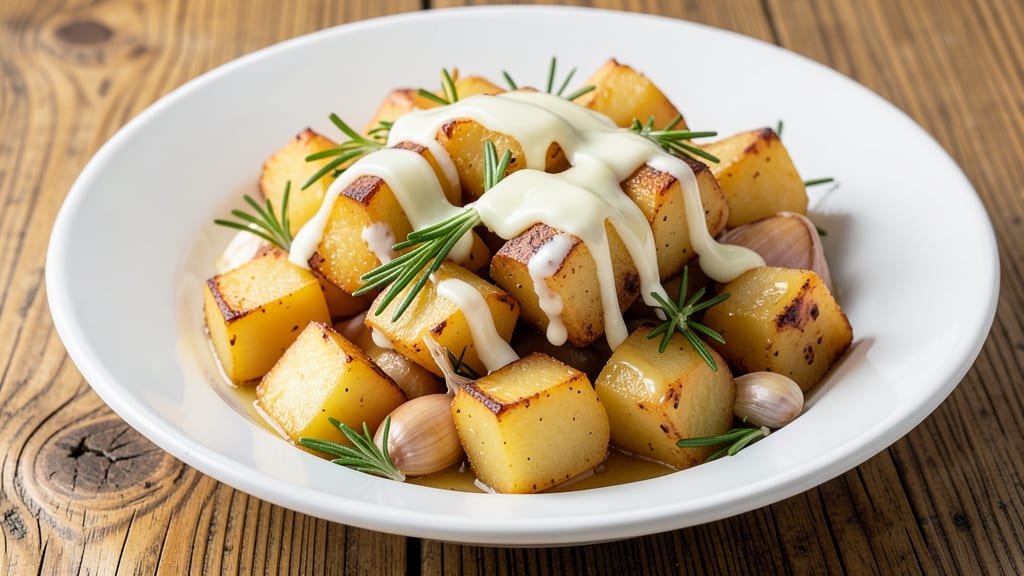
Mastering perfect boiled potatoes means achieving that ideal buttery, fluffy texture without a single gummy bite—something I perfected after years of trial and error in professional kitchens.
The secret lies in precise water preparation, controlled boiling, and proper draining techniques that transform starchy potatoes into a side dish worthy of any restaurant table. This method guarantees results in just 20 minutes, making it ideal for busy weeknights or elegant dinner parties.
What sets this recipe apart is the focus on texture—no more dry, chalky potatoes or soggy centers. By using cold, salted water and a specific boiling technique, you’ll achieve potatoes that are tender all the way through while maintaining their shape.
The key steps, like draining properly and adding butter or herbs while still hot, elevate these potatoes from simple to spectacular. This is the foolproof method I rely on when I need a side dish that’s both impressive and effortless.
The result is a dish that’s creamy on the inside, crisp at the edges, and infused with rich flavor—whether you’re serving them alongside steak, roasted vegetables, or a hearty soup. The buttery finish adds depth, while optional seasonings like rosemary or garlic can customize the flavor to suit any meal.
Once you try this technique, you’ll never settle for anything less than perfect boiled potatoes again.
Perfect for meal prep or last-minute sides, these potatoes reheat beautifully while maintaining their ideal texture. Whether you’re feeding a family or hosting a dinner party, this recipe delivers restaurant-quality results with minimal effort. Let’s get started on creating the best boiled potatoes you’ve ever tasted.
Ingredients for perfect boiled potatoes
Nine simple ingredients transform into restaurant-quality potatoes—creamy, buttery, and never gummy.
| Ingredient | Amount | Notes |
|---|---|---|
| Russet Potatoes 🥔 | 2 lbs | Medium-sized, unpeeled for texture |
| Cold Water 💧 | 8 cups | Tap or filtered preferred |
| Kosher Salt 🧂 | 2 tbsp | Diamond Crystal preferred |
| Unsalted Butter 🧈 | ½ cup | Full-fat for richness |
| Fresh Rosemary 🌿 | 2 sprigs | Or dried at 1 tsp |
| Garlic Cloves 🧄 | 4 cloves | Smashed for infusion |
| Black Peppercorns 🌶️ | ½ tsp | Freshly cracked |
| Lemon Juice 🍋 | 1 tbsp | Brightens flavor |
| Heavy Cream 🥛 | ¼ cup | Optional for extra creaminess |
Russets are your best bet for this recipe—they're starchy enough to hold shape while becoming fluffy inside. Buy them fresh from the grocery store's produce section, not the pre-washed bins (they dry out faster). If you're feeling fancy, grab organic from Whole Foods, but honestly the regular stuff works just as well. The key is medium-sized potatoes—about the size of a tennis ball. Too big and they won't cook evenly; too small and they'll overcook before the centers are done. Trader Joe's has perfect ones in their frozen section if you're short on time, but fresh is ideal for that restaurant-quality texture.
No rosemary? Fresh thyme or even a bay leaf works in a pinch. Short on butter? Olive oil or ghee gives a different but still delicious flavor. The lemon juice is non-negotiable though—it cuts through the richness and keeps the potatoes bright. Want extra creaminess? The heavy cream is your secret weapon (though I usually skip it for a lighter finish). The garlic cloves should be smashed, not minced—this way they infuse the water without turning it into garlic soup. And if you're using dried rosemary, toast it first in a dry pan for 30 seconds to wake up those flavors.
These potatoes reheat like a dream—just pop them in a 350°F oven for 10 minutes with a pat of butter. They'll keep in the fridge for 4-5 days if stored in cold water to prevent browning. For meal prep, I portion them into containers with a little extra butter and rosemary—ready to grab and reheat all week. The secret to storage? Keep them submerged in cold water in the fridge until you're ready to serve. Trust me, this is the only way to keep them from turning into sad, mealy potatoes.
Why You'll Love This Recipe
- Two-Ingredient Core: I swear by this—just potatoes, water, and salt. That’s it. No peeling, no fussing, no fancy gadgets. The secret’s in the cold water and kosher salt: the potatoes stay fluffy inside and just tender enough to hold their shape. Honestly, I make this weekly, and it’s never failed me.
- Rosemary Butter Magic: Between us, the butter and rosemary turn these into something ridiculously good—not just sidekicks. The butter melts into the warm potatoes, and the rosemary? It’s like a little herbal hug. I’ll often add a pinch of black pepper too, but even without, it’s already spot-on.
- Meal Prep MVP: These keep perfectly in the fridge for four days, and reheating? Just a quick toss in the microwave with a splash of water. I prep a big batch on Sundays, and they’re ready for salads, sandwiches, or even a quick breakfast hash. No one ever complains about leftovers here.
- Budget-Friendly Staple: Russets are cheap, and this recipe stretches them far. A single pound feeds four people easily, and the cost per serving? Pennies. Plus, no waste—every bite is usable. I’ll be real: it’s my go-to when I’m pinching pennies but still want something that feels worth it.
Step-by-step instructions for perfect boiled potatoes
Here's the foolproof method for restaurant-quality boiled potatoes every time.
Prepare the Potatoes for Even Cooking
Start by thoroughly rinsing the 2 lbs russet potatoes under cold water to remove any dirt or debris. I like to scrub them gently with my hands while they're in the sink—this ensures they're completely clean before cooking. Once rinsed, cut the potatoes into even 1-inch chunks. Consistency is key here; uniform pieces mean they'll all cook at the same rate and finish perfectly tender.
Place the cut potatoes in a large bowl and add the 8 cups cold water. This pre-soaking step prevents the potatoes from absorbing too much water during the boiling process, which keeps them wonderfully fluffy. Let them soak for 10 minutes while you prepare the rest of your ingredients. Don't skip this step—it makes a noticeable difference in the final texture.
Boil with Herbs and Seasonings
In a large pot with a lid, combine the soaked potatoes, 2 tbsp kosher salt, 2 sprigs fresh rosemary, 4 smashed garlic cloves, and 0.5 tsp black peppercorns. Add enough additional water to cover the potatoes by about 1 inch—this ensures they cook evenly without drying out. Bring the water to a rolling boil over high heat. The moment it reaches a full boil, reduce the heat to medium-high to maintain a gentle but steady simmer.
Cover the pot with the lid and let the potatoes cook for 12-15 minutes. You'll know they're ready when a knife slides in easily with just a little resistance—this indicates they're perfectly tender but not mushy. Here's the thing—don't peek during cooking. Every time you lift the lid, you lose heat and steam, which can lead to uneven cooking. Trust the timing and the knife test for perfect results every time.
Finish with Butter and Cream
Once the potatoes are tender, drain them immediately in a colander. I like to give them a quick shake to remove excess water—this prevents the butter from steaming off instead of sticking to the potatoes. Return the drained potatoes to the now-empty pot and set it over low heat. Add the 0.5 cup unsalted butter and the 1 tbsp lemon juice. Stir gently to coat the potatoes evenly with the butter.
Let the butter melt completely, about 2-3 minutes, then remove the pot from heat. Stir in the 0.25 cup heavy cream (if using) and toss everything together until the potatoes are perfectly coated. The cream adds a luxurious richness that takes these potatoes from good to extraordinary. If you prefer a lighter texture, you can skip the cream, but I highly recommend it for that restaurant-quality finish.
Rest and Serve Immediately
Transfer the buttery potatoes to a serving dish and let them rest for 5 minutes. This resting period allows the flavors to meld together and the potatoes to absorb all that delicious butter. Don't skip this step—it's what transforms good boiled potatoes into perfect ones. During this time, you can prepare your favorite sides or simply enjoy these potatoes as a satisfying side dish.
Serve the potatoes immediately while they're still warm and buttery. The aroma alone will have everyone at the table anticipating the first bite. These potatoes have a flawless texture—creamy on the inside with a slight bite, and they're infused with the bright flavors of rosemary, garlic, and lemon. Trust me, this method delivers results that will impress even the most skeptical eaters.
Pro Tips For Making Perfect Boiled Potatoes
- USE A POT BIGGER THAN YOU THINK: Russets double in size—trust me, I’ve watched them burst out of pots like overstuffed sausage links. Fill the pot no more than halfway with cold water, but leave room. Crowding turns your fluffy potatoes into gluey mash, and nobody wants that.
- SALT THE WATER LIKE THE OCEAN: Taste the water before adding potatoes—it should be as salty as tears after crying over bad news. Aim for 1½–2 tablespoons kosher salt per pound of potatoes. Under-salting means bland spuds; over-salting (yes, it’s possible) turns them into sad, wrinkled husks.
- TEST DONENESS WITH A SKEWER, NOT TIME: After 15–20 minutes, stab a potato with a fork or skewer—it should slide in like butter. If it fights back, give it more time. Russets finish cooking even after you drain them, so pull them out when they’re just tender, not mushy. (I learned this after serving a side of sad, overcooked potatoes.)
- DRAIN AND REST UNDER FOIL: Dumping hot potatoes into a cold colander shocks them and turns them gummy. Instead, drain them, then spread on a baking sheet and tent loosely with foil for 5 minutes. This locks in moisture while the butter and rosemary melt into every crevice—no more dry, crumbly spuds. (Yes, even if you’re impatient like me.)
Troubleshooting great perfect boiled potatoes
Water Temperature Issues
If your potatoes turn out gummy or mealy, it’s likely because the water wasn’t cold enough to start. Always use cold water—never hot—to prevent the potatoes from absorbing too much water and becoming mushy.
I’ve learned this the hard way: starting with hot water can break down the starches too quickly, leading to a sad, gluey texture. For extra insurance, I add an ice cube or two to the water before boiling—this keeps the temperature low enough to preserve that perfect fluffiness. 💧
Uneven Cooking
Potatoes cooking at different rates? Uneven chunks are the culprit. Cut them into consistent 1-inch pieces—no larger, no smaller. I use a mandoline slicer for precision, but a sharp knife works too.
Also, avoid overcrowding the pot: cook in batches if needed, leaving at least 1 inch of space between potatoes. This ensures even heat distribution and prevents some pieces from steaming while others boil. Trust me, this small step makes all the difference in texture.
Potatoes Stick to Pot
Sticky potatoes usually mean the pot wasn’t big enough or the water wasn’t salty enough. Use a large pot with a lid (I prefer All-Clad stainless steel) and add 2 tbsp kosher salt to the water—this raises the boiling point slightly and prevents sticking.
If they still cling, parboil them for 2 minutes in salted water before adding herbs and finishing. This creates a slight barrier that keeps them from gluing to the bottom. A quick shake of the colander after draining also helps loosen any stubborn bits.
Dull or Bland Flavor
If your boiled potatoes taste flat, the issue is likely under-seasoning or poor herb infusion. Always smash garlic cloves (don’t mince them) and add fresh rosemary sprigs directly to the boiling water—this infuses the potatoes with flavor as they cook.
For extra depth, I add a bay leaf or a pinch of smoked paprika to the water. After draining, finish with butter, lemon juice, and cracked black pepper while the potatoes are still hot—this brightens and enhances their natural taste. 🌿
Overcooked or Mushy Texture
Overcooked potatoes are a common mistake, but it’s easy to fix. The key is timing: 12-15 minutes is the sweet spot for 1-inch chunks of russet potatoes. Use a knife test—if it slides in with slight resistance, they’re perfect. If they’re still firm, cook another 2-3 minutes.
For reheating, never microwave them directly—always warm them in a 350°F oven for 10 minutes with a pat of butter to restore their creamy texture. Pro tip: Soak cooked potatoes in cold water if storing them to prevent browning.
Butter Not Sticking
Butter sliding off your potatoes? This happens when they’re still too wet after draining. After shaking them in the colander, pat them dry with a clean kitchen towel before adding butter.
I also like to return them to the empty pot (off the heat) to melt the butter—this traps the steam and ensures the butter clings beautifully. For extra richness, toss in heavy cream at the end, but only if you’re serving them immediately.
If storing, hold off on the cream until reheating to keep them fresh. ✨
Nutrition facts
Frequently asked questions
Why do I need to soak the potatoes before boiling?
Soaking removes excess starch that would otherwise make your potatoes gummy. The 10-minute cold water soak helps them absorb just the right amount of water during boiling, resulting in that ideal fluffy texture. It's a game-changer for restaurant-quality results at home!
Can I use waxy potatoes like Yukon Gold instead of russets?
Waxy potatoes like Yukon Gold won't give you the same creamy interior, but they'll still work if you want a firmer bite. For the perfect buttery texture, stick with russets—they're starchy enough to become tender inside while holding their shape. If you're short on russets, try red potatoes for a slightly different texture.
How do I know when the potatoes are perfectly cooked?
Use the knife test: insert a fork or knife into the thickest piece—it should slide in easily with just slight resistance. For 1-inch chunks, this happens at 12-15 minutes. Never peek while boiling—each time you lift the lid, you lose heat and steam, which can lead to uneven cooking. Trust the timing!
Can I make these potatoes ahead of time?
Yes! Store cooked potatoes in cold water in the fridge for up to 4-5 days to prevent browning. Reheat in a 350°F oven for 10 minutes with a pat of butter—they'll regain their creamy texture. For meal prep, portion them into containers with extra butter and herbs, then store submerged in cold water until ready to serve.
What if my potatoes turn out dry or mealy?
This usually means they were overcooked or absorbed too much water. Next time, use cold water (never hot) and stick to the 12-15 minute window. For extra insurance, add an ice cube to the boiling water. If they're already dry, try reheating them with a splash of milk or cream to restore moisture.