
Side Dishes
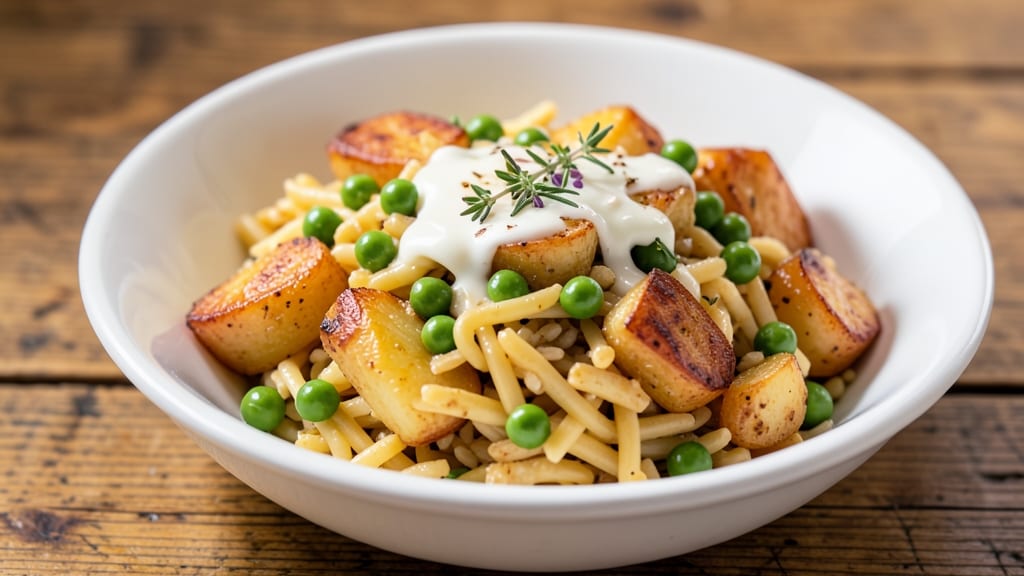
This one-pot pasta with peas and potatoes delivers restaurant-style comfort in just 25 minutes—no fuss, no cleanup, and no compromise on flavor.
The secret lies in simmering everything together until the potatoes soften, the peas burst with sweetness, and the pasta absorbs a rich, creamy broth that feels indulgent yet stays vegetarian-friendly. I developed this dish after realizing how often simple ingredients could create something unexpectedly satisfying.
The beauty of this recipe is its balance—creamy without heavy cream, hearty without being heavy, and packed with seasonal vegetables that shine. You'll use just five core ingredients (plus pantry staples), and the one-pot method ensures minimal effort while maximizing flavor.
The peas add freshness, the potatoes bring heartiness, and the pasta ties it all together in a velvety sauce that coats every bite.
What you end up with is a dish that tastes like it simmered for hours—golden potatoes, vibrant peas, and al dente pasta all swimming in a sauce that's rich yet light.
It's the kind of meal that feels like a hug on a plate, perfect for weeknight dinners or bringing to gatherings where you want to impress without stressing. The best part? Leftovers reheat beautifully, making it an even smarter choice.
Serve it as a main dish with a sprinkle of fresh herbs or a drizzle of olive oil, or pair it with grilled chicken for a complete meal. The versatility is part of what makes this recipe shine—simple enough for everyday, special enough for company. Let's get cooking!
Ingredients for pasta with peas and potatoes
Twelve simple ingredients transform into creamy, comforting one-pot pasta with vibrant peas and tender potatoes.
| Ingredient | Amount | Notes |
|---|---|---|
| Medium Potatoes 🥔 | 1 ½ lb | Yukon gold or red preferred, cubed evenly |
| Fresh Peas 🌱 | 1 cup | Frozen works in a pinch, thawed |
| Short Pasta 🍝 | 12 oz | Penne or farfalle preferred, uncooked |
| Vegetable Broth 💧 | 3 cups | Low-sodium preferred, homemade or quality brand |
| Heavy Cream 🥛 | ½ cup | Full-fat for optimal creaminess |
| Garlic Cloves 🧄 | 3 cloves | Fresh, minced for aromatic depth |
| Extra-Virgin Olive Oil 🫒 | 2 tbsp | High-quality, fruity variety |
| Diamond Crystal Kosher Salt 🧂 | 1 ½ tsp | Adjust to taste, fine grain preferred |
| Fresh Thyme Leaves 🌿 | ¼ cup | Or 1 tbsp dried thyme if unavailable |
| Fresh Lemon Juice 🍋 | 1 tbsp | Brightens the dish, freshly squeezed |
| Grated Parmesan Cheese 🧀 | ½ cup | Freshly grated from block preferred |
| Fresh Basil Leaves 🌿 | ¼ cup | Chopped for garnish, optional |
The potatoes and peas form the heart of this dish, so prioritize quality. Yukon gold potatoes deliver a creamy texture when cooked, while fresh peas add sweetness that frozen can't fully replicate. For the best results, source peas from a local farmers market during their season—Lund's or Trader Joe's are reliable grocery options. The pasta should be short and sturdy like penne or farfalle to hold its shape while absorbing the rich broth. If using frozen peas, thaw them completely before adding to the pot to prevent a watery texture. The vegetable broth is non-negotiable for a vegetarian dish—Pacific Foods or Imagine brands offer excellent low-sodium options that enhance rather than overpower the natural flavors.
No fresh thyme? Dried thyme at one-third the amount works perfectly, though fresh imparts a more vibrant aroma. Short on heavy cream? Full-fat coconut milk provides a similar richness, though the flavor profile shifts slightly. The lemon juice serves as both a brightener and a preservative—freshly squeezed is ideal, but bottled works in a pinch. For the Parmesan, grate it yourself from a wedge rather than using pre-shredded, which contains anti-caking agents that prevent proper melting. The olive oil should be extra-virgin with noticeable peppery notes—California-based brands like Corto or Colavita excel in this category. If you're watching calories, you can reduce the heavy cream to 1/4 cup and add an extra 1/4 cup of vegetable broth, though the dish will be slightly less velvety.
This dish reheats beautifully—simply add a splash of water or broth when warming to prevent drying out. Store in an airtight container in the refrigerator for up to 4 days, though it's best enjoyed within 2 days for optimal texture. For longer storage, freeze portions for up to 3 months. To reheat from frozen, thaw overnight in the fridge, then warm gently on the stove with a splash of broth. The pasta's al dente quality holds up remarkably well, making this an excellent make-ahead option for busy weeknights. For serving, garnish with fresh basil and an extra sprinkle of Parmesan—the contrast of colors makes the dish visually appealing, which is especially important when serving to guests.
Why You'll Love This Recipe
- One-Pot Magic: I swear by this recipe when I’m too tired to juggle three pans. Toss everything—potatoes, peas, pasta—into boiling broth, and let the stovetop do the work. The potatoes soften while the pasta cooks; no stirring, no stress, just done.
- Creamy Comfort: That splash of heavy cream at the end? It turns this into something richer than takeout. The peas stay bright, the potatoes get buttery, and the broth soaks into the pasta like a hug. Honestly, it’s the kind of dish that makes me forget I’m eating veggies.
- Lunchbox Hero: Between us, this is my go-to for meal prep. The leftovers reheat like a dream—no soggy pasta here—and the flavors only get better the next day. Pack it cold for lunch or serve it warm for dinner; it’s that adaptable.
Step-by-step instructions for one-pot creamy pasta with peas and potatoes
This method delivers restaurant-quality comfort in a single pot with minimal cleanup and maximum flavor.
Sauté Aromatics and Potatoes for Rich Foundation
Heat the 2 tablespoons extra-virgin olive oil in a large, deep pot over medium-high heat until shimmering. Add the 3 minced garlic cloves and 0.25 cup fresh thyme leaves, cooking for 30 seconds until fragrant—this prevents bitter garlic notes. Immediately add the 1.5 lb cubed medium potatoes, tossing to coat evenly in the oil.
Sauté for 5-6 minutes until the potatoes develop light golden spots on the edges. This initial browning creates depth of flavor that carries through the entire dish. Stir occasionally to ensure even contact with the pan. The potatoes should soften slightly but remain firm to the touch—this ensures they'll finish cooking perfectly in the broth.
Build Flavor with Broth and Pasta
Pour in the 3 cups vegetable broth and bring to a gentle simmer over medium heat. Add the 12 oz short pasta and 1 cup fresh peas, stirring to distribute everything evenly. The pasta should be fully submerged in the liquid—this prevents sticking and ensures even cooking.
Simmer uncovered for 10-12 minutes until the potatoes are fork-tender (a knife should slide in easily) and the pasta is al dente. Taste the broth—it should be seasoned but not overly salty. If needed, add the remaining 1.5 teaspoons diamond crystal kosher salt now. The peas should be bright green and tender-crisp, not mushy.
Finish with Cream and Acid for Creamy Texture
Reduce heat to low and stir in the 0.5 cup heavy cream and 1 tablespoon fresh lemon juice. The acidity brightens the dish while the cream adds luxurious body. Let the mixture simmer gently for 2-3 minutes until the sauce thickens slightly and coats the back of a spoon. This creates that signature creamy consistency without making the dish heavy.
Here's the thing—don't walk away. The sauce should thicken just enough to cling to the pasta and vegetables but remain silky, not gluey. If it thickens too quickly, add 2-3 tablespoons of pasta water to adjust the consistency. Stir in 0.5 cup grated parmesan cheese until melted and smooth throughout.
Garnish and Serve Immediately
Remove from heat and let the mixture rest for 1 minute to allow the flavors to meld. Transfer to serving bowls and garnish with 0.25 cup chopped fresh basil leaves. The basil adds a fresh contrast to the creamy richness and brightens the entire dish. Serve immediately while the pasta is hot and the sauce is at its peak creamy texture.
This one-pot method delivers all the comfort of a creamy pasta dish with minimal effort. The potatoes add hearty substance, the peas bring freshness, and the thyme-infused broth ties everything together. Each bite should balance creamy, savory, and slightly tangy elements perfectly—just like a well-made restaurant dish.
Pro Tips For Making Pasta With Peas And Potatoes
- Parboil Potatoes First: Toss your medium potatoes in boiling water for 5 minutes before adding them to the pasta pot. This guarantees even cooking later—no one wants a mushy potato or a rock-hard bite in the same dish. (Yes, even if you’re impatient like me.)
- Shock Peas Immediately: Dump fresh peas straight from the pod into ice water the second they’re shelled. It stops them from turning to mush in the pot—no one appreciates a sad, limp pea in a creamy dish. (And skip this if using frozen; they’re already pre-shocked.)
- Salt the Broth Hard: Add twice the usual salt to the vegetable broth while it simmers. The pasta and potatoes will absorb flavor like sponges, and you’ll taste the difference—especially when that heavy cream comes in. (Your future self will notice.)
- Finish with Cream Off Heat: Stir in the heavy cream after removing the pot from the heat. It keeps the sauce from curdling or splitting, and the texture stays velvety instead of grainy. (I learned this the hard way—don’t rush it.)
Perfect pairings for pasta with peas and potatoes
Herb-Infused Bread
Freshly baked sourdough or focaccia with rosemary and garlic adds a rustic touch that complements the dish beautifully. I like to toast slices until crispy and rub them with a garlic clove and extra-virgin olive oil—the aromatic notes harmonize perfectly with the thyme in the pasta.
For extra flair, sprinkle with flaky sea salt right before serving. 🥖
Simple Arugula Salad
A bright arugula salad with lemon vinaigrette cuts through the richness of the creamy pasta. Toss 4 cups baby arugula with 2 tbsp olive oil, 1 tbsp fresh lemon juice, ½ tsp Dijon mustard, and a pinch of salt.
Top with ¼ cup shaved Parmesan and ½ cup toasted pine nuts for crunch. The peppery greens provide a refreshing contrast to the hearty pasta. 🌿
Crispy Prosciutto
For a vegetarian-friendly twist, use crispy fried shallots or toasted breadcrumbs instead of meat. If you want to add protein, try grilled halloumi cheese—its salty, slightly caramelized exterior pairs wonderfully with the creamy pasta.
Another great option is crispy chickpeas tossed in olive oil and smoked paprika for a savory crunch. 🌶️
Roasted Vegetable Medley
Roasted zucchini, bell peppers, and cherry tomatoes add vibrant colors and textures to your meal. Toss 1 cup each of cubed vegetables with 1 tbsp olive oil, ½ tsp Italian seasoning, and ¼ tsp salt.
Roast at 400°F for 20 minutes until tender and slightly caramelized. The sweetness of the roasted veggies balances the creamy pasta beautifully. 🍅
Garlic-Kissed Green Beans
Blanched green beans tossed with 1 minced garlic clove, 1 tbsp butter, and a squeeze of lemon juice make a quick and elegant side. Cook the beans in boiling water for 3 minutes, then shock in ice water to preserve their vibrant color.
The crisp-tender texture and bright flavor make them a perfect accompaniment. 💚
Creamy Polenta
For a more indulgent pairing, serve the pasta alongside creamy polenta. Cook 1 cup polenta in 4 cups vegetable broth over medium heat, stirring constantly for 20 minutes until thick and smooth.
Stir in 2 tbsp butter and ¼ cup grated Parmesan. The silky texture of the polenta complements the pasta's creaminess while adding a comforting element. 🥣
Nutrition facts
Frequently asked questions
Can I use frozen peas instead of fresh?
Frozen peas work perfectly in this recipe. Just thaw them completely before adding to the pot to prevent a watery texture. For best results, pat them dry gently with a paper towel to remove excess moisture. The flavor won't be identical to fresh peas, but they'll still add sweetness and texture to your dish.
What's the best potato variety for this recipe?
Yukon gold potatoes are ideal—they hold their shape while becoming creamy when cooked. Red potatoes work too but may fall apart more easily. Avoid russet potatoes, as they're too starchy and dry for this creamy dish. Cube them evenly (about 1-inch pieces) for consistent cooking.
How can I make this dish dairy-free?
Replace the heavy cream with ½ cup full-fat coconut milk and omit the Parmesan. For extra richness, stir in 2 tablespoons nutritional yeast after cooking. The sauce will be lighter but still flavorful. The lemon juice and thyme will keep the dish bright and aromatic.
Why does my sauce turn out too thick?
This usually happens if the sauce simmers too long after adding cream. The fix is simple: stir in 2-3 tablespoons of pasta water to loosen the sauce. For prevention, remove the pot from heat as soon as the sauce coats the back of a spoon—it will thicken slightly more while resting. If it's still too thick, a splash of warm vegetable broth works too.
Can I prep this ahead of time?
Yes! This dish reheats beautifully. Cook it completely, then store in an airtight container in the fridge for up to 4 days. To reheat, add 2 tablespoons of water or broth per serving and warm gently on the stove, stirring occasionally. For freezing, portion before adding cream and freeze for up to 3 months. Thaw overnight in the fridge before reheating.