
Side Dishes
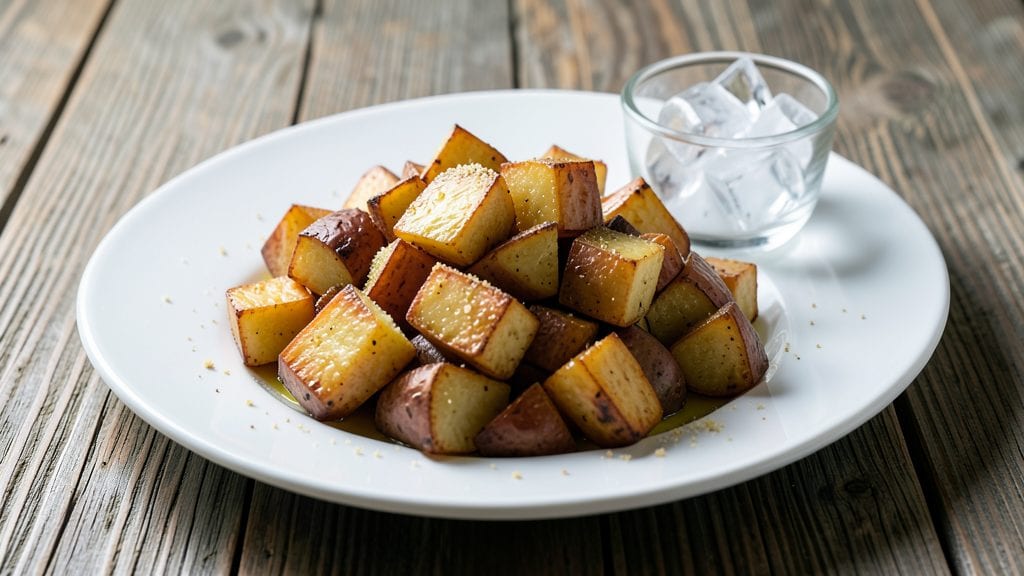
Mastering parboiled potatoes transforms your roasted sides from ordinary to exceptionally crispy—the secret lies in precise timing and water control. This method guarantees potatoes that stay tender inside while developing a golden, caramelized crust when finished.
I’ve perfected it over countless batches, and the difference is night-and-day compared to skipping the pre-cook.
The process starts with boiling whole potatoes in salted water until they’re fork-tender but still firm—about 8-10 minutes for medium potatoes. Draining and shocking them in ice water stops the cooking, preserving texture for roasting or mashing later.
This step is critical: too long, and they’ll turn mushy; too short, and they won’t crisp properly.
What you’ll end up with is a foolproof foundation for roasted potatoes, hash browns, or even mashed potatoes that hold their shape. The parboiling removes excess starch, ensuring crispy edges and a perfectly tender bite. No more soggy sides or uneven cooking—just restaurant-quality results every time.
Once parboiled, you can roast them at high heat for extra crispiness or mash them for creamy texture. The method also works for storage—parboiled potatoes keep for days in the fridge, ready to finish cooking whenever you’re ready. Let’s get started with the exact technique.
Ingredients for parboil potatoes
Two pounds of potatoes and a handful of simple ingredients. That's all it takes to transform your sides into crispy perfection.
| Ingredient | Amount | Notes |
|---|---|---|
| Russet Potatoes 🥔 | 2 lb | Medium size, unpeeled, cut into even 1-inch pieces |
| Cold Water 💧 | 8 cups | For shocking after boiling |
| Diamond Crystal Kosher Salt 🧂 | 1 ½ tbsp | For boiling water, adjust to taste |
| Ice Cubes ❄️ | 2 cups | Or use cold water for shocking |
| Extra-Virgin Olive Oil 🫒 | 2 tbsp | For tossing after parboiling |
| Garlic Powder 🧄 | ½ tsp | Optional, for seasoning |
| Fresh Rosemary 🌿 | 1 tbsp | Chopped, optional herb |
| Black Pepper 🌶️ | ¼ tsp | Freshly ground for finishing |
| Butter 🧈 | 2 tbsp | Unsalted, for optional finishing |
Russets are your best bet—their high starch content makes them ideal for crisping. Grab a 5-pound bag from Costco for bulk savings, or the pre-cut 2-pound bags at Trader Joe's if you're short on time. Avoid red potatoes; they're too waxy and won't crisp the same way. For even cooking, cut them into 1-inch chunks—no smaller, or they'll turn to mush. The key is uniformity: if some pieces are tiny, toss them aside or save for mashing. And don't peel them! The skin adds texture and keeps them from falling apart during parboiling.
No ice cubes? Cold water works just as well—just fill a large bowl and plunge the drained potatoes in immediately. For extra flavor, swap garlic powder for 1/2 tsp fresh minced garlic when tossing with olive oil. Short on rosemary? Thyme or parsley work perfectly—just use the same amount. The butter at the end is optional but worth it (trust me on the full-fat version). If you're prepping for roasting, skip the herbs and just use olive oil and salt. For mashing, you can add 1/4 cup milk or cream after parboiling—just don't overdo it or you'll dilute the flavor.
Parboiled potatoes keep 5-6 days in the fridge, stored in a sealed container with a paper towel to absorb moisture. For longer storage, freeze them in a single layer on a tray first, then transfer to a bag—they'll last 3 months this way. The best part? You can finish them however you like: roast at 425°F for 25-30 minutes for crispy edges, or mash with butter and warm milk for creamy texture. I like to portion them into individual containers so I can grab exactly what I need for meals or sides.
Why You'll Love This Recipe
- No-Peel Hassle: I swear by this trick—skip the peeling entirely. Russets hold up perfectly when parboiled, and the skin stays intact for that rustic texture. (Yes, even on a Tuesday night when I’m too tired to scrub potatoes.)
- Crispy-Creamy Magic: That ice bath? Total game-changer. The potatoes finish with a crispy edge and a fluffy center—like a hug from a starchy friend. Drizzle them with olive oil afterward, and suddenly, they’re ridiculously good.
- Meal Prep MVP: Parboiled potatoes last in the fridge for days, ready to toss into salads, roasts, or even breakfast hash. I make a big batch on Sunday so I’m never scrambling midweek—just reheat and eat.
- Budget Stretch: Russets are cheap, and this method turns them into a blank canvas for any meal. Need filling sides? Done. Craving a quick snack? Done. It’s my secret weapon for stretching groceries without sacrificing flavor.
Step-by-step instructions for parboiled potatoes
This method guarantees perfectly pre-cooked potatoes with a crispy exterior and tender interior every time.
Prepare the Potatoes and Boiling Water
Start by cutting the 2 lb russet potatoes into even 1-inch pieces. I use a sharp chef's knife for this—it gives you cleaner cuts and prevents the potatoes from breaking apart. Spread the cut potatoes on a baking sheet and toss them with the 2 tbsp extra-virgin olive oil. This creates a light barrier that helps develop crispiness during the parboiling process.
While the potatoes rest, bring 8 cups cold water to a boil in a large pot. Add the 1.5 tbsp diamond crystal kosher salt and stir until fully dissolved. You want the water to taste like the ocean—this ensures proper seasoning throughout the potatoes. The salt also helps break down some of the starches on the surface, which contributes to that coveted crispy texture later.
Parboil Until Fork-Tender
Carefully add the oiled potato pieces to the boiling water. Stir gently to prevent sticking, then let them cook for exactly 8 minutes. You'll know they're ready when a knife slides in easily but still offers slight resistance. The potatoes should be about 75% cooked at this stage—firm to the bite but not fully tender.
This partial cooking step is crucial. It jumpstarts the doneness while preventing the potatoes from overcooking when you finish them later. Don't skip this timing—undercooked potatoes won't crisp properly, and overcooked ones will turn mushy. The key is that fork test: the knife should go in smoothly but not find complete resistance.
Shock in Ice Water
Immediately after parboiling, drain the potatoes and transfer them to a large bowl. Add 2 cups ice cubes and stir gently to distribute evenly. The water should turn cloudy as it absorbs the starches released during cooking. This ice bath stops the cooking process instantly and firms up the potatoes, preventing them from becoming gummy.
Let the potatoes sit in the ice water for 5 minutes while you prepare your finishing seasonings. This shocking step also helps set the texture—potatoes that aren't shocked properly will continue cooking unevenly when you roast them later. The temperature contrast is what creates that perfect balance between crispy exterior and tender interior.
Season and Finish with Optional Butter
Drain the shocked potatoes thoroughly in a colander, shaking gently to remove excess water. Return them to the baking sheet and toss with the 0.5 tsp garlic powder, 1 tbsp chopped fresh rosemary, and 0.25 tsp black pepper. The rosemary adds a lovely herbal note that pairs perfectly with the crispy texture, while the garlic powder gives subtle depth without overpowering.
For extra richness, melt the 2 tbsp butter in a small saucepan over low heat until just melted but not browned. Drizzle this over the seasoned potatoes and toss gently to coat. The butter adds another layer of flavor and helps create that golden, crispy crust when you roast them later. If you're using these immediately, you can skip the butter and add it after roasting for maximum crispiness.
Roast for Maximum Crispiness (Optional Final Step)
Preheat your oven to 425°F. Arrange the seasoned potatoes in a single even layer on a baking sheet, leaving about ½ inch between each piece. Roast for 20-25 minutes, stirring once halfway through, until they're golden brown and crispy on the edges. The parboiling ensures they finish cooking perfectly without drying out, while the high heat creates that desirable crunch.
You'll know they're done when the edges are deep golden brown and the potatoes are fork-tender throughout. The crispy exterior should contrast beautifully with the tender interior. These potatoes are now ready to serve as a side dish or use in salads, casseroles, or any recipe that calls for perfectly cooked spuds.
Pro Tips For Making Parboil Potatoes
- USE A LARGE POT: Russets double in size when parboiled—fill your pot with at least 3 inches of cold water, or you’ll end up with potatoes floating like sad, half-cooked buoys. I learned this the hard way when my first batch turned into a science experiment in uneven cooking.
- SALT THE WATER LIKE THE OCEAN: Diamond Crystal kosher salt is lighter than table salt—add 1 tablespoon per gallon of water (about 1½ teaspoons per quart). Too little salt won’t flavor the potatoes, and too much will make them bitter. Trust me, your taste buds will notice.
- TEST DONENESS WITH A KNIFE: After 10–12 minutes in boiling water, pierce a potato with a knife—it should slide in easily with light resistance. If it’s still springy, give it 2–3 more minutes. Rushing this step means your potatoes will turn to mush later, and nobody wants that.
- SHOCK WITH ICE, NOT RUNNING WATER: Dump the cooked potatoes into a bowl of ice water (not under a running tap) to stop cooking instantly. This keeps them firm and prevents them from overcooking while you prep the next steps. Plus, it’s way less messy than a sink full of splashing potatoes.
Wine and beer pairings for this parboil potatoes
Crispy Roast Pairings
Parboiled potatoes roasted to crispy perfection pair beautifully with herbaceous white wines like Sauvignon Blanc from New Zealand. The wine’s zesty citrus and grassy notes cut through the richness of the butter and olive oil, while its acidity balances the earthy potatoes.
I love a chilled Cloudy Bay Sauvignon Blanc—it’s crisp enough to refresh your palate between bites. 🍷
Herb-Infused Beer Matches
For beer lovers, a Belgian witbier like Stella Artois Wit brings complementary flavors with its coriander and orange peel notes. The slight citrus tang mirrors the rosemary in the potatoes, while the effervescence cleanses your palate.
If you prefer something bolder, try a German Helles Lager—its malty sweetness contrasts nicely with the crispy edges. 🍺
Rich Steak Complements
These potatoes make an ideal side for grilled steaks, especially when paired with a Cabernet Sauvignon from Napa Valley. The wine’s dark fruit and tannins stand up to the buttery potatoes while the acidity keeps your mouth refreshed.
I recommend a Caymus Vineyards bottle—it’s rich enough to complement the dish without overpowering it.
Light Salad Contrast
For a lighter meal, serve your parboiled potatoes alongside a goat cheese salad with arugula and a dry Riesling. The wine’s bright acidity and slight sweetness balance the savory potatoes, while the creamy goat cheese adds another layer of texture.
A Dr. Loosen Blue Slate Riesling from Germany is my go-to for this pairing.
Spicy Dish Balance
If you’re serving these with spicy dishes like chili or curry, a Malbec from Argentina provides the perfect counterpoint. Its dark fruit and soft tannins smooth out the heat while complementing the potatoes’ crispy texture.
Try a Catena Zapata Malbec—it’s bold enough to stand up to spice but still lets the potatoes shine. 🌶️
Nutrition facts
Frequently asked questions
Why parboil potatoes before roasting?
Parboiling creates the perfect foundation for crispy roasted potatoes by pre-cooking them to 75% doneness. This method removes excess starch, preventing soggy centers while allowing the exterior to develop a golden, caramelized crust when roasted. The ice bath after boiling also firms up the texture, ensuring even cooking and maximum crispiness.
Can I use red potatoes instead of russets?
Red potatoes won't achieve the same crispy texture because they're waxier and lower in starch. For best results, stick with russets or Yukon Golds. If you must use reds, parboil them 2-3 minutes longer and roast at 400°F for extra time to compensate for their denser skin.
How long can I store parboiled potatoes?
Store them in an airtight container with a paper towel for 5-6 days in the fridge. For longer storage, freeze them in a single layer first, then transfer to a bag—they'll keep for 3 months. Thaw overnight in the fridge before finishing with roasting or mashing. The texture holds up well when reheated properly.
What if my parboiled potatoes turn out mushy?
Overcooking during parboiling is the most likely cause. Always test with a fork after 8 minutes—they should be fork-tender but still firm. If they're mushy, you likely overcooked them. For next time, reduce time to 6-7 minutes and shock immediately in ice water. The key is stopping the cooking process instantly with the ice bath.
Can I parboil potatoes ahead of time for a holiday meal?
Parboiling makes meal prep a breeze. Cook them up to 3 days ahead**, store in the fridge, then roast or mash when ready. This is especially helpful for large gatherings. Just remember to shock them properly and store in a sealed container with a paper towel to absorb moisture.