
Side Dishes
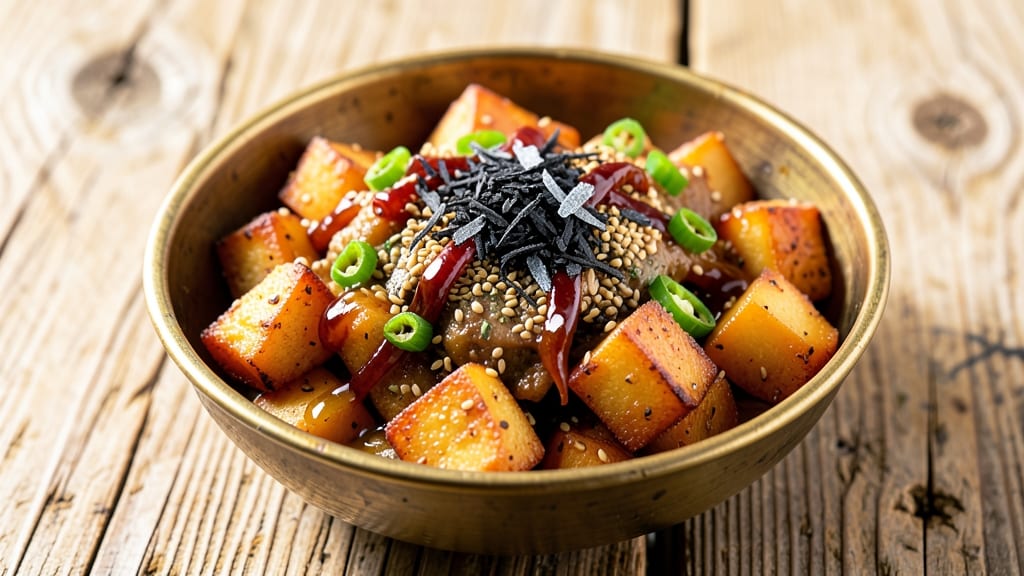
This pani puri potato filling recipe delivers the perfect balance of spicy, tangy, and crunchy flavors that make every bite unforgettable. The secret lies in boiling potatoes just right—firm enough to hold shape but tender enough to soak up the bold spices.
I’ve perfected this filling over years of street food cravings, ensuring each ingredient plays its part without overpowering the others. The tamarind-tang twist elevates it from ordinary to extraordinary, making it the star of any pani puri assembly.
What sets this recipe apart is the careful spice blend—cumin for earthiness, coriander for freshness, and black salt for that signature tangy kick. The potatoes are soaked in cold water after boiling to remove excess starch, guaranteeing a crisp texture that stands up to the vibrant flavors.
This method isn’t just traditional; it’s foolproof, delivering restaurant-quality results at home with minimal effort. The filling stays fresh for hours, making it ideal for parties or late-night cravings.
By the time you’re done, you’ll have a filling so flavorful it transforms simple pani puri into a gourmet experience. The tamarind adds a bright, citrusy contrast to the smoky spices, while the chaat masala sprinkle on top brings everything together in a burst of crunch and flavor.
Serve it with pani (the tangy water) or tamarind chutney for the full street-food sensation. Let’s get started on this crowd-pleaser.
For those who love customization, this filling works just as well in crispy puris, samosas, or even as a side for grilled meats. The versatility is what makes it a kitchen staple—simple enough for weeknights but impressive enough for guests.
Trust me, once you taste the difference between store-bought and homemade, you’ll never go back.
Ingredients for pani puri potato filling
Pantry staples plus a few specialty spices for that authentic street-food punch.
| Ingredient | Amount | Notes |
|---|---|---|
| Russet Potatoes 🥔 | 2 ½ lbs | Medium size, peeled and cubed |
| Green Chillies 🌶️ | 4 whole | Fresh, finely chopped |
| Tamarind Paste 🍋 | 2 tbsp | Adjust for tanginess |
| Ground Cumin Seeds 🌿 | 1 tsp | Toasted for deeper flavor |
| Ground Coriander 🌿 | 1 ½ tsp | Freshly ground preferred |
| Black Salt (Kala Namak) 🧂 | ½ tsp | For signature tangy kick |
| Red Chili Powder 🌶️ | 1 tsp | Adjust for spice level |
| Ghee 🫒 | 2 tbsp | For richness and flavor |
| Fresh Cilantro 🌿 | ¼ cup | Chopped, for freshness |
| Lemon Juice 🍋 | 1 tbsp | Freshly squeezed |
| Chaat Masala 🌶️ | 1 tsp | For final crunchy kick |
| Salt 🧂 | ½ tsp | Adjust to taste |
| Water 💧 | 4 cups | For boiling potatoes |
The potatoes are the foundation—Russet holds up best to boiling and soaking. Grab a 3-4 lb bag from the grocery store's produce section; peel and cube them into 1-inch pieces for even cooking. The tamarind paste is key—Trader Joe's or Indian grocery stores carry the best quality. If you can't find it, lemon juice plus a pinch of sugar works in a pinch. For the black salt (kala namak), Indian specialty stores are your go-to, but some larger Asian markets stock it too. Don't skip toasting the cumin seeds—30 seconds in a dry pan until fragrant makes all the difference.
No tamarind? Lemon juice plus 1 tsp sugar mimics the tang. Fresh cilantro? Dried works at half the amount, but it won't have that same bright punch. Want more heat? Add extra red chili powder or finely chopped green chilies. The ghee can be swapped for butter or neutral oil, but ghee adds that authentic richness. For the chaat masala, MTR brand is my go-to—it's widely available in Indian stores. If you're making this ahead, skip the lemon juice until serving to keep the filling bright and fresh.
Boiled potatoes stay fresh for 2 days in the fridge if soaked in cold water. The spiced mixture keeps for 3 days in an airtight container. For parties, make the filling 2 hours ahead—the flavors meld beautifully. Store the chaat masala in a cool, dark place to preserve its potency. Pro tip: Portion into small containers for easy assembly—just add pani and puri when ready to serve.
Why You'll Love This Recipe
- No Boil, No Peel: I swear by this trick—just roast whole russets until tender, then crush them. No peeling, no boiling mess, and the skin adds that smoky depth you’d miss otherwise.
- Tamarind Tang Magic: That little paste does all the work—bright, tangy, and just enough to cut through the richness. Honestly, I’ve tried other fillings, but this one’s the only one that feels right with pani puri’s crunch.
- Party in a Jar: Make a big batch, store it in the fridge, and use it for days—stuffed in puris, as a side, or even in wraps. (Yes, even on a Tuesday night.) It’s my go-to when I need something that feels special without the fuss.
- Pocket-Friendly Power: Russets are cheap, spices last forever, and you’ll use every bit. Between us, this is the filling that lets me feed a crowd without breaking the bank—or stressing over grocery lists.
Step-by-step instructions for pani puri potato filling
Here's how to make the perfect spiced potato filling for pani puri—crisp, tangy, and bursting with flavor.
Boil the Potatoes Until Fork-Tender
Place the 2.5 lbs of peeled and cubed russet potatoes in a large pot and add the 4 cups of water. Bring to a boil over medium-high heat and cook for 12-15 minutes until the potatoes are tender when pierced with a knife. You'll know they're done when they sink to the bottom and feel soft but not mushy.
Drain the potatoes immediately in a colander and rinse them under cold water for 1 minute to stop the cooking process. This step is crucial—it prevents the potatoes from turning gummy when mixed with the spices. Let them cool slightly before handling, but don't let them get cold.
Toast the Spices for Maximum Flavor
In a dry skillet over medium heat, toast the 1 tsp of ground cumin seeds for 30 seconds until fragrant. You'll smell their warm, earthy aroma—this is when they release their full flavor. Immediately transfer them to a small bowl and let cool for 1 minute.
While the cumin cools, finely chop the 4 whole green chillies. I like to remove the seeds first if I want less heat, but keep them for a spicier kick. Add the chopped chillies to the toasted cumin seeds and set aside. This spice blend will form the flavor base for your potato filling.
Cook the Potatoes in Ghee
In a large mixing bowl, combine the cooled potatoes with the 2 tbsp of ghee. Use your hands to gently massage the ghee into the potatoes—this step is what gives the filling its rich, velvety texture. The ghee should coat each potato cube evenly, creating a luxurious mouthfeel.
Now add the toasted cumin-chilli mixture, 1.5 tsp of ground coriander, 0.5 tsp of black salt (kala namak), 1 tsp of red chili powder, and 0.5 tsp of salt. Mix everything together thoroughly, pressing down on the potatoes to ensure the spices penetrate deeply. The filling should look vibrant and well-coated.
Add Tangy Elements for Balance
In a separate small bowl, mix the 2 tbsp of tamarind paste with 1 tbsp of lemon juice. This combination creates the signature tangy-sweet balance that makes pani puri filling special. Stir until smooth and set aside. The mixture should be slightly runny—this helps distribute the tang throughout the filling.
Pour the tamarind-lemon mixture over the spiced potatoes and mix well. Add the 0.25 cup of chopped fresh cilantro and 1 tsp of chaat masala, then give everything one final mix. The filling should be moist but not soupy—if it's too dry, add a splash of water (about 1 tbsp) to help bind everything together.
Rest and Adjust Seasoning
Let the potato filling sit at room temperature for 10 minutes. This resting period allows all the flavors to meld together and the spices to fully infuse into the potatoes. Taste the filling and adjust the seasoning if needed—you might want to add a pinch more salt or a touch more tamarind paste for the perfect balance of tangy, spicy, and savory flavors.
Once seasoned to your liking, gently fold in any additional cilantro if you want extra freshness. The filling should be ready to use immediately, but it will keep well in the refrigerator for up to 2 days if stored in an airtight container. This makes it perfect for meal prep—just remember to bring it to room temperature before using.
Pro Tips For Making Pani Puri Potato Filling
- Boil Potatoes Until Fork-Tender: Russets are starchy but dense—don’t cut corners here. Boil them in salted water until a fork slides in like butter (about 12-15 minutes), then shock in ice water immediately. Overcooked potatoes turn to mush in the filling, and nobody wants soggy pani puri.
- Toast Cumin Until Aromatic: Skip the pre-ground cumin—whole seeds toasted in a dry pan for 30 seconds until fragrant make a real difference. Grind them fresh after cooling; the heat releases oils that ground cumin just can’t match. (Yes, even if you’re impatient like me.)
- Soak Tamarind 10 Minutes: Tamarind paste is thick and stubborn. Soak it in warm water for 10 minutes before using—it dissolves smoother and balances the filling’s heat without clumping. I learned this the hard way when my first batch tasted like glue.
- Mash Potatoes Coarse: No food processor here—use a potato masher or fork to leave chunks. The texture should hold its shape when packed into puris, but still break apart in your mouth. Over-mashing turns the filling into glue; under-mashing makes it taste raw.
Pro cooking tips for perfect results
Spice Toasting Secrets
Toast your cumin seeds for exactly 30 seconds in a dry skillet over medium heat—any longer risks burning them, which creates bitter flavors. I use a non-stick skillet to prevent sticking, and I keep the heat consistent by monitoring it closely.
The moment you smell that warm, earthy aroma, remove them immediately. This quick toasting unlocks their full potential, giving your filling that deep, nutty complexity. 🌿
Potato Texture Mastery
Boil your potatoes until they're fork-tender—they should sink in water but still hold their shape when pierced. Overcooking turns them mushy, while undercooking leaves them chalky. After boiling, rinse them under cold water for 1 minute to stop the cooking process and remove excess starch.
This step is non-negotiable—it prevents the filling from becoming gummy later. Let them cool slightly before handling to avoid steam burns.
Ghee vs. Oil
Ghee adds a luxurious richness that butter or oil can't match, but it's also the most expensive option. For a budget-friendly alternative, use clarified butter or even high-smoke-point oil like avocado or grapeseed oil.
Just remember—ghee has a lower smoke point (485°F), so keep your heat medium-low when cooking with it. I find that 2 tbsp of ghee is perfect for 2.5 lbs of potatoes, creating that signature velvety texture.
Tamarind Substitutes
If you can't find tamarind paste, combine 1 tbsp lemon juice with 1 tsp sugar for a similar tangy-sweet balance. For extra authenticity, add ½ tsp amchur (dry mango powder)—it mimics tamarind's complexity.
I've also used 1 tsp vinegar plus ½ tsp sugar in a pinch, though it lacks the depth of real tamarind. The key is balancing sweetness and acidity—taste as you go and adjust gradually. 🍋
Chaat Masala Timing
Add the 1 tsp chaat masala right at the end—this ensures its bright, citrusy flavors stay fresh and vibrant. Sprinkle it over the filling just before serving if you're making this ahead of time.
Store-bought chaat masala loses potency quickly, so buy it in small quantities from Indian specialty stores. For extra crunch, lightly toast the chaat masala in a dry pan for 10 seconds before adding it—this enhances its flavor without burning.
Flavor Layering Trick
For maximum flavor impact, mix your spices in stages. First, coat the potatoes with ghee and dry spices, then add the tamarind-lemon mixture, and finally finish with fresh cilantro and chaat masala. This layering technique ensures each ingredient shines without overpowering the others.
Let the filling rest for 10 minutes after mixing—this allows the spices to fully infuse into the potatoes, creating a cohesive flavor profile that's greater than the sum of its parts. ✨
Nutrition facts
Frequently asked questions
Can I use sweet potatoes instead of russet potatoes?
Sweet potatoes work but won't give the same texture. Their natural sweetness also changes the flavor profile—stick with russets for that classic crisp-tender bite. If you must use sweet potatoes, reduce the tamarind by 1 tsp to balance the sweetness.
Why does my potato filling turn mushy?
Overcooking potatoes or skipping the cold water rinse causes mushiness. Always boil until fork-tender (not falling apart) and rinse in cold water for 1 minute after draining. Let them cool slightly before mixing with spices—this prevents excess starch release.
Can I make this filling ahead of time?
Yes! The filling keeps for 2 days in an airtight container. Store the boiled potatoes separately from the spice mix to prevent sogginess. Reheat gently before assembling. For best flavor, add fresh cilantro and chaat masala just before serving.
What if I don't have tamarind paste?
Mix 1 tbsp lemon juice + 1 tsp sugar for a similar tang. For deeper flavor, add ½ tsp amchur (dry mango powder). Avoid vinegar—it overpowers the delicate balance. Adjust sweetness to taste.
Can I use this filling for other dishes?
It works perfectly in samosas, pakoras, or even as a side. For samosas, reduce moisture slightly by omitting 1 tbsp water. For pakoras, add 1 tsp gram flour to bind. The spice blend stays versatile across applications.