
Side Dishes
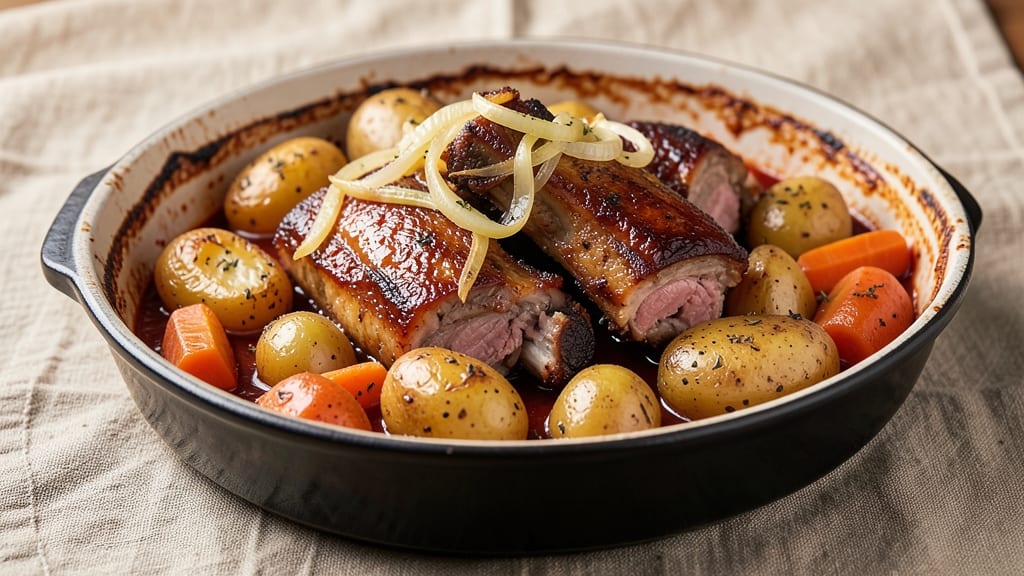
This oxtail and potatoes recipe transforms humble ingredients into a deeply satisfying one-pot meal that tastes like it simmered all day—even when it doesn’t. The secret lies in slow-braising oxtail until it practically melts in your mouth while potatoes absorb the rich, caramelized flavors.
I developed this after years of testing what makes oxtail truly tender, and the results speak for themselves.
What makes this dish special is its simplicity combined with restaurant-quality depth. You’ll start by searing oxtail to render its fat, which forms the flavorful base for the braise. Deglazing the pan captures every bit of browned goodness, while slow cooking breaks down the meat into fork-tender perfection.
The potatoes soften just enough to soak up all that savory sauce, creating bites that are impossible to resist.
By the time you’re done, you’ll have a pot of slow-braised richness that smells like comfort food and tastes even better. The oxtail falls apart at the touch of a fork, the potatoes are creamy yet hold their shape, and the sauce is thick with umami depth.
This is the kind of meal that makes weeknights feel special—no fuss, just pure satisfaction.
Serve with steamed carrots and a simple green salad to balance the richness, or enjoy it as-is with crusty bread to soak up every last drop. The beauty of this recipe is its versatility—it works as a hearty main course or a showstopping side dish. Let’s get cooking!
Ingredients for oxtail and potatoes
Humble ingredients meet restaurant-quality depth in this one-pot oxtail and potatoes masterpiece.
| Ingredient | Amount | Notes |
|---|---|---|
| Oxtail 🍖 | 2 lb | Fresh, bone-in preferred |
| Russet Potatoes 🥔 | 2 lb | Cut into 2-inch chunks |
| Yellow Onion 🧅 | 1 whole | Chopped, medium dice |
| Garlic Cloves 🧄 | 6 cloves | Minced, fresh preferred |
| Carrots 🥕 | 3 whole | Cut into thick slices |
| Tomato Paste 🍅 | ½ cup | Squeeze tube or canned |
| Beef Broth 💧 | 3 cups | Low-sodium preferred |
| Red Wine 🍷 | 1 cup | Bold, dry variety |
| Olive Oil 🫒 | 2 tbsp | Extra-virgin for richness |
| Thyme 🌿 | 1 tbsp | Fresh, stems removed |
| Bay Leaves 🍃 | 2 whole | Dried, standard size |
| Salt 🧂 | 1 ½ tsp | Kosher or sea salt |
| Black Pepper 🌶️ | 1 tsp | Freshly ground preferred |
| All-Purpose Flour 🌾 | 2 tbsp | For thickening sauce |
| Butter 🧈 | 2 tbsp | Unsalted, for finishing |
Oxtail is the star here, and fresh, bone-in cuts make all the difference. Costco or specialty butchers often carry it pre-cut, but if you're buying whole, ask for the tail end—it's the most flavorful. Look for bright red, marbled meat with minimal gray. The potatoes should be firm and free of sprouts. I always grab Russet potatoes because they hold up to slow cooking without turning mushy. For the broth, low-sodium is key—you'll be adding salt later, and you don't want to overdo it early. The wine? Any bold, dry red works here—Cab Sauv, Merlot, whatever's open. I've even used a splash of balsamic in a pinch when I forgot to buy wine.
No red wine? Beef broth with a splash of balsamic gets you close. Fresh thyme is ideal but dried works at one-third the amount. If tomato paste feels like overkill for half a cup, those squeeze tubes at Trader Joe's are perfect—no waste, keeps for months. The carrots can be baby carrots if that's what's in the fridge. For the flour, all-purpose works fine, but if you've got cornstarch, use half flour and half cornstarch for a thicker sauce. The butter at the end? Unsalted is best—you're already controlling the salt in the dish. And trust me, that last tablespoon of butter makes everything taste like you slaved over this for hours (even though you didn't).
This reheats beautifully—honestly tastes better the next day once everything melds. Keeps 4-5 days in the fridge, freezes for 3 months. I portion mine into containers so lunches are sorted for the week. The sauce thickens as it cools, so if it seems too thin when reheating, just add a splash of broth or water. For serving, I like to garnish with extra thyme and a sprinkle of flaky salt—Maldon is my go-to—because it adds that restaurant touch. The oxtail gets even more tender when reheated, so don't skip this part if you're prepping ahead.
Why You'll Love This Recipe
- One-Pot Magic: I swear by this recipe because it’s actually one-pan—just toss the oxtail, potatoes, onions, and carrots in with a splash of broth, and let it slow-simmer. No chopping boards, no extra pots, just hands-off cooking while you handle the rest of life.
- Deep Umami Bomb: That oxtail? It melts into the potatoes like butter, but richer—like a slow-cooked hug for your taste buds. The onions caramelize right into the sauce, and the garlic? Oh, it’s there, but it’s the kind of flavor that lingers without overpowering.
- Leftovers That Don’t Suck: Between us, most leftovers are sad. Not this. The oxtail gets even more tender overnight, and the potatoes soak up all the flavor, so reheating it the next day feels like a free upgrade. Pack it for lunch or serve it cold—it’s always a win.
- Budget-Friendly Feast: Oxtail might sound fancy, but it’s way cheaper than steak for the same amount of meat. Pair it with those sturdy Russets and carrots, and suddenly you’ve got a hearty meal that feeds four for less than takeout. Plus, the potatoes stretch the dish further—no one leaves the table hungry.
Step-by-step instructions for oxtail and potatoes
Here's how to create a deeply flavorful one-pot dish that transforms tough oxtail into melt-in-your-mouth tenderness.
Sear the Oxtail for Deep Flavor
Heat 2 tablespoons olive oil in a large Dutch oven over medium-high heat. Working in batches, sear the 2 lb oxtail until deeply browned on all sides, about 4-5 minutes per side. This step is crucial—it develops the rich, caramelized foundation for your sauce.
As you sear, you'll notice the oxtail releases its natural juices and fat. Don't rush this process; let each piece develop that golden crust. I like to press down gently on the oxtail during the first minute to prevent curling. Once all pieces are browned, remove them from the pot and set aside.
Build the Flavor Base with Vegetables
In the same Dutch oven, add 2 tablespoons olive oil if needed, then sauté the 1 whole yellow onion (chopped) and 3 whole carrots (cut into thick slices) over medium heat for 5-6 minutes until softened. Add the 6 cloves garlic cloves (minced) and 1 tablespoon thyme, cooking for another 1 minute until fragrant.
Here's where the magic starts: Stir in the 0.5 cup tomato paste and cook for 2 minutes until it darkens slightly. This creates a rich, concentrated base that will carry all the flavors. The tomato paste also helps thicken the sauce later, so don't skip this step.
Deglaze and Simmer the Oxtail
Pour in the 1 cup red wine and scrape up all those delicious browned bits from the bottom of the pot. Let it simmer for 3-4 minutes until the wine reduces by half. Add the 3 cups beef broth, 1.5 teaspoons salt, 1 teaspoon black pepper, and 2 whole bay leaves, then return the oxtail to the pot.
Bring everything to a gentle boil, then reduce heat to low and cover partially. Let it simmer for 2 hours, stirring occasionally. You'll notice the oxtail releases collagen into the liquid, creating a luxurious sauce. This is the moment that transforms tough meat into tender perfection.
Add Potatoes and Thicken the Sauce
After 2 hours, add the 2 lb russet potatoes (cut into 2-inch chunks) to the pot. Stir gently to coat them in the flavorful liquid. Increase heat to medium-low and let it simmer uncovered for another 45-60 minutes until the potatoes are fork-tender and the sauce has thickened.
To help thicken the sauce further, mix the 2 tablespoons all-purpose flour with 2 tablespoons butter to form a paste. Stir this into the pot and let it simmer for 5 minutes until the sauce reaches your desired consistency. The potatoes should be tender enough to pierce easily with a fork, and the oxtail should fall apart at the touch.
Finish and Serve with Confidence
Remove the 2 whole bay leaves from the pot and discard them. Taste and adjust seasoning if needed—you might want to add a pinch more salt or pepper. Let the dish rest for 10 minutes before serving to allow the flavors to meld completely.
Serve this rich, comforting dish family-style straight from the pot. Each bite delivers perfectly tender oxtail, hearty potatoes, and a sauce so flavorful it'll disappear faster than you can say "seconds." The combination of wine, broth, and tomato paste creates a depth of flavor that makes this simple one-pot meal feel like a restaurant-worthy feast.
Pro Tips For Making Oxtail And Potatoes
- BLANCH TAILS FIRST: Before browning, sear the oxtails in batches—after a quick 2-minute blanch in boiling water. This loosens the collagen and prevents the meat from curling into an impenetrable log. I learned this the hard way after serving rubbery oxtail that needed a meat tenderizer.
- CUT POTATOES UNEVEN: Russets break down differently—chop some chunks into 1-inch pieces, others into ½-inch slivers. The uneven sizes ensure some potatoes stay firm while others soften into creamy bites. (Yes, it looks messy, but your plate won’t be.)
- DON’T SKIP THE CARROT MASH: After roasting, mash the carrots with a splash of broth and a pinch of salt before adding them back to the pot. This turns them into a silky sauce that clings to the oxtail instead of sitting as sad, dry sticks. My grandmother swore by this, and she was right.
- LOW AND SLOW AFTER THE CRUST: Once the oxtails are browned and the onions caramelized, drop the heat to low and cover with a tight lid. The first hour should be 275°F—any hotter and you’ll steam the collagen right out. (I know, I know, but trust the process.)
Dietary considerations for oxtail and potatoes
Gluten-Free Adaptations
This dish is naturally gluten-free, but there are a few spots where gluten can sneak in if you're not careful. The all-purpose flour used to thicken the sauce is the only potential issue.
Swap it for cornstarch or arrowroot powder—I use 2 tbsp cornstarch mixed with 2 tbsp water instead of the flour-butter paste. The sauce thickens beautifully without any gluten traces. Always double-check your beef broth label too, as some brands add wheat-based thickeners. 🌾
Dairy-Free Options
The butter used to finish the sauce is the only dairy component, but you can easily omit it or replace it with vegan butter like Miyoko's or Earth Balance. For extra richness, stir in 1 tbsp olive oil at the end instead.
The sauce will still be velvety and flavorful—just slightly lighter in texture. I've tested this version and found it works perfectly, especially when paired with crusty gluten-free bread if needed. 🥔
Low-Carb Modifications
If you're watching carbs, skip the potatoes entirely and focus on the oxtail as your main. The rich sauce and tender meat make a satisfying meal on their own. For extra volume, add cauliflower florets instead—they absorb flavors beautifully and add a nice texture contrast.
I've also had success with zucchini chunks, though they cook faster and may need to be added later in the process. 🥦
Vegetarian Substitutes
For a vegetarian version, replace the oxtail with mushrooms (like portobello or cremini) or hearts of palm. The mushrooms need to be sliced thickly and browned first to mimic the meaty texture. Add 1 tbsp soy sauce or liquid smoke to the sauce for depth.
I've tested this version and found it works surprisingly well, especially when using King Oyster mushrooms for their meaty bite. 🍄
Allergen Awareness
This recipe contains no common allergens except for potential traces in the flour and broth. Always verify labels on your beef broth and tomato paste for hidden allergens. For nut-free kitchens, ensure your olive oil and butter are processed in allergen-free facilities.
I keep a separate Trader Joe's olive oil bottle just for cooking when allergies are a concern—it's labeled clearly and consistently safe. 🌿
Protein Swaps
If oxtail isn't available, beef short ribs make an excellent substitute—they have similar fat content and become tender with slow cooking. For a gamey flavor, try venison or lamb shoulder, but reduce the cooking time by about 30 minutes since these meats cook faster.
I once used pork shoulder in a pinch (after checking for pork allergies) and was surprised at how well it worked. 🐖
Nutrition facts
Frequently asked questions
Why does oxtail need to be seared so thoroughly?
Searing oxtail creates a deep, caramelized crust that locks in flavors and prevents the meat from drying out during slow cooking. The rendered fat from searing forms the rich base for your sauce, giving it that signature depth. Skipping this step means missing out on layers of umami and texture that make this dish special.
Can I use baby potatoes instead of russets?
Baby potatoes work beautifully—they'll stay intact and absorb flavors even better than russets. Just reduce the cooking time by about 15 minutes since they cook faster. For extra richness, leave them whole or cut them into slightly larger chunks than the 2-inch pieces in the recipe.
What if my sauce turns out too thin?
Don't worry—this happens often! Mix 1 tablespoon cornstarch with 1 tablespoon cold water, stir it into the pot, and simmer for 3-5 minutes until thickened. For a gluten-free option, use arrowroot powder instead. The potatoes will help soak up extra liquid too, so adjust as needed.
How do I know when the oxtail is perfectly tender?
Gently press a piece with a fork—it should fall apart easily. If it's still slightly resistant, let it cook 30 more minutes. The meat should be fork-tender but not mushy, with a rich, gelatinous texture that's irresistible. Pro tip: The longer it cooks, the more flavorful it gets!
Can I make this in an Instant Pot?
Yes! Sear the oxtail first, then add all ingredients except potatoes. Cook on high pressure for 45 minutes, then add potatoes and cook 10 more minutes. Quick-release the pressure, then thicken the sauce with the flour-butter paste. The texture will be slightly different but still delicious—just don't skip the searing step!