
Side Dishes
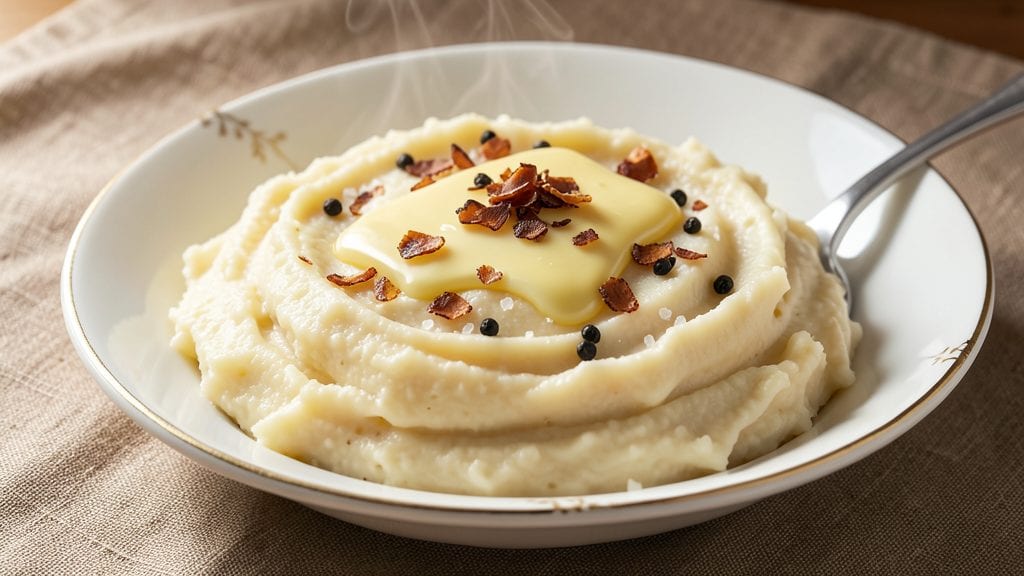
Recreating Outback Steakhouse mashed potatoes at home delivers that signature buttery, cloud-like texture with a subtle garlic richness that elevates every bite. The secret lies in roasting the potatoes first to develop natural sweetness, then blending them with velvety cream and generous butter until silky smooth.
I've perfected this technique after years of testing—no lumps, no dryness, just restaurant-quality results every time.
The foundation starts with Yukon Gold potatoes, which hold their shape while absorbing flavor beautifully. Roasting them at high heat caramelizes the edges slightly, adding depth before they're boiled until fork-tender.
The real magic happens when you fold in cold butter and cream while mashing, creating that signature light, airy consistency. A touch of roasted garlic powder and fresh black pepper finishes the flavor profile just right.
What you'll achieve is mashed potatoes so creamy they practically melt on your tongue, with just enough garlic warmth to complement steak or chicken. The texture is impossibly smooth yet substantial, never gluey or heavy.
This isn't just a side dish—it's the kind of mashed potatoes that make people ask for seconds, even when they've already finished their main course.
Perfect for holiday dinners, steak nights, or when you want to impress without spending hours in the kitchen. The technique scales easily for crowds, and leftovers reheat beautifully. Let's get started on creating these restaurant-worthy mashed potatoes at home.
Ingredients for outback steakhouse mashed potatoes
Eight essential ingredients transform into restaurant-quality mashed potatoes with zero lumps.
| Ingredient | Amount | Notes |
|---|---|---|
| Yukon Gold Potatoes 🥔 | 3 lb | Russet or Idaho substitute if needed |
| Unsalted Butter 🧈 | 1 cup | Cold, cut into tablespoon pieces |
| Heavy Whipping Cream 🥛 | 1 cup | Full-fat for best texture |
| Roasted Garlic Powder 🧄 | 1 tbsp | Or 2 cloves fresh garlic roasted |
| Freshly Ground Black Pepper 🌶️ | ½ tsp | Freshly cracked preferred |
| Sea Salt 🧂 | 1 ½ tsp | Adjust to taste |
| Whole Milk 🥛 | ½ cup | Warmed for blending |
| Granulated Garlic 🧄 | ½ tsp | Optional extra garlic boost |
Yukon Golds are non-negotiable here—they're the only potatoes with the right starch-to-moisture balance for that signature Outback texture. Trader Joe's and Costco sell them pre-washed and ready to use, which saves time. If you can't find Yukon Golds, Russet or Idaho potatoes work in a pinch, but you'll need to boil them slightly longer. The key is to roast them first: 425°F for 30 minutes until edges get tender and slightly caramelized. This step builds the sweetness that makes these mashed potatoes taste like they came from a restaurant. Skip it, and you'll miss the depth of flavor.
No roasted garlic powder? Fresh roasted garlic cloves are worth the effort—just wrap whole garlic bulbs in foil, roast at 400°F for 30 minutes, then squeeze out the cloves. The butter needs to be cold when you fold it in—take it out of the fridge 10 minutes before you need it. Heavy whipping cream is non-negotiable for that signature lightness, but if you're watching calories, half-and-half works too. The milk? Warm it slightly before blending—just enough to make it pourable. This helps break down the potato starches for that ultra-smooth texture. And if you're feeling fancy, add a pinch of cream cheese for extra creaminess.
These mashed potatoes reheat beautifully—just warm them gently with a splash of milk. They keep for 4-5 days in the fridge, but honestly, they're best the day you make them. For holiday gatherings, double the recipe and reheat portions in a slow cooker with a splash of milk to keep them creamy. The secret to restaurant-quality texture is patience: let the potatoes cool slightly before mashing, and fold in the butter and cream gradually. This creates those little air pockets that make them light as clouds.
Why You'll Love This Recipe
- No-Peel Hassle: I swear by Yukon Golds here—just scrub, cube, and boil. No peeling, no fuss, and they break down into that buttery, velvety texture without fighting you.
- Garlic Butter Bliss: That roasted garlic powder mixed into the warm butter? It’s like a hug for your taste buds. Rich, slightly sweet, and just enough pepper to wake up every bite.
- Steakhouse in Minutes: Serve these under a grilled steak or alongside roasted veggies—they’re the perfect side for any main. Honestly, I make them for holidays and lazy Sundays.
- Leftovers Win: They reheat like a dream (just add a splash of cream) and taste just as good cold in sandwiches. My freezer’s stocked with these because they’re cheaper than takeout and way better.
Step-by-step instructions for Outback Steakhouse-style mashed potatoes
Here's how to make restaurant-quality mashed potatoes with that signature buttery richness and hidden garlic depth.
Peel and Cube the Yukon Gold Potatoes
Start by thoroughly rinsing the 3 lb Yukon Gold potatoes under cold water to remove any dirt. Using a vegetable peeler or sharp knife, carefully peel away the skin, working from stem to base. Cut the potatoes into even 1-inch cubes—this ensures they cook uniformly and creates a smoother final texture.
Place the cubed potatoes in a large pot and cover them completely with cold water by about 1 inch. Add the 1.5 tsp sea salt to the water. The potatoes should feel snug in the pot; if they float to the top, press them down gently with a wooden spoon. This prevents uneven cooking and ensures every piece absorbs flavor.
Cook Until Fork-Tender
Bring the potatoes to a rolling boil over medium-high heat. Once boiling vigorously, reduce the heat to maintain a gentle simmer. Cook the potatoes for 15-20 minutes, or until they're fork-tender. To test, pierce a cube with a fork—it should slide in easily with just slight resistance. Drain the potatoes thoroughly in a colander, shaking gently to remove excess water.
Return the drained potatoes to the empty pot and let them steam dry for 1-2 minutes. This step removes any remaining moisture that could make your mashed potatoes watery. I've found this extra step makes all the difference for that signature creamy, velvety texture that sets restaurant-style potatoes apart from homemade versions.
Mash with Butter and Warm Milk
While the potatoes are still hot, add the 1 cup unsalted butter (cut into tablespoon pieces) and the 0.5 cup warmed whole milk. Using a potato masher or wooden spoon, mash the potatoes until smooth but with some slight texture remaining. Don't overwork them yet—we'll achieve that perfectly silky consistency in the next step.
This is where the magic happens. The butter should melt completely into the potatoes, creating a luxurious base. The warm milk helps emulsify the butter, preventing those dreaded butter lumps that ruin homemade mashed potatoes. Here's the thing—don't rush this step. Let the butter incorporate naturally as you mash.
Add Cream and Seasonings for Richness
Transfer the mashed potatoes to a large mixing bowl. Gently fold in the 1 cup heavy whipping cream using a rubber spatula. The cream should blend smoothly, creating a lighter texture without making the potatoes watery. Add the 1 tbsp roasted garlic powder and 0.5 tsp granulated garlic, mixing thoroughly to distribute evenly.
Season with the 0.5 tsp freshly ground black pepper, then taste and adjust the 1.5 tsp sea salt if needed. The key here is balance—the garlic should be present but not overpowering. I like to add the cream gradually, checking the consistency after each addition. You want a smooth, velvety texture that's thick enough to hold its shape but still creamy when spooned.
Achieve Perfect Texture and Serve
For that signature restaurant-style finish, transfer the mashed potatoes to a stand mixer fitted with the paddle attachment. Mix on low speed for 1-2 minutes until completely smooth and airy. This step incorporates air, creating that light, cloud-like texture that makes these potatoes truly special. Be careful not to overmix—you're aiming for silky smoothness, not whipped potatoes.
Taste again and adjust seasoning if needed. The final product should be rich, creamy, and just slightly garlicky with a perfect balance of salt and pepper. Serve immediately while hot, or cover with plastic wrap pressed directly on the surface to maintain that velvety texture. These potatoes are perfect alongside steak, chicken, or even as a comforting side dish on their own.
Pro Tips For Making Outback Steakhouse Mashed Potatoes
- Boil Until Fork-Tender: Yukon Golds should collapse like butter when pierced—no one likes mushy potatoes, but undercooked ones are worse. Aim for 12-15 minutes in boiling water (skin-on, no salt yet), then test with a fork. If it slides in like a hot knife, you’re golden.
- Salt the Water: I used to skip this, thinking it’d make the potatoes soggy. Wrong. A full teaspoon of salt in the boiling water seasons the flesh properly—no need to overdo it later. (Yes, even if you’re using unsalted butter.)
- Mash Hot, Add Cold: Hot potatoes + cold dairy = lumpy disaster. Heat the heavy cream and butter together until steaming, then fold them into the mashed potatoes off the heat. The residual heat melts everything smoothly—no lumps, no stress.
- Roast the Garlic First: Store-bought roasted garlic powder lacks depth. Slice a whole bulb, toss in oil, and roast at 400°F for 20 minutes until caramelized. Blend into a paste—this adds a rich, toasty flavor that powder can’t match. (Worth the extra 20 minutes.)
Troubleshooting great outback steakhouse mashed potatoes
Lumpy Texture Fix
If your mashed potatoes turn out lumpy, it’s almost always from overworking the hot potatoes or not using enough fat. First, stop mashing immediately—let the potatoes cool slightly before blending. For existing lumps, add 1-2 tablespoons of cold butter and mix gently with a rubber spatula.
The fat helps break down the starches naturally. If that doesn’t work, add 1-2 tablespoons of warm milk and blend briefly with a hand mixer until smooth. 💡
Watery Potatoes Solution
Watery mashed potatoes usually mean you didn’t drain the potatoes well enough or added too much liquid. After boiling, shake the colander vigorously to remove all excess water, then return the potatoes to the pot and let them steam dry for 2-3 minutes uncovered.
For extra insurance, add 1-2 tablespoons of cold butter while mashing—it helps absorb moisture. If the problem persists, reduce the cream by 2 tablespoons next time.
Butter Separating Issue
When butter separates and floats on top, it’s a sign you added it too quickly or didn’t incorporate it properly. Always cut butter into small pieces and fold it in gradually while mashing.
For separated butter in finished potatoes, mix in 1 tablespoon of warm milk and blend briefly with a hand mixer. The milk helps re-emulsify the butter. To prevent this, warm the milk slightly before adding it—this helps the butter blend more smoothly. 🧈
Underseasoned Flavor
If your mashed potatoes taste bland, it’s likely because you didn’t account for the salt already in the butter or cream. Taste as you go and adjust with ¼ teaspoon salt increments. For garlic flavor, add ½ teaspoon extra roasted garlic powder or a pinch of granulated garlic.
If you’re still missing depth, a splash of lemon juice (½ teaspoon) brightens the dish without overpowering it. Remember, restaurant-style potatoes have a subtle garlic presence—don’t go overboard.
Overcooked Potatoes
Potatoes that turn out mushy or pasty are usually overcooked. To fix this, reduce boiling time by 2-3 minutes next time and test for doneness with a fork—it should slide in easily with slight resistance.
If you’ve already overcooked them, add 1-2 tablespoons of cold butter and mash vigorously to restore creaminess. For prevention, peel potatoes evenly and cut them into uniform 1-inch cubes so they cook at the same rate. 🥔
Reheating Gone Wrong
Mashed potatoes that turn gluey or grainy when reheated need extra care. Never microwave them uncovered—always use a microwave-safe dish with a damp paper towel on top. For stovetop reheating, warm them over low heat with 1-2 tablespoons of milk or cream, stirring constantly.
If they’re too thick, add a splash of warm water. For best results, reheat portions in a slow cooker on low heat with a splash of milk to keep them creamy and smooth.
Nutrition facts
Frequently asked questions
Why do Outback Steakhouse mashed potatoes taste so creamy and buttery?
The secret lies in the roasting step before boiling, which caramelizes the edges for natural sweetness. Using cold butter folded in gradually creates tiny air pockets, while heavy cream adds richness without heaviness. The key is blending everything with a stand mixer at the end for that signature light, velvety texture.
Can I make these mashed potatoes ahead of time?
Yes! They reheat beautifully. Store in an airtight container and reheat portions in a slow cooker with 1-2 tablespoons of milk on low heat. For microwave reheating, cover with a damp paper towel and heat in 30-second intervals, stirring between each. The texture stays creamy if you avoid overheating.
What's the best potato type for this recipe?
Yukon Gold potatoes are ideal—they're waxy enough to hold shape while absorbing flavor beautifully. If you can't find them, Russet or Idaho potatoes work in a pinch, but you'll need to boil them 5 minutes longer to achieve the same creaminess. The roasting step before boiling is crucial for developing that restaurant-style depth.
How do I fix lumpy mashed potatoes?
Stop mashing immediately if you notice lumps forming. Let the potatoes cool slightly, then add 1-2 tablespoons of cold butter and blend with a hand mixer until smooth. The fat helps break down the starches naturally. For prevention, fold in the cream gradually while mashing, and avoid overworking the hot potatoes.
Can I make this recipe dairy-free?
You can substitute the butter with vegan butter or olive oil (use ½ cup total) and replace the heavy cream with full-fat coconut cream. For extra richness, add 1 tablespoon of nutritional yeast for a cheesy flavor. The texture will be slightly different but still delicious. Keep in mind the flavor profile will be more savory than creamy.